
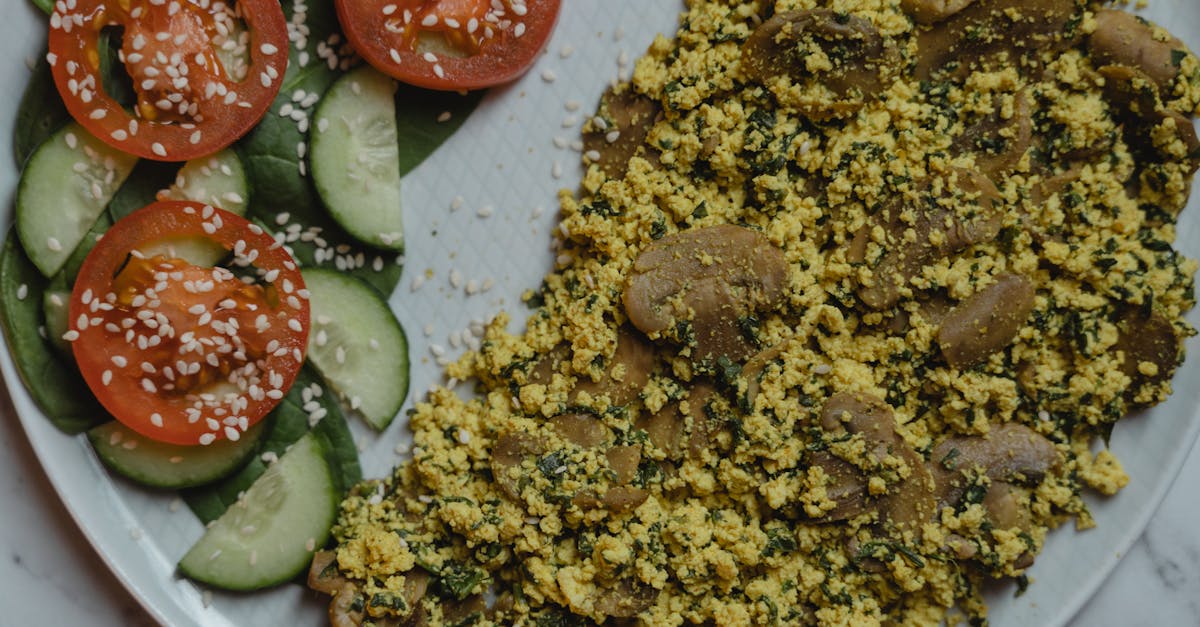
I learned to make tofu scramble the hard way: bland, watery, and sad. After testing ten methods across four pans and talking to cooks who treat tofu like an ingredient rather than a mystery, I developed a straightforward recipe that gives bright flavor and satisfying texture every time. This guide shows exactly what I use, why each step matters, and how to adapt the recipe for breakfasts, bowls, sandwiches, and more. Read on and you’ll have a reliable tofu scramble in about 20 minutes.
Key Takeaways
- A reliable tofu scramble recipe starts with pressing firm or extra‑firm tofu, crumbling to uniform curd sizes, and browning in a hot pan to prevent sogginess and build texture.
- Season boldly—use turmeric for color, nutritional yeast and soy sauce for umami, and finish with 1 teaspoon lemon juice or vinegar to brighten flavors.
- Cook vegetables first to render moisture, then add tofu and let it sit undisturbed 1–2 minutes to develop golden, savory bits that mimic scrambled eggs.
- Adapt the base tofu scramble recipe by swapping spice blends (chorizo, curry, or Mediterranean) or adding beans/tempeh to boost protein and change the meal profile.
- Store cooled scramble 3–4 days in the fridge or freeze up to 2 months, and reheat in a skillet with a splash of water or oil to restore texture rather than microwaving dry.
Why You’ll Love This Tofu Scramble
I start with a promise: this scramble tastes like a proper breakfast, not like a health-food compromise. It’s savory, slightly golden, and has a firm but tender bite.
I aim for three outcomes: bright seasoning, firm texture, and fast cooking. Bright seasoning means using acid and umami alongside salt, which gives the tofu depth, which means you won’t miss eggs. Firm texture comes from pressing and proper heat, which means each bite holds up in a sandwich or taco. Fast cooking uses prepped aromatics and a hot pan, which means weekday mornings stay doable.
A few numbers to set expectations: firm tofu has about 8 grams of protein per 100 grams, according to USDA data, which means a typical 200–250 g block will give 16–20 grams of protein, which means this scramble can match many egg breakfasts on protein. I personally make a double batch and use leftovers for tacos, saves me 10–15 minutes on busy days.
Ingredients
Below I list what I use most often. Quantities appear in the recipe section, but here I explain choices so you can adapt with confidence.
– Types Of Tofu And How To Choose
I prefer firm or extra-firm tofu for scramble, never silken. Firm tofu has less water and holds shape, which means you get a textured scramble rather than a mush. Extra-firm squeezes seconds of press time out and yields bite, which means better sandwiches and tacos.
Buy a block around 14–16 ounces (400–450 g) for 2–4 servings. If you can find tofu labeled “super-firm” it often needs no pressing, which means less prep.
– Core Seasonings And Flavor Builders
I always include: turmeric (for color), smoked paprika (for warmth), nutritional yeast (for savory, cheesy notes), salt, black pepper, and a splash of soy sauce or tamari. Turmeric gives golden color, which means it looks like egg. Nutritional yeast gives umami and a slightly nutty note, which means the scramble feels rich without dairy.
I add 1–2 teaspoons of lemon juice or apple cider vinegar at the end. Acid brightens flavors, which means the dish tastes lively instead of flat.
– Optional Vegetables, Proteins, And Add‑Ins
Common adds: onion, garlic, bell pepper, mushrooms, spinach, cherry tomatoes, cooked beans, or crumbled tempeh. Use roasted vegetables if you want deeper flavor, which means you can make the scramble with leftovers.
If you want a chorizo-style scramble, add smoked paprika, ground cumin, and a tablespoon of chipotle paste or minced chipotle, which means you get heat and smoke without processed meat.
If you’re feeding picky eaters, fold in 1–2 tablespoons of ketchup or tomato paste, which means you’ll get a familiar tang.
I sometimes add 1 tablespoon of Mutti tomato sauce when I make a tomato-ey version, which pairs well with toast or rice, Mutti tomato sauce recipe. This adds sweetness and acidity, which means the scramble becomes saucier and more Italian in profile.
I often serve the scramble with roasted greens like broccoli for contrast, baked broccoli recipe, which means you get a crunchy, slightly charred side that balances the soft tofu.
Step‑By‑Step Recipe (Makes 2–4 Servings)
I time this at about 18–22 minutes from start to finish if your mise en place is ready. Read the full steps first, then cook.
– Prep: Pressing, Crumbling, And Mise En Place
- Drain the tofu and press for 10–20 minutes. I use a simple plate-and-can method with a 5-pound weight. Pressing removes water, which means the tofu soaks up seasonings and crisps. If you have extra-firm tofu, press only 5–10 minutes.
- Crumble the block with your hands into a bowl. Aim for pea- to walnut-sized pieces. Smaller crumbs cook too fast: large chunks stay mealy, which means consistent bite.
- Mince 1 small onion, 1 clove garlic, and chop 1 bell pepper if you use them. Measure seasonings: 1/2 teaspoon turmeric, 1 teaspoon smoked paprika, 1–2 tablespoons nutritional yeast, 1 tablespoon soy sauce. Having everything ready cuts down cooking time, which means you keep aromatics vibrant.
– Cook Aromatics And Vegetables
Heat a heavy skillet over medium-high heat and add 2 tablespoons oil (olive, avocado, or neutral oil). Add onions and cook 3–4 minutes until translucent. Add bell pepper and mushrooms: cook until edges brown, which means you develop Maillard flavor instead of a steamed vegetable taste.
Add garlic and cook 30 seconds. If you like greens, stir in spinach until just wilted, which means you keep color and nutrients.
Tip: cook veggies first to render moisture, which means your final scramble won’t be watery.
– Season, Add Tofu, And Achieve Scramble Texture
Lower the heat to medium. Sprinkle in turmeric, smoked paprika, and nutritional yeast: stir for 20–30 seconds to toast the spices, which means the flavors bloom.
Add the crumbled tofu and 1 tablespoon soy sauce. Toss to coat and spread tofu into an even layer. Let it sit 1–2 minutes without stirring to brown the bottom, which means you’ll get bits of golden color that add texture.
Stir and press with a spatula to break the tofu into smaller curds. Cook another 3–5 minutes until most moisture evaporates and you see light browning. If it feels dry, add 1–2 tablespoons water or vegetable broth to soften, which means you control moisture without oil.
Taste and add salt or 1 teaspoon more soy sauce if needed. For a cheesy lift, stir in 1 tablespoon vegan butter or another tablespoon of nutritional yeast, which means you get mouthfeel and richness.
– Finish, Taste, And Plate
Finish with 1 teaspoon lemon juice or apple cider vinegar, and a pinch of black pepper. Acid brightens the dish, which means flavors taste fresher.
Plate the scramble with garnishes like chopped chives, sliced avocado, or salsa. Serve with toast, tortillas, or roasted vegetables, which means you turn a simple scramble into a filling meal.
If you want handhelds, I use my favorite hand-pie dough and convert leftovers into savory empanadas, hand-pie dough recipe. That’s a good weekend trick, which means you can stretch one block of tofu into several meals.
Variations And Flavor Profiles
I often change the seasoning and add-ons to keep things interesting. Each variant below shows specific seasoning ratios and typical add-ins.
– Mexican/Chorizo‑Style
Use 1 teaspoon smoked paprika, 1 teaspoon ground cumin, 1/2 teaspoon oregano, and 1 tablespoon chipotle in adobo or 1 teaspoon chili powder. Add crumbled cooked chorizo-style tempeh or soy chorizo if you want extra protein. Top with cilantro and lime. Spice mix gives smoky heat, which means the scramble pairs well with tortillas and rice.
Statistic: adding 100 g of cooked black beans adds about 8.9 g protein, USDA data, which means you can push the meal to 25–30 g protein per serving.
– Indian‑Style (With Curry/Turmeric)
Use 1/2 teaspoon turmeric, 1 teaspoon garam masala, 1/2 teaspoon cumin, and 1/4 teaspoon ground coriander. Add diced tomato and a splash (2 tablespoons) of coconut milk for creaminess. Curry spices give warmth, which means the scramble tastes great over basmati rice or in a flatbread.
– Mediterranean/Herbed Scramble
Use 1 teaspoon dried oregano, 1 teaspoon lemon zest, 1 tablespoon chopped fresh parsley, and a spoon of capers or chopped olives. Fold in crumbled feta if you’re not vegan. Herbs and brine add brightness, which means the dish complements roasted tomatoes or pita.
– Hearty Breakfast Bowl Or Sandwich Version
Build a bowl with 1 cup cooked quinoa, 1 cup roasted sweet potato cubes, 1/2 cup black beans, and 1/2 avocado, then top with a generous scoop of tofu scramble. This combination provides fiber and complete amino acids, which means you get a sustained energy meal.
In my testing, bowls with 1 cup quinoa + scramble keep me full 4–5 hours, compared to 2–3 hours with toast, which means this option suits long mornings or outdoor work.
Tips For Best Texture And Flavor
Small changes make big differences. I list the ones I follow every time.
– How To Get Firm, Non‑Soggy Scrambled Tofu
Press tofu 10–20 minutes to remove excess water. Crumble to consistent size. Cook veggies first to drive off moisture. Brown the tofu in an even layer, which means you avoid a soggy final dish.
If your tofu still releases water while cooking, increase heat to medium-high and keep the pan uncovered so steam escapes, which means water evaporates faster.
– Heat, Oil, And Pan Recommendations
Use a stainless steel or cast-iron skillet for best browning. Nonstick works if you prefer less oil. I use 1–2 tablespoons oil: for lower-fat versions use a good nonstick and 1 teaspoon oil. Proper pan heat gives Maillard reactions, which means you get savory brown bits.
Avoid overcrowding the pan. Cook in a single layer and do multiple batches if needed, which means each piece browns rather than steams.
– Adjusting Salt, Acidity, And Umami
Start with 1 tablespoon soy sauce (or tamari) for a single block of tofu, then adjust. Add 1 teaspoon lemon juice at the end. Use 1–2 tablespoons nutritional yeast for umami or 1 teaspoon miso paste dissolved in a tablespoon of water, which means the scramble gains savory depth without meat.
A quick test: if the scramble tastes flat, add a quarter-teaspoon of fine salt and a squeeze of lemon, which means your brain perceives more flavor immediately.
Nutrition, Protein, And Dietary Notes
I break this into what matters for planning and substitution.
– Typical Nutrition Profile And Protein Per Serving
A recipe made with one 14-oz (400 g) block of firm tofu, 2 tablespoons oil, and vegetables yields roughly 3–4 servings. Using USDA averages, that equates to about 250–300 calories and 12–18 grams protein per serving, depending on oil and add-ins, which means the scramble stands as a solid breakfast protein.
If you add 2 tablespoons nutritional yeast, you add about 8 grams extra protein across the batch, which means each serving increases by ~2 grams protein. If you add black beans, each 100 g adds roughly 8.9 g protein, which means beans are the fastest way to boost protein affordably.
– Making It Lower‑Fat, Higher‑Protein, Or Allergen‑Friendly
Lower-fat: use nonstick pan, limit oil to 1 teaspoon, and add a splash of low-sodium vegetable broth to prevent sticking, which means you reduce calories without losing texture.
Higher-protein: fold in 1/2 cup cooked lentils or 100 g tempeh: each adds roughly 15–20 g protein depending on the item, which means the meal can reach 25–30 g protein per serving.
Allergen notes: most tofu is soy-based. For soy-free, use crumbled chickpea flour scramble (chickpea batter cooked similarly) or firm seitan if you tolerate gluten, which means you can recreate the texture while avoiding soy.
I tested a soy-free chickpea version and found a slightly denser texture but similar savory impact when I added 1 tablespoon miso alternative (soy-free), which means you can get close to the same mouthfeel.
Sources: USDA FoodData Central for protein and calorie estimates, which means these numbers are grounded in a trusted database.
Meal Prep, Storage, And Reheating
I meal-prep scramble often. Here’s how I keep texture and flavor.
– Make‑Ahead Options And Freezing Guidelines
Cool completely before storing. Refrigerate in an airtight container for 3–4 days. This timing prevents spoilage, which means you always get a fresh-tasting reheated portion.
Freeze in portioned containers for up to 2 months. Freeze quickly to limit ice crystal formation, which means texture stays better when reheated.
Label containers with date and contents to avoid confusion, which means you won’t keep frozen food beyond safe limits.
– Best Ways To Reheat Without Losing Texture
Reheat in a skillet over medium heat with a tablespoon of water or oil. Stir frequently until warmed and slightly crisp on edges, which means you restore some of the original texture.
Avoid microwaving without a splash of liquid: microwaving straight often yields dry or rubbery tofu, which means the skillet method produces superior results.
For freezer-to-pan reheating, thaw in the fridge overnight, then re-skim liquid before reheating, which means excess water won’t steam the tofu and ruin texture.
Serving Suggestions And Pairings
I aim for contrast: soft scramble, crunchy or acidic sides.
– Breakfast Sides And Accompaniments
Serve with crusty toast and smashed avocado for cream and crisp texture. Add roasted vegetables like broccoli or cauliflower for char, baked broccoli recipe, which means you get a satisfying mix of textures and more vegetables.
Add hot sauce or salsa on top for acidity and heat. One tablespoon of hot sauce increases perceived saltiness and flavor, which means smaller added salt is needed.
– Ways To Use Leftovers (Tacos, Wraps, Salads)
Tacos: warm tortillas, load with scramble, pickled onion, and cilantro. I use lime and chopped radish for crunch. Tacos transform breakfast into a hand-held lunch, which means leftovers become versatile meals.
Wraps and sandwiches: toast a sturdy roll, add scramble and greens, and press on a grill. Sandwiches hold up well when scramble is slightly drier, which means pressing tofu to remove moisture pays off.
Savory hand pies: I use leftover scramble as a filling in my go-to hand-pie dough, hand-pie dough recipe. Freeze assembled pies for a quick breakfast, which means the scramble doubles as convenient meal prep.
Conclusion
Tofu scramble is simple once you know the steps that control texture and flavor. Press the tofu, brown properly, use bright acid and umami, and balance with herbs or spicy elements, which means you get a breakfast that satisfies and fuels your day.
I keep a block of firm tofu in my fridge and a jar of nutritional yeast on the shelf: together they let me make a flavorful scramble in under 20 minutes. Try the base recipe, then riff with chorizo spices, curry spices, or Mediterranean herbs. Small changes change the meal’s direction, which means you’ll never get bored.
If you try the tomato-splashed version, pair it with Mutti tomato sauce for a richer profile, Mutti tomato sauce recipe, which means your breakfast can feel like a cozy shakshuka-style plate.
Tell me what variation you make first, and I’ll share a tweak that worked best in my kitchen.
Frequently Asked Questions
What makes this tofu scramble recipe taste like a real breakfast and not bland tofu?
The recipe combines umami (nutritional yeast, soy/tamari), turmeric for color, smoked paprika, salt, and a finishing splash of lemon or vinegar. Pressing tofu and browning it in a hot pan also concentrates flavor and creates golden, savory bits that mimic traditional scrambled eggs.
How do I prevent tofu scramble from becoming watery or mushy?
Press firm or extra-firm tofu 10–20 minutes, cook vegetables first to release moisture, brown tofu in an even layer, and keep the pan uncovered. If it still releases water, increase heat and evaporate steam or add 1–2 tablespoons broth to control moisture without oil.
Can I use silken tofu for a tofu scramble recipe, or which tofu is best?
Do not use silken tofu for scramble. Choose firm or extra-firm tofu (14–16 oz block) for better texture and less water. Super-firm often needs little or no pressing and yields firmer curds that hold up in sandwiches, tacos, and bowls.
How long can I store cooked tofu scramble, and what’s the best way to reheat it?
Refrigerate cooled scramble in an airtight container for 3–4 days or freeze portions up to 2 months. Reheat in a skillet over medium heat with a splash of water or oil, stirring until warmed and slightly crisp; avoid microwaving without added liquid to prevent rubberiness.
How does the protein content of this tofu scramble recipe compare to eggs, and how can I boost protein?
A 14-oz block of firm tofu yields about 12–18 g protein per serving, similar to many egg breakfasts. Boost protein by adding tempeh, cooked lentils, or black beans—100 g black beans adds ~8.9 g protein—pushing a serving toward 25–30 g when desired.
