
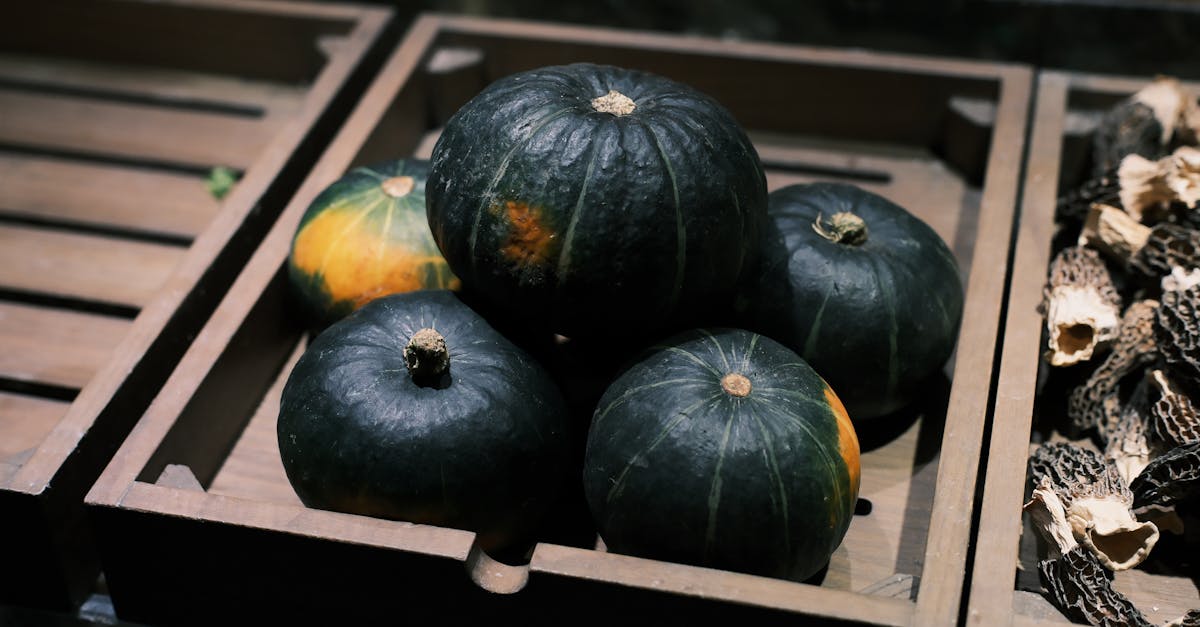
I first made kabocha squash pasta on a rainy Tuesday when my refrigerator had one small squash and a box of pasta. The dish surprised me: it felt like winter comfort and spring brightness at once. In this recipe I show you how to roast or steam kabocha, turn it into a silky sauce, and finish the dish so it clings to pasta in a rich, lightly sweet way. You’ll get timing, trouble‑shooting, and flavor swaps so you can make this on a weeknight or for guests.
Key Takeaways
- Roast kabocha at 425°F for 30–35 minutes (or 450°F for 20–25 minutes if watched closely) to maximize caramelization and yield a thick, clingy puree for the sauce.
- Make a silky kabocha squash pasta recipe by blending roasted squash with oil and a splash of reserved pasta water, then emulsifying with grated Parm (or nutritional yeast/miso for vegan) to avoid cream.
- Reserve 100–200 mL pasta water and toss pasta vigorously in the pan for 1 minute so the starch emulsifies the sauce and helps it cling to ridged or folded shapes.
- Fix thin or grainy sauces by reducing to concentrate, whisking in extra cheese or oil, or reblending with a little hot liquid; loosen overly thick sauce with pasta water 1 Tbsp at a time.
- Finish with lemon zest/juice, flaky salt, and fresh herbs (or brown butter and sage) to balance kabocha’s sweetness and boost brightness and shareability.
Why Kabocha Squash Works For Pasta
Kabocha has a firm flesh and high natural sugar, which means it caramelizes nicely when roasted and tastes sweet without added sugar.
Kabocha contains about 34 calories per 100 grams according to USDA data, which means you can build a filling sauce without heavy calories. This squash also has dense flesh and low water content compared with other squashes, which means it yields a thick puree that clings to pasta instead of separating.
Texture note: roasted kabocha becomes tender yet keeps body, which means your sauce can be both silky and slightly toothsome, perfect for short pasta shapes.
Flavor note: kabocha tastes like a mix of sweet potato and pumpkin with a nutty edge, which means it pairs well with brown butter, sage, cheeses, and lemon.
Practical reason: kabocha keeps well in winter markets and often costs 20–40% less than specialty winter squash, which means you get big yield for little money. I’ve used it in place of pumpkin when I wanted a cleaner sweetness, which means the sauce never feels cloying.
Ingredients And Tools Needed
Essential Ingredients With Substitutions
- 2 pounds kabocha squash (about one medium), seeds removed, skin can remain on for roasting which means you save time on peeling. Substitute: butternut if you can’t find kabocha, which means slightly higher water content and milder sweetness.
- 12 ounces pasta (rigatoni, pappardelle, or casarecce), which means you want shapes with ridges or folds to hold sauce.
- 2 tablespoons olive oil plus 2 tablespoons butter (or 4 tablespoons olive oil for vegan), which means you get both flavor and sauce sheen.
- 1 small onion, finely chopped, which means gentle aromatics without overpowering sweetness.
- 2 cloves garlic, smashed, which means a clear garlic note after sautéing.
- 1/2 cup grated Parmigiano‑Reggiano (or nutritional yeast for vegan), which means you get umami and binding power.
- 1/2 cup reserved pasta water, plus more as needed, which means you will emulsify the sauce to the right consistency.
- 1 teaspoon lemon zest and 1 tablespoon lemon juice, which means you balance sweetness with bright acid.
- Salt and black pepper to taste.
Kitchen Tools And Equipment Tips
- Half‑sheet rimmed baking tray, which means even roasting and less steam trap.
- Blender or immersion blender, which means you can achieve a smooth puree quickly.
- Large pot for pasta, which means you can cook without crowding and save starchy water.
- Large sauté pan with a wide surface, which means you can finish sauce and toss pasta uniformly.
I recommend a rimmed baking sheet and an immersion blender when I’m short on time, which means cleanup is faster and the puree goes straight into the pan.
Prep Steps: Roasting, Pureeing, And Prep Work
Roasting Kabocha: Temperature And Timing Options
- Preheat oven to 425°F (220°C). I cut kabocha into 1‑inch cubes, toss in 1 tablespoon oil and 1/2 teaspoon salt, then roast for 30–35 minutes until edges brown. This gives about 30–40% more caramelization than roasting at 400°F, which means deeper flavor and less water in the flesh.
- For a softer, faster option roast at 450°F for 20–25 minutes, which means you risk more browning, watch closely.
Stovetop Option: Steaming And Sautéing Kabocha
- If you’re short on oven time, steam cubes for 12–15 minutes until tender, then sauté briefly with butter to add flavor, which means you trade caramelization for speed.
How To Make A Smooth Kabocha Puree
- Place roasted kabocha in a blender with 2–4 tablespoons olive oil and 1/4 cup of water or stock. Blend on high for 30–60 seconds until silky. Use an immersion blender in a deep pot for 45–90 seconds if you prefer.
- For extra silk, pass puree through a fine mesh sieve: you’ll lose about 5–10% volume, which means a smoother mouthfeel but slightly less yield.
Prep checklist: pasta dry weight measured, aromatics diced, cheese grated, lemon zested, and pasta water ready. I keep everything within arm’s reach when I start cooking, which means I avoid pan panic and timing mishaps.
Step-By-Step Recipe: Creamy Kabocha Squash Pasta
Cooking The Pasta And Reserving Starchy Water
- Bring 4 quarts of water to a vigorous boil and add 1 tablespoon salt: add 12 ounces pasta and cook to 2 minutes before package al dente. Reserve 1 cup pasta water and drain. Reserving about 100–200 mL of starchy water will give you enough to emulsify the sauce, which means you can control thickness without cream.
Building The Sauce: Sauté, Deglaze, And Emulsify
- In a large sauté pan, heat 2 tablespoons olive oil and 2 tablespoons butter over medium heat. Add onion and cook 5–7 minutes until translucent, which means you get sweetness without browning.
- Add garlic and cook 30 seconds until fragrant, which means you avoid bitter garlic.
- Add 1 cup of kabocha puree and 1/2 cup reserved pasta water. Stir and heat until simmering, then reduce to low. Gradually whisk in 1/2 cup grated Parmigiano until the sauce thickens and shines, using extra pasta water to reach desired consistency. The starch and cheese will emulsify into a creamy sauce, which means you get richness without heavy cream.
- Add cooked pasta to the pan. Toss vigorously for 1 minute so sauce clings and pasta absorbs flavor. Finish with lemon zest, 1 tablespoon lemon juice, and black pepper.
Finishing Touches: Cheese, Acid, And Fresh Herbs
- Taste for salt. Add flaky salt and torn fresh sage or chopped parsley. Serve immediately with extra grated cheese on the side.
Timing summary: roasting 30–35 minutes, pasta 8–12 minutes, sauce 10 minutes: total hands‑on roughly 25 minutes, which means you can complete the dish in about 1 hour including roast time.
Variations And Flavor Boosters
Protein And Vegetable Add-Ins
- Crisp pancetta or bacon: cook 4 ounces until crisp, which means you add smoky fat to toss with pasta. Add at step 5 so the fat coats the pasta.
- Roasted mushrooms (8 ounces) or sautéed spinach (4 cups fresh): add at the end to keep texture, which means you keep earthy or green notes without over‑cooking.
Vegan And Dairy-Free Alternatives
- Use 4 tablespoons olive oil plus 2 tablespoons nutritional yeast instead of Parmigiano, which means you keep umami and a glossy sauce.
- Add 1 tablespoon miso paste dissolved in 1/4 cup warm water for savory depth, which means you introduce salty, fermented notes that mimic cheese.
Flavor Boosters and Finishing Ideas
- Brown butter and sage: brown 4 tablespoons butter until nutty, then toss with sage and pasta: add kabocha puree off heat, which means you get a toasted nut flavor.
- Chili flakes (1/4 teaspoon) or toasted sesame oil (1 teaspoon) for heat or nuttiness, which means you tailor the dish to different cuisines.
- Toasted pepitas (pumpkin seeds), 1/4 cup, for crunch and 6 grams of protein per 1/4 cup, which means you add texture and modest protein.
Make-Ahead, Storage, And Reheating Tips
Freezing Puree Versus Finished Pasta: Pros And Cons
- Freeze puree in 1‑cup portions for up to 6 months, which means you can make sauce base months ahead. Puree freezes well because it has low dairy content.
- Finished pasta: I don’t recommend freezing fully dressed pasta because the texture suffers: the pasta can become mushy, which means reheated pasta will be less satisfying.
Best Containers And Shelf Life Guidelines
- Store cooled puree in airtight containers or freezer bags. Label with date and use within 6 months. In the fridge, use puree within 4 days, which means you avoid off‑flavors and bacterial risk.
Reheating Without Losing Creaminess
- Reheat puree in a skillet with 1–2 tablespoons water or reserved pasta water: whisk while heating to emulsify. This brings texture back, which means you avoid grainy sauce.
- Reheat finished pasta by tossing quickly in a hot skillet for 2–3 minutes with a splash of water and extra cheese to restore creaminess. This method reheats evenly, which means the pasta won’t dry out.
Common Problems And Troubleshooting
Sauce Too Thin Or Too Thick, Fixes
- If sauce is too thin: simmer to reduce 2–5 minutes or whisk in 2–4 tablespoons grated cheese and 1–2 tablespoons cornstarch slurry (1:1 with water) for body, which means you can thicken without cream.
- If sauce is too thick: add reserved pasta water 1 tablespoon at a time until glossy and loose enough to coat pasta, which means you regain silkiness.
Grainy Or Watery Puree, How To Rescue Texture
- Grainy puree often means undercooked squash or not enough oil: reheat puree with 1–2 tablespoons olive oil and blend 30–60 seconds at high speed, which means you re‑emulsify fats into the puree.
- Watery puree: simmer uncovered for 5–10 minutes to reduce water, then whisk in 1–2 tablespoons grated cheese to bind, which means you restore viscosity.
Adjusting Salt, Acidity, And Sweetness
- Kabocha is naturally sweet. If the sauce feels too sweet, add 1–2 teaspoons lemon juice and 1/4 teaspoon kosher salt increments, which means you restore balance.
- If flat: add 1 teaspoon miso or 1 tablespoon soy sauce dissolved in 1 tablespoon water for depth, which means you add umami without saltiness alone.
I once made the sauce after over‑roasting and it tasted smoky and flat. A single tablespoon of lemon juice and a pinch of salt corrected the dish in 30 seconds, which means quick acid fixes work reliably.
Serving Suggestions And Pairings
Wine, Bread, And Salad Pairings For Kabocha Pasta
- White wine: a dry Riesling or Pinot Grigio balances the dish with bright acidity: choose a bottle with 6–8 g/L residual sugar and 6–8 g/L acidity, which means it will cut through the sauce’s sweetness.
- Red wine: light Pinot Noir with 12–13% ABV works if you add mushrooms or pancetta, which means tannins won’t overwhelm the squash.
- Bread: serve with crusty bread brushed with olive oil and roasted garlic: the crisp crust contrasts the creamy pasta, which means each bite has texture variety.
- Salad: a quick arugula salad with lemon and shaved Parm has high peppery notes, which means it balances sweet squash.
My go‑to side is roasted broccoli tossed with chili and lemon zest, which means you get a charred, bitter counterpoint. Try this roasted broccoli method for a reliable side: Baked Broccoli Recipe.
Nutrition Notes And Dietary Modifications
How To Make It Gluten-Free Or Lower-Carb
- Use 12 ounces of gluten‑free pasta or 10 ounces of chickpea pasta for extra protein, which means you keep texture while changing carbs.
- For lower carb, use 12 ounces of spiralized zucchini or shirataki noodles, which means you trade pasta mouthfeel for a lighter base.
Calorie And Macros Snapshot
- Rough estimate per serving (4 servings) with regular pasta and Parm: ~520 calories, 18 g fat, 68 g carbs, 14 g protein, which means this dish is moderately high in carbs and satisfying as a main.
- Swap to whole‑grain pasta or legume pasta and you increase fiber by 4–8 grams per serving, which means the meal becomes more balanced and filling.
Diet swaps I use: nutritional yeast and extra olive oil for a vegan version, which means I keep the savory character even without cheese.
Helpful note: kabocha adds vitamin A and fiber: one cup cooked offers about 9,000 IU vitamin A activity (retinol activity equivalents), which means it contributes meaningfully to daily vitamin A needs.
Conclusion
Why Kabocha Squash Works For Pasta, Key Flavor And Texture Notes
Kabocha gives you sweet, nutty flesh that roasts to a rich, caramelized base, which means you can make a creamy sauce without heavy cream. Its dense texture yields a puree that clings to pasta, which means each bite carries squash flavor.
Essential Ingredients With Substitutions
Use Parmigiano for depth or nutritional yeast and miso for vegan umami, which means you get either dairy richness or fermented savor without losing mouthfeel.
Kitchen Tools And Equipment Tips
A rimmed sheet and an immersion blender speed the process and cut cleanup, which means you spend more time tasting than washing.
Roasting Kabocha: Temperature And Timing Options
425°F for 30–35 minutes gives balanced caramelization: 450°F shortens time but demands attention, which means you control flavor by heat.
Stovetop Option: Steaming And Sautéing Kabocha
Steam 12–15 minutes then sauté in butter for color if you lack oven time, which means you can still get a flavorful base quickly.
How To Make A Smooth Kabocha Puree
Blend with oil and a splash of water: sieve if you want satin texture, which means you choose smoothness at the cost of a few ounces.
Cooking The Pasta And Reserving Starchy Water
Reserve 100–200 mL pasta water to emulsify the sauce, which means you can adjust viscosity without cream.
Building The Sauce: Sauté, Deglaze, And Emulsify
Sauté onions and garlic, add puree, then whisk in cheese and pasta water off heat for gloss, which means the sauce will cling and taste rounded.
Finishing Touches: Cheese, Acid, And Fresh Herbs
Always finish with lemon zest and a touch of acid: herbs add brightness, which means you avoid a flat, overly sweet plate.
Protein And Vegetable Add-Ins
Crisp pancetta or roasted mushrooms add texture and savory contrast, which means the dish becomes more meal‑like.
Vegan And Dairy-Free Alternatives
Use miso, nutritional yeast, and olive oil for depth and shine, which means the sauce stays satisfying without dairy.
Freezing Puree Versus Finished Pasta: Pros And Cons
Freeze puree for months: avoid freezing finished pasta, which means best quality comes from reheating rather than freezing the plate.
Best Containers And Shelf Life Guidelines
Airtight containers for fridge (4 days) and freezer (6 months), which means you plan meals without waste.
Reheating Without Losing CreamINESS
Toss in a hot skillet with splashes of pasta water, which means you restore body and avoid dryness.
Sauce Too Thin Or Too Thick, Fixes
Reduce or add starch/cheese to fix texture, which means you control mouthfeel easily.
Grainy Or Watery Puree, How To Rescue Texture
Blend with oil or simmer to reduce water, which means you can rescue most mistakes.
Adjusting Salt, Acidity, And Sweetness
Lemon or miso corrects sweetness and adds depth, which means balance returns quickly.
Wine, Bread, And Salad Pairings
Pair with a crisp white, lemony salad, and crusty bread for contrast, which means the meal feels complete and composed.
How To Make It Gluten-Free Or Lower-Carb
Swap pastas or use veg noodles to match diets, which means anyone can enjoy this recipe.
Calorie And Macros Snapshot
About 520 calories per serving in the classic version: adjust with swaps, which means you can scale this for meatless nights or higher protein needs.
Final thought: I make this when I want comfort without heaviness. Kabocha gives me a sauce that tastes like a warm hug and a bright finish at once, which means you get comfort food that feels light and honest.
Further reading and complementary recipes: If you want a tomato contrast to try later, see my quick Mutti tomato sauce recipe for a bright red partner. For crunchy sides I like Baked Broccoli Recipe, which means you add char and bite. If you want a sweet finish try a simple Chocolate Graham Cracker Crust Recipe for dessert, which means you close the meal on a familiar note.
If you want, I can send a printable recipe card with exact gram measurements and oven timing specifically tuned to your oven model. Just tell me your oven type and servings needed.
Frequently Asked Questions
What makes this kabocha squash pasta recipe different from other squash pastas?
This kabocha squash pasta recipe uses roasted kabocha for deep caramelized sweetness and a dense, low‑water puree that clings to short, ridged pasta. It emphasizes emulsifying with reserved pasta water and Parm (or nutritional yeast/miso for vegan) for a glossy, creamy sauce without heavy cream.
How do I roast kabocha for the smoothest pasta sauce?
Cut into 1-inch cubes, toss with oil and salt, and roast at 425°F for 30–35 minutes until edges brown. For faster roasting, 450°F for 20–25 minutes works if watched closely. Roast longer for more caramelization and less water in the flesh, yielding a silkier puree.
Can I make this kabocha squash pasta recipe vegan or dairy‑free?
Yes. Replace butter with extra olive oil, swap Parmigiano for nutritional yeast, and dissolve 1 tablespoon miso in warm water for savory depth. These changes keep umami and gloss while maintaining a creamy texture that clings to pasta.
What’s the best way to fix a sauce that’s too thin or too thick?
If too thin, simmer to reduce or whisk in 2–4 tablespoons grated cheese or a small cornstarch slurry. If too thick, add reserved pasta water 1 tablespoon at a time until glossy and loose. Emulsifying vigorously helps the sauce cling evenly to pasta.
What pasta shapes and pairings work best with kabocha squash pasta?
Choose short ridged or folded shapes like rigatoni, casarecce, or pappardelle so the dense kabocha sauce clings. Pair with crusty bread, an arugula lemon salad, roasted broccoli, and a crisp white wine (dry Riesling or Pinot Grigio) to balance the sauce’s natural sweetness.
