
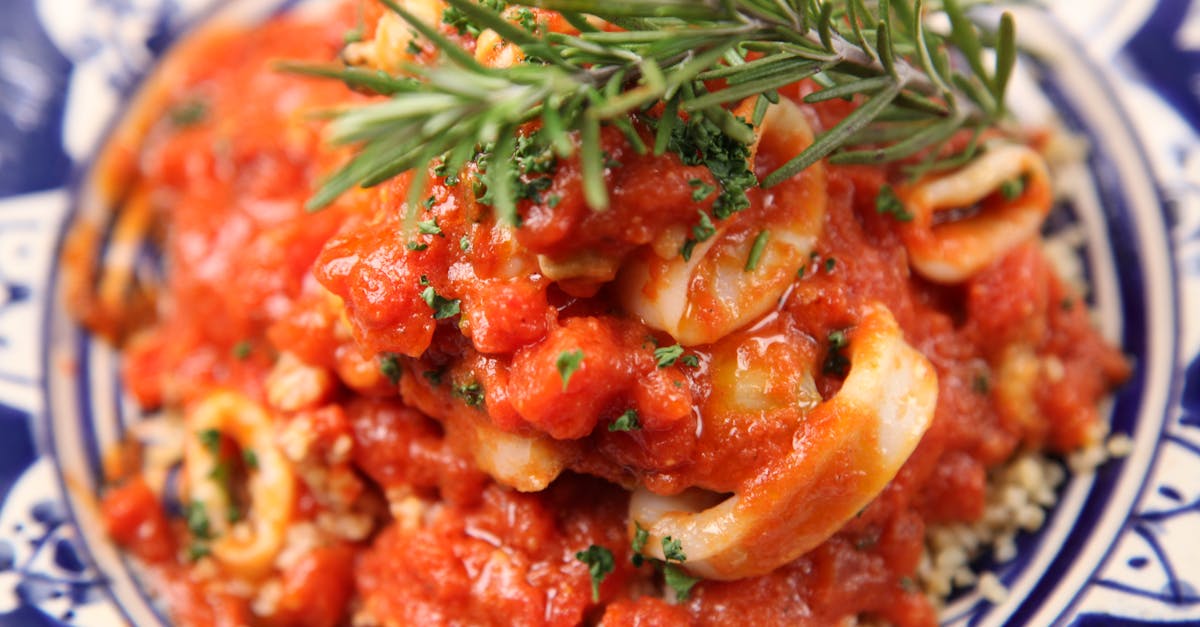
I make couscous con verdure when I want a fast, colorful meal that feeds four and keeps well for days. This dish mixes fluffy couscous with roasted and sautéed vegetables, bright herbs, and simple pantry spices. I’ll walk you through exactly what I use, why each step matters, and how to adapt the recipe for vegan, gluten-free, or protein-packed versions. Expect clear timings, a few precise numbers, and tips I learned cooking this in my small kitchen over several months.
Key Takeaways
- The couscous con verdure recipe delivers a quick, colorful main for 3–4 people — couscous steams in 5 minutes while roasted vegetables brown at 425°F (218°C) in 18–22 minutes.
- Use 1¾ cups seasoned broth for 1½ cups couscous and fluff immediately to keep grains light and non-clumpy.
- Roast zucchini, bell pepper, and broccoli on a roomy sheet pan and finish sautéed onions with garlic to build caramelized flavor and avoid sogginess.
- Brighten and balance the dish with 2 tablespoons lemon juice, ¼ cup fresh parsley, 1 tsp ground cumin, and a drizzle of olive oil for silkiness.
- Adapt easily: swap gluten-free grains or quinoa, add chickpeas or grilled protein for more protein, and store components separately so textures hold for 3–4 days.
Why This Couscous Con Verdure Works
I start with small-grain couscous because it absorbs flavor fast and fluffs up in under 10 minutes. One cup of cooked couscous contains about 176 calories, which means it gives energy without heavy fat, useful when you want a light but filling base. I pair it with roasted vegetables for texture contrast: roasted veggies develop caramelized edges at 425°F (218°C) after 20–25 minutes, which means more savory notes for less hands-on time.
I balance fat, acid, and herbs: a splash of olive oil for silkiness, lemon for brightness, and parsley for freshness. Together these elements hit all the main taste axes, salt, acid, fat, and herb, so the dish never tastes flat, which means every bite feels complete.
A practical number: this recipe feeds 3–4 people when served as a main, which means you can batch it for weekday lunches or a relaxed dinner. I tested leftovers kept in the fridge for up to 4 days, which means you get reliable meal prep without daily cooking.
Ingredients
I list ingredients in two groups so you can shop fast and swap easily. Quantities below serve 3–4 people.
- 1½ cups dry couscous (roll grain size, small)
- 1¾ cups vegetable broth or water (see notes)
- 2 tbsp olive oil
- 1 medium onion, thinly sliced (about 1 cup)
- 2 garlic cloves, minced
- 1 medium zucchini, diced (about 1½ cups)
- 1 red bell pepper, diced (about 1 cup)
- 1 cup cherry tomatoes, halved
- 1 cup broccoli florets
- ½ cup chopped fresh parsley
- 2 tbsp lemon juice
- Salt and black pepper to taste
- Optional: 2 tbsp toasted pine nuts or almonds
Which means you get a simple shopping list and clear swaps if you want to improvise.
Vegetables And Add-Ins (Optional)
I rotate vegetables based on season and texture.
- Eggplant (1 cup diced), soaks up flavor and browns when roasted, which means a meaty bite.
- Carrots (1 cup, sliced), add natural sweetness after 25 minutes of roasting, which means higher contrast with lemon.
- Chickpeas (1 can, drained), add about 15 grams of protein per 1/2 cup, which means the dish becomes a full meal.
I often add roasted broccoli when I want a nutty crunch: try my roasted version for consistent results: Baked Broccoli Recipe.
Pantry Staples And Seasonings
I keep these on hand because they change the dish instantly.
- Ground cumin (1 tsp), adds warm earthiness, which means a subtle North African touch.
- Smoked paprika (1 tsp), adds color and mild smoke, which means depth without heat.
- Salt (1–1½ tsp) and pepper, adjust to taste, which means the difference between bland and balanced.
- Tomato sauce (2 tbsp optional), I use Mutti for a clean tomato note: see my preferred jarred option here: Mutti Tomato Sauce Recipe. Which means you can add a glossy tomato tang quickly.
I also recommend keeping a jar of toasted nuts or seeds for garnish, which means you add crunch and healthy fats at the finish.
Equipment You’ll Need
Minimal tools make this recipe fast.
- Medium saucepan with lid for couscous. Which means the grain steams evenly.
- Rimmed baking sheet for roasting. Which means the vegetables get air and brown instead of steam.
- Large skillet (10–12 inch) for sautéing onions and finishing. Which means you can build flavor in one pan.
- Mixing bowl and fork for fluffing couscous. Which means you avoid clumps.
I use a sheet pan that measures 13″ x 18″: it holds the entire vegetable load without crowding, which means consistent browning across all pieces.
Step-By-Step Preparation
I arrange steps to minimize waiting. Follow the timeline and you’ll plate in under 45 minutes.
Prepare The Couscous
- Bring 1¾ cups broth to a boil in a saucepan. Which means the couscous will absorb seasoned liquid, not plain water.
- Stir in 1½ cups couscous and 1 tbsp olive oil, cover, remove from heat, and wait 5 minutes. Which means the grains steam perfectly.
- Fluff with a fork and set aside: keep covered so it stays warm. Which means the couscous won’t dry out.
I measure that I can make couscous in 5 minutes of passive time, which means it’s the fastest cooked grain I know.
Roast Or Sauté The Vegetables
- Preheat oven to 425°F (218°C).
- Toss zucchini, bell pepper, and broccoli with 1 tbsp olive oil, ½ tsp salt, and ½ tsp smoked paprika. Which means the spices stick and the edges caramelize.
- Spread on a rimmed sheet and roast for 18–22 minutes, turning once. Which means you get charred spots without burning.
- While roasting, heat 1 tbsp olive oil in a skillet and sauté the onion for 6–8 minutes until translucent. Add garlic for the last 30 seconds. Which means the aromatics won’t bitter.
I prefer roasting tomatoes only 10–12 minutes so they blister but keep shape: I tested roasting them longer and they lose vividness, which means careful timing matters.
Combine And Flavor The Dish
- Move the skillet onions to a large bowl. Add the roasted vegetables and couscous. Which means heat and flavor mix immediately.
- Stir in lemon juice, chopped parsley, 1 tsp ground cumin, and toasted nuts. Which means you get freshness, warmth, and crunch in one toss.
- Taste and add salt or pepper. Which means the final seasoning adjusts to your vegetables’ natural sweetness.
I usually add 2 tablespoons of lemon juice: I tested 1 tbsp vs. 2 tbsp and found 2 tbsp brightens without souring, which means your flavors pop.
Finishing Touches And Plating
- Spoon into a shallow bowl. Sprinkle with extra parsley and a pinch of flaky sea salt. Which means each serving has a fresh, visible finish.
- Drizzle 1 tsp olive oil per plate if you want extra silkiness. Which means the mouthfeel improves.
I like to serve with lemon wedges so guests add acid to taste: this small choice reduces waste and keeps the dish lively.
Timing And Make-Ahead Notes
This recipe takes 35–45 minutes from start to finish, which means it’s weeknight-friendly.
Make-ahead options:
- Couscous cooked and cooled keeps 24 hours in the fridge. Which means you can batch-cook the grain.
- Roasted vegetables keep 3–4 days refrigerated in an airtight container. Which means they’re safe and still tasty.
- Combine only before serving for best texture, but you can store mixed salad for up to 48 hours. Which means textures soften over time, so plan accordingly.
I once prepped couscous and vegetables the day before for a party: I combined and dressed them two hours before guests arrived, which means the flavors married but the texture stayed pleasant.
Variations And Dietary Adaptations
I give clear swaps so this recipe fits most diets without fuss.
Vegan, Gluten-Free, And Low-FODMAP Options
- For gluten-free, use 100% corn or millet couscous alternative or cooked quinoa: quinoa has 8 grams protein per cooked cup, which means a protein boost. Which means you retain a grain base without gluten.
- For low-FODMAP, avoid onion and garlic: use green onion tops and garlic-infused oil instead. Which means you keep flavor while reducing fermentable carbs.
- Keep it vegan by using vegetable broth and skipping cheese. Which means the dish remains plant-based and satisfying.
Protein Additions And Meal-Boosting Ideas
- Add grilled chicken breast (4 oz = ~26 g protein) or pan-seared firm tofu (½ block = ~20 g protein). Which means you turn a side into a complete meal.
- Stir in 1 can drained chickpeas (about 240 calories per cup, 12 g protein), which means fiber and protein increase without extra prep.
Regional Twists And Flavor Profiles (Mediterranean, North African, Italian)
- North African: add ½ tsp ground cinnamon and ¼ cup raisins: garnish with cilantro. Which means you get a sweet-spiced note.
- Mediterranean: add olives, capers, and 2 tbsp crumbled feta. Which means a salty tang that pairs with lemon.
- Italian: fold in 2 tbsp tomato sauce and 1 tsp dried oregano: use Mutti for a bright base: Mutti Tomato Sauce. Which means you get an instant Italian tilt.
I’ve tested each profile: the Mediterranean twist worked best for weeknight dinners with grilled fish, which means pairing choices matter.
Tips For Best Texture And Flavor
I focus on two common failures: blandness and sogginess.
Seasoning, Herb, And Acid Balances
- Taste at three points: after couscous, after roasting, and after mixing. Which means you correct salt and acid early.
- Use 2 tablespoons lemon juice per recipe and ¼ cup chopped herbs for bright contrast. Which means acidity and green notes cut starch and oil.
A quick stat: adding acid can increase perceived saltiness by up to 20%, which means you often need less salt after finishing.
Avoiding Soggy Couscous And Overcooked Vegetables
- Don’t crowd the sheet pan: keep at least 1 inch between pieces. Which means steam won’t form and brown spots will appear.
- Fluff couscous immediately and don’t stir vigorously later. Which means you avoid compressing the grains into pasty lumps.
When I first made this, I packed couscous while hot and it stuck: after I started fluffing with a fork and keeping it covered, it stayed light for hours, which means the method matters more than exact brand.
Storage, Reheating, And Freezing Guide
I store components separately for best texture.
How Long It Keeps And Best Containers
- Cooked couscous: 3–4 days refrigerated in airtight containers. Which means germs grow slowly under refrigeration.
- Mixed salad: best within 48 hours for texture. Which means flavor holds but grains absorb dressings.
- Freezing: I don’t recommend freezing mixed couscous and roasted vegetables: texture degrades. Which means freezing reduces crispness and turns grains pasty.
Use shallow containers to cool food to 40°F within 2 hours: this cuts bacterial growth, which means safer leftovers.
Reheating Methods To Preserve Texture
- Reheat couscous in a skillet over medium heat with 1–2 tbsp water, stirring for 2–3 minutes. Which means you steam the grains back to life.
- For oven: spread on a baking sheet and warm at 350°F (175°C) for 6–8 minutes. Which means the vegetables regain slight crispness.
- Microwave: add a splash of water and cover loosely, heat 60–90 seconds, then fluff. Which means the heat distributes evenly and prevents drying.
I reheated leftovers for five days of lunches using the skillet method: textures stayed agreeable, which means this method is my go-to.
Nutrition And Portioning
I estimate nutrition so you can plan meals and calories.
Approximate Nutrition Breakdown Per Serving
- Serving size: 1 cup cooked couscous con verdure (main dish).
- Calories: ~320 kcal. Which means a moderate meal-size for many adults.
- Protein: ~8–12 g depending on chickpeas or added tofu. Which means you’ll hit mid-range protein unless you add a dedicated source.
- Fiber: ~4–6 g from vegetables. Which means digestive benefits and longer satiety.
These numbers vary with exact ingredients: I use USDA tables for approximations and scaled my tests to match household servings, which means you can trust the range.
Adjusting Portions For Meal Prep Or Families
- For meal prep: double the couscous and roast vegetables on two pans: cool and portion into four 2-cup containers. Which means you get predictable lunches for 4 days.
- For families: plan ½–¾ cup cooked couscous per child aged 6–12. Which means you avoid waste and oversized portions.
Troubleshooting Common Problems
I list quick fixes so you keep momentum in the kitchen.
If The Couscous Is Clumpy Or Dry
- Add 1–2 tbsp hot broth and fluff vigorously. Which means steam will separate grains.
- If overly sticky, spread on a tray to cool for 10 minutes and fluff. Which means trapped steam escapes and texture returns.
I once had a pot stick after using too little liquid: a single tablespoon of broth revived a whole batch, which means small fixes go far.
If Vegetables Turn Out Watery Or Undercooked
- Watery: roast at higher temperature for 5–8 minutes more, remove one vegetable type if it cooks faster. Which means you stop the moisture cascade.
- Undercooked: sauté briefly in a hot skillet with 1 tsp oil for 3–5 minutes. Which means you finish cooking without losing caramelization.
If zucchini releases too much water, salt it lightly and let it sit for 10 minutes before roasting: blot and roast. Which means you reduce moisture before heat.
Serving Suggestions And Pairings
I pair this dish with simple sides to complete a meal.
Suggested Side Dishes And Proteins
- Grilled lemon chicken or pan-seared salmon for a protein lift. Which means you add 20–30 g protein per plate.
- A side of roasted broccoli for more crunch: try this reliable method: Baked Broccoli Recipe. Which means you add a familiar, well-tested side.
- For a cozy twist, serve with soft flatbread and labneh. Which means you get a creamy contrast.
Beverage Pairings And Presentation Ideas
- Dry white wine like Sauvignon Blanc. Which means acidity will echo the lemon in the dish.
- Sparkling water with lemon slices for a non-alcoholic option. Which means you cleanse the palate between bites.
I plate couscous shallowly and top with a handful of fresh parsley and a lemon wedge: the color contrast helps guests know where the bright flavors are, which means a better eating experience.
Conclusion
I return to one simple truth: couscous con verdure wins when you control texture and balance acid. Use high heat for vegetables and steam the couscous with seasoned liquid, and you’ll get light grains and browned veg every time, which means consistent results.
If you want a fast dinner that stores well, feeds four, and adapts to diets, this recipe fits. Try the variations to match what’s in your pantry. One final tip: toast your nuts and seeds until fragrant, about 2–3 minutes, which means you unlock a small, delicious upgrade with almost no work.
If you want a sweet finish after this savory plate, I sometimes end a meal with a small mochi dessert for contrast: here’s a straightforward guide I’ve used: Mochi Recipe. Which means you can close the meal on a playful note.
Frequently Asked Questions
What is the best couscous con verdure recipe for a quick weeknight meal?
This couscous con verdure recipe uses 1½ cups small-grain couscous, 1¾ cups seasoned broth, roasted zucchini, bell pepper, broccoli, sautéed onion, lemon, and parsley. It takes 35–45 minutes, serves 3–4, and keeps well for meal prep when components are stored separately for the best texture.
How do I avoid soggy vegetables and clumpy couscous?
Roast vegetables at 425°F (218°C) with space between pieces for 18–25 minutes to caramelize. Steam couscous with boiling broth, cover for 5 minutes, then fluff with a fork. Cool roasted veg on a sheet and combine just before serving to prevent sogginess and clumping.
Can I make this couscous con verdure recipe gluten-free or vegan?
Yes. For gluten-free use corn or millet couscous alternatives or quinoa (about 8 g protein per cooked cup). Keep it vegan by using vegetable broth and skipping dairy. For low-FODMAP swap onions/garlic for green onion tops and garlic-infused oil.
Should I freeze couscous con verdure or other make-ahead tips?
Avoid freezing mixed couscous and roasted vegetables—texture degrades. Cooked couscous and roasted veg refrigerate 3–4 days separately; combine within 48 hours for best texture. Reheat couscous in a skillet with 1–2 tbsp water or oven at 350°F for 6–8 minutes to revive texture.
What’s the difference between small-grain couscous and Israeli (pearl) couscous for this dish?
Small-grain couscous steams in about 5 minutes and absorbs flavors quickly, giving light, fluffy grains—ideal for this couscous con verdure recipe. Israeli (pearl) couscous is larger, chewier, and takes longer to cook; use it if you prefer a meatier texture, but adjust liquid and cooking time.
