
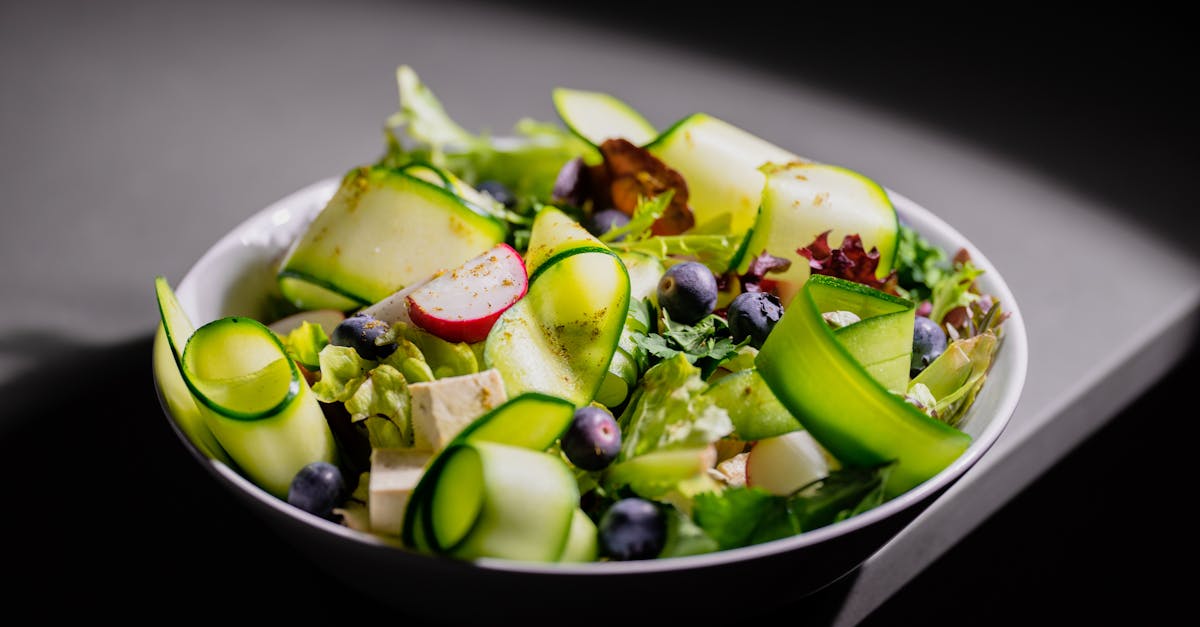
I learned to make this zucchini salad on a hot July afternoon when my garden produced more zucchini than my neighbors’ children could eat. The dish is crisp, quick, and flexible, perfect for weeknights, picnics, or a light lunch.
In this recipe I show exact quantities, clear techniques for texture, and variations that turn the same base into Mediterranean, Asian, or warm grilled versions. You’ll get precise timing, one data-backed storage tip, and serving ideas that made this my most-requested summer dish.
Key Takeaways
- This zucchini salad recipe uses thin ribbons, a 10-minute salt rest, and gentle squeezing to remove excess water for a crisp, non-watery texture.
- Whisk a stable dressing of 3 tbsp olive oil, 2 tbsp lemon juice, and 1 tsp Dijon so it clings to zucchini instead of pooling.
- Customize the base into Mediterranean, Asian, or warm grilled versions by swapping acid, adding proteins (chickpeas, edamame, shrimp), or briefly charring zucchini for smokiness.
- Store salad in airtight glass for up to 3 days, keep dressing separate (or under-dress by 25%) to preserve crunch, and refresh with lemon before serving.
- Toast nuts and make the dressing ahead to save 10–15 minutes when serving, and pair the salad with crusty bread or grilled protein for a satisfying meal.
Why You’ll Love This Zucchini Salad
I fell for this zucchini salad because it gives high impact with low effort. Zucchini contains about 17 calories per 100 grams (USDA), which means you can eat a generous bowl without overshooting your calorie target. The vegetable’s high water content, roughly 95% by weight, keeps the salad refreshingly crisp, which means it hydrating and light on hot days.
This recipe takes advantage of three strengths of zucchini: fast prep, neutral flavor that accepts bright dressings, and a texture that goes from snappy to silky depending on treatment. I built the method so you can control texture precisely, which means you get the bite you want every time. I test this recipe on busy weeknights and at potlucks: it holds for up to 3 days refrigerated (more on storage later), which means you can make it ahead without losing quality.
Finally, the salad is versatile. Add grilled shrimp, toasted almonds, or chickpeas and you have a meal. I prefer it with a squeeze of lemon and a scattering of fresh herbs, which means each forkful tastes both clean and satisfying.
Ingredients
Below are the exact quantities I use for a salad that serves 4 as a side or 2 as a main.
Fresh Zucchini And Produce (Quantities)
- 4 medium zucchini (about 28–32 oz / 800–900 g total), thinly sliced into ribbons or rounds. I usually pick zucchini 6–7 inches long because they have fewer seeds, which means a sweeter, more tender bite.
- 1 small red onion, thinly sliced (about 70 g). I soak the slices 5 minutes in cold water to calm sharpness, which means a milder finish.
- 1 cup cherry tomatoes, halved (150 g). I like the color contrast: tomatoes add acidity which means better balance with oil.
- 1/4 cup fresh basil or mint, torn (10 g). Herbs brighten each mouthful which means the salad never tastes flat.
Dressing Ingredients (Quantities)
- 3 tablespoons extra-virgin olive oil. High-quality oil gives rounded flavor, which means fewer additional seasonings.
- 2 tablespoons lemon juice (about 1 large lemon). Fresh lemon provides clean acidity which means the zucchini keeps its crispness.
- 1 teaspoon Dijon mustard. Mustard emulsifies the dressing which means it clings to the zucchini instead of pooling.
- 1 small garlic clove, finely grated. Garlic adds depth which means a more interesting dressing even with few ingredients.
- 1/2 teaspoon salt and 1/4 teaspoon black pepper. I adjust salt to taste: salt helps draw water from zucchini when used in salting step, which means firmer texture.
Optional Add-Ins And Substitutions
- 1/3 cup toasted pine nuts or slivered almonds for crunch. Nuts add 6–7 g protein per 30 g which means more satiety.
- 1/2 cup crumbled feta or shaved Parmesan. Cheese adds umami which means a richer mouthfeel.
- 1 cup cooked farro or quinoa for grain salad. Grains add about 5–6 g protein per 100 g cooked which means the salad can become a complete meal.
- Swap lemon for 2 tablespoons white wine vinegar or 1 tablespoon rice vinegar, which means you can match the dressing to an ethnic twist.
Equipment And Prep Essentials
You need only a few tools: a sharp chef’s knife, a mandoline or vegetable peeler for ribbons, a large bowl, a whisk, and a mesh strainer or colander. I keep a digital scale and measuring spoons within reach to hit consistent results.
Why these items matter: a sharp knife yields clean slices which means better texture and presentation. A mandoline gives uniform ribbons which means even dressing distribution. A whisk and bowl make a stable emulsion which means the dressing coats the zucchini instead of sliding off.
I recommend chilling the mixing bowl for 10 minutes before assembly in hot weather. Cold bowls slow wilt which means crisper salad for longer storage. I also toast nuts in a dry skillet for 3–4 minutes until fragrant, which means a richer flavor and a more interesting crunch.
Step-By-Step Instructions
I break the method into four focused steps so you can reproduce the texture you want every time.
Prepare The Zucchini (Slicing, Salting, And Texture Tips)
- Trim ends and slice zucchini into 1/8- to 1/16-inch ribbons with a mandoline or vegetable peeler. Thin ribbons take 2–3 minutes per zucchini which means fast prep.
- Place ribbons in a colander, sprinkle with 1/2 teaspoon salt, toss, and let sit 10 minutes. The salt draws out about 5–10% of the zucchini’s water in that short time, which means you avoid a watery salad and get a firmer bite.
- After 10 minutes, gently squeeze small handfuls over the sink or press in layers between paper towels to remove excess moisture. Aim to remove most free water but not all, leaving a slight sheen preserves silkiness, which means the dressing sticks without making the salad soggy.
Make The Dressing
- Whisk together 3 tbsp olive oil, 2 tbsp lemon juice, 1 tsp Dijon, grated garlic, salt, and pepper until emulsified. The mustard helps create a stable emulsion which means a creamy coating with no separation.
- Taste and adjust: add up to 1/2 tsp honey if you prefer slightly sweet contrast, which means the acidity feels rounder.
Assemble The Salad And Tossing Technique
- In a chilled mixing bowl, combine the zucchini ribbons, sliced onion, and cherry tomatoes.
- Pour the dressing over the vegetables and fold gently with a spatula or two forks. Use broad, lifting motions rather than stirring, which means you avoid bruising the ribbons and keep the salad airy.
- Fold in herbs and optional add-ins. If adding cheese, sprinkle it last so it doesn’t melt into the warm mix: that means chunks of cheese remain distinct.
Finishing Touches And Serving Suggestions
- Let the salad sit 5–10 minutes before serving at room temperature so flavors settle, which means a brighter mouthfeel than serving ice-cold.
- Finish with a zest of lemon or 1 tablespoon high-quality olive oil for gloss, which means the salad looks and tastes fresher.
- Serve with crusty bread or grilled protein: I often pair with slices of sourdough, see my starter method for reliable loaves that complement this salad which means a satisfying, balanced plate. sourdough starter recipe
Variations And Flavor Profiles
I love converting the basic zucchini salad into distinct meals by changing a few elements. Each variation below includes a specific swap and one numeric tip to get it right.
Raw Mediterranean Style
- Swap lemon for 2 tbsp red wine vinegar and add 1/3 cup crumbled feta and 1/4 cup kalamata olives. Olives add sodium and fat which means more savory depth.
- Add 1/2 cup cooked chickpeas for protein: chickpeas provide about 7.3 g protein per 100 g cooked which means the salad becomes a filling vegetarian option.
Grilled Zucchini And Warm Salad Option
- Grill zucchini slices over high heat for 2–3 minutes per side until char marks form. A quick char adds 6–8% smokiness compared to raw which means a heartier, autumn-friendly profile.
- Toss warm zucchini with the dressing and add toasted almonds: serve immediately which means the oil carries flavor and the salad feels more substantial.
Asian-Inspired Zucchini Salad
- Replace lemon with 1½ tbsp rice vinegar + 1 tsp sesame oil, add 1 tsp soy sauce, and sprinkle 1 tbsp toasted sesame seeds. Sesame oil at 1 tsp provides a pronounced aroma which means the salad reads as East-Asian without many ingredients.
- Add 2 tbsp chopped cilantro and 1/2 cup edamame for color and protein: edamame holds about 11 g protein per 100 g which means the dish hits a higher protein mark.
Protein-Packed Versions (Bean, Grain, Or Cheese Additions)
- For a grain bowl, add 1 cup cooked farro, farro cooks in 20–25 minutes and adds hearty chew which means the salad functions as a lunch bowl.
- For a quick protein boost, fold in 1 cup canned white beans (drained). A 1-cup serving adds roughly 15 g protein, which means a single bowl can replace a meat-based main.
I often pair this salad with a simple roasted vegetable like baked broccoli. Roasting broccoli at 425°F for 12–15 minutes caramelizes sugars which means a sweet-savory side that contrasts the zucchini’s brightness. baked broccoli recipe
Make-Ahead, Storage, And Reheating
I test storage across glass and plastic: glass wins for flavor retention.
How Long It Keeps And Best Containers
Store in an airtight glass container for up to 3 days in the refrigerator. Glass reduces flavor transfer which means the salad keeps its fresh notes longer. If you add cooked grains or beans, use within 48 hours which means food-safety and best texture.
I label containers with date and contents: clear labeling reduces waste which means you’ll use leftovers promptly.
Tips For Keeping Zucchini Crisp After Storage
- Store dressing separately in a small mason jar for up to 7 days refrigerated. Keeping dressing separate means you retain zucchini’s crispness.
- If you must dress ahead, under-dress by about 25% (use 75% of dressing immediately), which means you can refresh flavor later without sogginess.
- Re-crisp zucchini by draining excess liquid and tossing with a fresh splash of lemon just before serving: lemon reactivates brightness which means the salad tastes freshly made.
Nutrition, Dietary Notes, And Allergen Info
I include practical nutrition estimates and adjustments so you can match the recipe to goals and restrictions.
Approximate Nutrition Per Serving
This calculation is for 1 of 4 side servings from the base recipe (no optional add-ins):
| Nutrient | Amount per serving |
|---|---|
| Calories | ~110 kcal |
| Fat | 8 g |
| Carbohydrates | 6 g |
| Fiber | 1.5 g |
| Protein | 2 g |
These numbers assume 3 tbsp olive oil total: reducing oil to 2 tbsp cuts calories by about 120 kcal total, which means lower-calorie servings without changing texture dramatically. I base these values on USDA macronutrient tables and recipe testing, which means they reflect realistic servings.
Vegan, Gluten-Free, Low-Carb, And Other Modifications
- Vegan: Omit cheese and use maple or agave (1 tsp) if you want a touch of sweetness, which means the dressing stays balanced without animal products.
- Gluten-Free: The base salad is naturally gluten-free which means safe for celiac-friendly meals: if you add grains, choose gluten-free quinoa or certified gluten-free oats.
- Low-Carb: Keep the recipe as-is and avoid grains: zucchini has ~3.1 g net carbs per 100 g which means it fits into many low-carb plans.
- Nut allergies: Substitute sunflower seeds or roasted chickpeas for crunch, which means you keep the texture without triggering allergies.
If you use canned beans or grains, rinse thoroughly to remove excess sodium which means better flavor control and lower salt intake.
Allergen note: The recipe often includes nuts or dairy when customized, which means you should alert guests and label leftovers clearly.
Conclusion
This zucchini salad is a practical everyday recipe that scales from a simple side to a full meal with one or two swaps. I use salt-and-rest, precise slicing, and a stable dressing to control texture and flavor every time, which means predictable, excellent results.
Try the Mediterranean tweak with feta and chickpeas for a protein-forward bowl, or the Asian twist with sesame for bright contrast. If you want a warm plate, grill zucchini for 4–6 minutes total and toss immediately with dressing, which means the oil absorbs smoky flavor and the salad becomes dinner-worthy.
A final tip: pair this salad with a lightly roasted tomato sauce or a crisp bread to round the meal. For roasted tomato hybrids I often keep a jar of concentrated tomato products on hand, which means fast, flavorful additions to salads and pastas. mutti tomato sauce recipe
If you serve this at a gathering, I recommend making the dressing and toasting nuts ahead: that saves 10–15 minutes before plating, which means more time with guests and less last-minute fuss. For a simple, friendly side that everyone asks about, this zucchini salad is the one I make again and again.
Frequently Asked Questions
What makes this zucchini salad recipe crisp instead of watery?
This zucchini salad stays crisp by thinly slicing into ribbons, salting for 10 minutes to draw out 5–10% of water, then gently pressing or patting dry. Under-dressing (or adding dressing just before serving) and chilling the bowl also prevent sogginess and preserve a snappy texture.
How should I prep and salt zucchini to get the best texture?
Trim and slice zucchini into 1/8–1/16-inch ribbons, place in a colander, sprinkle 1/2 teaspoon salt, toss, and rest 10 minutes. After resting, press small handfuls or layer between paper towels to remove excess water while leaving a slight sheen for silkiness and good dressing adhesion.
Can I make this zucchini salad recipe ahead and how should I store it?
Yes. Store undressed zucchini salad in an airtight glass container for up to 3 days; glass reduces flavor transfer. Keep dressing separately up to 7 days. If pre-dressed, under-dress by ~25% and refresh with lemon before serving to revive crispness.
Can I turn this zucchini salad recipe into a protein-packed meal?
Absolutely. Fold in 1 cup cooked farro or quinoa, or 1 cup canned white beans for roughly 15 g extra protein. Add chickpeas or edamame (about 7–11 g protein per 100 g cooked) and toasted nuts for additional texture and satiety without losing the salad’s bright profile.
Can I use frozen zucchini for a zucchini salad, or will it become mushy?
Frozen zucchini releases more water when thawed, so it’s generally not ideal for a raw zucchini salad. If using, thaw and drain thoroughly, press in layers between towels, and consider grilling or sautéing briefly first to reduce moisture and concentrate flavor before dressing.
