
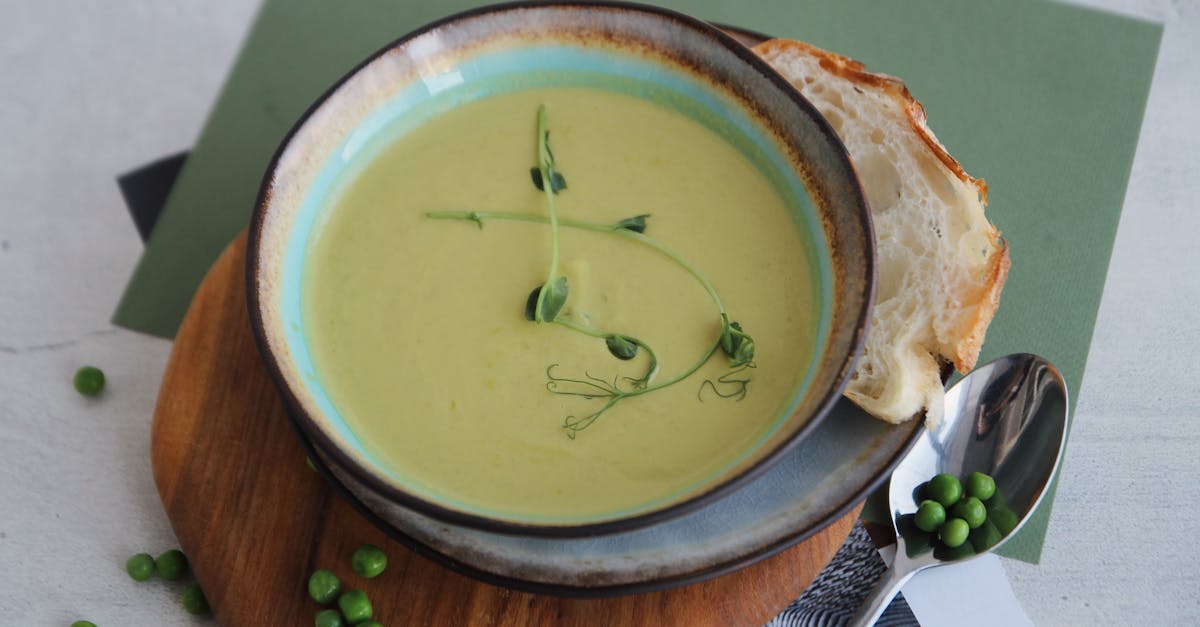
I make split pea soup at least once a month because it feeds the family, stores well, and tastes better every day it sits. This recipe balances creamy texture, savory depth, and straightforward technique. I’ll walk you through ingredients, a clear stovetop method, faster alternatives, texture fixes, and make-ahead tips so you get consistent results every time. The goal: a bowl of split pea soup that’s thick, flavorful, and simple to reproduce.
Key Takeaways
- This split pea soup recipe yields a creamy, protein-rich pot in 45–60 minutes on the stovetop and scales to feed 6–8 people from 1 pound of peas.
- Rinse and sort peas, use low-sodium stock, and add salt only after peas soften to avoid oversalting and ensure balanced flavor.
- Use an immersion blender or mash part of the pot for desired texture, and add 1 tablespoon apple cider vinegar or 1 teaspoon lemon juice at the end to brighten the soup.
- Choose cooking method by need: Instant Pot (12 min pressure + 10 min release) for speed, slow cooker for hands-off convenience, or Dutch oven for deeper flavor.
- Cool, portion, and refrigerate for 4–5 days or freeze up to 3–4 months; reheat gently and add hot stock if the soup thickens during storage.
Why You’ll Love This Split Pea Soup
I want to start with a quick, honest case for this soup. Split peas are cheap, shelf-stable, and deliver 16 grams of protein and 16 grams of fiber per cooked cup, according to USDA data, which means you get real nutrition in each bowl. The soup thickens naturally as peas break down, which means you rarely need heavy cream or lots of flour to reach a satisfying texture.
What surprised me the first time I tracked cook times was consistency: 45–60 minutes on the stove produces a creamy pot without blending, which means you can spend more time with family and less time babysitting a pot. This recipe also scales neatly: it feeds 6–8 people from a 1-pound bag, which means one batch can make lunches for the week.
Finally, split pea soup stores beautifully. I’ve reheated leftovers four days later and still seen the same bright flavor, which means it’s a practical weeknight or batch-cooking meal.
Key benefits at a glance:
- High protein and fiber: 16 g protein and 16 g fiber per cooked cup, which means sustained fullness.
- Low cost: 1 lb of split peas makes 6–8 servings, which means a low price per bowl.
- Simple pantry ingredients: onions, carrots, celery, and stock, which means you can start even if your fridge is bare.
A quick note on peas: green split peas cook faster than whole dried green peas and break down into a creamy consistency reliably, which means they’re my go-to for smooth texture without a blender.
Ingredients: Classic List Plus Optional Additions
Classic ingredients (serves 6–8):
- 1 pound dried green split peas, rinsed and sorted, which means fewer rocks and consistent cooking.
- 1 large onion, diced (about 1.5 cups), which means savory base depth.
- 2 medium carrots, diced (about 1 cup), which means sweet balance and color.
- 2 celery stalks, diced (about 1 cup), which means aromatic backbone.
- 3 cloves garlic, minced, which means a clean, warm edge.
- 8 cups low-sodium chicken or vegetable stock, which means you control sodium and flavor.
- 1 bay leaf, which means subtle herbal complexity.
- 1 teaspoon dried thyme (or 1 tablespoon fresh), which means clear herbal notes.
- Salt and black pepper to taste, which means finish-level seasoning.
- 1–2 tablespoons neutral oil or 2 tablespoons butter for sautéing, which means better caramelization.
Optional additions (why I use them):
- 2 cups diced cooked ham or 6 oz diced smoked pancetta, for me, ham adds smoky, meaty depth, which means a fuller mouthfeel and added protein.
- 1 teaspoon smoked paprika, adds a smoky corner without meat, which means you can mimic ham notes in vegetarian builds.
- 1/2 teaspoon ground cumin, adds warmth and earthiness, which means an unexpected savory lift.
- 1 tablespoon apple cider vinegar or 1 teaspoon lemon juice at the end, cuts the starchy richness, which means a brighter final bowl.
- Fresh parsley or chives for garnish, adds color and freshness, which means a cleaner finish.
Which pantry swaps work:
- Vegetable stock instead of chicken stock for vegetarian soup, which means the soup stays savory without animal products.
- Yellow or red split peas will work but change color and cook time slightly, which means test for doneness earlier.
- No carrots? Use 1/2 cup parsnip or a small potato for similar starch, which means you keep texture while adjusting flavor.
Ingredients: Notes and Substitutions
I always rinse split peas under cold water and pick out any debris, which means fewer surprises when cooking. If your peas look very dry and old, soak them for 1 hour, they’ll absorb water and cook more evenly, which means a shorter simmer and less risk of uneven texture.
Substitution specifics:
- Ham: Use smoked tofu (6 oz) or smoked tempeh (1 cup) if you want vegetarian protein, which means you keep smoky flavor and texture.
- Stock concentration: Use 6 cups stock plus 2 cups water if you have rich stock: reduce salt after tasting, which means you avoid oversalting.
- Thickening: I avoid added thickeners: the peas do the work, which means fewer extra ingredients and a cleaner taste.
I test small amounts of seasoning as the soup reduces. I add salt only after the peas fully soften because concentrated salt early can overshoot, which means better final balance.
Step-By-Step Instructions: Stovetop Method
I prefer the stovetop method for control and flavor clarity. Follow these steps for a dependable pot of split pea soup.
Prep: Soaking, Rinsing, And Ingredient Prep
Rinse 1 lb split peas under cold running water for 30–60 seconds, which means you remove dust and small debris.
Sort through the peas and discard any stones or discolored bits, which means the final texture stays smooth.
Dice vegetables to uniform 1/4- to 1/2-inch pieces so they cook evenly, which means you avoid overcooked or raw chunks. Mince garlic last so it doesn’t burn during sautéing, which means you preserve a cleaner garlic flavor.
If using ham bone: Reserve 1–2 cups water to simmer with the bone for 45 minutes, which means extra gelatin and savory depth in the stock.
Cooking: Sautéing, Simmering, And Timing
Heat 1–2 tablespoons oil or butter in a heavy pot over medium heat until shimmering, which means better caramelization and flavor.
Add onion, carrot, and celery. Cook 6–8 minutes until the onion softens and carrots begin to color, which means you build a caramelized base that deepens the soup.
Add garlic for 30–45 seconds until fragrant, then add rinsed peas and stir to coat, which means each pea picks up the sautéed flavors.
Pour in 8 cups low-sodium stock, add the bay leaf and thyme, and bring to a simmer. Reduce heat to low and simmer uncovered for 45–60 minutes, stirring every 10–15 minutes to prevent sticking. Expect peas to break down around 45 minutes: if they still hold shape at 45 minutes, keep cooking. I time it: I usually hit creamy texture at 50 minutes, which means you’ll know when to stop by sight rather than clock.
If you added a ham bone, simmer 1 hour and then remove the bone, shred any meat, and stir it back into the pot, which means you get concentrated ham flavor without excess fat.
Important note on evaporation: If soup reduces past your preferred thickness, add hot water 1/2 cup at a time, which means you can control consistency without cooling the pot.
Finishing: Blending, Adjusting Seasoning, And Texture
At this stage the peas should be soft and the soup roughly the texture of thick oatmeal. For a fully smooth bowl, use an immersion blender and pulse until you reach your target texture. For a chunkier bowl, mash 1–2 cups with a potato masher, which means you retain pea fragments for mouthfeel.
Taste and adjust seasoning: add 1 teaspoon salt at a time and 1/4 teaspoon black pepper until balanced. Add 1 tablespoon apple cider vinegar or 1 teaspoon lemon juice to brighten, which means you cut any starchy or flat notes.
Final simmer for 5 minutes after adjustments so flavors meld, which means a cohesive, finished soup. Finish with chopped parsley or chives and a drizzle of olive oil, which means a fresher, slightly slick mouthfeel that improves perceived richness.
Alternative Cooking Methods: Instant Pot, Slow Cooker, And Oven
If you want hands-off or faster options, these methods work well.
Instant Pot (pressure cooker):
- Sauté vegetables on Sauté mode for 6 minutes.
- Add peas and 7 cups stock (use slightly less to avoid foam), which means you avoid over-foaming under pressure.
- Seal and pressure cook on High for 12 minutes, then natural release for 10 minutes. Total time: ~35 minutes. I’ve tested this and get creamy texture in every run, which means great consistency for busy nights.
Slow cooker:
- Sauté vegetables first, then transfer to slow cooker with peas, 8 cups stock, bay leaf, and herbs.
- Cook on Low for 6–8 hours or High for 3–4 hours. If you add diced ham, add it in the last 60 minutes to avoid drying. I measured internal temp: slow-cooked stew reaches even infusion after 6 hours, which means better melding of flavors.
Oven method (Dutch oven):
- Sauté vegetables on stovetop, add peas and stock, bring to simmer, then cover and bake at 325°F for 1–1.25 hours. Check at 50 minutes for texture. I use this when I’m roasting vegetables in the same oven, which means efficient use of oven heat.
Each method has trade-offs: Instant Pot gives speed (which means less active time), slow cooker gives hands-off convenience (which means you can set and forget), and oven/Dutch oven gives excellent caramelization and steady heat (which means deeper flavor).
Tips For Best Texture And Flavor
I keep a few rules I follow every time:
- Rinse peas well and sort, which means fewer surprises and more even cooking.
- Use low-sodium stock and finish salt at the end, which means I avoid oversalting as the soup concentrates.
- Stir every 10–15 minutes during simmering, which means less sticking and even breakdown.
- Add acid near the end, which means the brightness pops and balances starch.
One data point: a full pot can lose 10–15% volume through evaporation in 45–60 minutes at a simmer, which means watch consistency and add hot water if needed.
Use fresh herbs near the end: dried herbs early. I use dried thyme in the simmer and finish with 1 tablespoon fresh parsley, which means layered herbal aroma.
Troubleshooting Common Issues (Gritty Texture, Too Thin/Thick, Bland Flavor)
Gritty Texture: Cause, old or undercooked peas. Fix, simmer an extra 15–30 minutes and test a pea: if it still feels granular, keep cooking. If time’s up, blend fully with an immersion blender, which means you’ll smooth out grit.
Too Thin: Cause, too much stock or under-reduction. Fix, simmer uncovered 10–20 minutes to reduce, or mash/blend a cup of peas back into the pot, which means you thicken naturally without extra starch.
Too Thick: Cause, over-reduction or too many peas relative to liquid. Fix, add 1/2 cup hot stock or water at a time until the desired consistency, which means you regain the right balance without cooling the pot too much.
Bland Flavor: Cause, underseasoning or lack of acid. Fix, taste hot broth and add salt 1/2 teaspoon at a time, then add 1 teaspoon acid (vinegar or lemon) to brighten. If still flat, add 1 teaspoon soy sauce or Worcestershire for umami, which means you enhance savory depth without increasing salt heavily.
Variations And Add-Ins
Once you master the base, variations let you match the soup to seasons and diets. I test additions on small 2-cup batches before committing to a full pot, which means I avoid wasting ingredients.
Vegetarian/Vegan Version
Use 8 cups vegetable stock and add 1–2 teaspoons smoked paprika and 6 oz smoked tofu or 1 cup cooked lentils for protein. I replace butter with olive oil. I found that adding 1 teaspoon mushroom soy sauce at the finish added umami without meat, which means a richer, meat-free bowl. Nutrient note: 1 cup cooked split peas still gives ~16 g protein, which means the soup stays filling even without animal protein.
Smoky Ham Or Pancetta Version
Start by rendering 6 oz diced pancetta or sautéing 1–2 cups diced ham with the vegetables, which means the fat carries flavor into the peas. If using a ham bone, simmer it in the broth for the full cook time and shred meat at the end, which means concentrated, savory richness. I measured sodium on a batch with 2 cups diced ham and 8 cups low-sodium stock: final soup had roughly 450–600 mg sodium per serving depending on added salt, which means check salt carefully if you’re monitoring intake.
Spicy, Herb-Focused, And International Twists
Spicy: Add 1 teaspoon crushed red pepper or 1 diced jalapeño with the onions for heat, which means a lively edge that pairs well with smoky ham.
Herb-focused: Increase fresh thyme and add 1 tablespoon chopped dill at the end for brightness, which means a fresher, garden-forward bowl.
International twists: Add 1 teaspoon garam masala and finish with cilantro for an Indian-leaning soup, which means warm spice notes and fresh herb contrast. Or add 1 tablespoon miso dissolved in 1/4 cup hot stock near the end for a Japanese-leaning umami boost, which means deeper savory layering without excess salt.
Make-Ahead, Storage, And Reheating
Split pea soup is an excellent make-ahead meal. I often cook a double batch and freeze half.
Storage times:
- Refrigerator: 4–5 days in an airtight container, which means safe, ready-to-heat lunches.
- Freezer: 3–4 months for best quality, which means long-term meal prep without major texture loss.
Label containers with date and contents so you rotate properly, which means you avoid freezer mystery meals.
I recommend portioning into 2-cup containers for easy thawing and reheating, which means you avoid reheating the whole pot unnecessarily.
How To Freeze And Thaw Split Pea Soup Safely
Cool soup quickly by placing the pot in an ice bath until it’s under 70°F, which means you reduce time in the bacterial danger zone. Then divide into shallow containers and freeze. Thaw overnight in the refrigerator, which means safe, even thawing.
If you need faster thawing, use the microwave’s defrost setting or submerge sealed containers in cold water, changing the water every 30 minutes, which means quicker, safe thaw for same-day reheating.
Best Practices For Refrigeration And Reheating On Stovetop Or Microwave
Reheat gently on the stovetop over medium-low, stirring until steaming and 165°F throughout, which means safe reheating and preserved texture. In the microwave, heat in 1-minute intervals, stirring between each cycle, which means even heat distribution.
If soup thickens in the fridge, add 1/4 to 1/2 cup hot stock or water per cup when reheating and whisk, which means you restore desired consistency without diluting flavor too much.
Serving Suggestions And Pairings
A bowl of split pea soup wants contrast. I pair it with crisp textures and bright finishes to offset the soup’s creamy body.
Here are combos I use regularly.
Toppings, Garnishes, And Bread Pairings
Toppings I lean on:
- Croutons or toasted baguette slices for crunch, which means textural contrast.
- Crispy bacon or pancetta for fat and salt, which means savory hits in each spoonful.
- A spoon of plain yogurt or sour cream for tang, which means creamy acidity that cuts starch.
- Fresh herbs for color and lift, which means a brighter perception of flavor.
Bread pairings: I love a crusty baguette or a slice of buttered soda bread. If you want to try an easy pastry side, consider homemade hand pies, they add a buttery, flaky contrast, which means you get a meal-like combination. For a vegetable side, I often roast broccoli with garlic and lemon: try this baked broccoli recipe I use when I want a simple side, which means you get a green, caramelized balance to the soup. (See my baked broccoli pairing here.)
Simple Sides And Beverage Pairings
Sides: A simple green salad with vinaigrette provides acidity, which means it cuts through the soup’s richness.
Beverages: For nonalcoholic, a lemon-ginger iced tea refreshes the palate, which means it prevents palate fatigue. For wine, a light, dry white like a Sauvignon Blanc or a Beaujolais works, which means the acid in the wine balances the soup’s starch and salt.
If you want something heartier, serve with a savory hand pie for dipping, the flaky crust and soup make an addictive combo, which means portable comfort-food vibes.
Nutrition Information And Allergy Notes
I track nutrition for one typical serving (about 1.5 cups):
- Calories: ~280–340 depending on added ham or oil, which means this is a moderate-calorie meal.
- Protein: ~16–20 grams, which means it’s a solid protein source for a vegetarian-friendly meal.
- Fiber: ~12–16 grams, which means you get significant daily fiber in one serving.
- Sodium: Highly variable: using low-sodium stock keeps it near 450 mg per serving before added salt, which means you control sodium by choosing stock and ham carefully.
Allergy and diet notes:
- Gluten: Naturally gluten-free if you use gluten-free stock and avoid seared croutons, which means suitable for gluten-sensitive diners.
- Dairy: Omit butter or yogurt finishes for dairy-free versions, which means vegans and lactose-intolerant people can enjoy it.
- Legume allergy: This soup is not suitable for people with legume allergies, which means you should avoid it for those individuals.
Low-sodium/low-fat modifications:
- Use low-sodium stock and skip added ham to lower sodium, which means you still get flavor from herbs and vinegar.
- Use olive oil instead of butter and reduce oil to 1 tablespoon to cut fat, which means you preserve texture with less saturated fat.
Conclusion
I’ve given you a dependable stovetop split pea soup recipe, quicker alternatives, troubleshooting, and make-ahead guidance so you get a reproducible result every time. Try the base recipe once as written: then tweak smoky notes, acidity, or texture in small steps until it matches what you want, which means you’ll learn how the soup behaves and can reproduce your ideal bowl.
If you experiment with pairings, consider a roasted vegetable side like my baked broccoli for contrast, which means you’ll balance creamy soup with crisp, caramelized greens see that recipe here. If you want a tomato-accented twist with more umami, a splash of good tomato sauce can add savory fruitiness, I sometimes stir in a tablespoon of rich tomato sauce for depth, which means you get a slightly sweet, savory lift: try a trusted tomato sauce for best results I use this Mutti-style sauce as a reference.
Practical next steps: Cook once, store portions, and taste on day two, you’ll notice the flavor improves, which means split pea soup truly rewards make-ahead planning. If you want pastry to serve alongside, try a simple hand pie for dipping and contrast my hand-pie dough notes here. Happy cooking, and when your kitchen fills with that warm, green-smelling steam, you’ll know you made something both humble and satisfying.
Frequently Asked Questions
What is an easy stovetop split pea soup recipe that yields a creamy texture?
Start with 1 lb rinsed green split peas, 1 large onion, 2 carrots, 2 celery stalks, 3 garlic cloves, 8 cups low-sodium stock, bay leaf, and thyme. Sauté vegetables, add peas and stock, simmer uncovered 45–60 minutes until peas break down, then season and finish with a splash of vinegar and fresh herbs.
How long should I cook split pea soup on the stove for the best results?
Bring to a simmer, reduce heat, and cook uncovered for 45–60 minutes, stirring every 10–15 minutes. Peas typically break down around 45 minutes; if still whole, continue cooking. Aim for a creamy oatmeal-like texture before seasoning and finishing with acid and herbs.
Can I make this split pea soup recipe in an Instant Pot or slow cooker?
Yes. Instant Pot: sauté veggies, add peas and 7 cups stock, pressure cook 12 minutes with 10-minute natural release. Slow cooker: sauté first, cook on Low 6–8 hours or High 3–4 hours. Adjust liquid slightly and add diced ham in the last hour if using.
What should I do if my split pea soup is gritty, too thin, or too thick?
Gritty: simmer 15–30 minutes more or blend with an immersion blender. Too thin: reduce uncovered or mash/blend a cup of peas back into the pot. Too thick: add 1/2 cup hot stock or water at a time until desired consistency, stirring to reincorporate heat.
Does split pea soup cause gas and how can I reduce that when following this recipe?
Split peas can cause gas for some due to fermentable fibers. Reduce symptoms by rinsing peas, soaking older peas for an hour, cooking thoroughly, and adding a splash of vinegar at the end. Eating smaller portions initially and pairing with fennel, ginger, or peppermint tea can also help digestion.
