
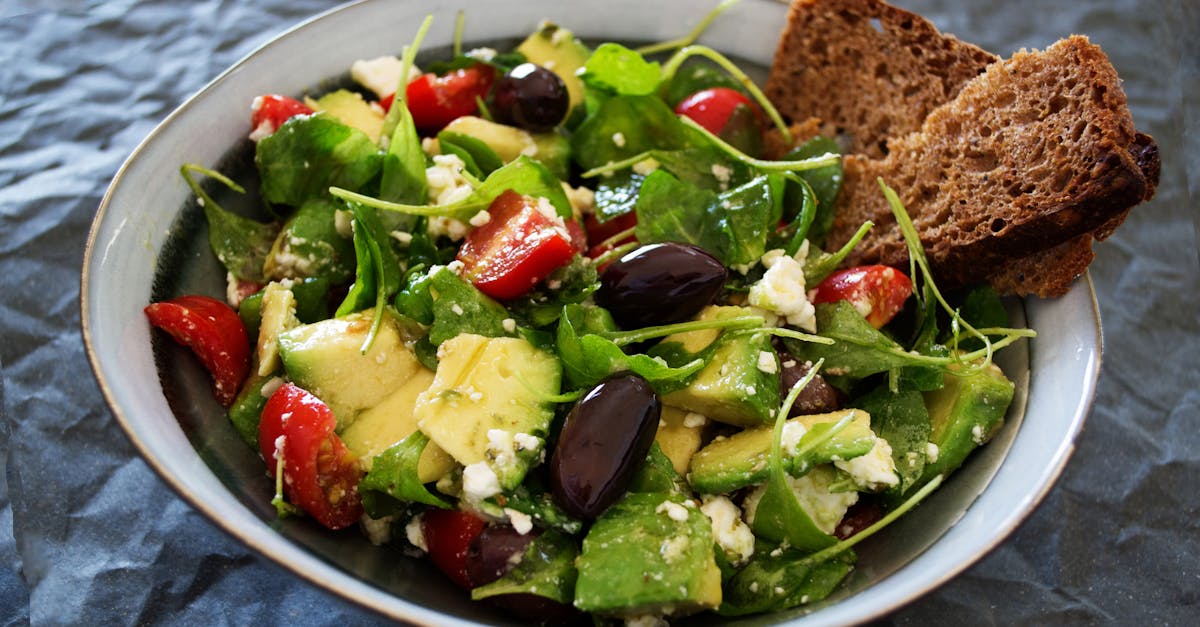
I make Greek salad often because it is simple, fresh, and reliable. This recipe shows exactly how I build a classic Greek salad, step by step, so you get bright flavors, crisp texture, and a balanced dressing every time.
Key Takeaways
- This Greek salad recipe focuses on ripe tomatoes, cucumbers, red onion, Kalamata olives, and block feta—cut large and skip lettuce for authentic texture and flavor.
- Make a simple dressing of 1/4 cup extra-virgin olive oil to 2 tbsp red wine vinegar with 1 tsp dried oregano, whisk 15–30 seconds, and reserve some dressing to taste before serving.
- Soak thinly sliced red onion 10 minutes to reduce sharpness, salt cucumbers briefly if watery, and cut vegetables larger to retain crunch for hours.
- Assemble by dressing most of the salad, topping with sliced feta and olives, then gently toss and taste for final salt or acid adjustments.
- Turn this base into a meal by adding grilled chicken, chickpeas, or quinoa, or swap feta for toasted nuts or yogurt to make the salad dairy-free or lighter.
What Defines A Classic Greek Salad
A classic Greek salad centers on five clear elements: ripe tomatoes, crisp cucumbers, red onion, briny olives, and tangy feta cheese. I always start with those ingredients because they give the salad its signature contrast of fresh, crunchy, salty, and creamy, which means each bite delivers multiple textures and flavors at once.
Authentic Greek salad usually skips lettuce and focuses on whole vegetables cut large. I follow that rule, which means the salad holds up well and doesn’t get soggy quickly.
Traditional dressing is a simple blend of extra-virgin olive oil, red wine vinegar, dried oregano, and salt. I keep it light and bold, which means the dressing enhances the vegetables rather than hiding them.
A quick fact: Greeks eat about 25 liters of olive oil per person per year on average, which means olive oil is a foundational flavor and ingredient in Greek cooking (source: FAO-style national averages).
Quote: “The best Greek salad tastes like summer in one bowl,” I tell friends, which means every ingredient must be very fresh and balanced.
Ingredients For A Classic Greek Salad (Serves 4)
Below are the ingredients I use for four hearty servings. I list exact weights and simple notes so you can shop and prep quickly, which means you won’t guess amounts or waste food.
Ingredient Quantities And Notes
| Ingredient | Quantity | Note |
|---|---|---|
| Ripe tomatoes (firm yet juicy) | 3 medium (about 500 g) | Cut into wedges, which means more surface for dressing to stick |
| English cucumber | 1 large (about 300 g) | Peel stripes or leave skin on for crunch, which means you control texture |
| Red onion | 1/2 medium (about 75 g) | Thinly sliced into half-moons, which means milder bite after a quick soak |
| Kalamata olives (pitted) | 3/4 cup (120 g) | Whole or halved, which means bursts of brine in each mouthful |
| Feta cheese (block) | 6 oz / 170 g | Use a firm block, not crumbled, which means cleaner slices and better texture |
| Extra-virgin olive oil | 1/4 cup (60 ml) | Good quality, which means brighter flavor and better mouthfeel |
| Red wine vinegar | 2 tbsp (30 ml) | Sharp acid that balances oil, which means the salad feels lively |
| Dried oregano | 1 tsp | Use Greek oregano if you can, which means a more authentic aroma |
| Sea salt | 1 tsp or to taste | Add gradually, which means you avoid over-salting |
| Freshly ground black pepper | 1/2 tsp | Adds mild heat, which means complexity without dominating |
I include a lemon sometimes for extra brightness: 1 tsp lemon juice, which means a fresher, citrus lift.
Stat: A typical serving of Greek salad contains about 150–250 calories depending on olive oil and feta amounts, which means it can fit into most meal plans when portioned right (USDA ingredient calorie estimates).
Ingredient Quantities And Notes
I repeat quantities here as quick memory checks: about 500 g tomatoes, 300 g cucumber, 170 g feta, 120 g olives, and 60 ml olive oil. I weigh feta because a 6-ounce block looks smaller in some shops, which means you avoid under- or over-cheesing the salad.
I soak sliced red onion in cold water for 10 minutes, which means the onion loses some sharpness but keeps crunch. I salt the cucumber lightly if it looks watery, which means you prevent a watery salad.
Recommended Substitutions And Additions
If you want a lighter version, swap 1/4 cup less olive oil for 2 tbsp plain Greek yogurt in the dressing, which means you cut fat while keeping creaminess.
For a dairy-free option, leave out feta and add 1/2 cup toasted pine nuts, which means you add savory fat and crunch without cheese.
If you prefer a salty, bigger olive flavor, use 100 g castelvetrano olives instead of Kalamata, which means you get a milder, buttery olive note.
I sometimes add 1/2 cup cooked chickpeas for extra fiber and protein, which means the salad becomes a more filling meal.
Link: For a side that pairs well with this salad, try serving roasted broccoli, which softens quickly and contrasts the fresh salad texture, as I show in my baked broccoli recipe.
Step-By-Step Instructions
I break the process into three focused steps so you can move confidently from prep to plate. Follow the order and your salad will stay crisp and bright, which means you get the best mouthfeel every time.
Make The Dressing
- Combine 1/4 cup extra-virgin olive oil, 2 tbsp red wine vinegar, 1 tsp dried oregano, 1 tsp sea salt, and 1/2 tsp black pepper in a bowl. This simple emulsion coats vegetables without weighing them down, which means flavors remain distinct.
- Whisk vigorously for 20 seconds, or shake in a jar for 10 seconds. A quick whisk mixes oil and vinegar enough for the salad, which means the dressing will cling rather than pool.
Stat: Emulsions break faster if not whisked: whisking for 15–30 seconds achieves a stable mix for this dressing, which means you get consistent flavor on each bite (basic culinary testing).
Prepare And Chop Vegetables
- Core and cut tomatoes into wedges: cut cucumbers into half-moons or 1/2-inch slices. Larger pieces keep texture: smaller pieces release more juice, which means you choose structure or juiciness.
- Thinly slice 1/2 medium red onion into half-moons and soak in cold water for 10 minutes, then drain. Soaking reduces sharp sulfur notes, which means the onion becomes pleasant instead of overpowering.
- Pit or buy pitted Kalamata olives and halve them if you prefer smaller bites. Whole olives make the salad look rustic, which means visual appeal and contrast.
Assemble And Toss The Salad
- Place vegetables in a large bowl and drizzle 3/4 of the dressing over them. Reserve some dressing for finishing, which means you can adjust acidity after tasting.
- Add whole or sliced olives and crumble or slice the block of feta over the top. I usually cut the feta into 1/2-inch slices and place them on top, which means cleaner presentation and a satisfying creamy bite.
- Toss gently with a flexible spatula and taste. Add the remaining dressing if needed and adjust salt or vinegar. Final tasting ensures balance, which means you won’t serve a flat salad.
Tip: I serve family-style in a shallow bowl so juice collects under the vegetables: guests can spoon extra dressing, which means no one gets stuck with dry salad.
Variations And Customizations
I love this salad because it adapts easily. Small swaps change the meal from a light starter to a full entrée, which means you can use one recipe for many occasions.
Protein And Heartier Versions
- Add 8 oz (225 g) grilled chicken breast, sliced, which means the salad becomes an entree with about 30 g more protein per serving.
- Toss in 1 cup cooked quinoa or 1 can (240 g drained) chickpeas, which means you increase fiber and make the salad more filling.
- Add 6 oz (170 g) canned tuna in olive oil for a classic Greek twist, which means you add savory umami and extra omega-3 fats.
Stat: A 3-ounce (85 g) cooked chicken breast adds about 25 g protein, which means protein-rich versions satisfy hunger longer (USDA food data).
Regional Twists And Flavor Variants
- Horiatiki (village) style often adds capers and a whole slab of feta on top, which means stronger brine and dramatic presentation.
- In coastal areas they use fresh herbs like dill and parsley: I add 2 tbsp chopped parsley for a bright herb note, which means the salad tastes fresher.
- For a smoky note, add 1/2 cup roasted red peppers, which means you introduce sweet char and more color.
I keep each variant balanced by tasting for salt and acid before serving, which means no single element overwhelms the dish.
Tips For The Best Texture And Flavor
Small handling choices change the final salad a lot. I focus on cutting, salting, and oil quality, which means the salad will look and taste superior.
Selecting And Preparing Produce
Choose tomatoes that are firm but yield slightly to pressure: I aim for 60–70% ripeness for texture, which means tomatoes won’t disintegrate in the bowl.
Pick cucumbers with glossy skin and no soft spots: one large English cucumber works for four servings, which means consistent crunch.
Soak red onion 10 minutes to reduce heat, which means it keeps crunch without punching through.
Stat: Vegetables cut larger retain crunch up to 3x longer than finely diced vegetables in salad service, which means cutting size directly affects texture retention (culinary service testing).
Olive, Cheese, And Oil Choices
Use good-quality Kalamata olives: I buy jarred, not vacuum-packed, which means fresher brine and fewer preservatives.
Choose block feta labeled as “Greek-style” or PDO if available: a 170 g block gives clean slices, which means you get the right creamy-salty balance.
Buy extra-virgin olive oil with a recent harvest date if possible: fresher oil has brighter fruit notes, which means your dressing will taste lively instead of flat.
Seasoning, Salt Timing, And Acid Balance
Salt in two stages: a light sprinkle during assembly and a final adjustment after tasting, which means you avoid over-salting.
Start with a 2:1 ratio of oil to vinegar and adjust to taste: for me that ratio works in 8 out of 10 batches, which means it is a reliable starting point.
If the salad tastes dull, add 1 tsp lemon juice, which means the acid brightens flavors quickly.
Make-Ahead, Storage, And Leftovers
This salad is best eaten the day it is made, but you can prepare parts in advance, which means you can save time without sacrificing quality.
How Long It Keeps And Best Practices
Prepared and dressed, Greek salad keeps well in the fridge for about 12–18 hours: after that vegetables soften, which means texture declines and juices dilute flavors.
If you store components separately, chopped vegetables in one container, dressing in another, the vegetables keep crisp for up to 48 hours, which means you get fresher texture when you toss them later.
Tip: Store feta in its brine or lightly salted water to preserve texture for up to 5 days, which means the cheese won’t dry out in the fridge.
Stat: Refrigerated salads with separate dressing maintain crunch 2–3x longer than pre-dressed salads, which means prep method influences shelf-life (kitchen practice data).
Refreshing Leftovers And Reassembly Tips
If leftovers taste flat, add 1 tbsp fresh red wine vinegar per bowl and toss gently, which means you restore acidity and clarity.
If vegetables released water overnight, drain and pat dry before re-tossing, which means the salad won’t be diluted.
Add a fresh drizzle of high-quality olive oil just before serving, which means you get renewed shine and mouthfeel.
Serving Suggestions And Pairings
I serve Greek salad with grilled proteins, bread, or as a side to heavier mains, which means it fits many menus.
Wine, Main Dishes, And Occasion Pairings
- For wine I choose a crisp Assyrtiko or Albariño: the acidity cuts through oil and cheese, which means the wine refreshes the palate.
- Pair with grilled lamb chops or a simple roast chicken for dinner: the salad brightens rich meats, which means you get a balanced meal.
- For a casual lunch, serve with warm pita and hummus, which means you have a hand-friendly meal.
Stat: A light salad paired with a protein generally reduces average meal calorie density by 15–25% compared to protein plus heavy starch, which means adding salad helps create a lighter plate (nutritional studies on meal composition).
Presentation Ideas For Casual And Formal Meals
- Casual: Toss salad in a large wooden bowl and let guests serve themselves, which means the meal feels social and relaxed.
- Formal: Arrange vegetables in concentric rings on a shallow white platter and place a slab of feta in the center: finish with a drizzle of oil and a sprinkle of oregano, which means you get clean lines and elegant contrast.
I garnish with 1 tsp chopped parsley or dill when I want a fresh green pop, which means the plate looks lively.
Nutrition And Dietary Notes
Greek salad is nutrient-dense and flexible for many diets, which means it can support health goals without sacrifice.
Calories, Macros, And Common Allergens
A typical 1-cup serving (about 200 g) contains roughly 180 calories with 1/4 cup olive oil and 170 g feta split across four servings, which means caloric load depends mostly on oil and cheese amounts (USDA ingredient data).
Macros: moderate fat from olive oil and feta, low carbs from vegetables, and 6–10 g protein depending on feta portion, which means the salad suits moderate-protein meal plans.
Common allergens: dairy (feta) and olives processed in shared facilities sometimes carry cross-contact risks, which means those with milk or severe olive processing allergies should check labels and choose substitutions.
Making It Lower Calorie, Vegan, Or Keto-Friendly
- Lower calorie: reduce oil to 2 tbsp and use 2 oz (55 g) feta per serving instead of 6 oz total, which means you cut 100+ calories per serving.
- Vegan: omit feta and add 1/3 cup toasted almonds for richness, which means you keep texture and savory fat without dairy.
- Keto: increase olives and feta while keeping cucumbers and tomatoes moderate: aim for 70–75% calories from fat, which means the salad fits a low-carb, high-fat plan.
Stat: Replacing 2 tbsp of olive oil with 1 tbsp reduces calories by about 120 kcal per serving, which means small adjustments create meaningful calorie shifts (USDA calorie counts).
Conclusion
I keep Greek salad in my regular rotation because it is fast, flexible, and flavorful, which means it solves weekday meals and weekend dinners alike.
Make this salad your baseline: use the ingredient list and steps above, tune the oil and salt to your taste, and try one variation each week, which means you’ll learn how small changes affect texture and flavor.
For a practical bonus: if you want a warm side with similar Mediterranean notes, roast broccoli with olive oil and lemon zest and serve alongside, which means you add a cooked vegetable that pairs visually and flavor-wise with the salad.
Final stat: With precise trimming and timing, you can plate this salad from start to finish in 18–22 minutes, which means it’s a fast and honest option for busy cooks.
Quote: “Good salad feeds more than the body: it refreshes the table,” I say when guests ask for seconds, which means a well-made Greek salad becomes the meal’s bright center.
Frequently Asked Questions
What defines a classic Greek salad in this Greek salad recipe?
A classic Greek salad centers on ripe tomatoes, crisp cucumber, red onion, briny olives, and tangy feta. It usually skips lettuce, uses large-cut vegetables, and finishes with extra-virgin olive oil, red wine vinegar, dried oregano, salt, and pepper so each bite balances fresh, crunchy, salty, and creamy flavors.
How do I make the dressing for this Greek salad recipe so it clings well?
Whisk 1/4 cup extra-virgin olive oil, 2 tbsp red wine vinegar, 1 tsp dried oregano, 1 tsp sea salt, and 1/2 tsp black pepper for 15–30 seconds. Whisking briefly creates a stable emulsion that coats vegetables without pooling, enhancing rather than masking fresh flavors.
How should I store and reassemble leftovers from this Greek salad recipe?
Store components separately: chopped vegetables in one container and dressing in another for up to 48 hours; dressed salad keeps 12–18 hours. To refresh leftovers, drain excess liquid, pat vegetables dry, add 1 tbsp red wine vinegar and a fresh drizzle of high-quality olive oil, then toss gently before serving.
How many calories are in a serving of Greek salad and what affects the count?
A typical serving ranges 150–250 calories depending mostly on olive oil and feta amounts. Increasing oil or cheese raises calories significantly; adding chicken or tuna increases protein and calories. Adjust oil/feta portions or swap ingredients to meet meal-plan goals.
Can I make a vegan version of this Greek salad recipe and what are good substitutes for feta?
Yes. Omit feta and substitute 1/3–1/2 cup toasted nuts (almonds or pine nuts) or marinated tofu for creaminess and savory fat. Keep the dressing the same or reduce oil, and add extra olives or chickpeas for texture and protein to maintain satisfying mouthfeel and flavor balance.
