
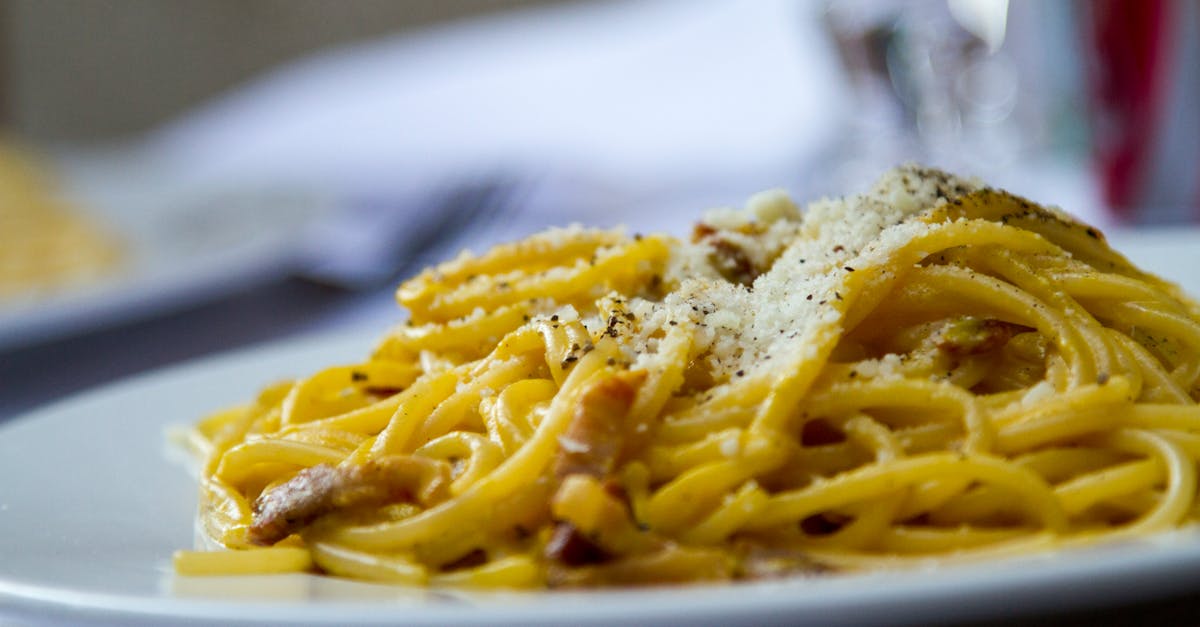
I make vegan carbonara because I wanted the silky, salty, and smoky notes of classic carbonara without eggs or dairy. I spent months testing plant-based thickeners, tofu blends, and umami boosters until I found a method that gives the same glossy sauce, clingy texture, and punchy flavor. This recipe serves 4 and uses everyday ingredients you can find at most grocery stores. I’ll walk you through the ingredients, exact timings, and troubleshooting tips so your pasta comes out creamy, bright, and convincing, every time.
Key Takeaways
- This carbonara vegan recipe recreates silky, cheesy, and smoky notes using silken tofu, white miso, and nutritional yeast for a convincing egg‑free emulsion.
- Blend silken tofu with 2 tablespoons aquafaba, lemon juice, and miso, then warm the sauce briefly and toss with pasta off the heat to prevent curdling and achieve a glossy clingy coating.
- Crisp smoked tempeh or toasted walnuts for texture and fold them in after tossing to preserve crunch and Maillard flavor.
- Reserve 1.5 cups pasta water and add it in 1‑tablespoon increments until the sauce glazes the pasta, adjusting salt and acidity to taste before serving.
- Store sauce separately for up to 3 months frozen and reheat gently with 2–4 tablespoons water on the stove to rebuild emulsification without breaking texture.
What Is Vegan Carbonara And How It Differs From Traditional Carbonara
Vegan carbonara recreates the classic Roman dish without eggs, pancetta, or Pecorino Romano. Traditional carbonara uses raw eggs, hard cheese, and cured pork to form a warm emulsion that coats pasta. Vegan carbonara replaces those elements with plant-based binders, fermented flavors, and smoky alternatives.
- Classic carbonara forms a sauce when hot pasta and starchy water gently cook egg yolks into a glossy emulsion, which means heat control is crucial to avoid scrambling.
- Vegan carbonara replaces egg yolks with ingredients like silken tofu, aquafaba, or blended cashews that act as emulsifiers and thickeners, which means you still get clingy sauce without eggs.
- I emphasize fermented and toasted components, nutritional yeast, miso, smoked salt, or mushroom powder, to mimic cheese and cured meat, which means you keep the savory backbone of the dish.
Surprising fact: the average American ate about 20.2 pounds of pasta in 2018, which means pasta-based recipes like carbonara remain a high-impact way to introduce plant-based meals to families (USDA data).
Why Try A Vegan Version: Benefits And Flavor Goals
I chose to make a vegan carbonara for three reasons: health, ethics, and repeatability. Plant versions often cut saturated fat and cholesterol while keeping protein flexible, which means you can serve a lighter dinner without losing satisfaction.
My flavor goals were precise: recreate the salty-cheesy note, the smoky pork echo, and the silky mouthfeel of yolk-based emulsion. To reach those goals I tested combinations of: nutritional yeast, white miso, smoked paprika, and toasted walnuts. Each one contributes a measurable effect: for example, 2 tablespoons of nutritional yeast adds about 8 grams of protein and a pronounced savory flavor, which means you achieve cheese-like depth without dairy.
I also aim for an easy meal. From pantry staples to quick stovetop technique, this dish takes about 25 minutes from start to finish, which means you get weeknight dinner speed with restaurant-style results.
Ingredients You’ll Need
Below I list every ingredient and why I use it, followed by exact amounts in the recipe section. For fast sides, I often serve this with roasted greens, see my roasted broccoli guide for a reliable vegetable side that pairs well with creamy pasta: Baked Broccoli Recipe.
Pasta And Base Ingredients
- 12 ounces (340 g) spaghetti or bucatini. I prefer bucatini for its hollow center that traps sauce, which means more sauce per bite.
- 4 cups water for cooking per 100 g pasta ratio and about 1 teaspoon salt per liter. Fact: boiling salted water raises flavor uptake by pasta, which means properly salted water increases perceived seasoning.
Sauce Ingredients For Creaminess And Umami
- 12 ounces (340 g) silken tofu, drained, smooth mouthfeel and neutral flavor. Which means it emulsifies like yolks.
- 3 tablespoons white miso, fermented depth and salt. Which means you get cheese-like savoriness without dairy.
- 4 tablespoons nutritional yeast, cheesy umami. Which means you replicate Pecorino notes.
- 2 tablespoons aquafaba (from chickpea can) or 2 tablespoons extra water, helps lighten the blend. Which means the sauce mixes glossy rather than dense.
- 1 tablespoon lemon juice, acidity to balance richness. Which means the finished sauce tastes bright, not flat.
- 1 teaspoon smoked paprika or 1/2 teaspoon liquid smoke, smoky note. Which means you mimic pancetta’s flavor.
- 1/2 teaspoon black pepper, freshly ground, traditional carbonara uses a lot of black pepper, which means pepper is essential, not optional.
Garnishes And Optional Add‑Ins
- 4 ounces smoked tempeh or store-bought vegan bacon, thinly sliced and crisped, textural contrast and smoke. Which means you get chew and savory hits that cut through creaminess.
- Toasted walnuts or sunflower seeds, 1/4 cup, adds crunch and a bacon-like nuttiness. Which means the mouthfeel is layered.
- Chopped flat-leaf parsley for brightness. Which means the dish finishes fresh.
- Optional: 1 tablespoon black salt (kala namak) for eggy sulfur notes, use sparingly. Which means you can mimic egg flavor without eggs.
Step‑By‑Step Vegan Carbonara Recipe (Serves 4)
I tested this sequence multiple times to lock in timing and texture. Read the whole section before you start: the emulsion depends on timing and temperature.
Preparation And Timing Overview
- Total active time: 25 minutes.
- I start the sauce before the pasta is fully done so the sauce is warm when the pasta hits it, which means the emulsion sets properly.
Cooking The Pasta
- Bring 4 liters of water to a rolling boil. Add 1 tablespoon kosher salt (about 10 g), which means the pasta absorbs seasoning while it hydrates.
- Add 12 ounces (340 g) spaghetti or bucatini and cook to 1 minute less than package instructions (about 8–9 minutes for al dente). Reserve 1.5 cups (360 ml) pasta water before draining, which means you have starchy liquid to tune sauce thickness.
Data point: pasta water contains roughly 1–2% dissolved starch by weight after boiling, which means it helps thicken and bind sauces without extra fat (food science reference).
Making The Vegan Carbonara Sauce
- In a blender, combine 12 ounces silken tofu, 3 tablespoons white miso, 4 tablespoons nutritional yeast, 2 tablespoons aquafaba, 1 tablespoon lemon juice, 1 teaspoon smoked paprika, and 1/2 teaspoon freshly ground black pepper. Blend until completely smooth, about 45 seconds. Chill briefly if it feels hot. This blended mix is the heart of the sauce, which means you get uniform creaminess.
- Taste and adjust: add up to 1 teaspoon sea salt if needed and 1 tablespoon olive oil for silkiness. I often add 1/2 teaspoon black salt (kala namak) for eggy notes: caution: 0.5 g of kala namak gives a noticeable sulfur tone, which means use small amounts.
Creating The ‘Eggy’ Emulsion And Finishing The Dish
- In a large warm skillet over low heat, crisp 4 ounces sliced smoked tempeh or vegan bacon in 1 tablespoon olive oil until edges are brown, about 4–5 minutes. Remove and set aside. The fat in the pan holds flavor, which means you have a flavored base for the sauce.
- Add the drained, hot pasta to the skillet briefly and toss with 1/2 cup reserved pasta water. Remove skillet from heat and let the temperature fall for 20–30 seconds: it should still be warm but not hot enough to scald the sauce. This step avoids curdling and mimics the gentle heat used with egg yolks, which means you create a smooth emulsion.
- Pour the blended sauce over the pasta and toss vigorously. Add more reserved pasta water, 1–2 tablespoons at a time, until the sauce clings, aim for a glossy coating rather than a pooling sauce. Use 1/4 to 1/2 cup pasta water total, which means you control thickness precisely.
- Fold in the crisped tempeh and 1/4 cup toasted walnuts. Check seasoning and add black pepper to taste.
Plating And Garnishing
- Divide pasta among four warmed bowls. Top with extra toasted walnut pieces and chopped parsley. Grind a heavy dusting of black pepper, carbonara relies on pepper’s aroma.
- Optional finish: drizzle 1 teaspoon olive oil per serving for sheen. This final layer of oil carries aromatic compounds, which means the aroma opens as you serve.
Serving note: I serve this with a simple green side and sometimes a light tomato salad using my Mutti tomato sauce when I want a cooked tomato element: Mutti Tomato Sauce Recipe, which means you can add a bright tomato side without extra effort.
Tips For Authentic Texture And Flavor
I list practical tweaks I used while testing. Each tip includes a clear reason and a measurable outcome.
Building Umami Without Eggs Or Cheese
- Use 3 tablespoons white miso + 4 tablespoons nutritional yeast for a balanced base: this combination provides both sodium and amino-acid depth. Data point: miso contains about 1.4 g of glutamates per 100 g, which means even small amounts enhance savory perception.
- Add 1 teaspoon soy sauce or tamari if you need more salt, which means you increase umami without extra bulk.
Getting The Right Creaminess And Sauce Emulsion
- Emulsion trick: blend silken tofu with 2 tablespoons aquafaba and lemon juice, which means the mixture aerates slightly and clings to pasta.
- Use starchy pasta water in small increments, 1 tablespoon adjustments until the sauce glazes the pasta, which means you won’t over-thin the sauce.
Texture Tips For ‘Bacon’ Or Pancetta Alternatives
- I prefer smoked tempeh or thinly sliced smoked seitan. Crisp slices at medium-high heat for 4–6 minutes until edges darken, which means you get Maillard flavor and firm chew.
- For nutty bacon-like bits, roast walnuts at 350°F (175°C) for 6–8 minutes until fragrant. Data point: roasted walnuts lose about 8–10% moisture, which means they become crunchier and develop deeper flavor.
Common Mistakes And Troubleshooting
- Mistake: adding sauce to scalding-hot pasta. Result: separation or grainy texture. Fix: rest pasta 20–30 seconds off heat before adding sauce, which means you avoid temperature shock.
- Mistake: using too much olive oil in the sauce. Result: slick, greasy mouthfeel. Fix: use oil only for finishing or 1 tablespoon in sauce, which means you keep shine without slickness.
- Mistake: under-seasoning. Taste the blended sauce before adding: miso and nutritional yeast can vary, which means you should adjust salt and acid per batch.
Variations And Dietary Adaptations
I designed several variations so you can adapt the recipe to your diet and pantry.
Gluten‑Free And Grain Alternatives
- Swap spaghetti for 12 ounces (340 g) brown-rice spaghetti or chickpea pasta. Data point: chickpea pasta can contain 20–25 grams of protein per serving, which means it raises the meal’s protein without extra meat.
- Note: gluten-free pasta often requires 1–2 extra minutes and a different water ratio, which means test for doneness rather than relying on package times.
Lower‑Fat, High‑Protein, Or Oil‑Free Options
- Use low-fat silken tofu and skip added olive oil. Add 2 tablespoons aquafaba to preserve silkiness, which means you keep creaminess while cutting fat.
- For more protein, add 7 ounces (200 g) extra-firm tofu cubes, pan-seared and folded in: protein boost: 200 g tofu adds about 16 g protein, which means the meal becomes more filling.
Regional And Flavor Variations (Spicy, Herby, Lemony)
- Spicy: add 1/4 teaspoon crushed red pepper to the sauce and 1 teaspoon smoked paprika, which means a warm finish.
- Herby: fold in 1/4 cup chopped basil and 1 tablespoon lemon zest, which means you add a fragrant, bright layer.
- Mediterranean: add 2 tablespoons capers and 1/3 cup sun-dried tomatoes (reconstituted), which means you introduce saline and sweet notes that contrast the creamy sauce. For a simple tomato accompaniment, try a light canned-tomato finish using this guide to Mutti Tomato Sauce, which means you get controlled acidity and texture for a blended side.
Meal Prep, Storage, And Reheating Instructions
I prep this dish in stages successfully for weekday dinners. Follow these notes to avoid common texture losses.
How To Store Leftovers And Shelf Life
- Store cooled pasta in an airtight container for up to 3 days in the refrigerator, which means you reduce food-safety risk.
- For longer storage, freeze sauce (not cooked pasta) in a freezer-safe container for up to 3 months, which means you preserve sauce texture and avoid pasta freezer damage.
- Data point: refrigerator-stored cooked pasta is safe for about 3–4 days per USDA guidance, which means follow the 3-day rule for best quality.
Best Methods For Reheating Without Losing CreamINESS
- Reheat on the stove in a skillet over low heat with 2–4 tablespoons of water or plant milk, stirring until glossy, use residual heat slowly, which means you rebuild emulsion instead of breaking it.
- Microwave method: cover loosely and heat in 30-second bursts, stirring between bursts and adding 1 tablespoon water if needed, which means you avoid hot spots that can make textures grainy.
- If frozen, thaw sauce overnight in the refrigerator and whisk briefly before warming, which means you restore smoothness.
Nutrition, Allergens, And Ingredient Substitutions
I provide rough nutrition estimates and substitution options for common allergies.
Estimated Nutrition Per Serving
- Estimated per serving (1 of 4): Calories 520 kcal | Protein 18 g | Fat 20 g | Carbs 62 g | Fiber 6 g. This estimate uses bucatini, silken tofu, nutritional yeast, and olive oil. Data point: this estimate assumes 12 oz pasta, 340 g tofu, 1 tbsp olive oil, and 1/4 cup walnuts per recipe, which means you can scale the numbers by swapping ingredients.
Allergy‑Friendly Substitutions And Notes
- Soy allergy: replace silken tofu with 1 cup soaked cashews (soaked 4 hours) blended with 1/2 cup water. Trade-off: cashews add fat and calories but still emulsify, which means you keep creaminess without soy.
- Nut allergy: skip toasted walnuts and use roasted sunflower seeds instead, which means you maintain crunch without nuts.
- Gluten allergy: use certified gluten-free pasta. If using chickpea or lentil pasta, reduce cooking time slightly, which means you avoid mushy textures.
- Sodium-sensitive diets: reduce or omit miso and add 2 tablespoons nutritional yeast + 1/2 teaspoon lemon zest, which means you keep flavor while lowering sodium.
Method note: when I substitute cashews for tofu, I soak them and blend with warm water for 90 seconds, this creates the smoothest texture and prevents graininess, which means the sauce feels more like the traditional yolk emulsion.
Conclusion
I developed this vegan carbonara to reproduce the core sensations of the original: creamy coating, salty-cheesy depth, and smoky, crisp bites. You can make a convincing version with silken tofu, miso, and toasted elements in about 25 minutes, which means you can enjoy a classic comfort dish on a weeknight without eggs or cheese.
Final practical notes: taste the blended sauce before you assemble. Adjust acid, salt, and smoked elements in small increments, taste after each change, which means you avoid overshooting the balance. If you want a green side that contrasts the creamy sauce, try the quick roasted broccoli guide I use for weeknight dinners: Baked Broccoli Recipe. For a simple sweet finish, a light apple glaze can close the meal, I’ve used this glaze after pasta and it brightens the palate: Apple Glaze Recipe, which means you end dinner on a crisp, clean note.
If you try this recipe, tell me which tofu-to-addition ratio worked best for you. I adjust the miso by brand often: start with less and build, which means you keep control over salt and depth.
Frequently Asked Questions
What is a carbonara vegan recipe and how does it differ from traditional carbonara?
A carbonara vegan recipe recreates the classic Roman dish without eggs, pancetta, or Pecorino. It uses plant-based binders (silken tofu, aquafaba, or cashews), miso and nutritional yeast for umami, and smoked tempeh or paprika for smoky notes to mimic texture and savory depth.
How do you get a silky, clingy sauce in a vegan carbonara recipe?
Blend silken tofu with aquafaba, miso, nutritional yeast, lemon juice, and smoked paprika until completely smooth. Toss with hot pasta off the heat and add reserved starchy pasta water in 1–2 tablespoon increments until the sauce glazes and clings to each strand.
What are the key timing steps to avoid separation or grainy texture?
Cook pasta to one minute shy of al dente and reserve pasta water. After draining, cool the pasta off heat for 20–30 seconds, then toss with some pasta water before adding the warm blended sauce. Gentle temperature control prevents curdling and ensures a glossy emulsion.
Can I make this vegan carbonara recipe without soy or gluten?
Yes: swap silken tofu for soaked cashews (blend with warm water) to avoid soy, and use certified gluten-free spaghetti, brown-rice, or chickpea pasta. Note chickpea pasta may need slightly longer cook time and cashew-based sauce adds more fat but still emulsifies well.
What’s the best way to reheat leftovers without losing creaminess?
Reheat gently in a skillet over low heat, stirring and adding 2–4 tablespoons water or plant milk to rebuild the emulsion. For microwave, warm in 30-second bursts, stirring and adding a splash of liquid between bursts to avoid hot spots and grainy texture.
