
Preparing your honeybee colonies for harsh winter months requires dense, reliable nutrition that mimics natural honey stores.
A properly balanced 2 to 1 bee syrup recipe delivers the heavy carbohydrate energy your hive needs without burdening them with excess moisture.
When autumn temperatures drop, honeybees must cure and store sugar syrup rapidly before clustering for the winter.
Feeding a concentrated two-to-one ratio allows worker bees to invert, cap, and store heavy syrup with minimal metabolic strain and negligible water evaporation.
This comprehensive guide walks you through the exact temperature-controlled method for preparing crystal-clear, shelf-stable fall bee syrup.
You will master the precise science of sucrose dissolution, eliminate toxic scorching risks, and produce a full gallon of premium bee feed in under 15 minutes.
| Detail | Info |
|---|---|
| Prep Time | 5 minutes |
| Cook Time | 10 minutes |
| Total Time | 15 minutes |
| Servings | 3.8 liters (1 gallon syrup) |
| Difficulty | Easy |
| Diet Tags | Plant-Based / Vegetarian / Dairy-Free / Nut-Free |
Why This Recipe Works
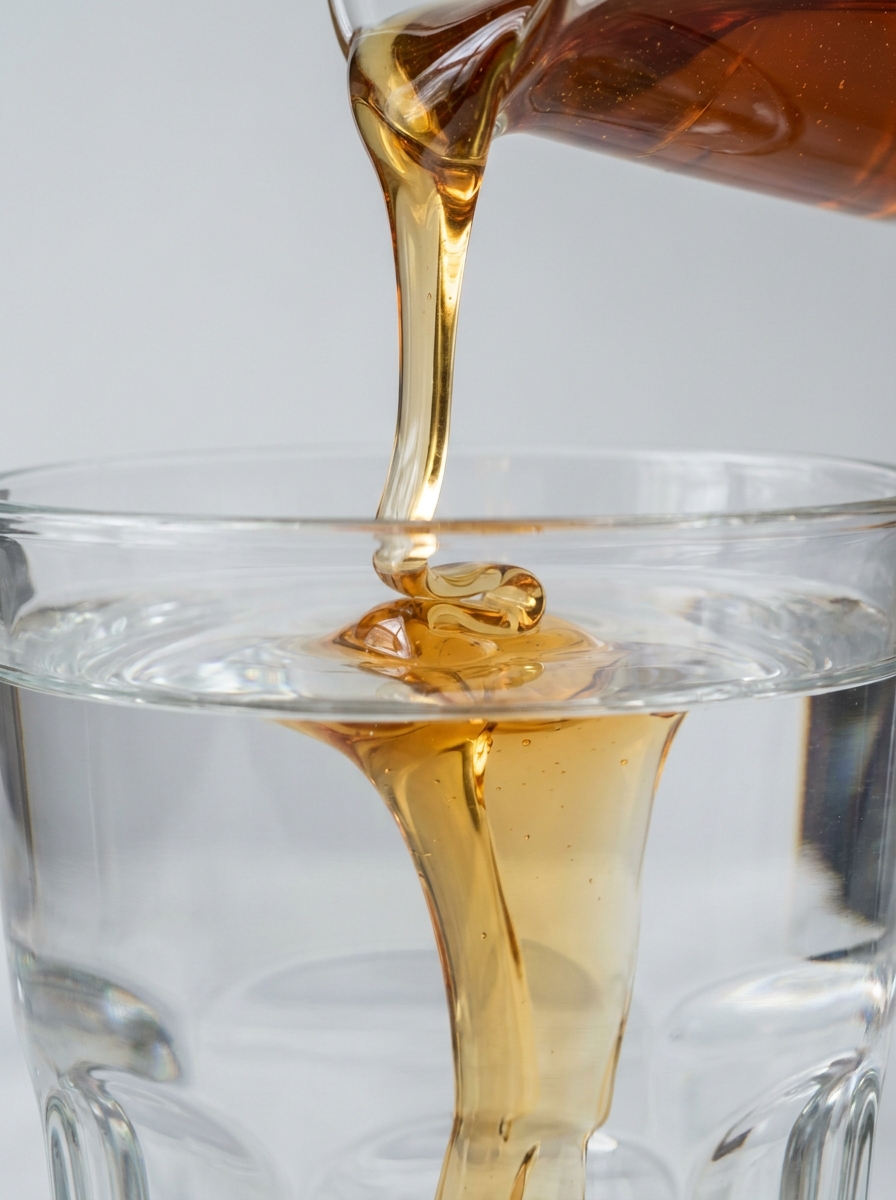
Sucrose solubility increases dramatically when water is heated above 80°C (176°F). This temperature allows two parts sugar to dissolve completely into one part water without recrystallizing upon cooling.
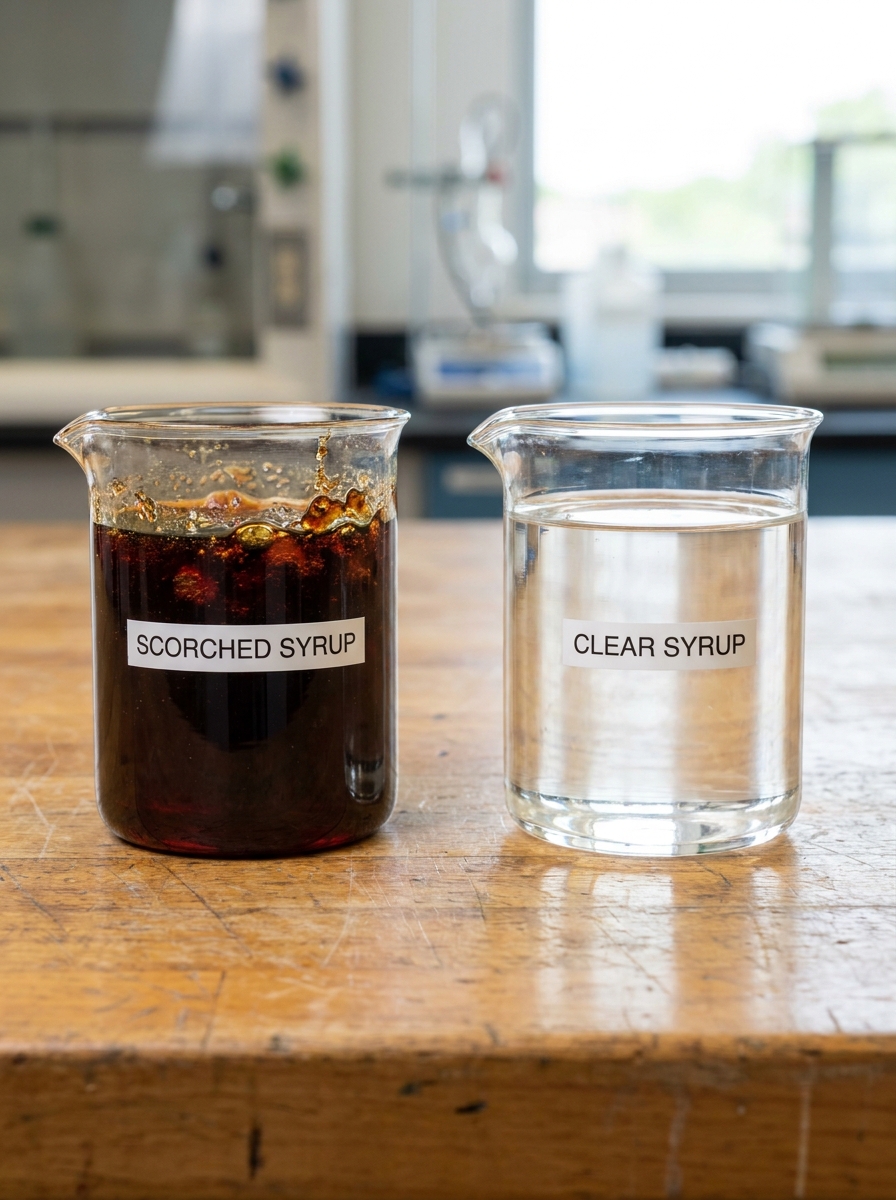
Applying indirect residual heat prevents the formation of hydroxymethylfurfural (HMF). HMF is a toxic chemical byproduct created when sugars scorch at high heat, which can be fatal to honeybees.
A dense 67 percent sugar concentration matches the thick consistency of ripe autumn nectar. This density saves the bees valuable flight energy and prevents high moisture buildup inside the winter hive.
Ingredients and Substitutions
Primary Syrup Base
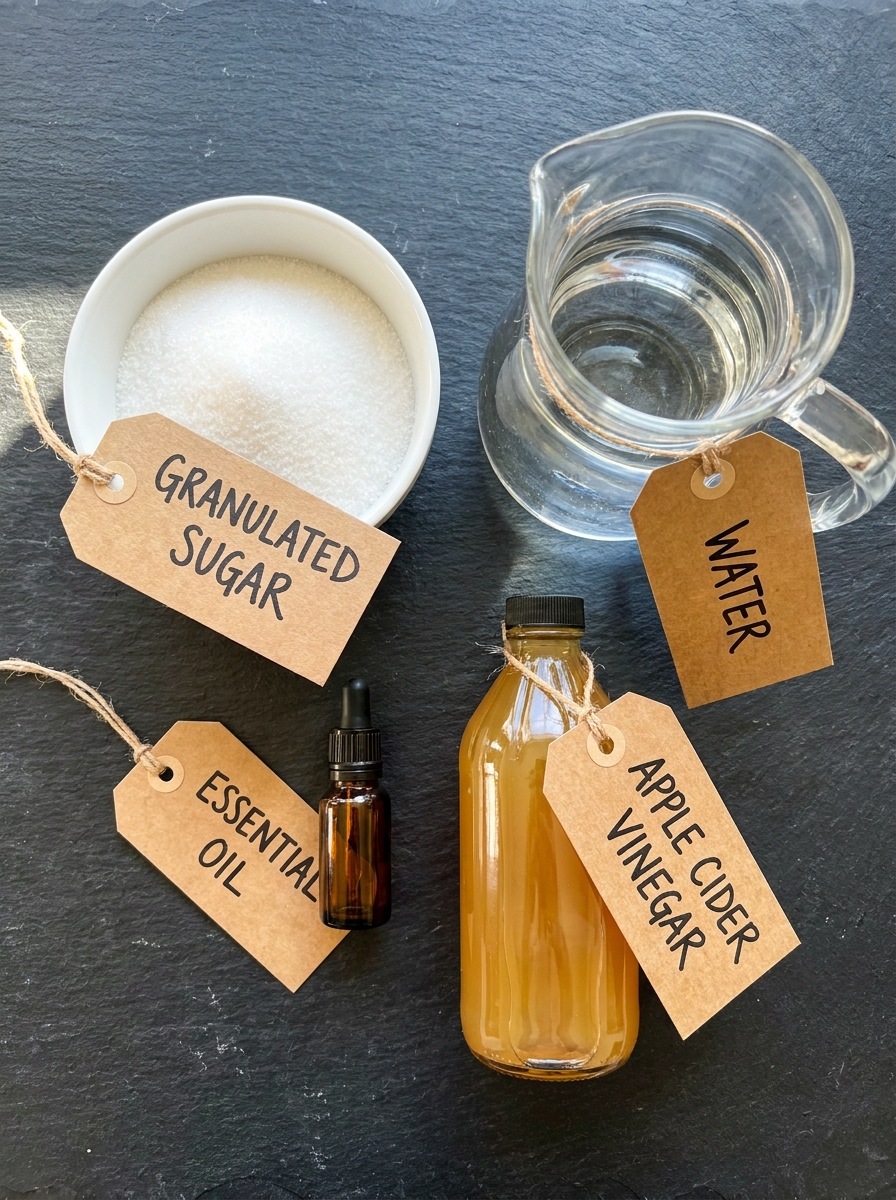
- Pure White Granulated Sugar: 3,628 grams [8.0 lbs / 18 cups] pure refined cane sugar or beet sugar (100% pure sucrose).
- Filtered Water: 1,814 milliliters [1.81 kg / 7.67 cups / 1.92 quarts] clean, chlorine-free drinking water.
Optional Natural Hive Enhancers
- Natural Feeding Stimulant: 5 milliliters [1 teaspoon] essential oil emulsion made with pure lemongrass and spearmint oils.
- Raw Organic Apple Cider Vinegar: 15 milliliters [1 tablespoon] to adjust the acidity closer to the natural pH of honey.
Ingredient Notes
Pure White Granulated Sugar
Always use standard white granulated table sugar sourced from pure cane or beet. This sugar is pure sucrose, which honeybees digest cleanly with zero digestive distress.
Never use raw sugar, brown sugar, turbinado, demerara, or molasses. These unrefined sugars contain complex starches, ash, and minerals that cause severe bee dysentery during winter confinement.
Never feed powdered confectioners sugar to bees. Powdered sugar contains added cornstarch to prevent caking, which bees cannot digest.
Never feed purchased commercial honey or old unknown honey back to your bees. Foreign honey can carry dormant bacterial spores of American Foulbrood, which can destroy an entire apiary.
Never use artificial sweeteners, corn syrup, or high-fructose corn syrup blends. These lack appropriate carbohydrate profiles and may contain chemical additives harmful to colonies.
Filtered Water
Use clean, fresh drinking water free of heavy sediment or harsh chlorine odors. If using municipal tap water, boil or filter it first to dissipate volatile chloramines.
Optional Acid and Essential Oil Additions
Adding a splash of raw apple cider vinegar lowers the syrup pH from roughly 7.0 down to 4.5. This matches the natural acidity of floral honey and helps suppress mold growth in external feeders.
Food-grade lemongrass oil acts as a powerful pheromone attractant that encourages fast uptake. Spearmint oil promotes calm feeding behavior while supporting healthy gut microbial balance.
Equipment Needed
- Large Stainless Steel Stockpot: 8 to 12 liter (8 to 12 quart) capacity with a heavy clad base for even heat distribution.
- Long-Handled Stainless Steel Spoon or Heat-Safe Whisk: Ideal for continuous stirring and lifting sugar crystals from the pot base.
- Instant-Read Digital Kitchen Thermometer: Essential for monitoring water temperature and preventing sugar scorching.
- Heat-Resistant Funnel: For mess-free pouring into clean storage jugs or hive feeders.
- Food-Grade Storage Buckets or Glass Jars: Clean, sanitized containers with airtight sealing lids.
- Alternative Equipment: A large food-grade five-gallon bucket paired with a clean cordless drill paint-mixer attachment works wonderfully for cold-water batch mixing.
Step-by-Step Instructions
- Measure your ingredients precisely by weight using a digital kitchen scale to guarantee an accurate two-to-one ratio.
- Pour the filtered water into a large stainless steel stockpot set over medium-high heat on your stovetop.
- Heat the water until it reaches a gentle simmer between 90°C and 95°C (194°F and 203°F).
- Extinguish the heat source completely before introducing any dry sugar into the hot liquid.
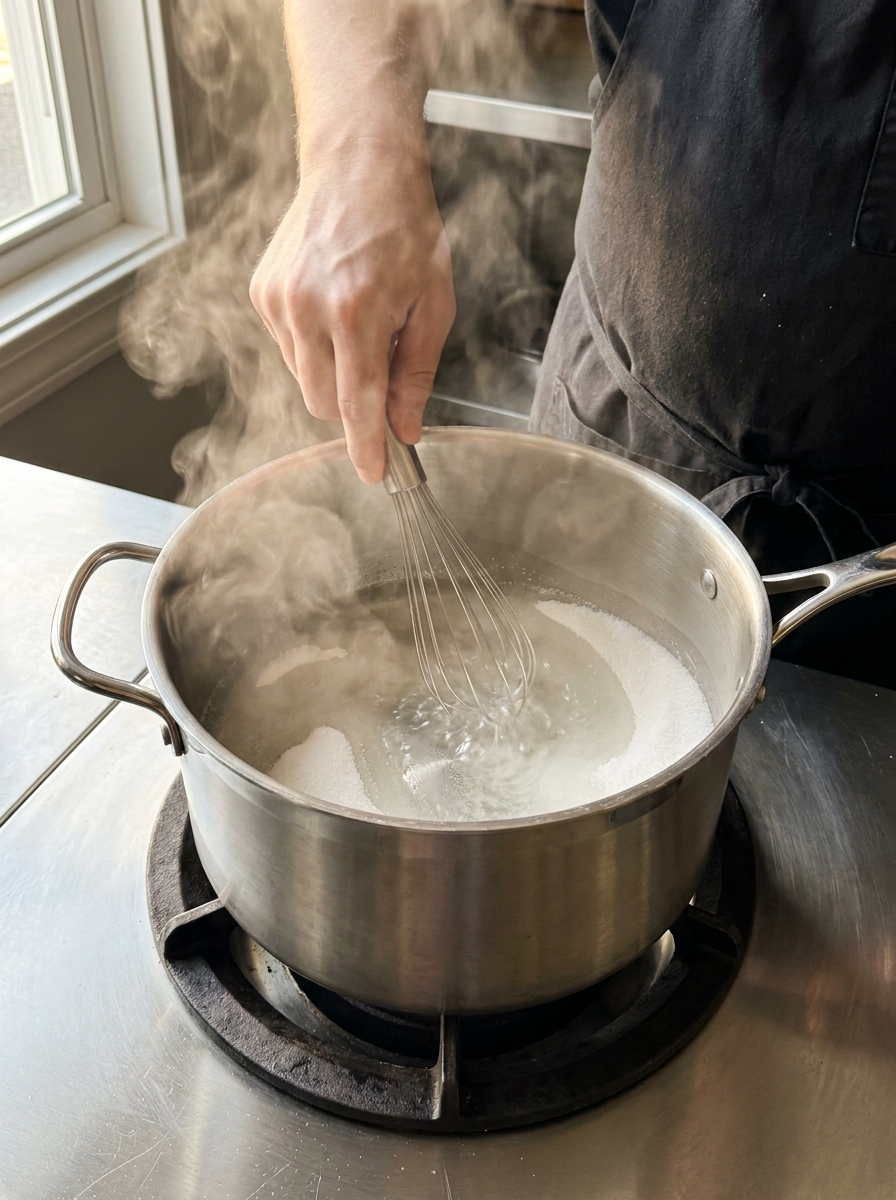
- Pour the white granulated sugar steadily into the hot water in three gradual additions.
- Stir the mixture continuously with your stainless steel spoon or whisk after each sugar addition.
- Dissolve all remaining sugar granules by agitating the bottom of the pot until the liquid turns completely transparent.
- Rest the syrup undisturbed in the pot for 10 to 15 minutes to allow any trapped air bubbles to rise and pop.
- Incorporate your optional apple cider vinegar or essential oil feeding stimulant once the liquid cools below 45°C (113°F).
- Cool the syrup to room temperature (21°C to 24°C / 70°F to 75°F) before transferring it into hive feeders.
Troubleshooting Guide
| Problem | Likely Cause | Solution |
|---|---|---|
| Sugar crystals settle at the bottom | Water was not warm enough or stirring ceased too early | Reheat the pot gently over low heat and whisk vigorously until fully clear. |
| Syrup turns yellow or light amber | Sugar was scorched over direct high heat | Discard this batch completely because toxic HMF has formed in the burned sugar. |
| Surface mold develops within 48 hours | Contaminated storage container or warm storage environment | Discard moldy syrup, sanitize containers thoroughly, and add apple cider vinegar to future batches. |
| Bees refuse to take the syrup | Syrup was fed too cold or hive feeder is positioned too far from the cluster | Warm syrup slightly to 25°C (77°F) and position top feeders directly above the brood cluster. |
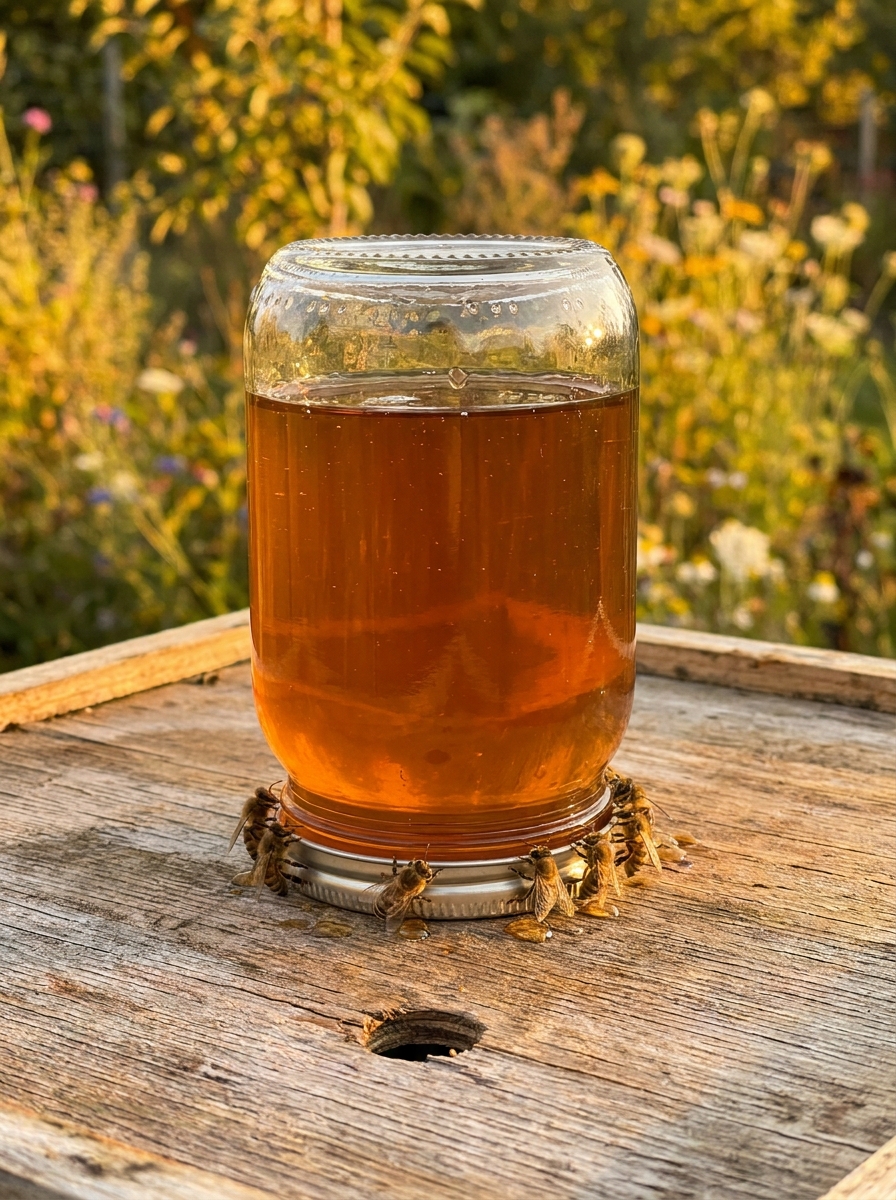
| Syrup leaks out of inverted jar feeders | Temperature fluctuations caused internal air expansion | Fill jars completely to the brim to eliminate air pockets before inverting over hives. |
Pro Tips for Best Results
- Turn off the flame before adding sugar: Never boil sugar water directly on an active burner, as direct heat quickly scorches sucrose crystals resting on the bottom.
- Feed while ambient temperatures permit: Bees take thick 2:1 syrup best when outdoor daytime temperatures remain above 10°C to 12°C (50°F to 54°F).
- Use internal feeder styles for fall: Top hive-top box feeders, rapid round feeders, or division board frame feeders keep the syrup warm and discourage opportunistic robber bees.
- Prevent robbing behavior: Always clean up any spilled syrup outside the hive immediately, and reduce hive entrances during feeding periods.
- Mix large batches with mechanical agitation: If preparing five gallons or more, heat your water separately in a kettle and mix the sugar in a food-grade bucket using a clean drill paddle.
Make-Ahead and Storage
Make-Ahead Options
You can prepare your fall bee syrup up to 2 weeks before your planned hive feeding schedule. Store the prepared syrup in a clean, shaded area until you are ready to fill hive feeders.
Storage
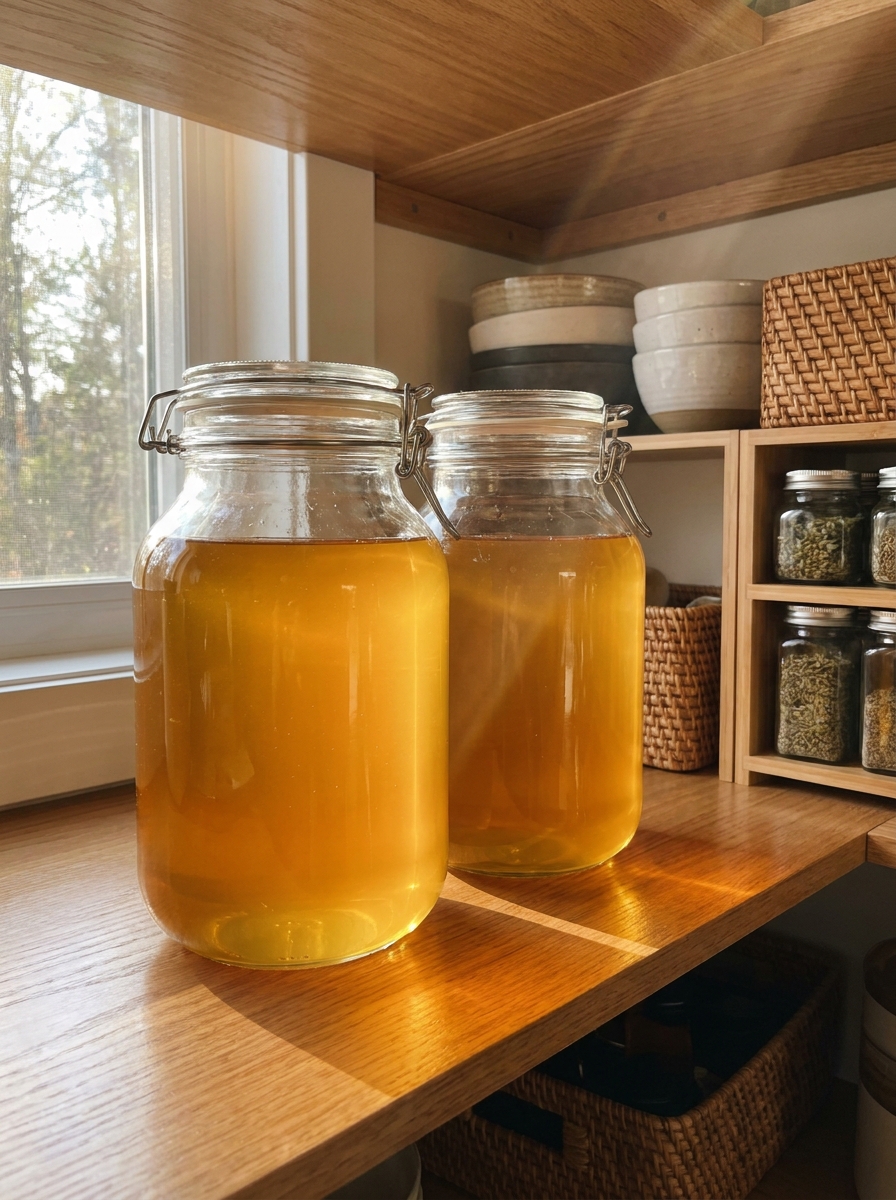
Store cooled syrup in thoroughly sanitized, food-grade plastic jugs or glass carboys sealed with airtight caps. Keep containers in a cool, dark pantry or basement between 10°C and 18°C (50°F and 64°F).
Add 15 ml (1 tablespoon) of apple cider vinegar or a splash of thymol solution per gallon to preserve freshness for up to 4 weeks without fermenting. If the syrup develops a sour fermented odor, cloudy sediment, or surface mold, discard it immediately.
Temperature Serving Guidelines
Never feed freezing cold syrup to honeybees during chilly autumn weather. Cold syrup chills the bee cluster and prevents worker bees from taking down food stores.
If your stored syrup is cold, place the sealed jug into a warm water bath until the liquid reaches 21°C to 27°C (70°F to 80°F) before pouring it into feeders.
Variations
Lemongrass and Spearmint Feeding Tonic
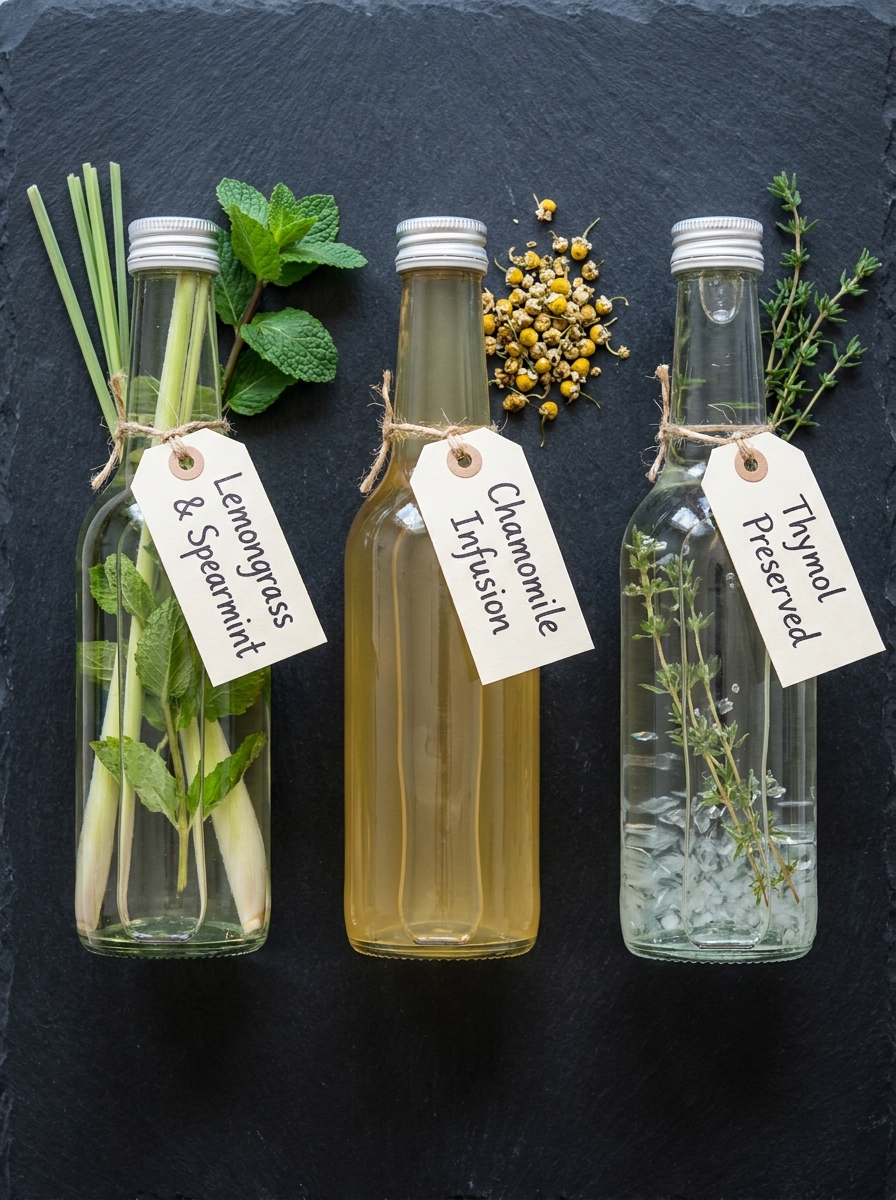
Add 5 ml (1 teaspoon) of pre-emulsified lemongrass and spearmint essential oil blend per gallon of finished syrup. This aromatic blend stimulates aggressive feeding, masks unfamiliar plastic feeder odors, and supports overall digestive vitality.
Herbal Chamomile Infusion Feed
Replace half of the plain filtered water with freshly brewed, strong chamomile tea made from pure dried chamomile flowers. Chamomile provides gentle bioflavonoids and helps calm hive stress during post-harvest inspections.
Natural Thymol Preserved Winter Syrup
Dissolve a micro-dose of pure culinary thyme extract or food-grade thymol crystals into your warm syrup batch. Thymol suppresses fungal spore germination and extends syrup feeder life in humid climates.
Frequently Asked Questions
What is the difference between 1:1 and 2:1 bee syrup?
A 1:1 syrup consists of equal parts sugar and water by weight and is fed during spring to stimulate brood rearing and wax comb production. A 2:1 syrup contains double the sugar content and is fed in autumn so bees can store heavy winter food reserves without introducing excess moisture into the hive.
Can I mix 2 to 1 bee syrup by volume instead of weight?
Yes, you can measure by volume using approximately 2 cups of white granulated sugar for every 1 cup of warm water. Measuring by weight on a digital kitchen scale is always recommended for maximum precision and perfect sugar saturation.
Why did my bee syrup turn cloudy after cooling?
Cloudy syrup typically indicates incomplete dissolution of tiny sugar crystals or natural micro-aeration caused by vigorous stirring. If the cloudiness persists alongside a sour yeast smell, the batch has fermented and must be discarded.
How late in the year can I feed 2 to 1 sugar syrup to my hives?
You should stop liquid feeding once daytime ambient temperatures drop consistently below 10°C (50°F). Below this temperature, bees cannot generate enough warmth to process liquid feed and you should switch to solid winter candy boards or fondant.
Will feeding 2:1 sugar syrup cause honey contamination?
Heavy sugar syrup should only be fed in late autumn after all commercial honey supers meant for human consumption have been harvested. The bees store this syrup exclusively in their brood chambers to sustain themselves through winter.
Conclusion
Mastering this concentrated 2 to 1 bee syrup recipe gives your colonies the resilient nutritional foundation they need to survive winter freezing cycles.
By controlling water temperatures and dissolving your pure cane sugar carefully, you provide clean, easily digestible fuel for the entire winter cluster.
Take time during your late summer and early autumn hive checks to evaluate your colony weight. A well-stocked double-deep hive typically needs 30 to 40 kilograms (70 to 90 pounds) of capped honey and heavy syrup before the first hard frost arrives.
Have you started mixing your fall feed for the apiary this season? Leave a comment below with your feeder preferences or share your favorite essential oil recipe adjustments.
2 To 1 Bee Syrup Recipe
Dense, shelf-stable fall sugar syrup formulated to build robust winter stores for honeybees.
- 3,628 grams [8.0 lbs / 18 cups] pure white granulated cane or beet sugar (100% sucrose)
- 1,814 milliliters [1.81 kg / 7.67 cups / 1.92 quarts] clean, filtered water
- 5 milliliters [1 teaspoon] natural lemongrass and spearmint feeding stimulant (optional)
- 15 milliliters [1 tablespoon] raw organic apple cider vinegar (optional for pH adjustment)
- Measure the granulated sugar and filtered water accurately using a digital kitchen scale.
- Heat the filtered water in a large stainless steel pot until it reaches a gentle simmer between 90°C and 95°C (194°F and 203°F).
- Turn off the heat source completely before adding any sugar to prevent crystal scorching.
- Add the white granulated sugar gradually in three equal parts into the hot water.
- Stir the liquid continuously with a stainless steel spoon or whisk until all sugar granules dissolve completely and the liquid is transparent.
- Rest the warm syrup for 10 to 15 minutes off the burner to allow surface bubbles to settle.
- Stir in the optional apple cider vinegar or essential oil stimulant once the syrup temperature cools below 45°C (113°F).
- Cool the mixture to room temperature (21°C to 24°C / 70°F to 75°F) before filling your clean hive feeders.
* Nutrition is estimated per 100ml syrup serving. Actual carbohydrate concentration is calibrated specifically for honeybee winter cluster feed.
