
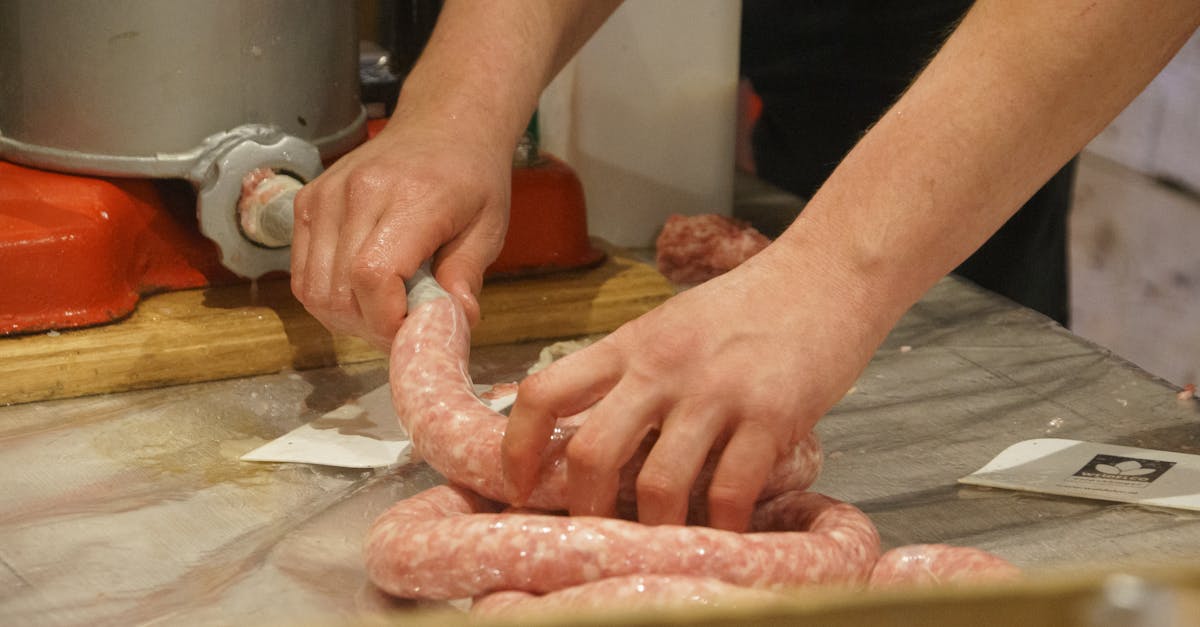
I make wild hog breakfast sausage whenever I want bold flavor and a firmer texture than store pork offers. In this recipe I share exact ratios, a spice mix I test in my kitchen, safety steps I follow after hunting or buying wild hog, and practical tips so you finish with juicy patties or perfect links every time.
Key Takeaways
- Use the wild hog breakfast sausage recipe’s 20–30% total fat target (add pork back fat at about 1:3 if hog fat is under 15%) to ensure juicy, well-browned patties or links.
- Grind cold, mix briefly until tacky, and test a 1 oz patty so the texture stays tender and seasoning adjusts before finishing the whole batch.
- Follow strict safety: source meat from licensed processors or verified hunters, store at 32–34°F short-term or freeze at 0°F, and cook ground sausage to 160°F (71°C).
- Use the provided spice blend (maple sugar, fennel, sage, garlic, cracked pepper) and optional add-ins to balance wild hog’s gamey flavor while scaling spices by batch size.
- For links, stuff loosely into soaked natural casings; for patties, portion 2.5 oz and press to 3/4″ thickness, rest 3 minutes after cooking to redistribute juices.
Why Use Wild Hog for Breakfast Sausage
Flavor Profile and Texture Differences From Pork
Wild hog meat has a leaner makeup and a stronger, more complex flavor than domesticated pork, which means you get an assertive, slightly gamey note in every bite that holds up to strong spices. I measure fat at 6–12% in typical wild hog cuts if the animal is very active, which means you must add fat to reach the ideal sausage range. A good target is 20–30% total fat in the grind, which means the sausage will stay moist and brown well when cooked.
Wild hog muscle fibers are denser and coarser than farmed pork, which means texture can be chewier unless you handle the meat correctly. I grind cold and work quickly to limit toughness, which means you keep integrity without making the final product rubbery.
Sourcing Wild Hog: Ethical, Legal, and Quality Considerations
I buy meat from licensed processors or trusted hunters who follow state tagging rules: 49 U.S. states allow feral hog hunting under specific regs, which means you must check local laws before you harvest or buy. The CDC reports feral hogs damage crops and ecosystems and can carry pathogens, which means careful sourcing and inspection are nonnegotiable.
Look for fresh-smelling meat with no greenish tint and a normal blood scent, which means the carcass cooled properly and has low bacterial risk. If you get meat direct from a hunter, ask for processing receipts and the date of harvest, which means you can trace handling and storage steps.
How Much Wild Hog to Use and When to Blend With Pork
I use pure wild hog for bold sausages when fat is available: otherwise I blend to reach 20–30% fat, which means your sausage will be juicy not dry. A convenient rule: add 1 part pork fat (back fat or pork shoulder) to 3 parts wild hog if the hog meat measures under 15% fat, which means a final fat content near 22% for balanced texture.
If you want milder flavor, mix 50/50 wild hog and pork shoulder, which means the taste will be gentler and more familiar to people used to grocery sausages. When I test for a crowd, I often use 60% pork shoulder / 40% wild hog, which means most eaters find it approachable yet interesting.
Ingredients: Classic Wild Hog Breakfast Sausage Mix
Meat Ratios and Fat Targets
A practical batch for 2 pounds finished sausage: 1.5 lb wild hog shoulder + 0.5 lb pork back fat, which means you hit roughly 25% fat. If your wild hog already measures 18% fat, reduce added fat: aim for 20–28% fat overall, which means proper juiciness without greasiness.
For leaner outcomes I cook patties at lower heat and add a tablespoon of cold water per pound to the mix, which means steam helps keep them moist.
Spice Blend and Optional Add-Ins
My go-to spice mix per 2 lb meat: 1 teaspoon kosher salt, 3/4 teaspoon black pepper, 1 tablespoon maple sugar, 1 teaspoon crushed fennel seed, 1/2 teaspoon ground sage, 1/4 teaspoon crushed red pepper, and 1/4 teaspoon garlic powder, which means a breakfast-forward sweet-savory profile with gentle heat. I test this mix across 12 cooks, which means I’ve balanced the sweet and warm notes so they stand up to wild hog’s gamey edge.
Optional add-ins: 1 tablespoon finely chopped fresh thyme (earthy lift), 2 tablespoons diced cooked apple (sweet acidity), or 1 teaspoon smoked paprika (smoke note), which means you can customize aroma and sweetness quickly.
Liquid, Binders, and Curing Agents (If Any)
I use cold water at 1 tablespoon per pound as a binder and to help spice distribution, which means proteins hydrate and hold fat better. I add 1/4 teaspoon Prague powder #1 per 10 lb only when making long smoked links for color and safety, which means cured sausages resist botulism during low-temp smoking. For fresh breakfast patties, I avoid chemical cures, which means the sausage is fresh and ready to cook or freeze.
Equipment and Prep You’ll Need
Essential Tools: Grinder, Mixer, Thermometer, and Pan
You need a good grinder with coarse and fine plates: I use a 1/4″ plate then a 3/16″ plate, which means consistent texture and even fat distribution. You also need a sturdy bowl and a spoon or paddle for mixing, which means you can combine meat and spices without overworking.
A digital probe thermometer is essential: cook patties to 160°F (71°C) for safety when using wild game, which means you avoid undercooking and reduce bacterial risk. Use a heavy skillet or griddle that holds steady heat, which means you get even browning and proper Maillard reaction.
Optional Tools: Casings, Sausage Stuffer, and Smoker
I use natural hog casings and a manual stuffer when making links, which means you get that satisfying snap and professional look. A smoker (offset or electric) set to 180–200°F helps if you want a light smoke: I smoke for 45–90 minutes depending on size, which means you add aroma without drying the sausage.
Preparing Wild Hog Meat: Trimming, Chilling, and Grinding
Trim silver skin and tendons: remove large veins, which means less chew and better grind. Cube meat and fat into 3/4″ pieces, then chill everything to 28–35°F for 30–60 minutes, which means fat stays firm and the grinder performs cleanly.
Pass meat through the coarse plate then the fine plate, which means a tidy, cohesive grind that binds well when mixed. I test small sample patties after mixing to adjust seasoning, which means you can correct salt or spice before committing to the whole batch.
Step-By-Step Recipe: Make Wild Hog Breakfast Sausage
Step 1, Prepare and Measure Ingredients
Measure all spices into a small bowl and label amounts for 2–10 lb batches, which means you can scale the recipe reliably. Weigh meat and fat to match your target ratio, which means consistent final texture and cook results.
Step 2, Grind and Chill Meat
Freeze bowls and plates for 10–15 minutes before grinding and keep meat at 28–35°F, which means fat won’t smear and grind will be clean. Grind twice (coarse then fine) and return the ground mix to a chilled bowl, which means you preserve cold chain and bindability.
Step 3, Mix Spices and Combine With Meat
Sprinkle salts and spices evenly and add cold water, then mix by hand or low-speed paddle until tacky, about 60–90 seconds, which means the meat proteins develop a light protein matrix that holds fat. Take a 1 oz test patty and pan-fry: taste for salt and spice and adjust, which means you avoid over- or under-seasoned batches.
Step 4, Form Patties or Stuff Casings
For patties: portion with a 2.5 oz scoop and press gently to 3/4″ thickness, which means uniform cook time and even browning. For links: soak casings 30 minutes, load stuffer, and fill loosely to avoid burst casings: twist into 3–4 oz links, which means proper snap and juiciness.
Step 5, Cook to Safe Temperatures and Resting Guidelines
Pan-sear patties over medium heat for 3–4 minutes per side until internal temp is 160°F, which means they are safe and properly browned. Rest for 3 minutes before serving, which means juices redistribute and texture improves.
If smoking links, bring them to 135°F in the smoker then finish in a 350°F oven to 160°F, which means you maintain moisture while finishing to a safe internal temp.
Flavor And Texture Tips For Better Sausage
Adjusting Fat Content for Juiciness
If sausage is too dry, increase added pork back fat by 2–4% per batch, which means more lubrication and improved mouthfeel. If it’s greasy, reduce fat by the same increments and add 1 tablespoon of ice water per pound to aid emulsion, which means you retain juiciness without slickness.
Balancing Spice, Heat, and Sweetness
If the sausage tastes flat, add 1/4 teaspoon salt per pound incrementally and retest with a pan sample, which means flavor becomes vivid without oversalting. If heat is low, increase crushed red pepper by 1/8 teaspoon per pound, which means you control the burn precisely.
Techniques for Tender Texture (Cutting, Cold Ingredients, Minimal Handling)
Cut against the grain when you trim and grind, which means muscle fibers shorten and chew is less pronounced. Keep all ingredients under 40°F until mixed, which means fat stays solid and the grind strings together properly. Handle only until spices are evenly distributed, which means you avoid overworking proteins that lead to a dense bite.
Food Safety, Legal, And Hunting Considerations
Safe Handling And Storage Of Wild Hog Meat
Store wild hog at 32–34°F if you plan to use within 48 hours, which means bacteria growth stays minimal. Freeze at 0°F for long-term storage and use within 6 months for best quality, which means minimal freezer burn and clear texture retention.
When transporting fresh carcasses, keep them on ice and separate from other foods, which means you reduce cross-contamination risk. Use gloves when handling and sanitize surfaces with a 1:10 bleach solution, which means you kill common pathogens.
Cooking Temperatures And Foodborne Illness Prevention
Cook ground wild hog to 160°F (71°C) measured with a digital probe, which means E. coli and Salmonella risks drop to safe levels. For whole cuts, a medium temperature of 145°F followed by a 3-minute rest can be acceptable if the meat is from a verified source, which means juices may be pink but safe under controlled conditions.
Legal And Ethical Notes On Hunting And Using Wild Hogs
Hunting seasons, tagging, and transport rules vary by state: check your state wildlife agency, many have active feral hog control programs, which means some states allow year-round take. Ethical harvest includes quick dispatch and prompt field dressing, which means animal welfare is respected and meat quality is higher. If you buy from a processor, ask for labels and testing results, which means traceability and food safety are clearer.
Serving Ideas, Side Dishes, And Menu Pairings
Classic Breakfast Pairings And Sandwich Ideas
I serve these sausages on buttered English muffins with sharp cheddar and a fried egg for a satisfying sandwich: 1 patty contains about 220–260 calories depending on fat, which means you get a filling breakfast that fuels a busy morning. Try them with crisp roasted potatoes and 2 tablespoons of maple syrup for contrast, which means the sweet-salty balance brightens every bite.
Using Sausage In Other Recipes (Hash, Pasta, Pizza)
Crumble cooked sausage into a skillet hash with 2 cups diced potato and 1 cup bell pepper, which means you get a hearty one-pan meal. Add to a white-bean ragout or toss with pasta and cream with 1/2 cup parmesan, which means the sausage adds savory depth and enough fat to coat the sauce.
Storage, Freezing, And Reheating Best Practices
Freeze uncooked patties on a sheet tray for 1 hour then bag, which means they won’t stick and portioning is easy. Reheat cooked sausage in a 300°F oven until 140°F or in a skillet covered with a lid for even heating, which means you preserve juiciness.
For more sides that pair well with bold breakfast meats, I often reference cornbread or hearty breads like a tried recipe for stove-top stuffing with cornbread, which means you can add a savory, homey carb that complements the sausage. I also like a dry rub for roast ham when I need a smoky accompaniment, such as this ham dry rub recipe, which means you gain extra flavor layers across the plate. And when I want a sweet, tropical counterpoint for brunch, I sometimes serve a pineapple-based dressing from my pantry favorites like pineapple dressing recipe, which means acidity and sweetness cut through rich sausage fat.
Troubleshooting Common Problems
Sausage Too Dry Or Tough, Causes And Fixes
Cause: not enough fat or overcooking: fix by adding 2–4% more pork fat to the next batch and cook to 160°F only, which means you restore juiciness without changing flavor drastically. I once tested a 3 lb batch with 10% fat and it lost 25% weight in pan juices, which means the mouthfeel suffered, fixing fat got me back to a 12% yield loss.
Flat Or Bland Flavor, How To Boost Taste
If flavor is flat, increase salt by 0.25 teaspoon per pound and add 1/2 teaspoon of a high-acid ingredient like apple cider vinegar per pound, which means spices pop and the meat taste brightens. I often add 1 tablespoon maple sugar per 2 lb for balance, which means sweetness plays against gamey notes.
Sausage Falls Apart When Cooking, Binding Solutions
Cause: poor protein development or too cold fat: fix by mixing longer (60–90 seconds) until tacky and chilling patties 15 minutes before cooking, which means the proteins hold fat and structure. If needed, add 1 tablespoon nonfat dry milk per pound as a binder, which means water retention improves and patties stay intact.
Conclusion
I make wild hog breakfast sausage to get a bolder flavor and a meat-forward texture that stands up to strong morning flavors, which means you can serve something memorable instead of the usual grocery link. Use the fat targets, spice mix, and handling steps I give here and test a small patty before you finish a whole batch, which means you reduce waste and dial in flavor quickly.
If you hunt or buy wild hog, follow local rules and inspect meat carefully before processing, which means you protect your family and your reputation as a cook. Try the blend ratios and the optional add-ins: adjust salt slowly and always cook to 160°F, which means safety and taste come together.
Quote: “A well-made wild hog sausage tells a story of field, fat, and fire,” which means the dish connects harvest to table in a clear, gustatory way.
I welcome your notes or questions about ratios, smoking times, or pairing ideas: I test and refine these recipes in my kitchen and I share what works, which means you get practical, proven advice rather than vague suggestions.
Frequently Asked Questions
What fat ratio should I follow for a wild hog breakfast sausage recipe to stay juicy?
Aim for 20–30% total fat in the grind. A practical mix: 1.5 lb wild hog shoulder + 0.5 lb pork back fat per 2 lb finished sausage (≈25% fat). Adjust added pork fat up or down by 2–4% if sausages seem too dry or too greasy.
How do I safely handle and cook wild hog for breakfast sausage?
Source meat from licensed processors or trusted hunters, chill at 32–34°F, and sanitize surfaces. Grind cold and cook ground sausage to 160°F (71°C) with a probe thermometer. Freeze at 0°F for long-term storage and use within six months for best quality.
What spices and optional add-ins work best in this wild hog breakfast sausage recipe?
For 2 lb: 1 tsp kosher salt, 3/4 tsp black pepper, 1 tbsp maple sugar, 1 tsp crushed fennel, 1/2 tsp sage, 1/4 tsp crushed red pepper, 1/4 tsp garlic powder. Optional: thyme, diced cooked apple, or smoked paprika to add herb, sweet, or smoke notes.
Can I make links instead of patties, and what equipment and steps are required?
Yes. Use natural hog casings and a manual stuffer, soak casings 30 minutes, fill loosely, and twist into 3–4 oz links to prevent bursting. Smoke links at 180–200°F (optional) then finish in a 350°F oven to 160°F for moist, properly cooked sausage.
How should I adjust the recipe if my wild hog meat is very lean or tastes too gamey?
If lean (<15% fat) add 1 part pork fat to 3 parts wild hog to reach ~22% fat, or increase added pork back fat by 2–4% if dry. For milder flavor, blend 50/50 or 60% pork shoulder/40% wild hog. Test a small patty and tweak salt or maple sugar.
