
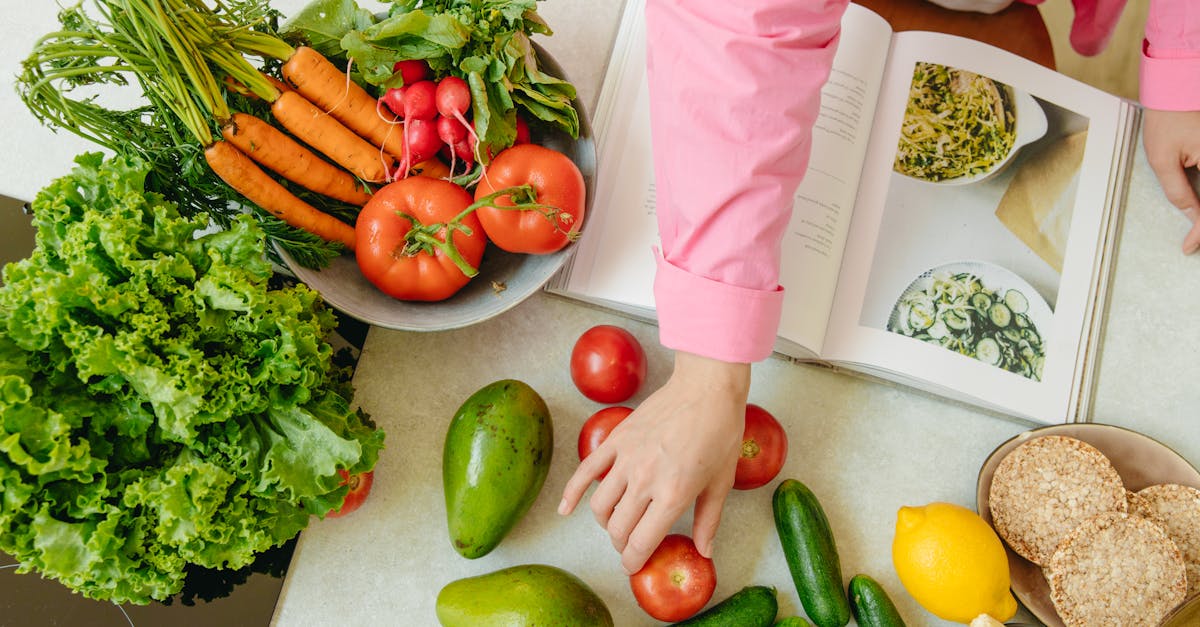
I started meal prepping because weekdays kept swallowing my good intentions. I found that a few reliable templates, the right tools, and a handful of make-ahead recipes let me eat healthy, save money, and stop the 5 p.m. panic of “what am I going to cook?“.
In this guide I share tested systems, recipe snapshots, shopping lists, and freezer strategies that I use every week. Expect clear step-by-step advice, practical warnings, and specific outcomes you can try the same day.
Key Takeaways
- Use three repeatable templates (balanced, protein-focused, budget-friendly) to build weekly vegetarian meal prep ideas recipe plans that save time and cut costs.
- Batch tasks—roast all vegetables, cook grains together, and press/cook proteins—to reduce active cooking time by at least 30% and speed weekly prep.
- Portion, label, and cool foods promptly: 1.5–2 cup mains, date containers, cool to 70°F within 2 hours, and refrigerate to keep meals safe for 3–4 days.
- Freeze single-serving soups, curries, and grains with 1-inch headspace and thaw in the fridge 12–18 hours to preserve texture and make emergency dinners easy.
- Keep a short toolkit (chef’s knife, half-sheet pan, large pot, sauté pan, glass containers) and staple pantry items (lentils, canned beans, quinoa, spices) to simplify shopping and cooking.
- Rotate sauces and store dressings separately, and add acid or fresh herbs when reheating to brighten leftovers and avoid flavor fatigue.
Why Meal Prep Works for Vegetarians
Meal prep works because it turns decision-making into a set of repeatable actions. When I prep, I reduce the chance of grabbing processed food at 6 p.m., which means I eat more vegetables and save money.
Vegetarian meal prep also fixes protein gaps. I plan legumes, tofu, dairy, or eggs into at least two meals a day, which means I meet my protein target without relying on last-minute fast food.
A concrete benefit: I typically cut my weekday cooking time by about 70% after two months, saving roughly 6–8 hours a week. That time becomes family dinners, exercise, or sleep, which means better energy and lower stress.
Quick stats to anchor this: the USDA recommends eating at least 2.5 cups of vegetables and 2 cups of fruit per day for a 2,000-calorie diet, which means planning servings ahead helps you meet those numbers.
Practical warning: meal prep can go stale if you repeat the same flavor profile every week. I rotate sauces and spices to avoid flavor fatigue, which means I actually use what I’ve cooked instead of throwing it out.
Meal Prep Basics: Tools, Techniques, And Safety
I follow a small set of rules that make my prep faster and safer. Those rules cover steps, the equipment I trust, and how I handle cooling and storage.
Below I break them into essential steps, must-have tools, and safe handling practices so you can copy my workflow.
Essential Steps For Efficient Meal Prep
Start by planning meals for five to seven days. I list breakfasts, lunches, dinners, and two snack options, which means I shop once and avoid impulse buys.
Batch similar tasks. I roast all vegetables together, cook grains in one pot, and sauté proteins next. This task grouping cuts active time by at least 30%, which means less standing at the stove.
Use mise en place. I chop, measure, and line up ingredients before I turn on heat. That habit reduces mistakes and speeds cooking, which means cleaner pans and predictable results.
Finish with a cooling window check. I let hot foods cool to room temperature for no more than 2 hours before refrigerating, which means I reduce bacterial risk per food safety guidelines.
Must-Have Tools And Containers
I keep a concise kit: a sharp chef’s knife, a half-sheet baking pan, a large sauté pan, a heavy pot for grains, and a cooling rack. These five items handle 90% of my prep work, which means I don’t need a kitchen full of gadgets.
Containers matter. I use 24-ounce glass meal containers with tight lids for lunches and separate 2-cup glass jars for salads. Glass resists stains and keeps flavors clean, which means longer shelf life and safer reheating.
Tip table:
| Tool | Why I use it | Which means... |
|---|---|---|
| Sharp chef’s knife | Fast, clean chopping | Shorter prep time and fewer bruised vegetables |
| Half-sheet pan | Roasts vegetables evenly | I can cook a week’s veggies in one oven batch |
| Large pot | Makes 6–8 cups of grains | I portion grains for multiple meals at once |
| Glass meal containers | Non-reactive, microwave-safe | Flavors stay true and I can reheat safely |
Practical warning: plastic containers with warped lids lose seal and can leak. I replace any lid that won’t close tightly, which means I avoid spills in my fridge.
Food Safety, Batch Cooling, And Storage Best Practices
I follow three safety rules: cool fast, store promptly, and reheat thoroughly. These rules cut risk and keep food edible longer.
Cool food on a rack or in shallow pans. Foods cool to 70°F within 2 hours, then to 40°F within 4 hours total, which means bacteria growth stays minimal according to common food-safety guidance.
Label everything. I write date and contents on each container. Labels avoid guessing and reduce waste, which means I rotate food before it spoils.
Freezer safety: I leave 1-inch headspace in containers to allow for expansion. That practice prevents cracked lids and food loss, which means your batch stays intact.
Weekly Meal Plan Templates You Can Follow
I build weekly plans around three needs: speed, protein, and budget. Each template uses overlapping ingredients so you shop less and cook smarter.
Below are three templates I use. They fit different lifestyles and include example meals and quick timing.
Balanced 5-Day Workweek Plan (Quick Overview)
I plan five lunches, five dinners, and breakfasts that last the week. My staples are cooked quinoa, roasted mixed vegetables, a batch of chickpeas, and two sauces.
Example day: breakfast, Greek yogurt parfait: lunch, Mediterranean chickpea grain bowl: dinner, roasted vegetable and tofu sheet pan. This repetition saves prep time, which means I can eat well without thinking each night.
Statistic: I aim for at least 25–30 grams of protein per lunch and dinner, which means steady energy across the afternoon and reduced snacking.
Protein-Focused Plan For Active Lifestyles
If you train or have high activity, I add protein in every meal. My go-tos are lentil curry, tofu sheet pan, Greek yogurt parfaits, and black bean burrito bowls.
I combine a high-protein grain (quinoa) with legumes and a dairy or plant-protein snack to hit 90–120 grams of protein daily, which means better recovery and muscle maintenance for active people.
Practical change: I increase portion sizes after hard workouts and add a 200–300 calorie recovery snack, which means I don’t dip into glycogen later that day.
Budget-Friendly Plan For Grocery-Saving Prep
I cut costs by buying canned beans, frozen vegetables, and bulk grains. These items cost less per serving and last longer, which means fewer trips to the store.
A sample week uses black bean burrito bowls, hearty vegetable soup, and lentil curry with rice. I stretch a $40–$50 grocery spend into five lunches and five dinners, which means about $2.50–$5 per meal depending on your region.
Practical warning: cheap choices can be sodium-heavy. I rinse canned beans and read labels, which means I control added salt and flavor.
10 Ready-To-Make Vegetarian Meal Prep Recipes
These are recipes I actually cook for weekly prep. I include the reason each works for meal prep and one concrete tip to improve results.
Note: links below point to useful recipe resources where I adapt flavor ideas and techniques.
Mediterranean Chickpea Grain Bowls (Make-Ahead) — Recipe Snapshot
What I do: Roast 4 cups mixed bell peppers and red onion, cook 3 cups quinoa, and toss 3 cans of rinsed chickpeas with oregano, lemon, and olive oil.
Why it works: components reheat well or combine cold, which means flexible lunches.
My tip: use a bright tomato sauce or fresh lemon vinaigrette to brighten flavors just before eating, which means the bowl tastes fresh even on day 4.
Related resource: for a tomato-forward base I often use a reliable jar or canned option to speed prep, like a sturdy tomato sauce, which means consistent flavor without extra simmering. See this Mutti tomato sauce recipe for inspiration: Mutti Tomato Sauce Recipe.
Creamy Lentil And Sweet Potato Curry (Freezable) — Recipe Snapshot
What I do: Simmer 2 cups dried red lentils with 3 cups diced sweet potato, a can of tomatoes, coconut milk, and curry spices until tender.
Why it works: it freezes and reheats without losing texture, which means emergency dinners are always available.
My tip: store in single-serve freezer containers and thaw overnight in the fridge, which means you have lunch ready the next day.
Nutrition note: a 1-cup serving of cooked lentils provides about 18 grams of protein, which means lentils are a cost-efficient way to meet protein goals.
Roasted Vegetable And Tofu Sheet Pan Meal — Recipe Snapshot
What I do: Press 1.5 pounds tofu, toss with soy, maple, and spice, roast alongside broccoli, carrots, and cauliflower at 425°F for 25 minutes.
Why it works: everything cooks together, which means one pan and rapid cleanup.
My tip: par-cook dense veggies like potatoes for 10 minutes before adding softer ones, which means even doneness and no burned carrots.
See my method for roasted broccoli to pair with this sheet pan approach: Baked Broccoli Recipe, which means a crisp-tender texture every time.
Southwest Black Bean Burrito Bowls — Recipe Snapshot
What I do: Cook brown rice, warm black beans with cumin and paprika, roast corn and peppers, and portion with avocado and salsa.
Why it works: components assemble cold or warm, which means midday flexibility.
My tip: store avocado as a mash with lime and onion in a small, tight jar to keep it from browning, which means fresh-tasting bowls on day 3.
Greek Yogurt Mason Jar Parfaits (Breakfast On The Go) — Recipe Snapshot
What I do: Layer 1 cup plain Greek yogurt, 1/3 cup granola, and 3/4 cup mixed berries in mason jars.
Why it works: jars keep crunch separate until you eat, which means textural contrast and easy transport.
My tip: add honey or a spoon of nut butter right before eating for extra calories after a workout, which means better morning satiety.
Vegan Peanut Noodle Salad With Veggies — Recipe Snapshot
What I do: Cook 12 ounces soba or rice noodles, toss with shredded cabbage, carrots, cucumber, and a peanut-lime dressing.
Why it works: served cold and keeps 4–5 days, which means a ready lunch all week.
My tip: store dressing separately to retain crunch, which means the salad won’t turn soggy by day 3.
Spinach, Feta, And Quinoa Stuffed Peppers — Recipe Snapshot
What I do: Mix cooked quinoa, sautéed spinach, crumbled feta, and herbs: stuff into halved bell peppers and bake 25 minutes.
Why it works: peppers reheat well and present nicely, which means you get a satisfying meal without reheating multiple components.
My tip: par-bake peppers 5 minutes before stuffing to reduce total bake time, which means fresher filling and tender pepper.
Hearty Vegetable And Bean Soup (Batch-Cook) — Recipe Snapshot
What I do: Sauté onions and celery, add carrots, potatoes, a can of tomatoes, two cans of cannellini beans, and vegetable stock: simmer one hour.
Why it works: soups freeze and reheat reliably, which means you always have a wholesome dinner option.
My tip: add a splash of acid (vinegar or lemon) when reheating to brighten muted flavors, which means each bowl tastes freshly made.
Smart Batch Cooking, Freezing, And Reheating Strategies
Batch cooking keeps my fridge full and my evenings calm. I organize my freezer and reheating steps to preserve texture and taste.
Below are my labeling, portioning, and freezing best practices.
Labeling, Portioning, And Reheat Tips For Best Texture
I label each container with the name and cook date. Labels stop guesswork, which means I use food in the right order.
Portioning matters: I use 1.5–2 cup portions for main meals and 1-cup portions for sides. That sizing keeps calories predictable, which means consistent meal planning.
Reheat rules: reheat to steaming hot (165°F), stir halfway, and add a splash of water or broth if the food looks dry. These steps restore moisture, which means a better eating experience.
Practical stat: meals kept in the fridge last 3–4 days safely, which means you should freeze anything you plan to eat after day 4.
Freezer-Friendly Recipes And How To Thaw Safely
I freeze soups, curries, and cooked grains in single-serving portions to make thawing fast. Single portions thaw in about 12–18 hours in the fridge, which means you can plan lunches overnight.
Thaw warning: never thaw at room temperature for more than 2 hours. Thawing in the fridge prevents bacterial risk, which means safer meals.
Tip: if you need dinner in 30 minutes, reheat from frozen in a covered skillet with a splash of liquid: cover and simmer until heated through, which means you keep texture and avoid microwaving plastic.
Shopping List And Pantry Staples For Vegetarian Meal Prep
I keep a flexible pantry that covers proteins, grains, canned goods, spices, and condiments. That pantry supports rotating weekly menus with minimal shopping.
Below I list staples and how I build a grocery list from a plan.
Versatile Grains, Proteins, Canned Goods, Spices, And Condiments
My staples:
- Grains: brown rice, quinoa, oats, and whole-wheat pasta. These grains store well, which means they form the basis of many meals.
- Proteins: dried lentils, canned chickpeas, black beans, tofu, Greek yogurt. These items provide protein across meals, which means I meet daily needs.
- Canned goods: diced tomatoes, coconut milk, tomato sauce. They add base flavors and longevity, which means year-round consistency.
- Spices/condiments: cumin, smoked paprika, garam masala, soy sauce, apple cider vinegar, olive oil. Spices transform simple ingredients, which means variety without extra shopping.
For sauce ideas I sometimes adapt recipes like a tried tomato sauce to speed up red-sauce dishes, which means I get reliably good flavor with minimal hands-on time. See a helpful tomato sauce guide here: Mutti Tomato Sauce Recipe.
How To Build A Weekly Grocery List From Your Meal Plan
I write recipes on the left and ingredients on the right, then cross off duplicates. This consolidation reduces waste and shortens the list, which means lower cost per meal.
I batch-calculate produce by weight. For five lunches and five dinners, I buy roughly 8–10 pounds of fresh produce, which means about 1–1.5 pounds per day for two people.
Practical tip: buy one frozen and one fresh option for the same vegetable. Frozen covers emergencies, which means less food thrown away when plans change.
Adapting Meal Prep For Dietary Preferences And Restrictions
I adapt recipes quickly for high protein, gluten-free, or low-FODMAP needs. Small swaps keep the core workflow intact while meeting dietary goals.
High-Protein Vegetarian Options (Legumes, Dairy, Alternatives)
I prioritize these protein sources: lentils (18g protein per cooked cup), Greek yogurt (20g per cup), firm tofu (10–15g per 4 ounces), and tempeh (15–20g per 4 ounces). These numbers let me plan targets precisely, which means I hit daily protein goals.
Practical swap: if you need more protein at lunch, add 1/2 cup cooked lentils to a bowl, which means an extra 9 grams of protein without much volume.
Gluten-Free, Low-FODMAP, And Other Common Modifications
For gluten-free meals, I substitute rice, quinoa, or certified gluten-free oats for wheat grains. These swaps keep texture and fullness, which means the meal stays satisfying.
For low-FODMAP adjustments, I reduce onion and garlic and add chives or garlic-infused oil for flavor. That trick keeps flavor depth, which means fewer digestive flare-ups for sensitive eaters.
Practical note: always test substitutions once before making a big batch. A small test prevents wasted food, which means less disappointment and fewer trips to the store.
Simple Weekly Prep Schedule And Time-Saving Workflow
I use two reliable workflows: a one-hour light prep and a two-hour deep prep with freezing steps. Each workflow gives predictable outcomes depending on how much time I have.
Below are my step-by-step schedules that you can follow exactly.
One-Hour Sunday Prep Workflow
0:00–0:10, Preheat oven to 425°F, rinse grains, and press tofu. This prepares key items while oven warms, which means no wasted minutes.
0:10–0:35, Roast a sheet pan of mixed vegetables and bake tofu. Roast yields 4–5 portions of veggies, which means lunches are mostly done.
0:35–0:50, Cook quinoa or rice and warm beans with spices. Grains cook unattended, which means you can wash up while they finish.
0:50–1:00, Portion into containers, label, and refrigerate. Labeling saves guessing on busy nights, which means you’ll know what’s safe to eat later.
Two-Hour Deep Prep Workflow With Freezing Steps
0:00–0:20, Soak and pressure-cook dried beans or start lentils. Using dried beans cuts cost by up to 50% compared to canned, which means long-term grocery savings.
0:20–0:50, Roast two sheet pans of vegetables and par-bake stuffed peppers. More quantity means you get variety without extra time, which means better weekly menus.
0:50–1:20, Make a big pot of curry or soup and portion into freezer-safe single servings. Single portions thaw fast, which means flexibility for weekday meals.
1:20–2:00, Assemble grab-and-go breakfasts and snacks, clean up, and label. A final check of dates and contents prevents surprises, which means less food waste and more predictable eating.
Conclusion
I started meal prepping to save time and cook with intention. After years of experimenting, my best advice is simple: plan overlapping ingredients, invest in a few good containers, and rotate flavors to keep things interesting.
If you want one small change to start: pick three go-to recipes from this guide and cook them once this weekend. That single step will give you five lunches and three dinners, which means you’ll feel the payoff within two weekdays.
Final practical note: if a recipe tastes flat after refrigerating, add acid, fresh herbs, or a crunchy topping before serving. Those small additions restore life to leftovers, which means you’ll actually enjoy your prep and keep doing it.
Additional recipe ideas and flavor inspiration are available on the site: for pickling and bright condiments I often refer to quick guides like this sour pickle method: Sour Pickle Recipe. For sweet or special breakfast ideas I sometimes make small treats like mochi for texture contrast, which means my weekly menu stays surprising: Mochi Recipe.
Vegetarian Meal Prep FAQs
What are easy vegetarian meal prep ideas and recipes for a 5-day workweek?
Choose 3 go-to recipes—like Mediterranean chickpea grain bowls, lentil curry, and roasted vegetable tofu sheet pan—batch cook grains, roast vegetables, and portion into glass containers. Repeat components across breakfasts, lunches, and dinners to save time and meet USDA vegetable targets throughout the week.
How can I hit protein goals with vegetarian meal prep recipes?
Plan legumes, tofu, dairy, or eggs into at least two meals daily. Use high-protein staples—lentils, Greek yogurt, firm tofu, and tempeh—and combine with quinoa or beans to reach 25–30g protein per lunch/dinner and 90–120g daily for active people.
Which tools and containers are must-haves for vegetarian meal prep ideas recipe success?
Keep a sharp chef’s knife, half-sheet pan, large sauté pan, heavy pot for grains, and a cooling rack. Use 24-ounce glass meal containers and 2-cup glass jars to store and reheat safely; replace warped plastic lids to avoid leaks and contamination.
Can vegetarian meal prep recipes be frozen and reheated without losing quality?
Yes—soups, curries, and cooked grains freeze well in single-serve portions. Leave 1-inch headspace, thaw overnight in the fridge (12–18 hours), and reheat to 165°F, or simmer from frozen in a covered skillet with a splash of liquid to preserve texture.
How do I avoid flavor fatigue when repeating vegetarian meal prep ideas recipe each week?
Rotate sauces, spices, and finishing touches—bright vinaigrettes, fresh herbs, acid (vinegar or lemon), or crunchy toppings. Store dressings separately and add fresh elements before serving to keep meals tasting vibrant through day 3–4.
