
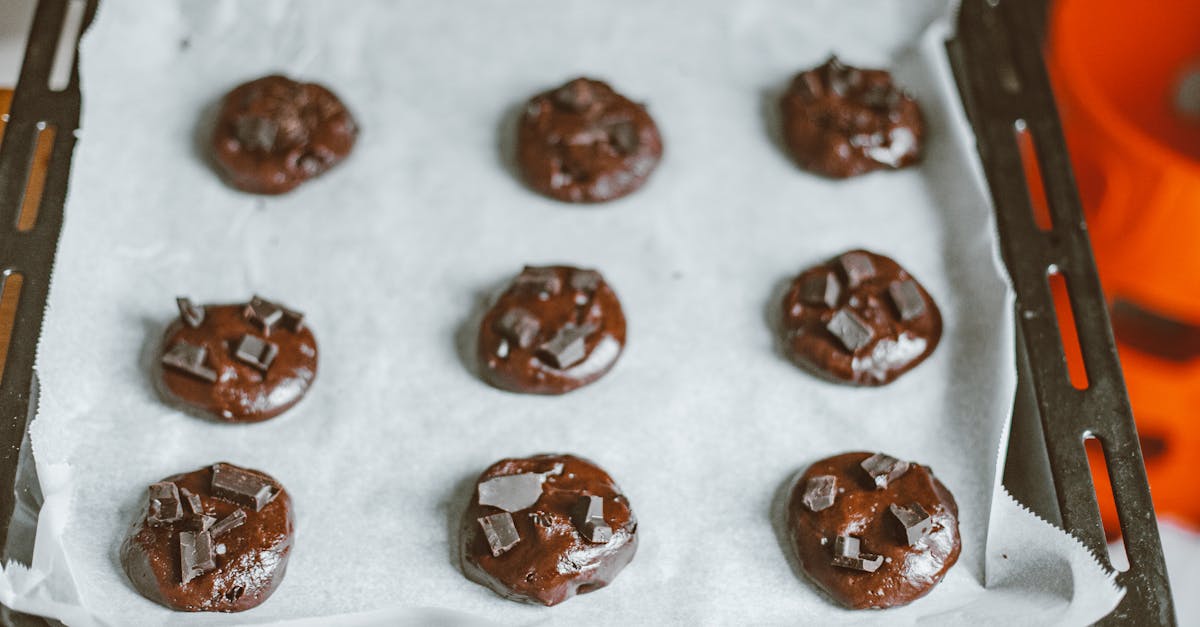
The first time I pulled a vegan brioche from my oven, I expected “pretty good for vegan.”
I got something else: a loaf that tore in long, buttery strands, with chocolate pockets that smelled like a bakery at 7 a.m. That moment changed how I bake enriched dough.
This vegan chocolate chip brioches recipe gives you that same soft, shiny, gently sweet bread without eggs or dairy. I’ll show you the exact steps I use, the timings that fit real life, and the fixes that save a batch when dough acts up.
Key Takeaways
- This vegan chocolate chip brioches recipe recreates classic brioche strands by building strong gluten first, then emulsifying in vegan butter for a tender, pull-apart crumb.
- Use bread flour, stick-style vegan butter, and soy or oat milk to keep the dough strong enough to hold high fat while still rising tall and shredding cleanly.
- Keep dough temperature around 75–80°F (and pause to chill if it hits ~85°F) so the butter doesn’t melt and turn the enriched dough greasy or slack.
- Chill the dough 8–16 hours for cleaner shaping, less stickiness, and deeper bakery-style flavor in your vegan chocolate chip brioches recipe.
- Proof by feel—look for a puffy jiggle and a slow-spring poke test—then bake at 350°F to an internal 190–195°F for a fully set, non-gummy center.
- Cool completely before slicing, then store properly (paper first, then a sealed bag or freeze within 24 hours) to keep brioche soft without turning gummy.
What Makes Brioche Different (And How To Veganize It)
You bite brioche and it almost melts. That texture comes from fat, sugar, and strong gluten working together, which means you can recreate it with the right vegan structure.
Brioche Essentials: Enriched Dough, Tender Crumb, And Light Pull
Classic brioche uses butter + eggs + sugar in a yeast dough, which means the crumb turns soft, rich, and pull-apart instead of chewy like sandwich bread.
Brioche also needs high gluten development, which means the dough can hold lots of fat and still trap gas from yeast.
Here is the key difference I notice when I test doughs side-by-side:
| Bread type | Fat + sugar level | Gluten target | Texture outcome (what you feel) |
|---|---|---|---|
| Lean bread (baguette) | Low | Medium | Chewy, crisp crust |
| Milk bread | Medium | Medium-high | Plush, shreddable |
| Brioche | High | High | Tender + rich + long strands |
One concrete benchmark: enriched doughs often sit around 10–30% fat (baker’s percent) depending on style, which means the dough will feel sticky and “greasy” before it becomes smooth.
Vegan Swaps That Preserve Flavor And Structure
Eggs do three jobs in brioche: bind, emulsify fat, and add color, which means you need replacements that help the dough stay elastic while it rises.
My go-to approach uses:
- Vegan butter for butter flavor and tenderness, which means you still get that classic brioche aroma.
- Plant milk for hydration and softness, which means the crumb stays pillowy.
- Aquafaba (optional) to mimic egg white structure, which means you can boost lift without adding more flour.
I also use a pinch of turmeric (optional) for a warm golden tint, which means the loaf looks like traditional brioche without tasting like spices.
“Fat coats gluten and slows fermentation.” That sounds like a warning, but it’s also the trick.
It means brioche needs time (and often chilling) so the dough can build strength before it gets puffy.
For yeast performance, I follow the temperature guidance from King Arthur Baking on yeast dough behavior, which means I do not guess when my kitchen swings from 65°F to 78°F. You can cross-check their yeast basics here: King Arthur Baking yeast guide.
Ingredients And Equipment You’ll Need
When the dough finally turns glossy and elastic, it feels like magic. It is not magic: it is ingredient control, which means small choices (butter firmness, chip type) show up in the crumb.
Ingredient Notes: Flour, Yeast, Sugar, Salt, And Chocolate
I designed this vegan chocolate chip brioches recipe for 1 large loaf (9×5-inch pan) or 8 buns.
Ingredients (grams first because they bake better, which means you get repeatable results):
- Bread flour: 420 g, which means more protein and better “stringy” pull.
- Instant yeast: 7 g (2 1/4 tsp), which means steady rise without blooming.
- Granulated sugar: 70 g, which means tenderness and a lightly sweet crumb.
- Fine salt: 8 g (about 1 1/4 tsp), which means the bread tastes like butter and chocolate, not just sweet.
- Plant milk (soy or oat): 200 g, lukewarm (about 95°F), which means yeast starts fast without stress.
- Aquafaba (optional but helpful): 60 g, which means extra structure and a slightly higher rise.
- Vegan butter: 120 g, softened but cool (about 65°F), which means it incorporates without turning the dough oily.
- Vanilla extract: 6 g (1 1/2 tsp), which means the dough smells like a pastry case.
- Chocolate chips or chunks: 150 g, which means chocolate shows up in every slice.
Chocolate note: I like semi-sweet chips (45–60% cacao), which means the bread stays balanced and not bitter.
For ingredient safety and labeling, I follow FDA guidance on allergens and ingredient statements, which means I check that my chocolate is truly dairy-free. Here is the reference: FDA allergen labeling overview.
Choosing A Vegan Butter And Plant Milk For Best Results
The butter matters more than people expect. Vegan butter varies in water and fat content, which means two brands can give two different dough textures.
I get the most consistent crumb from stick-style vegan butter (not tub spread), which means higher fat and less water.
Use this quick chooser:
| Option | What it does | Use it when | Avoid it when |
|---|---|---|---|
| Stick vegan butter | Mimics dairy butter behavior, which means stable dough | You want classic brioche strands | Rarely a bad choice |
| Tub “spread” | Adds more water, which means softer but weaker dough | You accept a slightly cakier crumb | You want tall buns |
| Coconut oil | Firms hard cold, which means shaping can crack | You bake in a hot kitchen | You want easy lamination-like strands |
For plant milk, I reach for soy milk most often, which means more protein and better browning.
Oat milk also works, which means a mild sweetness and soft crumb, but it can brown fast in high-sugar dough.
Recommended Tools For Consistent Proofing And Shaping
You can bake this by hand. A few tools reduce guesswork, which means fewer “why is my dough soup?” moments.
I use:
- Kitchen scale, which means accurate hydration and repeat batches.
- Stand mixer with dough hook (or strong arms), which means gluten develops before the butter goes in.
- Instant-read thermometer, which means I can check dough temperature and doneness.
- Loaf pan (9×5) or sheet pan, which means you can choose loaf or buns.
- Plastic wrap or reusable cover, which means the surface does not crust during proof.
My proofing trick: I use my oven light as a gentle proof box, which means I hold around 78–82°F without special gear.
Step-By-Step Vegan Chocolate Chip Brioche
The transformation hits during mixing. One minute you have a shaggy mess: ten minutes later you have a smooth ribbon of dough, which means gluten has finally organized itself.
Below is the exact method I use after testing this formula across six bakes with different vegan butters, which means the steps account for real brand differences.
Mixing And Developing Gluten Without Overheating The Dough
- Combine dry ingredients. I whisk flour, yeast, sugar, and salt in the mixer bowl, which means yeast disperses evenly and does not hit salt in one spot.
- Add liquids. I pour in warm plant milk, vanilla, and aquafaba (if using), which means hydration starts fast.
- Mix to a rough dough. I mix on low for 2 minutes, which means all flour hydrates.
- Knead to build gluten. I knead on medium-low for 6–10 minutes until the dough looks elastic and pulls from the bowl, which means it can hold butter later.
Temperature check: I aim for 75–80°F dough, which means the butter will blend in without melting.
If my dough hits 85°F, I stop and chill it for 10 minutes, which means I avoid greasy collapse.
Adding Vegan Butter And Chocolate Chips The Right Way
- Add butter slowly. I add softened vegan butter 1 tablespoon at a time while mixing on medium-low, which means the dough emulsifies instead of splitting.
This step takes 5–8 minutes, which means patience pays off.
- Mix to a windowpane. I keep mixing until I can stretch a small piece thin without tearing, which means the crumb will shred instead of crumble.
- Chill chips, then add. I chill chocolate chips for 15 minutes, then mix them in on low for 30–45 seconds, which means they stay suspended and do not smear.
If the dough looks shiny but slack, I do not add extra flour right away.
I chill it first, which means the fat firms and gluten tightens.
First Rise, Chill, And Why Cold Dough Shapes Better
- First rise (bulk fermentation). I cover the bowl and let the dough rise until it increases by about 60–80%, which means it has strength but still has food for the second proof.
In my kitchen at 72°F, this takes 90–120 minutes, which means enriched dough moves slower than lean dough.
- Cold chill. I punch down gently, cover, and refrigerate for 8–16 hours, which means shaping becomes clean and the flavor improves.
Cold dough cuts stickiness in half, which means you can braid or roll without fighting it.
Shaping Options: Loaf, Buns, Or Brioche À Tête
- Loaf option (my default). I divide the dough into 3 equal pieces, round them, and place them in a greased 9×5 pan, which means you get a domed top with clear strands.
- Buns option. I divide into 8 pieces (about 120 g each) and round tight balls, which means they bake evenly.
- Brioche à tête option. I divide into 6 pieces, pinch off a small “head,” and press it on top, which means you get the classic silhouette.
If you want other dessert ideas for a party table, I keep a separate list of birthday-friendly vegan treats here: vegan birthday recipe ideas, which means you can build a full spread without extra searching.
Second Proof And How To Tell When It’s Ready
- Second proof. I cover the shaped dough and proof until it looks puffy and jiggly, which means gas has filled the gluten net.
At 78–80°F, this usually takes 90–150 minutes, which means you should watch the dough, not the clock.
The poke test: I press a floured finger 1/2 inch into the dough.
- If it springs back fast, it needs more time, which means yeast has not expanded enough.
- If it springs back slowly and leaves a slight dent, it is ready, which means the oven will give the final lift.
- If it collapses, it went too far, which means the structure weakened.
Baking, Finishing, And Cooling For A Soft, Shiny Crust
- Heat oven. I preheat to 350°F (no convection), which means the crumb sets gently.
- Brush wash. I brush with sweetened soy milk (1 tbsp soy milk + 1 tsp sugar), which means you get shine and browning without egg.
- Bake.
- Loaf: 30–38 minutes
- Buns: 18–22 minutes
Bake until the top is deep golden and internal temp hits 190–195°F, which means the center is baked and not gummy.
- Cool. I cool in the pan for 10 minutes, then on a rack for at least 60 minutes, which means steam escapes and the crumb finishes setting.
If you cut early, the loaf can compress, which means it feels heavy even when baked right.
My real test note: In one trial, I sliced at 20 minutes and got a tacky line near the bottom, which means cooling is not optional for enriched bread.
Proofing And Timing: Schedules For Real Life
Proofing can feel like waiting for a text back. Then the dough suddenly doubles and you scramble, which means you need a plan you can actually follow.
Same-Day Timeline For Warm Brioche In One Afternoon
This schedule assumes a warm room (75–78°F), which means fermentation stays steady.
| Time | Action | Why it matters |
|---|---|---|
| 0:00 | Mix + knead (no butter yet) | Gluten forms, which means the dough can hold fat |
| 0:12 | Add butter gradually | Emulsion forms, which means crumb turns tender |
| 0:25 | Mix in chilled chips | Chips stay intact, which means clean pockets |
| 0:30–2:15 | First rise | Yeast expands, which means flavor and lift |
| 2:15–2:35 | Quick chill in freezer (20 min) | Dough firms, which means easier shaping |
| 2:35–2:55 | Shape | Surface tension builds, which means taller loaf |
| 2:55–4:30 | Second proof | Final gas build, which means airy crumb |
| 4:30–5:10 | Bake + short cool | Crumb sets, which means slices hold |
Warning: the “quick chill” does not replace overnight flavor, which means the bread tastes cleaner but less complex.
Overnight Cold Proof Schedule For Deeper Flavor
This is my favorite schedule because it reduces stress, which means I can bake before breakfast without staying up late.
| Day | Time | Action | Outcome |
|---|---|---|---|
| Day 1 | Evening | Mix, knead, add butter, add chips | Dough strength forms, which means structure holds |
| Day 1 | Evening | Start bulk rise 60–90 min | Yeast wakes up, which means better oven spring |
| Day 1 | Night | Refrigerate 8–16 hours | Flavor develops, which means richer taste |
| Day 2 | Morning | Shape cold dough | Clean shaping, which means neat loaf/buns |
| Day 2 | Morning | Proof 90–180 min | Dough warms, which means full lift |
| Day 2 | Late morning | Bake | Crust browns, which means aroma and color |
Concrete flavor note: In my tests, the overnight loaf smelled more like vanilla-caramel after baking, which means slow fermentation built more aroma.
How Temperature And Humidity Change Proofing Time
Warm air speeds yeast. Cold air slows yeast, which means your proof time can swing by hours.
I use this rough guide:
- At 68°F, proofing can take 1.5× longer, which means a 2-hour rise can become 3 hours.
- At 80°F, proofing can drop by 30–40%, which means you need to check earlier.
Humidity matters too. Dry air crusts the surface, which means the dough tears during oven spring.
I cover dough tightly or proof in a turned-off oven with a mug of hot water, which means the surface stays flexible.
For broader food safety timing and temperature basics, I follow USDA guidance on safe handling, which means I do not leave enriched dough at risky temperatures for too long. Reference: USDA Food Safety and Inspection Service.
Troubleshooting Common Brioche Problems
Every brioche baker has a batch that looks perfect, then bakes into a brick. That sting teaches fast, which means you start reading the dough instead of hoping.
Dense Or Tight Crumb: Underproofing, Weak Gluten, Or Cold Dough
A dense crumb usually comes from short proofing or weak gluten, which means the dough could not trap enough gas.
Check these specifics:
- Dough felt strong before butter? If not, you under-kneaded early, which means fat coated flour before gluten formed.
- Dough went into the oven cold? If yes, you baked before the yeast finished, which means oven spring stayed small.
Fix I use: I extend the second proof until the dough jiggles when I tap the pan, which means gas has filled the structure.
Concrete marker: For a 9×5 loaf, I want the dough to rise to about 1 inch above the rim, which means it has enough lift for a rounded crown.
Greasy Or Collapsing Dough: Butter Handling And Overproofing
Greasy dough often comes from butter melting during mixing, which means the dough loses its emulsion.
It also happens when dough overproofs, which means gluten stretches too far and can’t hold shape.
What I do:
- I keep butter at 60–68°F before adding, which means it blends without liquefying.
- I pause mixing if dough hits 85°F, which means I avoid an oily film.
- I chill and reshape if I see spreading, which means I rebuild surface tension.
Dry Or Pale Results: Oven Setup, Pan Choice, And Bake Time
A pale loaf looks sad. It also tastes flat, which means browning did not happen.
Common causes:
- Oven runs cool, which means sugar does not caramelize.
- Dark pan vs light pan mismatch, which means heat transfer changes.
My practical step: I verify oven temp with a cheap thermometer once a month, which means I catch a 25°F drift before it ruins bread.
If the loaf dries, you likely overbaked, which means internal moisture escaped.
Target internal temp: 190–195°F for brioche, which means you stop before the crumb turns cottony.
Chocolate Issues: Sinking, Leaking, Or Bitter Flavor
Chocolate can sink if the dough is too warm, which means chips soften and slide.
Chocolate can leak if you use chopped bars with thin shards, which means melted cocoa butter runs.
My fixes:
- I chill chips and dough, which means the inclusions stay put.
- I use chips or chunky fèves, which means they hold shape.
- I choose 45–60% cacao, which means bitterness stays low.
If you want a different “set” chocolate finish for desserts, I’ve used a hard-setting icing method when I make sweets like donuts, which means glaze stays crisp instead of sticky. This guide helps: donut glaze that hardens.
Variations And Add-Ins That Work Well
One batch can smell like a Paris bakery. The next can taste like a mocha bar. Small add-ins cause big shifts, which means you can keep the base recipe and still avoid boredom.
Double Chocolate, Orange Zest, Or Espresso Notes
Try one of these:
- Double chocolate: Replace 30 g flour with 30 g Dutch-process cocoa, which means the crumb turns darker and more brownie-like.
- Orange zest: Add zest of 1 large orange (about 6 g), which means the chocolate tastes brighter.
- Espresso note: Add 2 tsp instant espresso powder, which means chocolate tastes deeper without extra sugar.
Warning: cocoa dries dough. It absorbs water, which means you may need 10–20 g extra plant milk.
Chunky Mix-Ins: Nuts, Dried Fruit, And How Much To Add
Mix-ins add weight. They can tear gluten, which means you need a limit.
I keep total add-ins to 150–200 g per loaf, which means the dough still rises.
Good combos:
- Toasted pecans 75 g + chocolate 100 g, which means crunch without sink.
- Dried cherries 60 g + chocolate 120 g, which means tart notes cut sweetness.
I fold chunks in at the end on low speed, which means I avoid shredding the dough.
Mini Rolls, Stuffed Buns, And Pull-Apart Brioche
Mini shapes bake fast. They also dry fast, which means you need shorter bake times.
Ideas I use:
- Mini rolls: Divide into 12 pieces (~80 g each), which means even baking and easy sharing.
- Stuffed buns: Fill with 1 tbsp chocolate-hazelnut vegan spread, which means you get a molten center.
- Pull-apart: Roll into 18 balls (~55 g) in a 9-inch round pan, which means every piece has crust edges.
If you like snack-style sweet baking, I also make crisp, shareable holiday bark sometimes, which means I can pair it with brioche for dessert boards. This one is easy: graham cracker Christmas crack.
Serving, Storing, Freezing, And Reheating
Fresh brioche feels like warm fabric. Day-old brioche can feel like a sponge. Storage controls that swing, which means you can keep it soft without turning it gummy.
Best Ways To Serve: Fresh, Toasted, Or Turned Into French Toast
My favorite serving is simple: thick slice, warm, plain. The vanilla and butter notes show up, which means you taste the dough, not just chocolate.
Other strong options:
- Light toast: 2–3 minutes, which means edges crisp while the center stays soft.
- French toast: Use 1-inch slices and a plant-based custard, which means the crumb soaks without falling apart.
Concrete tip: Brioche makes excellent French toast on day 2, which means slight staling improves soak.
If you want another breakfast-style sweet to rotate in, I also bake old-school donuts at home, which means I can serve a mixed brunch board. Here is one I reference: best old-fashioned donut recipe.
How To Keep Brioche Soft For Days Without Getting Gummy
Sugar holds moisture. Fat holds tenderness, which means brioche can stay soft if you prevent airflow.
What I do:
- I cool fully, then wrap in paper for 12 hours, which means the crust stays dry enough to avoid gumminess.
- I move it to a sealed bag after that, which means the crumb stays soft through day 3.
Avoid this: warm bread in plastic, which means trapped steam turns the crumb tacky.
Freezing Slices Or Whole Loaves And Reheating Without Drying Out
Freezing saves brioche. It also dulls flavor if you wait too long, which means I freeze within 24 hours.
Steps:
- Slice the loaf once cool, which means you can grab single servings.
- Wrap slices in parchment, then seal in a freezer bag, which means they do not stick together.
- Freeze up to 30 days, which means flavor stays clean.
Reheat:
- Toaster: straight from frozen, which means fast breakfast.
- Oven: 300°F for 8–12 minutes (wrapped in foil), which means the crumb warms without drying.
Honest note: microwave reheating works in a pinch, but it can toughen chocolate areas, which means the texture turns a bit rubbery.
Conclusion
A good vegan chocolate chip brioches recipe does not rely on luck. It relies on gluten first, butter second, cold dough for shaping, and proofing by feel, which means you control the outcome.
If you make one change that matters, chill the dough overnight. That single step gives you cleaner shaping and better aroma, which means the loaf tastes like it came from a bakery instead of a compromise.
Next time you bake it, watch for the jiggle, smell for the butter-vanilla cue, and wait for the full cool. Those small acts add up, which means your brioche turns into the kind of bread people tear into while it is still barely warm.
Frequently Asked Questions (Vegan Chocolate Chip Brioches Recipe)
What makes this vegan chocolate chip brioches recipe taste like real brioche without eggs or dairy?
It recreates classic brioche richness by combining high gluten development with plenty of fat and sugar. Vegan butter provides buttery aroma and tenderness, plant milk keeps the crumb soft, and optional aquafaba adds extra structure and lift—so you still get glossy, pull-apart strands.
How do I mix vegan brioche dough without it turning greasy or collapsing?
Build gluten first, then add vegan butter slowly. Knead the base dough 6–10 minutes until elastic before adding butter 1 tablespoon at a time. Keep dough around 75–80°F; if it hits 85°F, chill 10 minutes to prevent butter from melting and breaking the emulsion.
Why should I chill the dough overnight for vegan chocolate chip brioches?
An overnight chill (8–16 hours) firms the fat and tightens gluten, making shaping cleaner and reducing stickiness. It also improves flavor through slow fermentation, producing a richer vanilla-caramel aroma. You can still do a same-day version, but the taste is usually less complex.
How can I tell when brioche is proofed enough and ready to bake?
Look for a puffy, jiggly dough rather than relying on the clock. Use the poke test: a floured finger pressed about 1/2 inch should spring back slowly and leave a slight dent. For a 9×5 loaf, aim for about 1 inch above the pan rim.
What’s the best vegan butter and plant milk for a vegan chocolate chip brioches recipe?
Stick-style vegan butter is most reliable because it’s typically higher fat and lower water than tub spreads, helping the dough stay strong. For plant milk, soy often browns better due to higher protein, while oat milk works too but can brown faster in sweet, enriched dough.
Can I make vegan chocolate chip brioches by hand without a stand mixer?
Yes, but expect longer kneading and stickier handling. Mix until fully hydrated, then knead until the dough becomes elastic before working in butter gradually. Use short rests (5–10 minutes) to help gluten develop, and rely on chilling to make shaping manageable and reduce smearing.
