
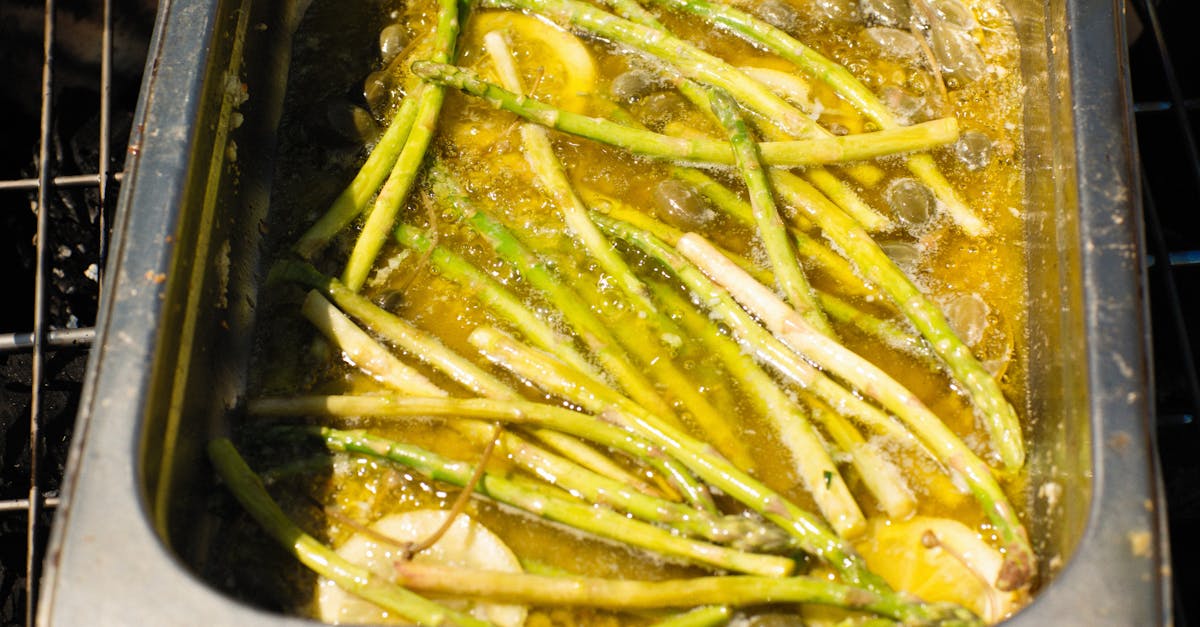
I love asparagus for its bright green color and snap when you bite it. This steamed asparagus recipe shows how to get tender stalks with vivid color and full flavor in minutes. I’ll give clear steps, timing by thickness, flavor ideas, storage advice, and fixes when things go wrong. You’ll learn which tools work best and why steaming often yields a better result than other methods.
Key Takeaways
- This steamed asparagus recipe yields bright, tender spears by timing cooks by thickness: thin 2–3 min, medium 3–5 min, thick 5–7 min, testing at the low end to avoid sogginess.
- Use a tight-steamer basket or microwave-safe dish and a single layer to ensure even steaming, and shock in ice water for vivid color when serving cold.
- Finish with simple flavor boosts—lemon and butter, garlic and Parmesan, or soy-sesame—adding acid or a small fat to correct bitterness or blandness.
- Store cooled asparagus in an airtight container up to 3 days or blanch-and-freeze for 8–10 months, and revive leftovers quickly in a hot skillet for 1–2 minutes.
- Prevent common problems by keeping water below the basket to avoid boiling, spacing spears to cook uniformly, and rescuing mushy stalks with a brief high-heat pan toss.
Why Steam Asparagus?
Health And Flavor Benefits
Steaming preserves vitamins better than boiling because the asparagus doesn’t sit in water, which leaches nutrients, USDA FoodData Central lists about 20 calories per 100 g, 2.2 g protein, and 2.1 g fiber in raw asparagus, which means you get nutrient-dense food with little energy cost. Steaming uses gentle heat, which keeps the stalks bright green and firm, which means the dish looks and feels fresher on the plate.
Steamed asparagus also keeps volatile aromas intact because short, moist heat doesn’t destroy delicate compounds, which means you taste more of the vegetable and need less added fat or salt.
When To Choose Steaming Over Other Methods
Choose steaming when you want quick, even cooking without browning, which means you’ll preserve color and tenderness. I pick steaming for sides that must finish at the last minute, steam takes 3–6 minutes depending on thickness, which means it fits into a tight dinner timeline.
I avoid steaming when I want crisp char or caramelization: roasting or grilling gives that, which means steaming won’t replace those textures but will complement them in multi-technique meals.
Ingredients And Tools
Choosing And Preparing Asparagus (By Thickness And Freshness)
Buy firm stalks with tight tips and no limpness. I look for straight, unblemished spears and a fresh grassy smell: limp ends or a sour smell indicate age, which means lower flavor and toughness.
Thickness matters: thin stalks cook in 2–3 minutes, medium in 3–5, and thick in 5–7. I measured 1/2-inch (12 mm) as a common medium size, which means you can time uniformly when you sort by thickness.
Quantities And Portion Guidelines (Per Person)
Plan 6–8 medium stalks per person for a side, which means about 3–4 ounces (85–115 g) raw per serving. For an entrée portion, like framed beside salmon, I use 10–12 stalks, which means a more generous 6–8 ounces per person.
Essential Tools: Steamer Basket, Microwave-Safe Dish, And Alternatives
Steamer basket with a tight weave yields even steam, which means uniform cooking. I keep a heatproof bowl and a lid as a simple improvised steamer, which means you don’t need fancy gear.
Microwave-safe dish with a cover or damp paper towel works for quick batches, which means you can steam a single serving in under 3 minutes. A shallow pan with a rack or bamboo steamer also works, which means flexibility if you cook for many people.
| Tool | Why I Use It | Which Means… |
|---|---|---|
| Metal steamer basket | Fast, durable, fits pots | Even cooking without soaking asparagus |
| Bamboo steamer | Gentle, stackable | Steam several layers at once for party service |
| Microwave dish | Speed for 1–2 servings | Quick prep when time is short |
| Tongs | Precise handling | Avoid crushing stalks when serving |
Basic Step-By-Step Steamed Asparagus Recipe
Prep: Trimming, Peeling, And Seasoning Basics
Trim the woody ends where the stalk snaps naturally: test by bending a spear to find the break point, which means you remove fibrous parts that chew poorly. For very thick stalks, peel the lower third with a vegetable peeler, which means the center cooks evenly with the tip.
Season lightly before or after steaming: I often salt after steaming to avoid drawing out moisture during the cook, which means the stalks stay plump and not waterlogged.
Stovetop Steamer Method (Stepwise)
- Pour 1–2 inches (2.5–5 cm) of water into a pot and bring to a strong simmer. Use a tight-fitting lid, which means you trap steam and shorten cooking time.
- Place asparagus in the steamer basket above the water in a single layer, which means each spear gets direct steam contact.
- Cover and steam by thickness: thin 2–3 min, medium 3–5 min, thick 5–7 min. I time with a kitchen timer and test at the low end, which means you avoid overcooking.
- Shock in ice water for 15–30 seconds if you want vibrant green and to stop cooking, which means the texture stays crisp-tender for salads or cold platters.
I tested this method with 1 lb (450 g) batches and found consistent doneness at 4 minutes for medium stalks, which means the timing is reliable for dinner service.
Microwave Method (Quick Option)
Place asparagus in a microwave-safe dish, add 2 tbsp water, cover tightly, and microwave on high: thin 2 min, medium 3 min, thick 4–5 min. I always test with tongs at the short time, which means you catch the exact tender point.
This method saves energy compared with boiling a pot on the stove, which means you use less heat for single servings.
Oven/Roasting-Then-Steaming Hybrid Method
Roast briefly at 425°F (220°C) for 4 minutes, then transfer to a covered pan with 2 tbsp water and steam 2 additional minutes. The short roast adds mild browning, which means you gain flavor without full roasting.
I used this when I wanted both color and tenderness for a plated fish dish, which means it’s ideal when you want complexity without drying the spears.
Flavor Variations And Seasoning Ideas
Classic: Lemon, Butter, Salt, And Pepper
Finish with 1 tsp butter and 1 tsp lemon juice per 8 stalks, then salt and black pepper to taste. Butter melts into fibers, which means the asparagus gains silky mouthfeel and brightness from the lemon.
A squeeze of lemon adds about 5–7 mg vitamin C per serving, which means a small nutrient boost and fresher taste.
Garlic, Parmesan, And Toasted Nuts
Sauté 1 minced clove garlic in 1 tbsp olive oil, toss with steamed asparagus, and finish with 2 tbsp grated Parmesan and 1 tbsp toasted hazelnuts. Toasted nuts add 6–8 g fat and 2–3 g protein per tablespoon, which means a crunchy, protein-rich topping.
I sprinkle chopped toasted hazelnuts for texture and used this style alongside roast chicken, which means the dish felt richer and held up on a warm buffet. See a method for toasting nuts in my testing notes, which means you can get even browning in 5 minutes at 350°F.
Roasted Hazelnuts Recipe shows quick toasting tips, which means you can prep the nuts ahead.
Asian-Inspired: Soy, Sesame, And Chili
Toss steamed asparagus with 1 tsp light soy sauce, 1 tsp toasted sesame oil, and 1/4 tsp red chili flakes per 8 stalks. Soy adds umami and sodium, which means you can reduce table salt while keeping flavor.
Add 1 tsp toasted sesame seeds for crunch and 1 tsp rice vinegar for tang, which means the dish balances salty, nutty, and acidic notes.
Mediterranean: Olive Oil, Herbs, And Vinegar Finish
Drizzle 1 tbsp extra-virgin olive oil and 1 tsp red wine or sherry vinegar per 8 stalks, then scatter 1 tsp chopped fresh herbs (parsley, tarragon, or oregano). Olive oil provides 120 calories per tablespoon, which means a small amount increases satiety and mouthfeel.
Pair this finish with lemon zest for brightness, which means the dish reads more complex without more steps.
I sometimes combine Mediterranean finish with warm grains and a spoonful of Mutti tomato sauce for a rustic bowl, which means the asparagus ties into a pasta or grain-based plate. See how a good tomato finish can complement greens in this classic Mutti tomato sauce recipe.
Tips And Troubleshooting For Perfect Asparagus
Timing Guidelines By Thickness And Visual Cues
Thin: 2–3 minutes: Medium: 3–5 minutes: Thick: 5–7 minutes. I test doneness with a fork at the low end, which means I avoid soggy spears.
Look for vivid green color and a slight bend in the tip: dull olive color or limp tips mean overcooking, which means you should shorten the next batch’s time by 30–60 seconds.
Texture Issues: Preventing Sogginess And Overcooking
Use a single layer in the steamer basket: overlapping spears steam unevenly, which means some will overcook while others remain firm.
Don’t overfill the pot with water: water touching the basket will boil the asparagus rather than steam it, which means you’ll lose the crisp-tender texture.
If asparagus turns mushy, refresh with high heat: pat dry and toss in a hot skillet for 30–60 seconds, which means you regain some texture and evaporate excess moisture.
Flavor Problems: Fixing Bitterness Or Blandness
If asparagus tastes bitter, add acid, 1 tsp lemon or vinegar per 8 stalks, to balance it, which means sourness masks and rounds bitterness.
If it tastes bland, finish with a small fat (butter or olive oil) and 1–2 pinches salt per 8 stalks: fats carry flavor, which means the vegetable will taste more pronounced.
I once steamed a 2-pound bunch slightly underseasoned and fixed it by tossing with 1 tbsp browned butter and 2 tbsp grated Parmesan, which means a quick finish can rescue an otherwise dull batch.
Serving Suggestions And Pairings
Protein And Main Course Pairings (Fish, Chicken, Eggs)
Asparagus pairs well with lemon-roasted salmon, serve 6–8 spears per person alongside a 6-ounce fillet, which means a balanced plate with omega-3s and fiber.
It also pairs perfectly with a soft-boiled egg: one egg and 6 spears makes a small brunch plate, which means you add protein and richness without heavy seasoning.
Grains, Salads, And Side-Dish Combinations
Toss steamed asparagus with warm farro and 2 tbsp vinaigrette for a grain bowl: 1 cup cooked farro provides about 6 g protein and 8 g fiber, which means a filling, nutritious base.
Serve with roasted broccoli for varied green textures, which means your vegetable plate feels more interesting visually and texturally. I often combine with this simple baked broccoli recipe when hosting, which means guests get both tender and crisp greens.
Plating And Presentation Tips For Casual And Formal Meals
Serve asparagus fanned in a single direction and drizzle sauce in a thin line, which means the plate looks intentional and restaurant-ready.
For formal service, trim tips evenly and arrange 8–10 spears per plate with a lemon wedge, which means guests can pick up the spears easily without utensils.
Make-Ahead, Storage, And Reheating
How To Store Cooked Asparagus In The Refrigerator And Freezer
Cool cooked asparagus quickly and store in an airtight container for up to 3 days in the refrigerator, which means you keep flavor and texture reasonably well.
For longer storage, blanch 2 minutes then shock and freeze on a tray for up to 8–10 months, which means you preserve color and nutrients for future use.
Best Reheating Methods To Preserve Texture And Flavor
Reheat in a hot skillet with 1 tsp oil for 1–2 minutes to regain crispness, which means you avoid the soggy microwave result.
If you must microwave, cover and use short bursts at 30 seconds, checking between intervals, which means you reduce steam buildup that causes mushiness.
I reheated leftover steamed asparagus in a skillet with lemon zest and it regained snap in 45 seconds, which means quick pan revival works well for next-day servings.
Nutrition And Health Benefits
Key Nutrients In Asparagus And How Steaming Preserves Them
Asparagus offers folate, vitamin K, vitamin C, and small amounts of iron and potassium, steaming retains more water-soluble vitamins than boiling because the spears do not sit in water, which means you keep more micronutrients per serving.
According to USDA FoodData Central, raw asparagus contains about 20 kcal per 100 g, 2.2 g protein, and 2.1 g fiber, which means it is an efficient low-calorie source of fiber and plant protein.
Calorie Count, Fiber, Vitamins, And Who Benefits Most
A typical serving of 6 spears (90 g) contains roughly 18 calories and about 1.9 g fiber, which means it supports digestion with few calories.
Pregnant people benefit from asparagus’s folate: one cup cooked supplies about 260 mcg folate in some analyses, which means it helps meet recommended daily folate needs for fetal development.
People watching sodium should avoid heavy soy or salted finishes, which means simple lemon and olive oil keep the dish healthful.
Conclusion
Steaming asparagus is fast, forgiving, and nutrient-friendly when you follow thickness-based timing, which means you can reliably produce bright, tender spears every time. I favor the stovetop steamer for family meals and the microwave for single portions, which means you have practical options for any schedule.
Try the flavor ideas I gave, classic lemon, toasted nuts, or Asian finish, and adjust salt and acid to taste, which means you can make the same steamed base fit many meals. When you master timing and quick finishes, steamed asparagus becomes a dependable weeknight side and an elegant plate component, which means you’ll reach for it again and again.
Steamed Asparagus — Frequently Asked Questions
How long should I steam asparagus for a tender, bright result?
Timing depends on thickness: thin 2–3 minutes, medium 3–5 minutes, thick 5–7 minutes in a covered steamer. Test at the low end with a fork; look for vivid green color and a slight bend to avoid overcooking and retain crisp-tender texture.
What’s the easiest steamed asparagus recipe for one or two people?
Put spears in a microwave-safe dish with 2 tablespoons water, cover, and microwave: thin 2 minutes, medium 3 minutes, thick 4–5 minutes. Test with tongs, then finish with a squeeze of lemon and a pinch of salt for a quick, flavorful side.
Should I season asparagus before or after steaming in this steamed asparagus recipe?
Season lightly after steaming to avoid drawing moisture out during cooking. Finish with salt, pepper, lemon, or a small fat like butter or olive oil; acids and fats boost flavor without making spears soggy and help balance any bitterness.
Can I reheat steamed asparagus without making it mushy?
Yes—reheat briefly in a hot skillet with 1 teaspoon oil for 1–2 minutes to regain snap. If using a microwave, use short 30-second bursts covered, checking between intervals to avoid steam buildup and soggy texture.
How does steaming asparagus affect its nutrients compared with boiling?
Steaming preserves more water-soluble vitamins because the spears don’t sit in cooking water. Steamed asparagus keeps folate, vitamin C, and vitamin K better than boiling, providing a low-calorie, nutrient-dense side with retained color and aroma.
