
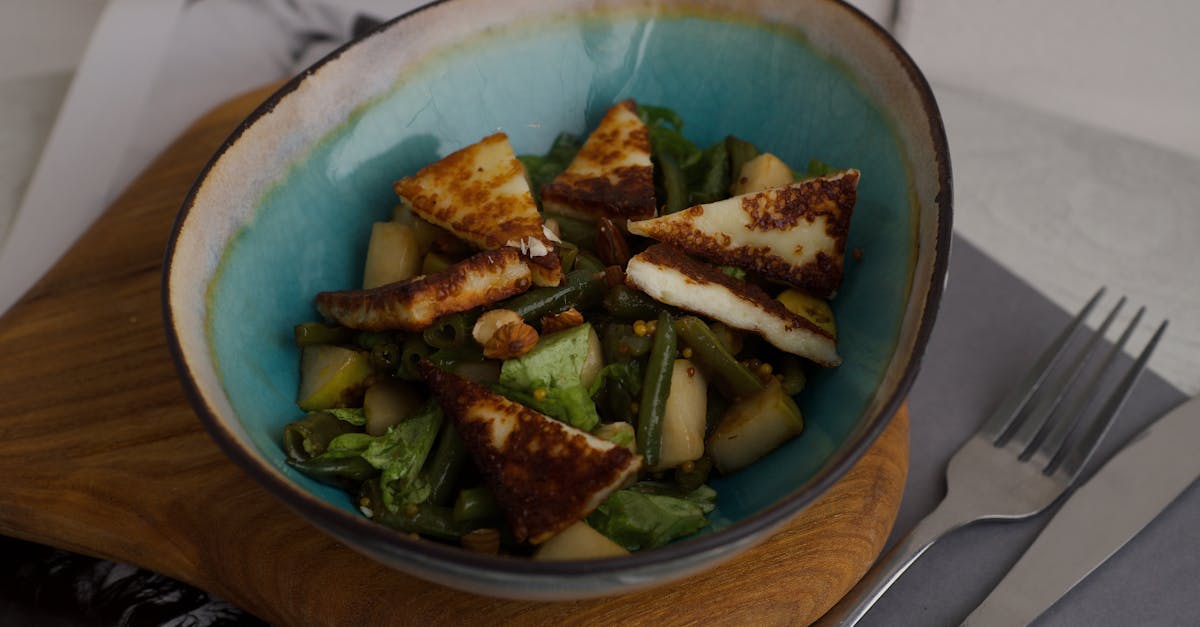
The first time I put pear in a salad, I expected “fine.” I got wow, cold, juicy sweetness against sharp cheese and peppery greens.
A good pear salad recipe feels like biting into contrast: crisp and creamy, sweet and salty, bright and earthy. I test salads the same way I test coffee: I change one variable at a time, I take notes, and I keep what tastes clean and repeatable.
This guide gives you a core pear salad you can make in 15 minutes, plus five seasonal spins. I also show you how I keep pears crisp and pale, which means you can prep ahead without serving brown slices.
Key Takeaways
- This pear salad recipe works because it balances contrast—sweet pear, salty cheese, bitter greens, crunchy nuts, and a bright, sharp dressing.
- Choose the right pear for your timeline: use firm Bosc or Asian pear if the salad will sit, and cut softer Bartlett pears last for the freshest texture.
- Build any version fast with the simple formula greens + pear + fat + crunch + acid, then swap ingredients (cheese, nuts, herbs, or proteins) without losing balance.
- Keep pears crisp and pale by tossing slices for 30 seconds in lemon-water (1 cup water + 1 tablespoon lemon juice) and avoid long soaks that make fruit spongy.
- Make the dressing more acidic than usual for better flavor: try a 2:1 oil-to-vinegar vinaigrette with Dijon so the pear salad stays bright instead of cloying.
- Protect crunch by dressing the greens first, then adding pears, nuts, and cheese at the end, and store components separately if you’re prepping ahead.
Why Pears Work So Well In Salads
A pear can taste like dessert and still behave like a vegetable. That sounds odd until you build a bowl around it.
Pears bring high water content and gentle sweetness, which means they refresh heavy ingredients like cheese, nuts, and roasted grains.
The USDA lists raw pear at about 84% water (by weight), which means pears keep salads from feeling dry even when you skip creamy dressings. Source: USDA FoodData Central.
Flavor Profiles That Pair Best With Pears
You get magic when you pair pear sweetness with something that pushes back.
- Blue cheese + pear creates sweet-salty tension, which means each bite tastes louder without extra salt.
- Goat cheese + pear feels tangy and clean, which means the salad stays light even with rich add-ins.
- Mustard + pear adds bite, which means the sweetness reads as “fresh,” not “candy.”
- Citrus + pear adds lift, which means the pear tastes brighter and less floral.
- Toasted nuts + pear add crunch and warmth, which means the soft fruit never turns the bowl mushy.
Concrete example from my kitchen notes: when I used 1 ounce of blue cheese with 1 medium Bartlett pear, I needed zero added sugar in the dressing, which means the fruit did the balancing work.
Choosing The Right Pear Variety For Your Salad
Not all pears slice the same. I choose pears based on texture under a knife.
| Pear variety | Best use in salad | Ripeness cue | What it changes (which means…) |
|---|---|---|---|
| Bosc | Thin slices, roasting | Firm neck, little give | It holds shape, which means the salad stays crisp longer. |
| Anjou (Green/Red) | Cubes or wedges | Slight give near stem | It stays juicy, which means you can use less dressing. |
| Bartlett | Quick toss salads | Fragrant, soft give | It turns buttery fast, which means you should cut it last. |
| Comice | Show-off salads | Very soft and aromatic | It tastes ultra-sweet, which means you should add acid or bitter greens. |
| Asian pear | Crunch-forward bowls | Very firm, crisp | It behaves like an apple, which means it browns slower and stays snappy. |
My rule: if the salad will sit for more than 20 minutes, I pick Bosc or Asian pear, which means I avoid that “wet and tired” texture at the table.
Pear Salad Ingredients And Substitutions
You open the fridge and you see “not much.” Pear salad still works.
I build pear salads with a simple structure: greens + pear + fat + crunch + acid. That formula stays stable, which means you can swap ingredients without breaking the flavor.
Greens, Herbs, And Crunchy Add-Ins
Greens set the mood. Pears follow.
- Arugula tastes peppery, which means it keeps sweet pears from tasting flat.
- Baby spinach tastes mild, which means kids and picky eaters accept the bowl faster.
- Romaine stays crunchy, which means it handles heavier toppings like cheddar and bacon.
- Radicchio tastes bitter, which means you can use very ripe pears without the salad going sugary.
Add herbs like mint or tarragon in small amounts (about 1 tablespoon chopped per 4 cups greens), which means you get aroma without “herb salad” intensity.
Crunch options I reach for:
- Cucumber (½ cup) adds watery crunch, which means the salad feels bigger with fewer calories.
- Celery (¼ cup) adds sharp snap, which means it supports creamy cheese.
- Toasted breadcrumbs (2 tablespoons) add savory crunch, which means you can skip nuts for allergy needs.
Cheese, Protein, And Plant-Based Options
Cheese adds fat and salt. That matters.
Fat carries aroma molecules, which means pear perfume and nut toastiness register more.
Good cheese picks:
- Blue cheese (1 oz) tastes intense, which means you need less.
- Goat cheese (1.5 oz) tastes tangy, which means you can use sweeter pears.
- Sharp cheddar (1 oz shredded) tastes bold, which means it stands up to romaine and mustard.
Protein ideas:
- Rotisserie chicken (1 cup shredded) makes it a meal, which means lunch holds you longer.
- Prosciutto (2–3 thin slices) adds salt and chew, which means ripe pear tastes even juicier.
- Chickpeas (¾ cup) add body, which means the salad works for plant-based dinners.
Plant-based creamy swaps:
- Avocado (½) adds richness, which means you can reduce oil in the dressing.
- Tahini (1 tablespoon) adds nutty depth, which means you can skip cheese entirely.
Fruit, Nuts, And Pantry Swaps
Pears like company. But you need limits.
I keep total fruit to 1 to 1½ cups per 4 servings, which means the salad stays savory.
- Apples add sharper crunch, which means the bowl tastes brighter.
- Dried cranberries add chewy tart pops, which means you can use milder greens.
- Pomegranate arils add burst and color, which means the salad looks “restaurant.”
Nuts and seeds:
- Walnuts taste slightly bitter, which means they balance sweet pears best.
- Pecans taste buttery, which means they pair well with goat cheese.
- Pumpkin seeds add nut-free crunch, which means school-lunch rules stay easy.
Pantry swaps I actually use:
“If I don’t have nuts, I toast 2 tablespoons of sunflower seeds in a dry pan for 3 minutes. The smell tells me they’re ready, which means I stop before they turn bitter.”
If you want a sweet accent, you can borrow the idea of a flavored drizzle from this boursin hot honey recipe and use just ½ teaspoon honey in your dressing, which means you get warmth without turning the salad into dessert.
The Best Dressings For Pear Salad
One spoon of the wrong dressing can drown a pear. I learned that the hard way with a heavy ranch-style mix.
I aim for dressings that taste sharp first, then mellow. That sequence matters, which means the pear stays the star.
Classic Vinaigrette Ratios And Easy Variations
A classic vinaigrette uses 3 parts oil to 1 part vinegar. Many home cooks go too oily.
I often use 2:1 for pear salad, which means the acidity cuts sweetness faster.
Base pear-salad vinaigrette (makes ~6 tablespoons):
- 4 tablespoons extra-virgin olive oil
- 2 tablespoons apple cider vinegar or white wine vinegar
- 1 teaspoon Dijon mustard
- ¼ teaspoon kosher salt
- Black pepper, 6–8 grinds
Whisk hard for 20 seconds, which means the mustard helps the dressing cling to leaves.
Easy variations (use one at a time):
- Add 1 teaspoon maple syrup, which means you smooth harsh vinegar.
- Add 1 teaspoon lemon zest, which means you boost aroma without extra acid.
- Swap vinegar for sherry vinegar, which means you add nutty depth with walnuts.
Authoritative note: the FDA reminds people that oil-based mixtures can support bacterial growth when you add fresh garlic or herbs and store them at room temperature, which means you should refrigerate homemade dressings promptly. Source: FDA guidance on infused oils.
Creamy Dressings That Still Taste Light
Creamy can still feel clean if you build it on tang.
Greek yogurt dressing (makes ~½ cup):
- ¼ cup plain Greek yogurt
- 2 tablespoons olive oil
- 1½ tablespoons lemon juice
- 1 teaspoon Dijon
- ¼ teaspoon salt
- Water, 1–2 tablespoons to thin
This dressing brings protein from yogurt, which means it eats like a meal without heavy cream.
If you want a sweet, dessert-like finish for a brunch pear salad, you can add a spoon of whipped cream on the side instead of in the bowl. I use ideas from this Baileys Irish cream whipped cream recipe and keep it separate, which means the greens stay crisp.
How To Prep Pears So They Stay Crisp And Don’t Brown
You slice a pear. You turn around. You look back and it has freckles.
That browning comes from enzyme activity (polyphenol oxidase), which means air contact starts the color shift fast.
Slicing Styles And Texture Considerations
Shape changes mouthfeel. Mouthfeel changes satisfaction.
- Thin slices (⅛ inch) fold into greens, which means you get pear in every bite.
- Matchsticks add crunch, which means the salad feels more “snackable.”
- Chunks (¾ inch) feel juicy and bold, which means they work best with sturdy greens like romaine.
- Halved and fanned looks fancy, which means you can serve it as a starter with minimal effort.
My practical test: I weighed a pear at 178 grams and sliced half thin and half chunky. The thin slices softened by minute 25, which means thin cuts need faster service.
Anti-Browning Methods That Don’t Mute Flavor
Acid slows browning. Too much acid ruins pear flavor.
Here are the methods I use, in order:
- Lemon-water dip: 1 cup water + 1 tablespoon lemon juice. Toss pear slices for 30 seconds, which means you slow browning without making them sour.
- Orange juice splash: 1–2 tablespoons. This tastes sweeter than lemon, which means kids accept it more.
- Salt-water quick dip: 1 cup water + ⅛ teaspoon salt, then rinse fast. Salt blocks enzymes, which means the pear stays pale with little citrus flavor.
Warning: Don’t soak pears for 10 minutes. The fruit absorbs water, which means it turns slightly spongy and dilutes your dressing.
If you prep pears ahead, I store them in a container with a paper towel and a tight lid, which means the towel catches extra moisture and keeps edges crisp.
Core Pear Salad Recipe (Step-By-Step)
You toss this salad once and you start buying pears on purpose.
This core pear salad recipe hits five notes: sweet, salty, bitter, crunchy, and bright. That balance matters, which means the bowl tastes complete without extra toppings.
Ingredients List And Recommended Equipment
Serves: 4 as a side, 2 as a main.
Ingredients
- 6 cups arugula (or mixed greens)
- 1 large Bosc or Anjou pear, sliced thin (about 1½ cups)
- ⅓ cup toasted walnuts
- 2 ounces blue cheese, crumbled (or goat cheese)
- ¼ small red onion, sliced very thin (about ¼ cup)
- 2 tablespoons dried cranberries (optional)
Vinaigrette
- 4 tablespoons extra-virgin olive oil
- 2 tablespoons apple cider vinegar
- 1 teaspoon Dijon mustard
- ¼ teaspoon kosher salt
- Black pepper
Equipment
- Large bowl
- Small bowl or jar
- Whisk (or fork)
- Sharp knife and cutting board
This short tool list reduces friction, which means you actually make the salad on weeknights.
Mixing And Assembly Order For The Best Texture
Follow this order. The order protects crunch, which means the salad stays crisp to the last bite.
- Toast the walnuts in a dry pan for 3–5 minutes over medium heat.
Stir often. Nuts burn fast, which means you should stop when they smell sweet and look one shade darker.
- Whisk the dressing for 20 seconds.
The mustard emulsifies, which means the oil does not pool at the bottom.
- Slice the onion and soak it in cold water for 5 minutes.
This removes harsh sulfur bite, which means the onion tastes crisp, not aggressive.
- Cut the pear last and toss it with 1 tablespoon lemon-water (from a 1 cup mix).
This slows browning, which means the salad looks fresh on the table.
- Dress the greens first with about half the vinaigrette.
Greens need coating, which means you avoid overdressing the fruit.
- Add pears, onion, walnuts, cheese.
Gentle toss for 10 seconds. Gentle tossing protects pear edges, which means they stay crisp.
Tasting And Adjusting Seasoning Before Serving
I taste in this sequence: leaf, pear, then everything.
- If it tastes flat, I add a pinch of salt, which means sweetness pops without adding sugar.
- If it tastes too sweet, I add ½ teaspoon vinegar, which means the finish turns bright.
- If it tastes too sharp, I add ½ teaspoon olive oil, which means the acidity rounds out.
Honest assessment: Blue cheese can take over fast. Start with 1 ounce, taste, then add more, which means you stay in control.
If you want a simple side to go with this salad, I often pair it with something snacky like microwave kettle corn for movie night. The sweet-salty combo echoes the pear and cheese, which means the menu feels planned even when it is not.
Pear Salad Variations (5 Ways)
A pear salad can taste like fall, like spring, or like a clean January reset. You just change two ingredients.
Each version below lists one clear “anchor,” which means you can shop fast and still get a distinct result.
Arugula, Pear, Walnut, And Blue Cheese
This is the classic “steakhouse energy” bowl.
- Use 6 cups arugula + 1 Bosc pear + ⅓ cup walnuts + 2 oz blue cheese.
- Add 1 tablespoon sherry vinegar to the dressing.
Sherry vinegar tastes nutty, which means walnuts taste more toasted without longer cooking.
Concrete number: I keep blue cheese at 2 ounces max for 4 servings, which means it stays punchy but not salty.
Spinach, Pear, Goat Cheese, And Candied Pecans
This version tastes like a holiday party, but it still feels light.
- Use baby spinach as the base.
- Swap blue cheese for 2 oz goat cheese.
- Add ¼ cup candied pecans.
Candied nuts bring sugar, which means you should increase vinegar by ½ tablespoon.
If you want a homemade candied note without candying nuts, dust toasted pecans with ½ teaspoon powdered sugar + pinch of salt. That trick works because sugar melts on warm nuts, which means you get a glossy coating in 30 seconds.
Romaine, Pear, Apple, And Cheddar With Mustard Vinaigrette
This one eats like a crisp lunch salad.
- Use 6 cups chopped romaine.
- Use 1 pear + 1 small apple cut into matchsticks.
- Add 1 oz sharp cheddar.
- Add 1½ teaspoons Dijon in the dressing.
Romaine holds dressing well, which means you can pack it for lunch with less sog.
Concrete example: I packed this at 10:30 AM and ate it at 1:00 PM with the dressing on the side. The fruit still snapped, which means the matchstick cut helps.
Fennel, Pear, Citrus, And Almond With Lemon Dressing
This tastes like you ordered it at a coastal cafe.
- Add 1 cup shaved fennel.
- Add segments from 1 orange.
- Swap walnuts for ¼ cup sliced almonds, toasted.
- Use lemon juice as the acid.
Fennel tastes anise-like, which means pear tastes more floral without extra sugar.
Statistic you can trust: one medium orange gives about 70 mg vitamin C (varies by size), which means the citrus helps support iron absorption from leafy greens. Source: USDA FoodData Central.
Warm Roasted Pear Salad With Farro And Hazelnuts
Warm pears smell like caramel even when you add no sugar.
- Roast 2 firm Bosc pears, halved and sliced, at 425°F for 18 minutes with 1 teaspoon olive oil.
- Add 2 cups cooked farro.
- Add ¼ cup toasted hazelnuts.
- Use arugula or baby kale.
Roasting evaporates water, which means pear flavor concentrates and the edges turn silky.
Warning: Roasted pears soften as they sit. Serve within 15 minutes, which means you keep contrast against greens.
When I serve this warm version, I like a bright, tangy side dish earlier in the week, like this blue ribbon pickle recipe. Pickle crunch resets your palate, which means rich nuts and farro do not feel heavy.
Serving Ideas For Any Occasion
A pear salad can look like a “side,” but it can carry the table.
I choose the serving style based on how long the salad must wait, which means I protect texture.
As A Side Salad, Starter, Or Main Course
As a starter:
- Serve 1½ cups per person on chilled plates.
- Fan pear slices on top.
Cold plates slow wilting, which means arugula stays perky for longer.
As a side:
- Pair with roasted chicken or pork.
- Keep cheese at 1 ounce per 4 servings.
Less cheese keeps it light, which means it supports the main instead of competing.
As a main:
- Add 4–6 ounces protein per person (chicken, salmon, chickpeas).
- Add a grain like ½ cup cooked farro per bowl.
That protein target matches common dietitian guidance for a satisfying meal, which means you feel full without extra snacks.
Menus And Pairings For Weeknights And Entertaining
Weeknight menu I use when I have 30 minutes:
- Pear salad + rotisserie chicken + crusty bread.
Rotisserie chicken saves cooking time, which means you spend energy on fresh slicing and dressing.
Entertaining menu I use for 6 people:
- Pear salad starter.
- Pork tenderloin or baked salmon main.
- Simple dessert.
I keep the salad dressing in a jar and shake it right before serving, which means the emulsion turns glossy again.
Practical warning: Do not serve pear salad next to very spicy food. Spice numbs sweetness, which means the pears taste bland.
If you want another “fresh and crisp” starter idea for a party spread, this Casa salad recipe can sit nicely next to pear salad because it uses different textures, which means your menu avoids repetition.
Make-Ahead, Storage, And Leftover Tips
Nothing stings like a soggy salad you meant to be proud of.
I treat pear salad like a last-minute assembly project. That approach works, which means leftovers still taste good.
What To Prep In Advance Without Losing Crunch
You can prep these up to 24 hours ahead:
- Wash and dry greens.
- Toast nuts.
- Mix dressing (and refrigerate).
- Slice onions.
Dry greens matter. Excess water dilutes dressing, which means flavors blur.
I store greens with a paper towel in the container, which means condensation does not pool.
Prep pears only 0–2 hours ahead.
If I must cut early, I use the lemon-water dip and keep pears in an airtight container, which means oxygen exposure drops.
How To Store Dressed Vs. Undressed Salad
Undressed storage (best):
- Store components separately.
- Combine right before eating.
Separate storage prevents wilting, which means you keep crunch on day 2.
Dressed storage (okay for lunch):
- Dress only sturdy greens like romaine.
- Keep pears and nuts separate.
Nuts absorb moisture fast, which means they turn soft if you mix them in early.
Food safety note: The USDA recommends you refrigerate perishable foods within 2 hours (or 1 hour above 90°F), which means you should not leave dressed salad on the counter during a long party. Source: USDA Food Safety and Inspection Service.
Leftover fix I actually use: I turn day-2 pear salad into a wrap.
I add leftover greens, sliced pear, and a smear of goat cheese to a tortilla. That repack changes texture, which means the salad feels new instead of tired.
Conclusion
A great pear salad recipe does not depend on rare ingredients. It depends on contrast you can feel in your teeth.
Start with firm pears, sharp acid, and one salty element. That trio works, which means you can build endless versions without guessing.
If you make one change today, cut the pear last and dress the greens first. That small order shift matters, which means you serve a salad that stays crisp, bright, and actually worth repeating.
Frequently Asked Questions About Pear Salad Recipes
What is the best pear salad recipe for quick weeknight meals?
A reliable pear salad recipe follows a simple formula: greens + pear + fat + crunch + acid. For a 15-minute version, toss arugula with thin-sliced Bosc or Anjou pear, toasted walnuts, blue cheese, and a sharp Dijon vinaigrette. Dress greens first to prevent sogginess.
How do I keep pears from browning in a pear salad recipe?
To prevent browning in a pear salad recipe, use a quick acid dip: mix 1 cup water with 1 tablespoon lemon juice and toss slices for about 30 seconds. Don’t soak too long or pears turn spongy. Store prepped pears airtight with a paper towel to reduce moisture.
Which pear variety is best for salad—Bosc, Anjou, Bartlett, or Asian pear?
Choose pears by how long the salad will sit. Bosc and Asian pear stay firm and hold shape, making them best for make-ahead or longer serving windows. Anjou stays juicy and versatile for cubes or wedges. Bartlett turns buttery quickly, so slice it last and serve fast.
What dressing goes best with a pear salad recipe?
Bright, acidic dressings make pears taste fresh instead of candy-sweet. A classic pear-salad vinaigrette is olive oil, apple cider (or white wine) vinegar, Dijon, salt, and pepper—often at a 2:1 oil-to-vinegar ratio for extra lift. Whisk hard so mustard helps it cling.
Can I make a pear salad recipe ahead of time without it getting soggy?
Yes—prep components separately up to 24 hours ahead: wash and dry greens, toast nuts, mix and refrigerate dressing, and slice onions. Cut pears only 0–2 hours before serving, using lemon-water to slow browning. Combine and dress right before eating for best crunch.
What proteins pair well with a pear salad recipe for a full meal?
For a main-dish pear salad recipe, add 4–6 ounces of protein per person. Rotisserie chicken is the easiest option; chickpeas work well for plant-based meals; prosciutto adds salty chew that highlights pear sweetness. For extra staying power, add a grain like cooked farro.
