
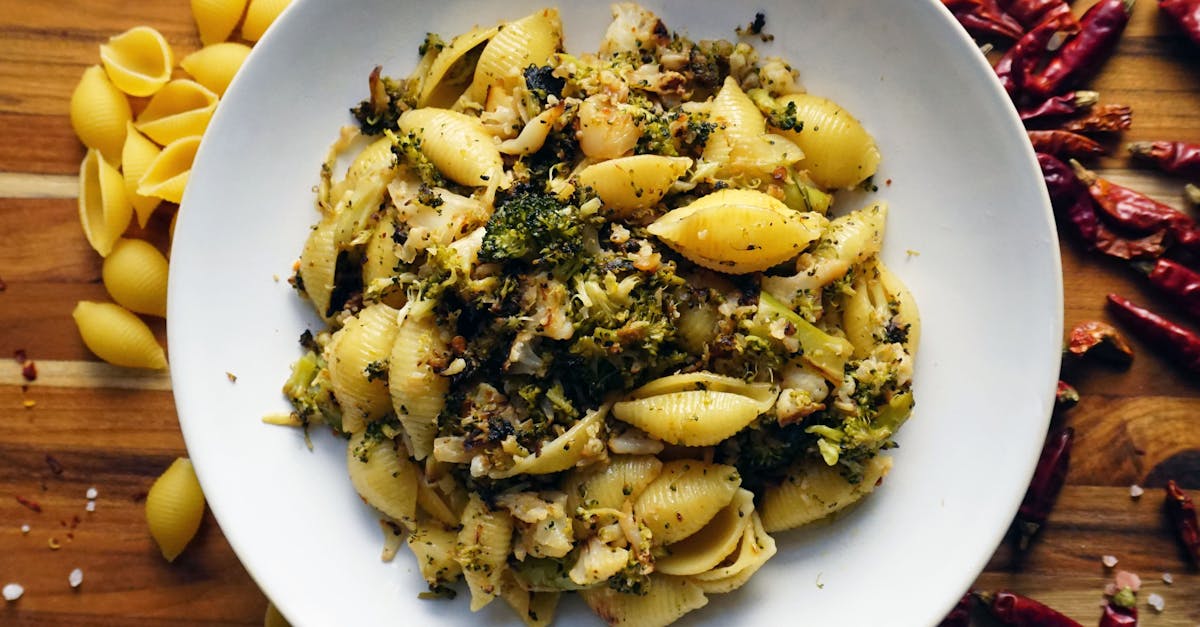
The first time I made pasta puttanesca, I tasted the sauce and stopped mid-stir.
It hit like a bright, salty wave, tomato sweetness, olive bite, caper tang, garlic warmth, and it tasted finished in about 15 minutes. That speed is the magic. This pasta puttanesca recipe uses pantry staples, but it still feels like a real Italian dinner, not a “backup plan.”
I’ve cooked this version dozens of times, timed it, tweaked salt levels, and tested it with and without anchovies. Below is the method I trust when I want a bold, briny plate that clings to the pasta and doesn’t turn watery or greasy.
Key Takeaways
- This pasta puttanesca recipe delivers bold, briny Italian flavor fast by leaning on pantry staples like tomatoes, olives, capers, and garlic.
- Use the coating ratio of 1 (28-ounce) can of tomatoes to 12 ounces of pasta so the sauce clings to the noodles instead of turning watery.
- Add 2–4 anchovy fillets (optional) early and mash them into warm olive oil with garlic to build savory depth without a fishy taste, then hold extra salt until the end.
- Rinse capers briefly (and overly salty olives if needed) to keep the sauce bright and balanced, aiming for about 1/2 cup olives plus 2 tablespoons capers for 4 servings.
- Reserve 1 cup pasta water and toss vigorously with about 1/4 cup at first to emulsify the sauce into a glossy finish that coats every strand.
- Finish the pasta puttanesca recipe off heat with parsley and a small drizzle of olive oil (and optional lemon) to boost freshness and keep the flavors sharp.
What Makes Puttanesca Puttanesca
A good puttanesca tastes like you opened the Mediterranean and poured it into a pan.
It relies on salty, fermented, and briny ingredients which means you get huge flavor fast without long simmering.
Core Flavors: Tomatoes, Olives, Capers, And Garlic
Tomatoes bring sweetness and body, which means the sauce can balance the salt from olives and capers.
Olives add fat and bitterness, which means the sauce tastes round instead of sharp.
Capers add clean, punchy acidity, which means each bite stays lively even with rich olive oil.
Garlic adds heat and aroma, which means the whole dish smells “done” before it even hits the table.
A concrete anchor: I aim for 1 (28-ounce) can of tomatoes for 12 ounces of pasta. That ratio which means the pasta gets coated, not drowned.
Anchovies: Traditional, Optional, And How To Use Them Well
Anchovies are traditional in many versions.
They melt into the oil which means you get savory depth without a fishy taste.
When I test side-by-side batches, the anchovy version tastes more “complete” after just 10 minutes of simmering, which means you don’t need to “fix it” later with extra salt.
How I use them well:
- I use 2 to 4 anchovy fillets (oil-packed) which means I can control salt.
- I mash them into warm olive oil with garlic which means they dissolve fully.
- I skip extra salt until the end which means I avoid an unfixable salty sauce.
If you hate anchovies, skip them.
You can still make a great pasta puttanesca recipe with smart seasoning and good olives.
Choosing Ingredients For The Best Results
I once grabbed “whatever olives were open” and the whole pot turned harsh and salty.
Ingredient choice matters here because the ingredient list stays short, which means every single item shows up in the final bite.
Best Pasta Shapes For Puttanesca
I reach for spaghetti most often, which means the sauce wraps around strands and stays glossy.
Other great choices:
| Pasta shape | Why it works | What it means for you |
|---|---|---|
| Spaghetti | Classic, easy to toss | Even coating which means consistent flavor |
| Linguine | Slightly wider strand | More surface which means more sauce per bite |
| Bucatini | Hollow center | Sauce gets inside which means bigger flavor hits |
| Penne rigate | Ridges catch bits | Olive/caper capture which means fewer “naked” bites |
I avoid very tiny shapes for this sauce.
Tiny pasta which means you lose the bold contrast of briny chunks against smooth tomato.
Tomatoes: Canned Types, Quality, And When To Use Fresh
For weeknights, I use canned whole peeled tomatoes.
Whole peeled tomatoes which means you control texture by crushing them to your liking.
My buying rule:
- San Marzano-style (DOP if you can find it) which means lower bitterness and cleaner tomato flavor.
A real data point: the USDA reports that most Americans fall short of vegetable intake (USDA Dietary Guidelines), which means using a full 28-ounce can of tomatoes is an easy way to push dinner toward more plant food without “trying.”
When I use fresh tomatoes:
- I only use fresh in peak season, and I cook them longer.
Fresh tomatoes which means you need more simmer time to drive off water and concentrate flavor.
Olives And Capers: Varieties, Salt Levels, And Prep
Olives can make or break puttanesca.
I like Kalamata or Gaeta-style olives, which means you get fruitiness plus a gentle bitterness.
Capers: I prefer brined capers over salt-packed most nights.
Brined capers which means less guessing about salt and easier measuring.
Prep that prevents salt overload:
- I rinse capers for 5 seconds which means I keep the tang but drop surface salt.
- If olives taste aggressively salty, I give them a quick rinse too, which means the sauce stays balanced.
A concrete example: using 1/2 cup olives plus 2 tablespoons capers usually lands right for 4 servings, which means you taste brine without feeling like you licked the ocean.
Heat, Herbs, And Finishers: Chili, Parsley, And Olive Oil
A pinch of chili changes the whole mood.
Red pepper flakes add a back-of-throat warmth, which means the sauce feels lively even without meat.
For herbs, I use fresh parsley at the end.
Parsley at the end which means it stays green and fresh instead of turning dull and bitter.
For olive oil, I split it:
- Some oil early for sautéing which means garlic cooks evenly.
- A small drizzle at the end which means the sauce smells fruity and tastes glossy.
If you like Italian comfort food with bright acidic notes, you may also like a vinegar-forward dressing like this Jersey Mike’s oil and vinegar style blend, which means you can build a sharp side salad that stands up to the briny pasta.
How To Make Pasta Puttanesca Step By Step
The “surprise” of puttanesca is the timing.
I can start with a cold pan and serve dinner in about 20 minutes, which means it fits a real weeknight.
Below is the exact method I use for a reliable pasta puttanesca recipe.
Prep Checklist And Timing
I prep everything before the pan gets hot.
That prep which means I don’t burn garlic while I hunt for capers.
What I set out (4 servings):
- 12 oz spaghetti (or linguine)
- 3 tbsp extra-virgin olive oil (plus 1 tsp to finish)
- 4–5 cloves garlic, thinly sliced
- 2–4 anchovy fillets (optional)
- 1/2 tsp red pepper flakes (adjust)
- 1 (28 oz) can whole peeled tomatoes, crushed by hand
- 1/2 cup pitted olives, chopped or halved
- 2 tbsp capers, rinsed
- 2 tbsp parsley, chopped
Timing I follow:
| Task | Time | What it means |
|---|---|---|
| Boil water and start pasta | 10–12 min | Parallel cooking which means faster dinner |
| Build sauce | 12–15 min | Short simmer which means bright flavor |
| Toss and emulsify | 1–2 min | Silky finish which means sauce clings |
Build The Sauce: Aromatics To Simmer
- I heat 3 tablespoons olive oil in a large skillet over medium-low heat.
Gentle heat which means garlic turns sweet instead of bitter.
- I add sliced garlic and cook 60–90 seconds until it smells strong.
- If I use anchovies, I add them now and mash them with a spoon.
They dissolve which means the sauce gets savory depth without chunks.
- I add red pepper flakes and stir 10 seconds.
- I add crushed tomatoes.
- I simmer 10 minutes at a steady bubble.
That simmer which means the tomato flavor concentrates and the sauce thickens.
- I stir in olives and capers and simmer 2 more minutes.
Late add-ins which means olives stay distinct instead of tasting cooked-flat.
Cook The Pasta And Reserve Pasta Water
I salt the pasta water, but I don’t go wild.
A practical warning: olives, capers, and anchovies already carry salt, which means oversalting the water can ruin the whole pot.
I use about 1 tablespoon kosher salt per 4 quarts of water.
That level which means the pasta tastes good, but the sauce stays in control.
Before I drain, I reserve 1 cup pasta water.
That starchy water which means I can bind sauce and pasta without extra oil.
Toss, Emulsify, And Adjust Seasoning
- I add drained pasta straight into the skillet.
Direct tossing which means the pasta absorbs sauce while it is hot.
- I add 1/4 cup pasta water and toss hard for 30 seconds.
That agitation which means oil and tomato form a glossy emulsion.
- I add more pasta water, 1–2 tablespoons at a time, until the sauce clings.
- I turn off heat and add parsley and a 1 teaspoon olive oil drizzle.
- I taste and adjust.
I usually add zero extra salt, which means I preserve balance.
If I want extra brightness, I add 1 teaspoon lemon juice.
Lemon which means the sauce tastes sharper without adding more salt.
If you want a quick side with a similar punch, I often serve a small bowl of pickles.
A crisp option like this Blue Ribbon pickle recipe which means you get crunch and acidity that resets your palate between bites.
Common Mistakes And How To Fix Them
I have messed up puttanesca in every possible way.
Each fix feels simple once you see the cause, which means you can save dinner fast.
Too Salty, Too Acidic, Or Too Oily
Problem: Too salty.
Salt overload usually comes from capers, olives, anchovies, and pasta water, which means you need dilution and balance.
Fixes I actually use:
- Add 2–4 tablespoons unsalted pasta water which means you spread salt across more volume.
- Add 1/2 cup extra crushed tomatoes which means you add sweetness and body.
- Add 1 teaspoon sugar only if needed which means you round harsh edges without making it sweet.
Problem: Too acidic.
Tomatoes can taste sharp, which means you need either time or a counterweight.
- Simmer 5 more minutes which means acid softens.
- Add 1 teaspoon olive oil which means fat carries flavor and reduces bite.
Problem: Too oily.
Too much oil which means the sauce slides off the pasta.
- Add pasta water and toss hard which means you emulsify.
- Add more tomatoes which means the sauce gets structure.
Watery Sauce Or Sauce That Won’t Cling
Watery sauce usually comes from short simmering or low-starch tossing.
That wateriness which means you get a puddle at the bottom of the bowl.
Fix:
- Simmer sauce uncovered 5–8 minutes which means water evaporates.
- Use 1/2 cup pasta water max and add slowly which means you avoid thinning.
- Toss over low heat 30–60 seconds which means starch activates and binds.
Concrete test: when I crush whole tomatoes by hand and simmer 10 minutes, the sauce thickens enough to coat a spoon, which means it will coat pasta too.
Mushy Pasta Or Overcooked Garlic
Mushy pasta happens fast.
Overcooked pasta which means the sauce turns starchy and dull.
Fix:
- Cook pasta 1 minute less than the box says which means finishing in sauce keeps it springy.
Overcooked garlic tastes bitter.
Bitter garlic which means it dominates everything.
Fix:
- Keep heat at medium-low and cook garlic only until fragrant.
- If garlic browns, I start over.
Yes, I dump it.
A harsh garlic base which means no amount of tomatoes will rescue the flavor.
Variations And Dietary Swaps
Puttanesca is strict in flavor, not strict in rules.
Small swaps can still taste “right,” which means you can fit it to your pantry or diet.
Anchovy-Free And Vegetarian Options
I make an anchovy-free version when I cook for friends who swear they hate them.
I replace anchovies with 1 teaspoon soy sauce or 1 teaspoon white miso, which means I still get savory depth.
Vegetarian note: Parmesan uses animal rennet sometimes, which means strict vegetarians should choose a rennet-free hard cheese or skip cheese.
Add-Ins: Tuna, Shrimp, Or Extra Vegetables
Tuna (1 can, drained) works well.
Tuna which means you get protein without extra cooking steps.
Shrimp works if you keep it quick.
I add 12 ounces peeled shrimp in the last 2–3 minutes of simmering, which means it stays tender.
Vegetables I have tested:
- 1 cup sliced mushrooms sautéed first which means you add earthy depth.
- 2 cups baby spinach stirred in at the end which means it wilts fast and adds color.
If you like garlic-heavy vegetable sides, a quick skillet of something like these balsamic soy roasted garlic mushrooms pairs well, which means you can build a fuller plate without changing the pasta.
Gluten-Free And Whole-Wheat Pasta Notes
Gluten-free pasta can work, but it can turn gummy.
That gumminess which means the sauce will not cling the same way.
What I do:
- I undercook GF pasta by 2 minutes which means I reduce mush.
- I rinse it lightly only if the brand gets very sticky, which means I avoid a gluey bowl.
Whole-wheat pasta tastes nutty.
That nutty flavor which means it can stand up to strong olives and capers.
I add 1 extra tablespoon pasta water when I toss whole-wheat, which means I keep the texture silky.
Serving Suggestions And Pairings
The best puttanesca serving trick is contrast.
You want crunch, freshness, and a drink that cleans the salt, which means you keep wanting the next bite.
Garnishes And Cheese: What Works And What Doesn’t
I finish with parsley and sometimes lemon zest.
That green top note which means the briny sauce tastes brighter.
Cheese is optional.
A common rule says “no cheese with anchovies,” but I go by taste.
What I use:
- Pecorino Romano in small amounts which means you add sharpness that matches the brine.
What I skip:
- Heavy, creamy cheeses which means they fight the clean, salty profile.
Simple Sides And Wine Pairings
Sides I actually make on weeknights:
- A crisp salad with an acidic dressing which means it cuts through oil.
- Toasted bread which means you can swipe the last sauce from the bowl.
Wine pairing ideas:
| Drink | Why it fits | What it means |
|---|---|---|
| Dry rosé | Acid + fruit | Resets salt which means the pasta tastes less heavy |
| Pinot Grigio | Clean, light | Cleans the finish which means you taste olives and tomato clearly |
| Chianti | Cherry + tannin | Stands up to garlic which means the sauce tastes richer |
If you want dessert after a salty pasta, I like something light and fried like classic zeppole, which means you end the meal with warmth and sugar without another heavy course.
How Much To Make Per Person
I plan 3 ounces of dry pasta per person for most adults.
That portion which means dinner feels satisfying without a food coma.
If I serve big sides, I drop to 2.5 ounces per person.
If I serve it as the main event, I go up to 4 ounces per person.
For sauce, I use the full recipe for 12 ounces pasta.
That ratio which means you get enough olives and capers in every bowl.
Storage, Reheating, And Make-Ahead Tips
Leftover puttanesca smells better the next day.
The briny ingredients settle into the tomato, which means the sauce tastes more unified after resting.
How To Store Sauce And Cooked Pasta Separately
I store sauce and pasta in separate containers.
That separation which means the pasta does not soak up all the liquid and go soft.
Storage numbers:
- Refrigerator: up to 4 days for sauce in a sealed container, which means you can meal prep lunches.
For food safety, I follow USDA guidance for leftovers (USDA Food Safety), which means I cool food fast and refrigerate within 2 hours.
Best Reheating Methods Without Drying It Out
I reheat sauce in a skillet over medium-low.
Skillet reheating which means I can control thickness.
Then I add a splash of water.
I use 2–3 tablespoons water per serving, which means the sauce loosens without extra oil.
For pasta, I do one of these:
- Toss pasta into the sauce for 60–90 seconds which means it warms evenly.
- Dip pasta in boiling water for 15 seconds which means it revives texture fast.
Microwave works in a pinch.
I cover the bowl and stir every 30 seconds, which means the edges do not dry out.
Freezing Tips And What Changes In Texture
I freeze the sauce, not the pasta.
Freezing sauce which means you avoid mushy noodles.
Freezer notes:
- Freeze up to 2 months in a tight container, which means weeknight dinner becomes a reheat job.
Texture change warning:
- Olives can soften after freezing, which means you lose some bite.
I fix that by adding a few fresh chopped olives after reheating, which means the finished bowl still has contrast.
Conclusion
Pasta puttanesca rewards bold choices.
You add briny pantry staples, you simmer for 10 minutes, and you toss hard with pasta water, which means you get a sauce that tastes like it took all afternoon.
If you remember only three moves, remember these:
- Hold salt until the end, which means you stay in control.
- Reserve 1 cup pasta water, which means you can make the sauce cling.
- Finish with parsley and a touch of oil, which means the bowl tastes fresh, not flat.
When I want dinner that feels loud and alive, garlic on my fingers, steam in my face, red sauce on the spoon, I make this pasta puttanesca recipe.
It never asks for perfection.
It asks for confidence, heat, and one good toss at the stove.
Frequently Asked Questions About Pasta Puttanesca
What makes a pasta puttanesca recipe taste like real puttanesca?
A classic pasta puttanesca recipe gets big flavor fast from tomatoes, olives, capers, and garlic. Those briny, salty ingredients create a bold sauce without long simmering. Many versions also use anchovies, which melt into the oil for savory depth without making the dish taste fishy.
How do I keep pasta puttanesca sauce from turning watery or greasy?
Simmer the crushed tomatoes at a steady bubble for about 10 minutes to thicken, then add olives and capers near the end. Reserve pasta water and toss hard with a splash to emulsify the oil and tomato. Add water slowly so the sauce clings instead of puddling.
Do anchovies belong in pasta puttanesca, and can I skip them?
Anchovies are traditional, but they’re optional in a pasta puttanesca recipe. When used, 2–4 oil-packed fillets mashed into warm olive oil with garlic dissolve and add “complete” savory depth. If you hate anchovies, skip them and hold salt until the end to stay balanced.
How salty should I make the pasta water for pasta puttanesca?
Because olives, capers, and anchovies already bring salt, keep pasta water seasoning moderate. A reliable guideline is about 1 tablespoon kosher salt per 4 quarts of water. This seasons the noodles without pushing the finished pasta puttanesca recipe into an unfixably salty zone.
What’s the best pasta shape for a pasta puttanesca recipe?
Spaghetti is the classic choice because the sauce wraps around strands and stays glossy. Linguine adds more surface area, bucatini lets sauce slip into the hollow center, and penne rigate catches olive and caper bits in the ridges. Very tiny shapes can lose the bold contrasts.
Can I make pasta puttanesca vegetarian without losing the savory flavor?
Yes. To replace anchovies’ umami in a vegetarian pasta puttanesca recipe, use about 1 teaspoon soy sauce or 1 teaspoon white miso in the sauce. Choose brined capers and good olives for briny punch, and taste before adding extra salt so the flavors stay clean and balanced.
