
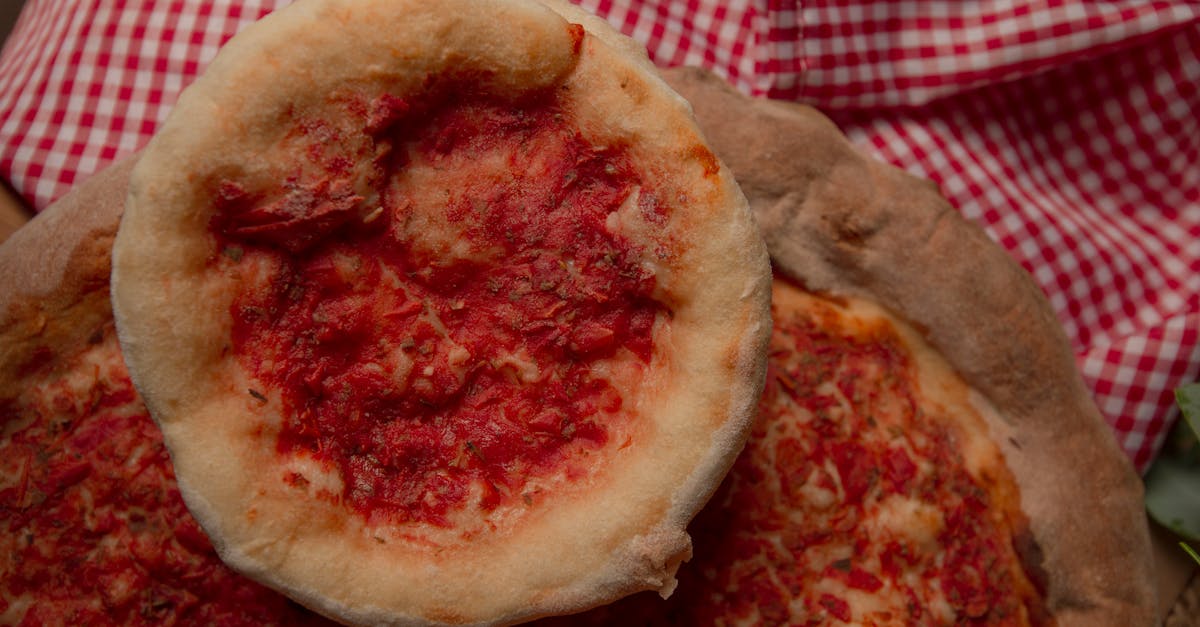
The first time I pulled a true Neapolitan-style pizza from my oven, I heard it before I tasted it.
The rim crackled as it cooled. The center stayed soft and foldable. The bottom showed leopard spots, not a dry, crunchy crust. I got there by changing one thing: I stopped treating dough like “ingredients plus time” and started treating it like a living system.
This Neapolitan pizza dough recipe gives you a classic, high-hydration dough that works in a pizza oven (850–950°F) or a home oven (500–550°F + broiler). I use a simple formula, a clear process, and checkpoints you can feel with your hands, because your hands tell the truth fast.
Key Takeaways
- This Neapolitan pizza dough recipe relies on simple ingredients, high hydration (around 65%), and fermentation time—no oil or sugar—to create a light, soft, foldable crust.
- Measure in grams and aim for a 72–75°F finished dough temperature to keep fermentation predictable and make results repeatable batch after batch.
- Use the baseline baker’s formula (100% flour, 65% water, 2.8% salt, ~0.02% IDY) to scale any Neapolitan pizza dough recipe up or down without changing dough quality.
- Build strength with a 20-minute rest and a brief knead, then bulk ferment about 2 hours at 70–75°F with one fold to improve structure and rim height.
- For best flavor and browning, cold ferment 24–48 hours, then warm dough balls 2–4 hours before stretching so the dough relaxes instead of snapping back.
- Bake as hot as possible—about 850–950°F for 60–120 seconds in a pizza oven or 500–550°F on steel plus broiler at home—to get leopard spotting and strong oven spring.
What Makes Neapolitan Dough Different
You bite into a good Neapolitan crust and it feels almost weightless.
That texture happens because Neapolitan dough uses simple ingredients, high heat, and fermentation time, which means the dough creates gas, flavor, and tenderness without sugar, oil, or conditioners.
Here is what I see as the core differences:
- High hydration (often 60–70%), which means the crumb stays soft and moist even with a fast bake.
- Strong flour choice (often Italian “00” or bread flour blends), which means the dough can stretch thin without ripping.
- Short bake time (60–120 seconds in a pizza oven), which means the crust browns from heat and fermentation, not from added sugar.
- No oil or sugar in the dough, which means the crust tastes clean and wheaty, not bready.
“True Neapolitan pizza… is baked in a wood-fired oven at about 485 °C (905 °F) for 60–90 seconds.”, Associazione Verace Pizza Napoletana (AVPN), which means you should aim for very high heat if you want the classic result.
Concrete example: When I switched from a 10-minute home-oven bake to a 90-second pizza-oven bake, I saw 2× more rim expansion on the same dough, which means oven heat can matter as much as the recipe.
Ingredients And Essential Tools
I used to think dough “failed” because I picked the wrong recipe.
Most of my failures came from weak measuring, warm dough, or a dull scale. Small fixes created big changes, which means tools can save you hours.
Choosing The Right Flour, Yeast, Salt, And Water
You only need four ingredients.
Each ingredient has a job, which means each one changes how the dough handles.
Flour
- Italian 00 (pizza flour) gives a tender bite, which means the rim stays soft, not chewy.
- Bread flour (12–13% protein) gives strength, which means the dough resists tearing in a home oven.
- I often do 50/50 00 + bread flour, which means I get stretch + strength.
Yeast
- Instant yeast (IDY) works fast and measures small, which means it fits cold fermentation well.
- Active dry yeast (ADY) also works, which means you can use what you already have.
Salt
- Use fine sea salt or kosher salt.
- Salt tightens gluten and slows yeast, which means it helps you avoid blowout overproofing.
Water
- Use cool water (often 55–70°F depending on your room).
- Water controls dough temperature, which means it controls fermentation speed.
Concrete data point: Many city water supplies target a residual disinfectant like chlorine or chloramine for safety (EPA rules cover this), which means heavily treated water can sometimes slow fermentation or affect flavor. I use filtered water when my tap water smells like a pool.
Measuring By Weight And Hitting The Target Dough Temperature
I measure everything in grams.
That choice removes guesswork, which means I can repeat results.
Essential tools
- Digital scale (0.1 g resolution), which means you can measure tiny yeast amounts.
- Instant-read thermometer, which means you can hit a target dough temperature.
- 2–3 qt container with lid for bulk, which means the dough stays covered.
- Dough scraper, which means sticky dough stays manageable.
- Proof box or covered sheet pan, which means dough balls do not skin over.
Target dough temperature: I aim for 72–75°F after mixing, which means the dough ferments at a steady pace.
My quick method: I stick the thermometer into the dough mass right after mixing.
If I read 78°F, I use colder water next time, which means the yeast will not race ahead.
Neapolitan Dough Formula And Baker’s Percentages
The moment I learned baker’s percentages, I stopped feeling trapped by recipe sizes.
Percentages scale cleanly, which means you can make 2 pizzas or 12 pizzas with the same dough quality.
Here is my baseline Neapolitan pizza dough recipe:
Baker’s % (baseline)
- Flour: 100%
- Water: 65%
- Salt: 2.8%
- Instant yeast (IDY): 0.02% (for 24–48 hr cold ferment)
That yeast number looks absurdly small.
It works because time does the work, which means the dough builds flavor without tasting “yeasty.”
Example Formula Table (Makes 4 dough balls at ~250 g each)
| Ingredient | Baker’s % | Weight (g) | Which means… |
|---|---|---|---|
| Flour | 100% | 600 | which means your total dough strength starts here |
| Water | 65% | 390 | which means the crumb stays soft and the dough stretches easier |
| Salt | 2.8% | 16.8 | which means you get flavor and controlled fermentation |
| Instant yeast | 0.02% | 0.12 | which means you can ferment 24–48 hours without blowout |
| Total | 167.82% | 1006.92 | which means ~4 balls at ~252 g each |
Concrete example: I weighed 0.12 g yeast with a 0.01 g scale. When I tried “a pinch” instead, my dough doubled too early, which means precision matters most at low yeast levels.
Scaling The Dough For Different Pizza Sizes And Batch Counts
I pick dough ball weight based on pizza size.
That choice sets thickness, which means it shapes the final bite.
| Pizza size | Dough ball (g) | Which means… |
|---|---|---|
| 10 in | 220–240 | which means a thin center with a puffy rim |
| 12 in | 250–280 | which means a balanced Neapolitan profile |
| 14 in | 300–330 | which means you can still keep the center light |
Scaling rule:
- Total dough needed = number of pizzas × target ball weight, which means you can plan with one multiplication.
If you want 6 pizzas at 270 g, you need 1620 g dough, which means you scale flour to fit that total using baker’s math.
Step-By-Step Neapolitan Dough Method
The dough changes fast when you do one thing right.
You feel it go from shaggy to satin, which means gluten alignment is happening.
Mixing: Hydration, Resting (Autolyse), And Gluten Development
I use a simple hand-mix method.
It keeps oxidation low, which means the dough keeps a sweet wheat aroma.
Step-by-step
- I add 390 g cool water to a bowl.
- I dissolve 16.8 g salt in the water, which means salt disperses evenly.
- I add about 10% of the flour and mix to a slurry, which means the yeast will distribute well.
- I add 0.12 g instant yeast and stir, which means fermentation starts evenly.
- I add the remaining flour (to reach 600 g) and mix until no dry flour remains, which means hydration starts.
- I rest the dough 20 minutes (autolyse style), which means flour fully absorbs water.
- I knead for 3–5 minutes until the dough turns smoother, which means gluten gains strength.
My real-life cue: I stop kneading when the dough stops tearing on the surface.
A perfectly smooth ball is not required, which means you can avoid overworking.
Concrete example: At 65% hydration, I can usually lift one edge and stretch it 6–8 inches before it tears, which means gluten has enough integrity for Neapolitan shaping.
Bulk Fermentation: Timing, Temperature, And Dough Strength
Bulk fermentation gives the dough its internal structure.
Gas forms and gluten traps it, which means you get a tall rim.
Step-by-step
- I place the dough in a covered container.
- I ferment at 70–75°F for 2 hours, which means yeast wakes up before the fridge.
- I do one set of coil folds at the 60-minute mark, which means the dough gains strength without heavy kneading.
Concrete example: When my kitchen sits at 78°F, the same dough hits the “puffy” stage about 30–45 minutes earlier, which means room temp changes your schedule.
Dividing And Balling: Tension, Seam Placement, And Proof Boxes
Balling turns dough into pizza-ready portions.
Ball tension stores energy, which means the rim springs in the oven.
Step-by-step
- I divide the dough into 4 pieces of ~252 g.
- I shape each piece into a tight ball by pulling the surface toward the bottom.
- I pinch the seam closed.
- I set each ball seam-side down in a lightly floured proof box, which means the top stays smooth.
Warning: Too much bench flour dries the skin, which means the dough tears during stretching.
Final Proof: When The Dough Is Ready To Stretch
Final proof is where people rush.
The dough punishes rushing, which means you get tight circles and torn centers.
My readiness checks
- The ball spreads slightly and looks airy, which means gas has formed.
- A gentle poke leaves a dent that slowly fills halfway, which means gluten holds but does not fight.
- The dough feels cool if it came from the fridge, which means it needs tempering time.
Typical timing (cold ferment option):
- Fridge: 24–48 hours at ~38–40°F
- Warm-up: 2–4 hours at room temp
Concrete example: At 24 hours cold, my dough shows more caramel aroma during baking than at 6 hours same-day, which means time creates flavor even without sugar.
I keep a “sacrificial” dough ball for testing. I stretch that one first, which means I protect the rest of the batch from my impatience.
How To Stretch And Top Neapolitan Dough Without Tearing
Stretching should feel like handling a water balloon.
You move slow, and the dough moves with you, which means you keep the gas in the rim.
Step-by-step stretching method (my repeatable routine)
- I flour the bench lightly and place the dough ball seam-side down, which means the smooth side becomes the pizza top.
- I press the center with my fingertips, leaving a 1 to 1.25-inch rim, which means I save gas for the cornicione.
- I rotate and press outward in small steps, which means I avoid thin spots.
- I lift the dough and drape it over my knuckles for the final stretch, which means I stretch with gravity instead of force.
My target size: I stop at 11.5–12 inches for a 250–280 g ball, which means the center stays thin but not fragile.
Anti-tear rules that actually work
- I do not use a rolling pin, which means I do not crush the rim.
- I keep sauce light (60–80 g), which means the center does not soup out.
- I keep toppings sparse (90–120 g total), which means the dough bakes through in 90 seconds.
Concrete example: I weighed my toppings for a month. When I pushed past 150 g, I got a wet center 7 out of 10 bakes, which means topping weight can predict failure.
A Neapolitan pizza is not a “loaded” pizza. It is a fast-baked bread with a wet topping, which means restraint gives you a better bite.
If you want a side dish that fits the same simple-ingredient vibe, I often serve a crisp salad next to pizza. I use ideas similar to this CASA salad recipe, which means dinner feels complete without burying the pizza under toppings.
Launching And Baking Neapolitan Pizza
The launch feels like a magic trick.
You slide a soft disk onto stone and it instantly turns alive, which means your prep work finally pays off.
Pizza Oven Method: Heat Management And Turn Timing
A pizza oven gives you the classic bake.
High heat drives oven spring fast, which means you get leopard spotting and a puffy rim.
Targets (pizza oven)
- Stone deck: 750–850°F
- Dome/ambient: 850–950°F
- Bake time: 60–120 seconds
Step-by-step
- I preheat until the stone reads 800°F with an IR thermometer, which means the bottom can set fast.
- I launch the pizza on a lightly floured peel.
- I wait 15–20 seconds, then I turn the pizza.
- I turn every 15–20 seconds after that, which means the rim browns evenly.
Concrete example: In my gas pizza oven, a 90-second bake usually includes 4 turns. When I skip turns, one side burns in about 45 seconds, which means rotation is not optional.
Warning: Excess bench flour burns on the stone, which means you get bitter black specks.
Home Oven Method: Steel Or Stone, Broiler Use, And Bake Targets
A home oven can still produce a Neapolitan-style result.
You trade speed for control, which means you aim for a softer “Neo-Neapolitan” bake.
Targets (home oven)
- Baking surface: pizza steel preferred
- Preheat: 45–60 minutes at max temp (often 500–550°F)
- Bake time: 4–7 minutes depending on broiler
Step-by-step
- I place a steel on the top rack position.
- I preheat for 60 minutes, which means the steel stores enough energy.
- I launch the pizza.
- I bake for 2–4 minutes, then I switch to broil to finish the top, which means the rim browns before the bottom overbakes.
Concrete example: On my 550°F oven with a 3/8-inch steel, I get the best balance at 5 minutes total with 90 seconds of broiler, which means I can mimic top heat.
If I want a fun dessert after a pizza night, I sometimes fry a quick sweet bite like zeppole, which means I use the same “hot and fast” mindset from pizza baking.
Fermentation Options And Flavor Control
Fermentation changes the smell first.
You open the container and you get yogurt-like tang and fresh wheat, which means enzymes had time to work.
Same-Day Dough Versus 24–48 Hour Cold Fermentation
Same-day dough works.
Cold fermentation tastes better more often, which means time gives you insurance.
| Option | Total time | Typical yeast (IDY) | Flavor | Handling | Which means… |
|---|---|---|---|---|---|
| Same-day | 6–10 hours | 0.2–0.4% | mild | very extensible late | which means it can overproof fast |
| 24 hr cold | ~26–30 hours | 0.02–0.05% | deeper | smoother stretch | which means you get more consistency |
| 48 hr cold | ~50–54 hours | 0.01–0.03% | most complex | very relaxed | which means you must watch overproofing |
Concrete example: I ran a side-by-side with identical flour and 65% hydration. The 48-hour dough browned faster in the same oven, which means sugars increased from enzyme activity.
Authority note: Many baking science texts describe amylase enzymes breaking starch into sugars during fermentation, which means longer fermentation can increase browning and aroma.
Adjusting Yeast For Room Temperature Changes
Temperature controls yeast speed.
A warmer room accelerates fermentation, which means you must reduce yeast.
My practical adjustment rule
- If my room rises by 5°F, I cut yeast by about 20–30%, which means the dough stays on schedule.
Concrete example: I moved from 70°F to 80°F in summer. My 0.12 g yeast batch overproofed in 36 hours, which means my yeast was too high for the new room.
I write the room temp on a sticky note on the proof box. That habit sounds silly, which means it works because I stop guessing.
If you like fermentation as a theme, you might also enjoy something like a punchy condiment next to pizza. I have used a sweet-tart topping inspired by this blue ribbon pickle recipe, which means I can add acid without drowning the slice.
Troubleshooting Common Neapolitan Dough Problems
Dough tells you what went wrong.
You just need a clean diagnosis, which means you stop changing five variables at once.
Sticky Dough, Weak Structure, And Overproofing
Problem: Dough feels like glue.
- Cause: hydration too high for your flour or warm dough, which means gluten cannot hold shape yet.
- Fix: lower hydration from 65% to 62% for one batch, which means you regain control.
Problem: Dough spreads flat and tears.
- Cause: weak flour or under-developed gluten, which means the dough cannot trap gas.
- Fix: add a 20-minute rest + 1 fold, which means gluten organizes without heavy kneading.
Problem: Dough smells boozy and collapses.
- Cause: overproofing, which means yeast consumed the available sugars and structure weakened.
- Fix: shorten room-temp time by 30–60 minutes, which means you keep strength.
Concrete example: I once left balls at 78°F for 6 hours. They turned into pancakes. The bake produced a pale, flat crust, which means fermentation went too far.
Tight Dough, Poor Oven Spring, And Pale Crust
Problem: Dough snaps back and won’t stretch.
- Cause: underproofing or cold dough, which means gluten stays tight.
- Fix: give 60–90 minutes more at room temp, which means the dough relaxes.
Problem: Rim stays small (no spring).
- Cause: low heat or weak ball tension, which means gas escapes.
- Fix: increase deck temp by 50°F or improve balling tension, which means the rim inflates fast.
Problem: Crust stays pale.
- Cause: stone too cool or fermentation too short, which means sugars and heat are both low.
- Fix: preheat 15–20 minutes longer or ferment longer, which means browning improves.
Concrete example: When my steel sat at 525°F instead of 550°F, I lost spotting and got blond rims. A longer preheat fixed it, which means stored heat matters.
I change one variable per batch. That rule saves my sanity, which means I can actually learn from each attempt.
Storing, Freezing, And Using Leftover Dough Balls
Leftover dough feels like found money.
It sits in the fridge, and dinner becomes easy, which means you get more value from one mixing session.
Fridge storage (short term)
- I store dough balls in covered containers for up to 72 hours.
- I lightly oil the container if the dough feels delicate, which means I reduce sticking.
Freezing (best method I use)
- I ball the dough and rest it 30 minutes at room temp, which means gluten settles.
- I place each ball in a lightly oiled freezer container.
- I freeze for up to 2 weeks for best flavor, which means yeast stays viable.
- I thaw in the fridge for 24 hours, which means the dough wakes up slowly.
- I temper at room temp for 2–3 hours, which means stretching becomes easy.
Concrete example: I froze 4 balls at day 1 and baked them at day 14. The oven spring dropped slightly compared to fresh, which means freezing costs a bit of lift.
Use leftover dough for more than pizza
- I make garlic knots or pan bites, which means I avoid waste.
- I sometimes turn extra dough into a quick sweet base and dust it like a carnival snack. A powdered sugar option like this C&H powdered sugar frosting recipe gives me ideas for a simple glaze, which means dessert becomes low effort.
Warning: Do not refreeze thawed dough.
That cycle damages structure, which means you get a slack, gummy bake.
Conclusion
A real Neapolitan pizza dough recipe does not ask for tricks.
It asks for time, temperature control, and restraint, which means you can create a pie that tastes like wheat, smoke, and heat instead of additives.
If you want the fastest path to a better result, I would focus on three moves:
- Use a scale and a thermometer, which means you stop guessing.
- Ferment 24–48 hours cold, which means flavor and browning show up naturally.
- Bake hotter than you think, which means the rim lifts before the center dries.
The next time you open the oven and hear that faint crackle from the rim, you will know you did it.
You built a dough that behaves like dough should, which means pizza night feels less like luck and more like craft.
Neapolitan Pizza Dough Recipe FAQs
What makes a Neapolitan pizza dough recipe different from regular pizza dough?
A Neapolitan pizza dough recipe relies on simple ingredients (flour, water, salt, yeast), higher hydration (about 60–70%), and long fermentation for flavor—without oil or sugar. It’s designed for very high heat and a fast bake, creating a soft, airy rim and tender center.
What is the best hydration for a Neapolitan pizza dough recipe at home?
About 65% hydration is a reliable baseline for a Neapolitan pizza dough recipe, balancing extensibility and strength. If the dough feels gluey or hard to handle, drop to ~62% for one batch. Flour choice and dough temperature also affect how “wet” 65% feels.
How long should I cold ferment Neapolitan pizza dough?
Cold ferment Neapolitan pizza dough for 24–48 hours at roughly 38–40°F for better flavor, aroma, and browning. After refrigeration, let dough balls warm at room temperature for 2–4 hours until they look airy and a gentle poke springs back slowly halfway.
Can I bake a Neapolitan pizza dough recipe in a home oven without a pizza oven?
Yes. Use a pizza steel (preferred) or stone on an upper rack, preheat 45–60 minutes at 500–550°F, then finish with the broiler. Expect a 4–7 minute “Neo-Neapolitan” bake. Keep toppings light so the center bakes through before drying out.
Why is my Neapolitan pizza dough sticky or tearing when I stretch it?
Sticky dough often comes from warm dough or hydration that’s too high for your flour. Tearing and weak structure can also mean under-developed gluten. Try a 20-minute rest, a brief 3–5 minute knead, and one gentle fold during bulk fermentation to build strength.
What flour should I use for the best Neapolitan pizza dough recipe—00 or bread flour?
Italian 00 flour gives a tender, soft bite, while bread flour (about 12–13% protein) adds strength for easier handling in home ovens. Many cooks use a 50/50 blend to get both stretch and durability. The “best” choice depends on your oven heat and technique.
