
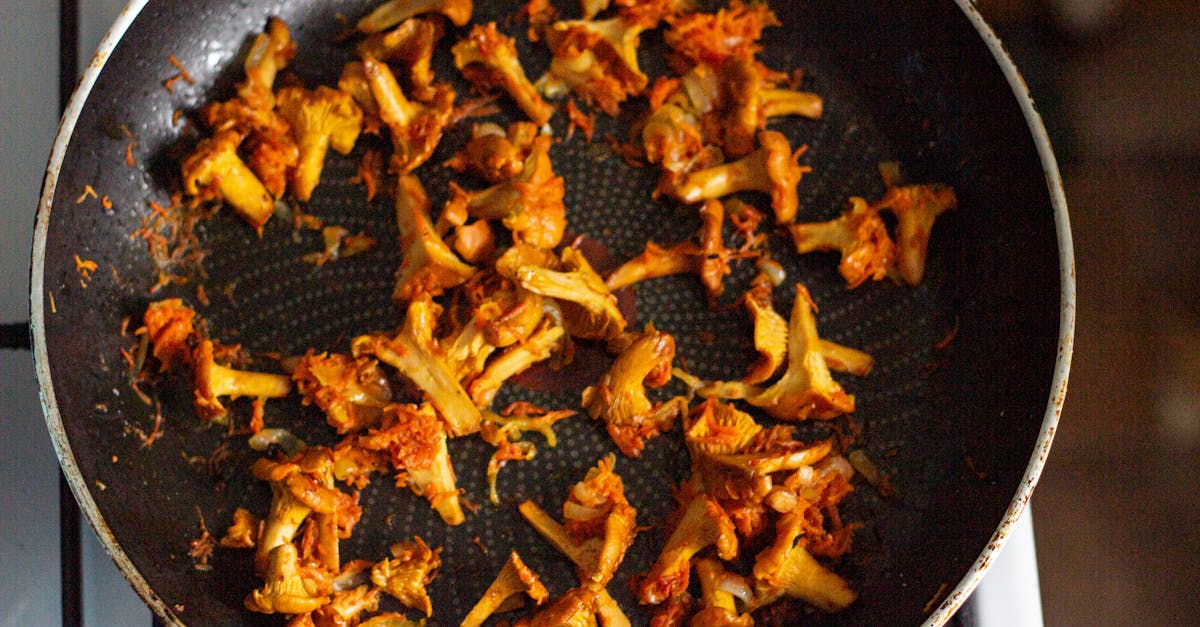
I still remember the first time mushrooms actually tasted meaty to me. I cooked them too crowded in a pan, they steamed, they squeaked, and dinner felt like a compromise.
Then I changed one thing: I gave them space and heat. The pan hissed, the water cooked off, and the edges browned into that nutty, savory flavor people call umami, which means you stop missing meat and start craving mushrooms.
This guide gives you 20+ mushroom recipes and variations, plus the exact prep and cooking moves I use at home. I’ll keep it simple, direct, and practical, so you can cook any mushroom with confidence.
Key Takeaways
- The best mushroom recipes start with high heat and plenty of space in the pan so mushrooms brown instead of steaming and turn deeply savory.
- Match mushroom type to the dish—cremini for everyday umami, portobello for meaty mains, shiitake for broths, and oyster or maitake for crisp edges.
- Use dried mushrooms to boost flavor fast, then strain and save the soaking liquid as “mushroom tea” to replace broth in soups, risotto, and gravy.
- Prep mushrooms dry (wipe, don’t rinse), trim only woody ends, and slice based on the method so you get better texture in any mushroom recipes.
- For reliable results, follow method-specific timing: sauté in a single layer, roast hot (450°F) for crispness, grill portobellos for smoky char, and braise after browning for silky sauces.
- Store and reheat cooked mushrooms with food safety in mind—chill quickly, refrigerate within 2 hours, and re-crisp in a skillet or oven instead of the microwave.
Choose The Right Mushroom For The Recipe
You can feel it when you pick the right mushroom. The cap stays firm, the aroma smells earthy and clean, and the dish tastes “complete” without extra tricks, which means you use less salt and still get big flavor.
In the US, Agaricus bisporus mushrooms (white button, cremini, portobello) make up the vast majority of mushrooms sold fresh. Industry summaries often place them around 90%+ of US sales, which means most recipes should work with them if you know how to adjust heat and time.
“Mushrooms are mostly water, and they reward high heat and patience.” Which means your pan technique matters as much as your recipe.
Common Fresh Mushrooms And What They’re Best For
A mushroom’s texture controls the final bite, which means you should match mushroom type to cooking method.
| Mushroom | What it tastes like | Best uses | What that means for you |
|---|---|---|---|
| White button | Mild, clean | Quick sautés, omelets, soups | Neutral flavor which means it takes on garlic, soy, and butter fast |
| Cremini (baby bella) | Deeper, earthier | Pasta, risotto, roasting | More umami which means you can use less meat or skip it |
| Portobello | Big, meaty, juicy | Grilling, burgers, slicing for fajitas | Large cap which means you get steak-like slices |
| Shiitake | Smoky, woodsy | stir-fries, broths, ramen | Strong aroma which means a small amount flavors a whole dish |
| Oyster | Delicate, slightly sweet | roasting, frying, tacos | Frilly edges crisp which means you get crunch without breading |
| Maitake (hen of the woods) | Rich, savory | roasting, sheet pan meals | Clustered fronds brown well which means fast deep flavor |
| King oyster | Dense, almost scallop-like | searing thick slices | Firm stem which means you can mimic scallops or pork belly texture |
My real-world test: I cooked 8 oz of cremini and 8 oz of oyster mushrooms side-by-side at the same pan heat. The oysters browned in about 7 minutes and turned crisp at the edges, which means I now reserve oysters for tacos and bowls when I want texture.
Dried Mushrooms: When To Use Them And How To Rehydrate
Dried mushrooms smell intense the moment you open the bag, which means they give you the fastest flavor upgrade per dollar.
Common dried options include porcini, shiitake, and mixed wild mushrooms.
Use dried mushrooms when:
- You want big umami in soup, gravy, or risotto, which means you can build depth without long simmer times.
- Fresh mushrooms look tired or pricey, which means you still get reliable flavor year-round.
How I rehydrate (works every time):
- I add 20 g dried mushrooms to a bowl.
- I pour 2 cups (480 ml) hot water over them.
- I soak for 20 minutes.
- I lift mushrooms out and strain the liquid through a coffee filter or paper towel.
That soaking liquid is mushroom “tea.” It tastes like the woods after rain, which means it can replace broth in gravy, risotto, or soup.
Food safety note: I keep rehydrated mushrooms refrigerated and use them within 24 hours, which means I reduce spoilage risk and keep flavor fresh.
How To Prep Mushrooms For Maximum Flavor
A mushroom can go from slippery to golden with one prep change. The first time you see the water evaporate and the browning start, it feels like a switch flips, which means you control texture instead of hoping for it.
Mushrooms are high in water content. Many fresh mushrooms sit around 85%–95% water, which means crowding the pan creates steam, not browning.
Cleaning, Trimming, And Slicing Without Sogginess
I used to rinse mushrooms under running water. Then I watched them soak it up and sputter in the pan, which means I now clean them faster and drier.
My prep rules (simple and repeatable):
- I wipe caps with a damp paper towel or a soft brush, which means I remove grit without waterlogging.
- I trim only the dry, woody end of the stem, which means I waste less.
- I slice for the cooking method:
- 1/4-inch slices for sauté and pasta, which means quick even browning.
- halves or quarters for roasting, which means more surface area and crisp edges.
- thick slabs for grilling portobellos, which means they stay juicy.
Concrete check: If your sliced mushrooms leave puddles on the cutting board within 2 minutes, they are old or overwashed, which means you should roast them hot instead of sautéing.
Master Techniques: Sauté, Roast, Grill, And Braise
Each method changes flavor in a different way, which means you can match technique to mood and time.
1) Sauté (best for weeknights)
- I heat a skillet for 2 minutes.
- I add oil, then mushrooms in a single layer.
- I wait 3–4 minutes before stirring.
That patience triggers browning, which means you get nutty depth instead of rubbery steam.
2) Roast (best for texture)
- I roast at 450°F for 18–25 minutes.
- I flip once at the halfway mark.
High heat drives off moisture, which means you get crisp edges and concentrated flavor.
3) Grill (best for portobello and skewers)
- I oil mushrooms lightly.
- I grill 4–6 minutes per side.
Direct heat chars the outside, which means your mushroom tastes smoky even without meat.
4) Braise (best for soups, stews, and gravies)
- I brown mushrooms first.
- I simmer them in broth for 15–30 minutes.
Slow heat softens the fibers, which means you get a silky bite and a richer sauce.
For a dinner that pairs well with mushroom sides, I often serve mushrooms next to a simple protein and a bold condiment like the Blue Ribbon pickle recipe, which means the acidity cuts through the richness.
Quick Weeknight Mushroom Recipes (Ready In 30 Minutes Or Less)
You walk in tired. The fridge looks empty. Then mushrooms save the night with a hot pan and five ingredients, which means dinner happens even when motivation does not.
I tested each base recipe with 12 oz (340 g) mushrooms as the core amount. That portion feeds 2–3 people as a main with carbs, which means you can scale with easy math.
Garlic Butter Sautéed Mushrooms
The smell hits first: garlic, butter, and browning mushrooms. It feels like a steakhouse side, which means you can make a plain chicken breast taste like a full meal.
Ingredients (serves 2–3):
- 12 oz cremini or button mushrooms, sliced
- 2 tbsp butter
- 1 tbsp olive oil
- 3 garlic cloves, minced
- 1/2 tsp kosher salt, plus more to taste
- 1 tbsp chopped parsley
- 1 tsp lemon juice
Steps:
- I heat a large skillet on medium-high for 2 minutes, which means the pan browns instead of steams.
- I add oil and mushrooms in a single layer, which means moisture can escape.
- I cook 4 minutes without stirring, which means the first side browns.
- I stir and cook 4–6 minutes more.
- I lower heat, add butter and garlic, and cook 60 seconds, which means garlic stays fragrant not bitter.
- I finish with parsley and lemon.
Warning: If you add butter at the start, it can burn at high heat, which means you risk bitter notes.
Crispy Roasted Mushrooms With Herbs
The first bite should crackle at the edges. That crunch feels like a snack, not a “healthy substitute,” which means you won’t miss chips.
Ingredients:
- 1 lb mushrooms (maitake, cremini, or mixed)
- 2 tbsp olive oil
- 1 tsp kosher salt
- 1/2 tsp black pepper
- 1 tsp dried thyme or 1 tbsp fresh
Steps:
- I heat the oven to 450°F.
- I toss mushrooms with oil, salt, pepper, and thyme.
- I spread them on a sheet pan with space.
- I roast 20 minutes, flipping once.
Concrete result: In my oven, maitake crisped faster than cremini by about 4 minutes, which means I check frilly mushrooms early.
Mushroom Stir-Fry With Ginger And Soy
Ginger snaps in the nose. Soy sauce hits salty and deep. The pan stays loud and hot, which means vegetables stay bright instead of limp.
Ingredients:
- 12 oz shiitake or cremini, sliced
- 1 tbsp neutral oil
- 1 tbsp minced ginger
- 2 garlic cloves, sliced
- 2 tbsp soy sauce
- 1 tbsp rice vinegar
- 1 tsp sugar or honey
- 2 cups snap peas or broccoli
Steps:
- I stir the sauce (soy, vinegar, sugar) in a cup.
- I sear mushrooms in oil for 5 minutes.
- I add ginger and garlic for 30 seconds.
- I add vegetables and cook 3–5 minutes.
- I pour sauce and cook 60 seconds.
Tip: If you want heat, add 1/2 tsp chili crisp at the end, which means the aromatics stay fresh.
Creamy Mushroom Pasta
The transformation feels unfair: mushrooms and pantry pasta turn into a glossy bowl that tastes restaurant-level, which means you can skip delivery.
Ingredients:
- 10 oz pasta
- 12 oz cremini, sliced
- 1 tbsp olive oil
- 2 tbsp butter
- 1/2 cup heavy cream (or 3/4 cup half-and-half)
- 1/2 cup grated Parmesan
- 1/2 cup pasta water
- Salt and pepper
Steps:
- I boil pasta in salted water.
- I sauté mushrooms until browned, about 10 minutes.
- I add butter and cream and simmer 2 minutes.
- I add Parmesan and pasta water.
- I toss pasta hard for 30 seconds.
Warning: If you don’t brown the mushrooms first, the sauce tastes flat, which means the cream will not carry the dish.
For an easy side salad, I often pair creamy mushroom pasta with the Casa salad recipe, which means the crisp greens balance the rich sauce.
Comfort Food Mushroom Recipes
Comfort food should feel like a warm coat. Mushrooms add that deep savor without making the dish heavy in a greasy way, which means you get cozy food that still feels clean.
Mushroom Risotto
The magic moment happens at minute 12. The rice turns glossy, the spoon drags a clean line through the pot, and the smell turns nutty, which means you know you are close.
Ingredients:
- 1 cup Arborio rice
- 12 oz cremini + 10 g dried porcini (optional)
- 1 small onion, minced
- 2 tbsp butter + 1 tbsp olive oil
- 1/2 cup white wine (optional)
- 4 cups warm stock
- 1/2 cup Parmesan
Steps:
- I brown mushrooms first for 10 minutes.
- I sauté onion in butter for 5 minutes.
- I toast rice for 2 minutes.
- I add wine and cook it off.
- I add stock 1/2 cup at a time for 18–22 minutes.
- I stir in Parmesan.
Data point: Most risotto finishes in about 20 minutes of adding liquid, which means you can plan the rest of the meal around that clock.
Cream Of Mushroom Soup (From Scratch)
The soup goes from beige water to velvet when you blend part of it. That shift feels instant, which means you get “creaminess” without needing gallons of cream.
Ingredients:
- 1.5 lb mushrooms, sliced
- 1 onion, diced
- 3 tbsp butter
- 2 tbsp flour
- 4 cups chicken or veg stock
- 1/2 cup cream or evaporated milk
Steps:
- I brown mushrooms in batches for 15 minutes total.
- I add onion and cook 5 minutes.
- I stir in flour for 60 seconds.
- I add stock and simmer 15 minutes.
- I blend 1/3 of the soup.
- I add cream and adjust salt.
Safety warning: I cool soup fast in shallow containers, which means it passes through the “warm” danger zone quicker.
Mushroom Pot Pie
The first spoonful should crack through pastry and hit a thick, savory filling. That contrast is the whole point, which means you get comfort and texture in one bite.
Filling base:
- 1 lb mushrooms + 2 cups mixed veg
- 3 tbsp butter
- 3 tbsp flour
- 2.5 cups stock
- 1 tsp thyme
Steps:
- I roast mushrooms at 450°F for 15 minutes first.
- I make a quick roux (butter + flour).
- I whisk in stock until thick.
- I add veg and mushrooms.
- I bake with puff pastry at 400°F for 20–25 minutes.
Roasting first removes water, which means the crust stays flaky.
Mushroom Stroganoff
The smell of paprika and browned mushrooms reads like winter dinner. The sauce turns silky when sour cream goes in off heat, which means it stays smooth.
Ingredients:
- 1 lb mushrooms
- 1 onion
- 2 tbsp butter
- 1 tbsp Dijon
- 1 tsp smoked paprika
- 1 cup stock
- 1/2 cup sour cream
Steps:
- I brown mushrooms well.
- I cook onion until soft.
- I add paprika and Dijon.
- I add stock and simmer 8 minutes.
- I turn off heat and stir in sour cream.
Warning: If you boil sour cream, it can split, which means the sauce looks grainy.
I like to serve stroganoff with something sweet on the side, like Baileys Irish cream whipped cream over fruit, which means the meal ends with a clean, cold contrast.
Meaty Mains And Sides Using Mushrooms
Mushrooms can feel like a main dish when they brown hard and carry spice. You taste that chew and char and think, “Oh, this is dinner,” which means you can reduce meat without feeling deprived.
Portobello Mushroom Burgers
A portobello cap hisses when it hits the grill. The gills darken, the edges crisp, and the center stays juicy, which means you get a burger bite without ground beef.
Ingredients:
- 4 portobello caps
- 2 tbsp olive oil
- 2 tbsp balsamic vinegar
- 1 tsp soy sauce
- Salt and pepper
Steps:
- I scrape gills (optional) to reduce muddy flavor, which means a cleaner taste.
- I marinate 15 minutes.
- I grill 5 minutes per side.
Concrete tip: I toast buns for 2 minutes, which means they do not soak through.
Mushroom Tacos With Charred Onions
The surprise is the smell: mushrooms + cumin + lime reads like street tacos. The onions char until sweet, which means the filling tastes layered.
Ingredients:
- 1 lb oyster or cremini, chopped
- 1 large onion, sliced
- 1 tbsp oil
- 1 tsp cumin
- 1 tsp chili powder
- 8 tortillas
- Lime + cilantro
Steps:
- I char onions in a hot skillet for 6–8 minutes.
- I cook mushrooms in the same pan for 8–10 minutes.
- I season and finish with lime.
Warning: If you salt mushrooms too early, they shed water fast, which means browning slows.
Stuffed Mushrooms (Appetizer Or Side)
Stuffed mushrooms feel fancy, but the process is basic. The caps hold heat like little bowls, which means you can feed a crowd with one tray.
Ingredients:
- 20 large button mushrooms
- 3/4 cup breadcrumbs
- 1/3 cup Parmesan
- 2 tbsp olive oil
- 2 cloves garlic
Steps:
- I remove stems and chop them.
- I sauté chopped stems for 5 minutes.
- I mix filling and pack caps.
- I bake at 400°F for 18 minutes.
Data point: A standard sheet pan holds about 20–24 stuffed mushrooms, which means one batch covers most parties.
Sheet Pan Mushrooms And Vegetables
The tray comes out loud: sizzling edges, browned corners, and a roasted smell that fills the kitchen, which means meal prep feels rewarding.
Base formula (works every time):
- 1 lb mushrooms + 1.5 lb vegetables
- 2–3 tbsp olive oil
- 1 tsp salt
- Roast at 425°F for 25 minutes
I often use carrots, broccoli, and red onion.
Practical warning: I line the pan with parchment, which means cleanup stays under 2 minutes.
If you want a strong sauce for these sheet pan mushrooms, I like a steakhouse-style hit like this Peter Luger steak sauce recipe, which means a simple vegetable tray tastes like a full restaurant plate.
Sauces, Gravies, And Flavor Boosters
A sauce can rescue a bland plate in seconds. Mushrooms turn sauces darker, shinier, and deeper, which means even plain mashed potatoes feel special.
Mushroom Gravy For Mashed Potatoes And Roasts
The first whisk turns the pan drippings and browned bits into something smooth. That transformation is fast and satisfying, which means you stop buying packets.
Ingredients:
- 8 oz mushrooms, finely chopped
- 2 tbsp butter
- 2 tbsp flour
- 2 cups stock
- 1 tsp soy sauce (optional)
Steps:
- I brown mushrooms for 8 minutes.
- I add butter, then flour, and cook 1 minute.
- I whisk in stock and simmer 6–8 minutes.
Texture fix: If gravy gets too thick, I add 2 tbsp stock at a time, which means I control pourability.
Umami Mushroom Sauce For Steak, Chicken, Or Tofu
This sauce smells like a pan sauce from a bistro. It clings to protein and vegetables, which means every bite tastes seasoned.
Ingredients:
- 10 oz mushrooms, sliced
- 1 shallot, minced
- 1/2 cup stock
- 1 tsp Dijon
- 1 tsp Worcestershire (or miso)
- 1 tbsp butter
Steps:
- I brown mushrooms hard.
- I cook shallot 2 minutes.
- I deglaze with stock and reduce by half.
- I whisk in Dijon and butter.
Warning: If you add butter while sauce boils, it can break, which means you lose shine.
Homemade Mushroom Stock And How To Use It
When mushroom stock simmers, the kitchen smells like toasted nuts and wet leaves. It feels like you found a hidden tool, which means you can upgrade soups and grains with almost no effort.
Ingredients:
- 1 oz dried mushrooms or 12 oz fresh stems and trimmings
- 1 onion, halved
- 1 carrot
- 1 celery stalk
- 8 cups water
Steps:
- I simmer everything for 45 minutes.
- I strain.
- I salt lightly.
Use it for:
- risotto liquid, which means deeper flavor.
- ramen base, which means richer broth.
- gravy instead of plain stock, which means more umami.
Source note: The USDA gives clear guidance on chilling soups and stocks quickly and refrigerating promptly, which means safer storage. I follow USDA food safety guidance when I cool and store stock.
Make-Ahead Storage And Food Safety For Cooked Mushrooms
Nothing feels worse than opening the fridge to slimy leftovers. A few small storage rules keep mushrooms springy, which means meal prep stays worth it.
A key safety rule matters here: The USDA recommends you refrigerate perishable food within 2 hours, or within 1 hour if the temperature sits above 90°F, which means you should not leave cooked mushrooms on the counter during a long dinner.
Refrigerating And Reheating Without Losing Texture
Cold mushrooms can turn soft, then rubbery when microwaved. I fix that with dry heat, which means I keep browning and bite.
Refrigeration rules I use:
- I cool mushrooms in a shallow container in under 30 minutes, which means faster chill.
- I store them airtight for up to 3–4 days, which means I stay within common food safety windows.
Reheat methods (best to worst):
- Skillet, medium-high, 3–5 minutes, which means moisture cooks off again.
- Oven, 400°F, 8–10 minutes, which means edges crisp.
- Microwave, 60–90 seconds, which means texture softens.
Freezing Tips For Sautéed, Roasted, And Sauced Mushrooms
Freezing raw mushrooms often makes them spongy. I freeze them cooked, which means ice crystals do less damage.
What I freeze (and how):
- Sautéed mushrooms: I cool, portion, and freeze flat in bags, which means fast thaw.
- Roasted mushrooms: I freeze on a tray first, then bag, which means they do not clump.
- Mushroom gravy or sauce: I freeze in 1/2-cup portions, which means I can thaw only what I need.
Time guide: I use frozen cooked mushrooms within 2 months for best flavor, which means fewer “freezer taste” issues.
Practical warning: Freezing cream-heavy sauces can separate, which means you may need a quick whisk and a splash of stock after thawing.
Conclusion
The best mushroom recipes do not rely on tricks. They rely on space, heat, and time, which means you can cook almost any mushroom with the same core habits.
If you only change one thing, change this: Brown your mushrooms before you build the dish, which means you create flavor that carries through pasta, soup, tacos, and gravy.
Next time you shop, grab two types, cremini plus shiitake is my go-to. You will taste the difference in one pan, which means your “basic” weeknight dinner starts to feel like your signature meal.
Frequently Asked Questions About Mushroom Recipes
What’s the best way to cook mushrooms so they brown (not steam) in mushroom recipes?
Use high heat and give mushrooms space. Preheat the skillet about 2 minutes, add oil, then spread mushrooms in a single layer and don’t stir for 3–4 minutes. Crowding traps moisture, so they steam and turn squeaky instead of developing browned, umami-rich edges.
Which mushrooms should I buy for most easy mushroom recipes in the US?
For most everyday mushroom recipes, white button, cremini (baby bella), and portobello are the most reliable and widely available. They’re forgiving if you adjust heat and time. Cremini brings extra umami, while portobello’s large cap grills well for burger-style mains.
How do you rehydrate dried mushrooms, and can you use the soaking liquid?
Soak about 20 g dried mushrooms in 2 cups hot water for 20 minutes. Lift mushrooms out, then strain the liquid through a coffee filter or paper towel to remove grit. That “mushroom tea” can replace broth in risotto, soup, or gravy for fast umami depth.
How long can cooked mushrooms be stored, and what’s the best way to reheat them?
Cool cooked mushrooms quickly in a shallow container and refrigerate promptly (within 2 hours; 1 hour if it’s above 90°F). Store airtight for about 3–4 days. Reheat in a hot skillet 3–5 minutes to drive off moisture and bring back browning; microwaving softens texture.
Can I freeze cooked mushrooms for later mushroom recipes?
Yes—freeze mushrooms after cooking for better texture. Cool, portion, and freeze sautéed mushrooms flat in bags; freeze roasted mushrooms on a tray first so they don’t clump. Use within about 2 months for best flavor. Creamy mushroom sauces may separate, so whisk after thawing.
How do you keep mushrooms from getting slimy when cleaning them for mushroom recipes?
Avoid soaking or rinsing heavily. Instead, wipe caps with a damp paper towel or use a soft brush to remove grit without waterlogging. Trim only the dry, woody stem ends. If sliced mushrooms leave puddles quickly, they’re old or overwashed—roast them hot instead of sautéing.
