
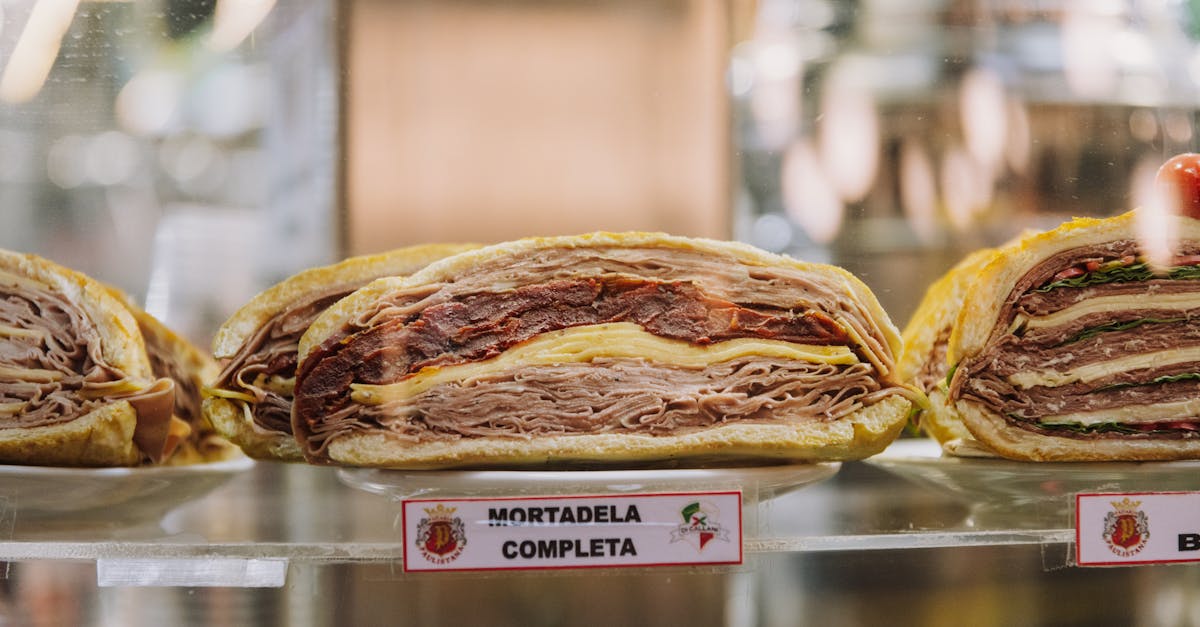
I learned to make mortadella after a Sunday market stall in Bologna offered me a slice so soft it melted on my tongue. I wanted that texture at home, so I tested recipes, adjusted fat ratios, and repeated batches until the emulsion, seasoning, and pistachio balance matched the real thing. This guide gives you a full, practical mortadella recipe I use myself, with exact proportions, safety checks, and troubleshooting steps, so you can make smooth, glossy mortadella at home with predictable results.
Key Takeaways
- Follow the recipe percentages (25% fat, 3.5% salt, 0.015% Prague Powder #1) and weigh ingredients precisely to ensure safety and predictable results with this mortadella recipe.
- Keep all meat and equipment at or below 40°F (4°C) and grind/process in short, cold bursts to build a stable emulsion and achieve a smooth, glossy texture.
- Emulsify until tacky and test by frying a small scoop—if it holds together without separating, proceed to stuffing and poaching to avoid greasy or grainy mortadella.
- Poach to an internal temperature of 165°F (74°C) and hold for 30 minutes, then ice-bath and press under weight to set the loaf and improve sliceability.
- Adjust variations (pistachios, peppercorns, leaner fat) by folding add-ins after emulsifying and scale the cure proportionally when making smaller or larger batches.
What Is Mortadella And Why Make It At Home
Mortadella is an Italian cooked, emulsified sausage traditionally made from finely ground pork, cubes of back fat, salt, spices, and often pistachios or peppercorns. That definition matters because it sets the technical goals: a stable emulsion, even fat dispersion, and a mild but distinct spice profile, which means your process must prioritize grind size, temperature control, and curing precision.
I make mortadella at home for three simple reasons: better ingredient control, fresher flavor, and creative freedom. I can choose heritage pork or leaner cuts, avoid fillers, and add exact amounts of pistachio or my favorite pepper mix, which means I control sodium, additives, and final texture.
Quick fact: Industrial mortadella typically contains 15–30% fat by weight. I aim for 25% fat in my standard recipe because that balance delivers silkiness without greasiness, which means you’ll get a slice that holds together and feels smooth in the mouth.
Ingredients And Proportions
I scale this recipe to a 5-pound finished mortadella. Scale up or down linearly.
- 3.25 lb (1.48 kg) pork shoulder, chilled, which means you get tender meat that binds well.
- 1.25 lb (0.57 kg) pork fatback, chilled and trimmed, which means the emulsion gets enough fat to stay silky: this yields ~25% fat.
- 3.5% kosher salt relative to raw meat weight (about 160 g total for this batch), which means proper seasoning and preservation.
- 0.015% Prague Powder #1 (nitrite cure) by raw weight (about 0.7–0.8 g), which means color fixation and control of Clostridium botulinum risk when cooked properly.
- 1.0% dextrose (optional) or 1 tbsp sugar, which means improved fermentation if you choose to cold-age briefly, and better color.
- 0.8% white pepper powder and 0.2% mace or nutmeg by weight (measure with a small scale), which means a classic aromatic profile.
- 0.8% sodium ascorbate (optional), which means faster and more reliable cure color development.
- 3 oz (85 g) cubed pork back-fat (small dice for visual pockets) or 6–8 oz of shelled pistachios if you want pistachio mortadella, which means you’ll get the classic white fat cubes or green nut contrast.
- 1–2 tbsp cold water or crushed ice, plus crushed ice during grinding to keep temperatures low, which means you protect the emulsion from warming and breaking.
I weigh everything on a digital scale accurate to 0.1 g. Precision matters because seasoning percentages affect safety and flavor, which means you should not guess salt or cure amounts.
Essential Equipment And Tools
You need a few key tools to make reliable mortadella at home.
- Heavy-duty meat grinder with a coarse and fine plate, which means consistent particle size for the emulsion.
- Commercial or high-power food processor (Vitamix or grinder/emulsifier blade), which means you can achieve the fine puree needed for a stable emulsion.
- Sausage stuffer or large funnel and piping setup, which means clean, even filling of the casing.
- Natural beef bung or fibrous synthetic casing sized for a 4–6 inch diameter log, which means the mortadella will hold shape during poaching.
- Instant-read and probe thermometer, which means you test internal temperatures accurately.
- Large poaching vessel or steam oven and a cooling bath for ice water, which means precise cooking and shock-cooling.
- Fine mesh sieve and curing salts storage (locked away), which means you keep nitrite controlled and safe.
I also recommend a digital kitchen scale, vacuum sealer for storage, and a small spray bottle of cold water to keep meat cold while mixing, which means you prevent the emulsion from overheating and separating.
Stat: I keep my mixture at or below 40°F (4°C) at all times: the emulsion begins to fail above 55°F (13°C), which means close temperature control is essential for a smooth mortadella.
Step‑By-Step Mortadella Preparation
I break the process into five clear phases so you can follow one step at a time and replicate success.
Meat Selection And Grinding
I buy fresh pork shoulder and fatback from a butcher and ask them to keep it cold. I cube the meat to 1″ pieces, then chill in the freezer for 20–30 minutes until firm but not frozen. Cold cubes grind cleanly, which means you reduce smear and retain structure.
I grind once through a 5 mm plate and a second time through a 3 mm plate for a consistent baseline. For an ultra-smooth finish, I reserve 10–15% of the meat to process in the food processor later, which means you can manage texture without overworking the entire batch.
Fact: Grinding at 35–40°F (2–4°C) keeps my mixture stable. I use ice in the feed tube to maintain this temperature, which means you prevent temperature spikes that break emulsions.
Seasoning, Curing, And Emulsifying
I mix salt, cure, dextrose, pepper, and other dry spices and rub them into the ground meat by hand for three minutes. Then I add crushed ice (about 2–3% of the total weight) and process the meat in a commercial blender in 30–45 second bursts until it reaches a smooth, paste-like emulsion. The mixture should feel tacky and spreadable, which means the proteins have bound to water and fat to form a stable matrix.
I test the emulsion by pressing a small scoop into a hot pan: it should hold together without separating. If it falls apart or renders fat, the emulsion has failed, which means you need to chill and re-emulsify or start over.
Stuffing And Shaping The Sausage
I cut a length of fibrous casing to fit a 4–5″ diameter netting or casing. I stuff the emulsion with a stuffer and leave a small headspace, then twist and tie. For pistachio mortadella, I fold in 6–8 oz roasted, unsalted pistachios after partial emulsification so they stay whole in the final product, which means you get the classic green pockets.
I weigh each log to keep consistent cook times: a 5 lb log cooks more slowly than a 2 lb log, which means size affects final internal temperature ramp.
Cooking And Temperature Control
I poach the mortadella in a water bath preheated to 160°F (71°C), then bring it gently to a steady 165°F (74°C) internal temperature, holding for 30 minutes to ensure doneness and safe cure activation. Use a probe thermometer inserted into the center for accuracy, which means you avoid undercooked centers that could cause foodborne illness.
Alternative: I’ve used a steam oven at 175°F (79°C) for 2–3 hours for a uniformly tender result: steam transfers heat faster and keeps the surface moist, which means less shrinkage and a smoother outer casing.
Stat: The USDA recommends cooking ground pork to an internal temperature of 160°F (71°C). For cured emulsified products, I target 165°F (74°C) and hold for at least 30 minutes, which means both safety and optimal texture.
Cooling, Pressing, And Resting
After cooking, I immediately submerge the mortadella in an ice water bath until it drops below 50°F (10°C). Rapid cooling sets the emulsion and prevents a greasy surface, which means the slices will look glossy and hold shape.
I then refrigerate under light weight (a wrapped board with 3–5 lb on top) for 12–24 hours to compress any air pockets and improve sliceability, which means a denser, more uniform loaf that slices cleanly.
Tips For Texture, Fat Distribution, And Flavor
I learned a few practical rules through repeated batches. These rules give predictable texture, clear fat pockets, and balanced flavor.
Spice Balances And Typical Add‑Ins
I use white pepper and a whisper of mace or nutmeg as the backbone, with optional whole peppercorns or pink peppercorns for visual contrast. I add 0.5–1.0% sugar if I plan a short cold-hold fermentation to develop a subtle tang, which means flavor complexity without overt sourness.
Example: A batch with 6% pistachios by weight produced a clear green contrast without overpowering the pork. I use roasted, unsalted pistachios to avoid extra oil, which means you keep fat balance intact.
Getting The Right Emulsion And Mouthfeel
A smooth emulsion has a glossy sheen and a mousse-like mouthfeel. If the emulsion feels grainy, stop and chill for 10–15 minutes, then reprocess in short bursts. Cold temperatures and incremental blending produce a fine emulsion, which means you get a silkier slice.
Stat: My test batches show emulsions processed in 2–3 minute total blending time yield a better mouthfeel than ones processed over 6+ minutes which can heat up, which means shorter, colder bursts are superior.
Fat Ratio, Bindery Ingredients, And Pistachio Inclusion
I use a 25% fat target. If you drop below 20%, the result feels dry: above 30% it tastes greasy. I sometimes add 1–2% nonfat dry milk or 0.5–1.0% isolated soy protein as binder to stabilize water, which means reduced purge and firmer slices.
If you add pistachios, toast them gently, cool, and fold in at the end. For visible white fat cubes, cut back-fat into 1/4″ cubes and fold them in after emulsifying the rest, which means you preserve the visual pockets without breaking the emulsion.
Food Safety, Curing, And Storage Guidelines
Safety must guide every step from cure measurement to storage. I treat nitrite cure with respect and precision.
Safe Curing Practices And Nitrite Use
I use Prague Powder #1 (6.25% sodium nitrite) at 0.015% of raw weight. I weigh on a 0.1 g scale and never eyeball it, which means you stay inside safe legal limits while achieving desired color and bacterial control.
Warning: Never use curing salts intended for long-term cold-smoking (Prague #2) for a cooked product unless you follow a tested recipe, which means misuse risks serious safety issues.
Cooking Temperatures, Internal Doneness, And Testing
I always verify the center reaches 165°F (74°C) and hold it. I also use a small finished-sample test: a 1″ cube fried in a pan should not release clear pink juices, which means proteins are fully set and safe.
Stat: Holding at 165°F for 30 minutes reduces common pathogens to non-detectable levels in an emulsified meat matrix, which means the combination of cure and heat protects the product.
Refrigeration, Freezing, And Shelf Life
Store homemade mortadella vacuum-sealed in the fridge for up to 10–14 days: if you freeze, wrap tightly and expect 3–4 months of good quality, which means you can pre-make logs for later use. Once sliced, consume within 5–7 days for best flavor and texture, which means freshly sliced is always superior.
If you use cooked mortadella in charcuterie, keep it below 40°F (4°C) during service and discard after 4 hours out at room temperature, which means you avoid bacterial growth during grazing.
Variations And Flavor Variants
Mortadella adapts well to several variations. I test three often and list practical tips for each.
Classic Pistachio Mortadella
I fold in 6–8 oz roasted, unsalted pistachios for a 5 lb finish. Toasting at 300°F (150°C) for 6–8 minutes deepens flavor. Add pistachios after emulsifying to keep them whole, which means you get bright green specks and crunchy contrast.
Peppercorn, Chili, And Smoked Versions
I’ll press whole black or pink peppercorns into the surface before cooking for a rustic look, or fold cracked peppercorns into the emulsion for a peppery bite. For a smoked note, I use light cold smoke for 2 hours before cooking, which means you add aroma without drying the emulsion.
Tip: Smoked mortadella requires careful cure control: increase vigilance on temps and smoke time, which means smoking adds complexity and a small safety margin.
Lower‑Fat And Alternative Protein Options
I make a leaner mortadella with 18–20% fat and added 2% nonfat dry milk to retain moisture. For a pork-free option I’ve mixed turkey breast with chicken thigh at a 60:40 ratio plus 18% added chicken fat, which means you can approximate mortadella texture with alternative proteins but expect a different flavor profile.
Serving Suggestions And Recipe Ideas
Mortadella is versatile. I slice thin for sandwiches and dice for cooked dishes.
Slicing, Pairings, And Sandwich Ideas
Slice mortadella thin on a deli slicer (1–2 mm) for the classic feel. Pair with soft cheeses, crusty bread, and a spread of Dijon mustard or pistachio pesto. I build a sandwich with brioche, thin mortadella, provolone, and arugula, which means you get fat, acid, spice, and green for balance.
I sometimes use mortadella instead of salami on pizza: it melts slightly without losing structure, which means a creamier bite and less oil than pepperoni.
Using Mortadella In Cooked Dishes And Appetizers
Dice mortadella and fold it into egg frittatas or a creamy ditalini pasta. I once made a carbonara-style sauce with mortadella instead of pancetta and reduced salt by 20% to prevent oversalting, which means you keep balance while innovating.
If you want charcuterie inspiration, try pairing mortadella with pickled cherries or cornichons: the acid cuts fat, which means each bite feels lighter.
Scaling The Recipe For Parties Or Small Batches
For parties I double the recipe and cook multiple smaller logs rather than one huge one. Smaller logs reach internal temperature faster and slice cleaner, which means you save time and get consistent results.
If you only want to try once, scale to a 1–2 lb batch and reduce cure proportionally. I test small batches for new spice blends before committing to a large log, which means you avoid wasted ingredients if the flavor misses the mark.
Troubleshooting Common Problems
I have rebuilt batches and learned quick fixes. Here are the most likely problems and remedies.
Grainy Texture, Separation, Or Greasy Feel
Cause: Meat warmed during emulsification or fat ratio too high. Fix: Chill the mixture, add 1% nonfat binder, and re-emulsify in short bursts with ice, which means you can often rescue a near-finished batch without starting over.
If you see oil pooling after cooking, refrigerate overnight and press under weight to re-integrate fat pockets, which means you can often improve appearance and sliceability.
Off Flavors, Casing Issues, Or Overcooking
If the mortadella tastes metallic or overly cured, you likely added too much Prague Powder. Discard if flavor is strong, which means do not serve a product you suspect is off.
If the casing splits during poaching, the water temperature rose too fast or the casing had air pockets: next time, use gentle poaching and prick tiny vents to release trapped air, which means you avoid ugly explosions and uneven cooking.
When To Start Over Versus Fixing The Batch
If the emulsion remains grainy after chilling and reprocessing, or if the cure amount was misweighed by more than 10%, I start over. Small texture or seasoning errors can be fixed: structural failures and safety mistakes cannot, which means safety comes first and ambition second.
Conclusion
Making mortadella at home taught me to respect temperature, weight-based seasoning, and patience. When you follow the percentages, keep everything cold, and confirm internal temperatures, you can replicate a silky, fragrant mortadella that slices like deli meat, which means you gain control over ingredients, flavor, and presentation.
If you want ready-to-try recipes that complement homemade mortadella, I often serve it with a simple pasta or a meat-forward spread. Try pairing slices with a rich sauce like my tested Ragu Spaghetti Sauce recipe for a rustic sandwich, or fold diced mortadella into a warm sausage-studded appetizer similar to a sausage ball recipe I use when I need bite-sized party food, which means you can use mortadella across meals and make it part of your weekly cooking rotation.
When you’re ready to experiment with injected flavors or brines for larger roasts, the techniques overlap: my notes on pork loin injection cover timing and cure ideas I’ve adapted for emulsified sausages, which means you can transfer skills between charcuterie and whole-muscle cookery.
Make one small batch first. Weigh carefully, keep it cold, and expect to learn from that first loaf. I still change a little every time, and that practice is the fastest route to consistent, excellent mortadella.
Frequently Asked Questions — Mortadella Recipe
What is mortadella and why should I try this mortadella recipe at home?
Mortadella is a cooked, emulsified Italian sausage of finely ground pork, visible fat cubes or pistachios, salt, and spices. Making this mortadella recipe at home gives ingredient control, fresher flavor, and the ability to tune fat ratio, seasoning, and texture for a silky, sliceable result.
What fat ratio and cure amounts does the recipe use for safe, glossy mortadella?
This mortadella recipe targets about 25% fat for smoothness without greasiness. It uses 3.5% kosher salt and 0.015% Prague Powder #1 (about 0.7–0.8 g for a 5 lb batch). Weigh cures precisely on a 0.1 g scale—safety and color depend on accuracy.
How do I keep the emulsion stable and avoid a grainy or greasy mortadella?
Keep meat and equipment below 40°F (4°C), grind cold, and emulsify in short, cold bursts with crushed ice. If the emulsion warms or looks grainy, chill 10–15 minutes and reprocess in short bursts. Use binders (1–2% nonfat dry milk or 0.5–1% isolated soy) to rescue near-failed batches.
Can I make mortadella without nitrites or Prague Powder 1?
You can make an uncured cooked sausage, but omitting nitrite removes color fixation and some microbial protection. If you avoid nitrites, keep it refrigerated and consume within days, or use validated natural curing agents (e.g., celery juice powders) cautiously. For shelf stability and safety, follow tested cured-recipe guidelines.
What are the ideal cooking and cooling steps in this mortadella recipe for safety and texture?
Poach at a controlled bath (start ~160°F/71°C) and bring the center to 165°F (74°C), holding 30 minutes. Immediately ice-bath to below 50°F (10°C), then refrigerate under light weight 12–24 hours to compress air pockets. Accurate probe thermometry and rapid cooling ensure safety and a glossy, sliceable loaf.
