
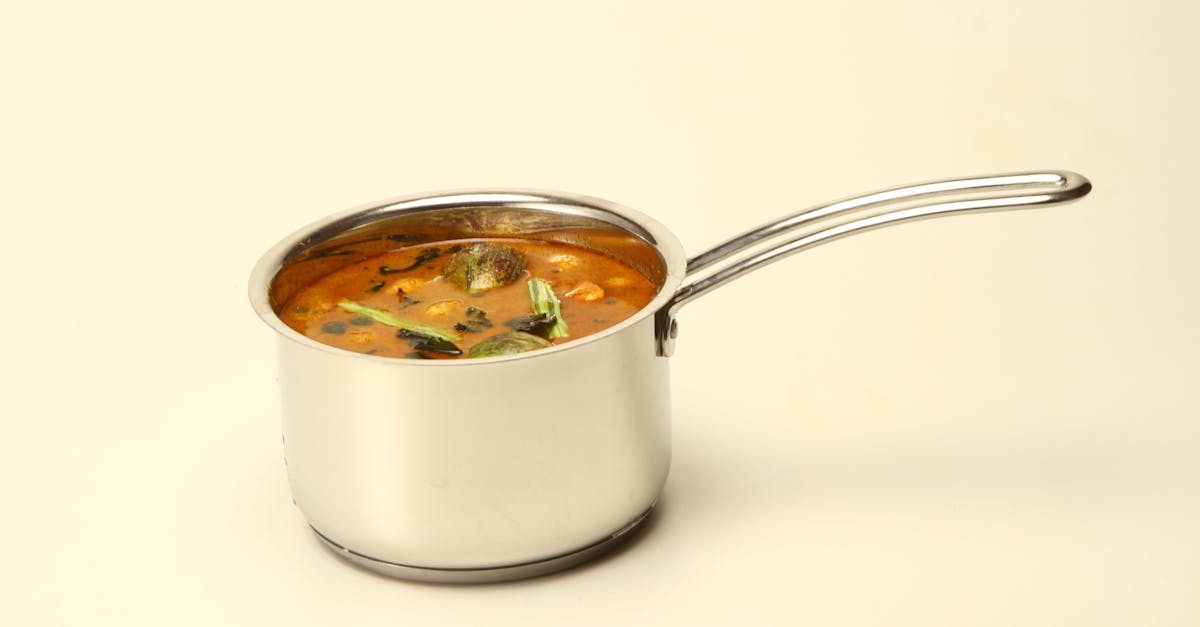
I want to share a lentil stew I cook when I need warm comfort and reliable nutrition. This stew hits protein, fiber, and savory depth without fuss, and you can scale it for a week of meals or a quick dinner. Read on for exact steps, timing options, and practical fixes so you get consistent results every time.
Key Takeaways
- This lentil stew recipe uses brown or green lentils for steady texture and 16–18 g protein per serving, making it a reliable, nourishing weeknight meal.
- Brown aromatics, add tomato paste and tomatoes later, then finish with a splash of vinegar or lemon to build layered, balanced flavor.
- Choose a timing track—30 minutes for a quick dinner, 45 minutes for balanced depth, or 60 minutes for slow-simmered richness—and scale the batch to 4 servings (6 cups finished).
- Cool and refrigerate within 90 minutes, store up to 4 days (or freeze 3 months), and gently reheat with a little broth to restore fresh texture.
- Customize easily: add sausage or chickpeas for more protein, stir in greens at the end, mash 1–2 cups or puree part of the pot to thicken, and use acid or a peeled potato to fix flat or overly salty stew.
Why This Lentil Stew Works
I designed this recipe around three clear goals: steady texture, layered flavor, and fast weekday adaptability.
- Steady texture: I use brown or green lentils that hold shape under heat, about 25% protein by dry weight for many varieties, which means you get a filling, meat-free protein source in each bowl. (Source: USDA nutrient data.)
- Layered flavor: I start with browned aromatics and add acidic tomatoes late in the simmer so the stew keeps brightness without becoming sharp, which means the final pot tastes savory, balanced, and fresh.
- Fast adaptability: I show three timing tracks, 30, 45, and 60 minutes, so you can make the stew in a hurry or let it develop deeper richness, which means you’ll get good results whether you have a half hour or an hour.
A quick statistic: a standard batch (6 cups finished stew) yields 4 generous servings and stores well for up to 4 days in the fridge, which means you can cook once and eat several meals with minimal effort.
Ingredient Overview and What To Buy
I list the essentials below and explain what each ingredient does so you shop with purpose and avoid wasted cans or jars.
Key Ingredients And Purpose
- Lentils (1 1/2 cups dry brown or green): Holds shape and provides 18–25 g protein per 100 g cooked lentils, which means each serving contributes substantial plant protein and satiety.
- Onion (1 large) and garlic (3 cloves): Build aromatic base, which means they create savory depth early in the cook.
- Carrots (2 medium) and celery (2 stalks): Add natural sweetness and texture, which means the stew balances savory with subtle sweetness.
- Tomatoes (1 can 14 oz crushed or 1 1/2 cups fresh chopped): Add acidity and umami, which means the broth stays bright and won’t taste one-note.
- Vegetable or chicken broth (6 cups): Provides the liquid backbone, which means the stew simmers with savory support rather than tasting like watered-down vegetables.
- Olive oil (2 tbsp) and optional butter (1 tbsp): Carry fat-soluble flavor and help brown aromatics, which means the finished stew feels rich and rounded.
- Bay leaf (1) and dried thyme (1 tsp): Background herbs that boost savory notes, which means the stew reads as layered rather than flat.
- Salt and black pepper to taste: Essential seasoning, which means the flavors become distinct and satisfying.
Suggested Pantry Staples And Fresh Produce
I recommend keeping these on hand: canned tomatoes, dried lentils, broth cubes, olive oil, and a basic spice set (paprika, cumin, thyme). That combination covers this stew and many other dishes, which means you spend less time shopping and more time cooking.
If you want a saucier stew, buy an extra can of crushed tomatoes: if you want a thicker stew, buy an extra carrot and a potato to mash in later, which means you can tune texture without hunting for unusual items.
Related resource: If you use canned tomato products often, I prefer a quality crushed tomato like Mutti for reliable brightness, which means your stew gets a consistent tomato tone every time. See a good tomato sauce guide Mutti tomato sauce recipe.
Equipment And Prep Tips
A few focused tools speed this recipe and reduce cleanup.
Essential Tools
- Heavy-bottomed pot or Dutch oven (4–6 quart): Ensures even heat and prevents burning, which means your aromatics brown evenly without scorching.
- Ladle and wooden spoon: For stirring and tasting, which means you can check texture and seasoning as you cook.
- Chef’s knife and cutting board: For clean, fast prep, which means vegetables cook evenly.
- Fine-mesh sieve (optional): To rinse lentils and drain canned goods, which means you remove dust and excess sodium.
I use a 5-quart enameled Dutch oven and a 8-inch chef’s knife. I get consistent browning and I rarely scorch the base, which means fewer burned batches and less stress.
Prep Steps To Save Time
- Rinse lentils and sort for debris: Takes 2 minutes, which means you avoid gritty bits and ensure even cooking.
- Mince garlic and dice aromatics in one sitting: Minces stack well in a single bowl, which means you waste less time washing multiple dishes.
- Measure broth into a large measuring cup: Ready to pour when the pot asks for it, which means you keep the cook moving and avoid overcooking aromatics.
Pro tip: chop vegetables into uniform 1/2-inch pieces: I time that a skilled home cook can do in 6–8 minutes, which means they soften at the same rate and the stew has pleasing texture.
Step-By-Step Recipe
I give a clear progression: brown aromatics, add lentils and liquid, simmer, then finish.
Browning Aromatics And Building Flavor
- Heat 2 tbsp olive oil in a 5-quart Dutch oven over medium heat. Heat until the oil shimmers, which means it’s hot enough to brown without absorbing oil.
- Add diced onion and a pinch of salt. Cook 6–8 minutes until the onion turns deep translucent and edges pick up color. This browning step yields Maillard flavor compounds that give the stew savory depth, which means the stew tastes richer than if you had simply boiled everything together.
- Add carrots and celery: cook 4–5 minutes. Add garlic in the last 60 seconds so it softens but doesn’t burn, which means the garlic gives aroma without bitter notes.
- Stir in 1 tbsp tomato paste and cook 60 seconds to caramelize the sugars, which means the tomato flavor deepens and integrates into the base.
Cooking The Lentils And Vegetables
- Add 1 1/2 cups rinsed lentils and stir to coat, which means each lentil absorbs some seasoned fat and flavor.
- Pour in 6 cups broth and the can of crushed tomatoes (14 oz). Add bay leaf and 1 tsp dried thyme. Bring to a boil, then reduce to a gentle simmer, which means the lentils cook steadily without splitting.
- Simmer uncovered for 20–30 minutes, stirring occasionaly, until lentils are tender. I aim for al dente lentils at 20–22 minutes for brown lentils, which means the stew keeps a pleasant bite and doesn’t become mush.
Simmering, Seasoning, And Finishing Touches
- Taste for salt at the 20-minute mark and add 1 tsp salt if needed: increase gradually, which means you avoid oversalting.
- For richness, swirl in 1 tbsp butter or 1 tbsp olive oil off heat, which means the stew finishes glossy and rounded.
- Add a splash (1 tbsp) of red wine vinegar or lemon juice to brighten the pot, which means the flavors pop and taste balanced.
- Remove bay leaf and serve with fresh herbs or toasted bread.
Timing Breakdown (30, 45, And 60-Minute Versions)
- 30-minute version: Use brown lentils, high heat to bring to boil quickly, and cut vegetables smaller (1/4-inch). Expect lentils slightly firmer, serves 4. This means you can get dinner on the table fast when you’re short on time.
- 45-minute version: Follow the main recipe exactly. Vegetables soften fully and flavors meld, which means you get a balanced stew with tender lentils and developed savoriness.
- 60-minute version: Use green or Puy lentils and simmer low for 40–45 minutes, then gently mash 1 cup of the stew and stir back in for body. This longer cook produces concentrated, stew-like richness, which means it feels like a slow-cooked comfort meal.
Variations And Customizations
I show sensible swaps so you can adapt the stew to your pantry or mood.
Protein And Vegetable Add-Ins
- Sausage or diced ham (8 oz): Brown first, then follow recipe: adds 18–22 g protein per 3 oz cooked serving, which means the stew becomes heartier for meat-eaters.
- Canned chickpeas (1 can, drained): Stir in near the end for texture contrast, which means you increase fiber and protein without long cooking.
- Leafy greens (4 cups spinach or kale): Stir in last 5 minutes to wilt, which means you add vitamins and a fresh green note.
Example: I add 6 oz chorizo to one batch and reduce salt by 1/2 tsp: the stew gained smoky heat and needed less added seasoning, which means small protein additions can change the seasoning balance.
Spice Profiles From Different Cuisines
- Middle Eastern: Add 1 tsp ground cumin and 1/2 tsp ground coriander: finish with a squeeze of lemon, which means you get warm, citrus-accented notes.
- Indian-inspired: Add 1 tbsp curry powder and 1/2 tsp turmeric: finish with cilantro, which means you shift to fragrant, earthy spices without extra cooking steps.
- Mediterranean: Add 1 tsp smoked paprika and 1/2 cup chopped olives: finish with parsley, which means you introduce briny, smoky elements.
Each spice change requires only a small adjustment in salt: for instance, smoked paprika tends to pair well with an extra 1/4 tsp salt, which means the flavors stay balanced.
Texture Variations (Chunky, Pureed, Thick Stew)
- Chunky: Cook lentils until they hold shape (20–25 minutes) and leave vegetables in 1/2-inch dice, which means each bite has distinct texture.
- Pureed: Use an immersion blender on 1/3 of the pot, which means the stew thickens naturally while keeping some bite.
- Thick stew: Mash 1 cup of cooked lentils and vegetables into the pot, which means you get a stickier, spoonable texture that pairs well with bread.
Make-Ahead, Storage, And Reheating
I meal-prep lentil stew because it improves with time.
Cooling And Refrigeration Guidelines
Cool the stew to room temperature within 90 minutes and refrigerate in airtight containers. This prevents bacterial growth, which means your meal stays safe and fresh.
Store up to 4 days in the fridge, which means you can prep midweek lunches from one batch.
Freezing And Thawing Best Practices
Freeze in single-serving containers for up to 3 months, which means you always have a ready meal on hand.
Thaw overnight in the refrigerator, which means the texture reconnects without shock cooking.
Reheating Tips To Restore Freshness
Reheat gently on the stove over low heat, adding 2–4 tbsp water or broth if it thickened. This loosens the stew and revives texture, which means reheated portions taste close to fresh.
I sometimes reheat single portions in the microwave for 2 minutes, stirring halfway: that works when I’m rushed, which means you don’t need a stove to enjoy this stew.
Nutrition, Serving Suggestions, And Pairings
I focus on outcomes: satiety, balance, and simple pairings.
Estimated Nutrition Per Serving
A typical serving (~1.5 cups) contains roughly:
| Nutrient | Amount |
|---|---|
| Calories | 320 kcal |
| Protein | 16–18 g |
| Fiber | 12 g |
| Fat | 8 g |
| Sodium | depends on broth: ~650 mg with standard broth |
These numbers assume use of 6 cups low-sodium broth and no added sausage, which means the stew supports weight management and blood sugar control due to high fiber and protein.
Serving Ideas And Side Dishes
- Toasted whole-grain bread or pita: Great for scooping, which means you add grain-based carbohydrates for a fuller plate.
- Roasted vegetables like broccoli: I serve roasted broccoli with lemon zest: it adds crunch and 2 cups provide 6 g fiber, which means the overall meal becomes more nutrient-dense. See a quick side recipe: baked broccoli recipe.
- Simple green salad with vinaigrette: Brightens the meal, which means you contrast the stew’s warmth with fresh acidity.
How To Turn The Stew Into A Full Meal (Grains, Greens, Toppings)
- Grains: Serve over 1 cup cooked quinoa or brown rice for added texture and ~6–8 g extra protein, which means the dish becomes a balanced grain + legume plate.
- Greens: Fold in 2 cups baby spinach at the end, which means you add iron and vitamin K with minimal change to cooking time.
- Toppings: Offer yogurt, chopped herbs, or toasted seeds: each topping adds a new mouthfeel and nutrient boost, which means customization keeps meals interesting.
If you want a sweet-acid finish, I sometimes spoon 1 tsp of apple glaze over a serving: it adds a bright contrast, which means each spoonful feels layered. Learn a quick apple glaze idea here: apple glaze recipe.
Troubleshooting Common Issues
I troubleshoot like a cook who’s burned a pot and learned from it.
Lentils Too Mushy Or Undercooked
- Mushy: You overcooked or used red lentils: brown/green hold shape at ~20–25 minutes, which means pick the correct lentil for texture.
- Undercooked: You didn’t simmer long enough or used old lentils: add 10–15 minutes and keep lid off to concentrate heat, which means prolonged time solves firmness.
Flat Flavor Or Overly Salty
- Flat: Add 1 tbsp acid (red wine vinegar or lemon) and 1 tsp salt incrementally, which means acid opens flavors and salt sharpens them.
- Overly salty: Add an extra peeled potato and simmer 10 minutes: remove potato before serving, which means the potato absorbs excess sodium.
Thin Or Watery Stew
- Thin: Mash 1–2 cups of cooked lentils and vegetables and stir back in, which means the stew thickens naturally without extra thickeners.
- Alternatively, simmer 10–15 minutes uncovered to reduce liquid, which means you concentrate flavor and improve mouthfeel.
Ingredient Substitutions And Dietary Modifications
I cover common swaps to keep the recipe inclusive and flexible.
Gluten-Free, Vegan, And Low-Sodium Options
- Gluten-free: Use certified gluten-free broth and check canned goods: lentils are naturally gluten-free, which means the stew fits gluten-free diets with careful label reading.
- Vegan: Use vegetable broth and skip butter: finish with olive oil instead, which means you keep richness without animal products.
- Low-sodium: Use low-sodium broth and no added salt: boost with acid and herbs, which means you reduce sodium without losing flavor.
Swaps For Lentil Types And Broth Alternatives
- Red lentils: Cook faster and break down: use for a creamy, pureed version and cook 10–15 minutes, which means you get a thick, quick stew but lose whole-lentil texture.
- Puy or French green lentils: Hold shape best and take slightly longer (25–35 minutes), which means they deliver firm texture for salads and hearty stews.
- Broth alternatives: Use water plus 1 bouillon cube or 2 tbsp miso dissolved in water for umami: adjust salt accordingly, which means you can use pantry staples without losing savory depth.
Personal note: I once made this stew with mushroom broth and added 1 tsp soy sauce: the stew gained concentrated umami, which means creative broths can change the flavor profile dramatically.
Conclusion
I keep this lentil stew in my rotation because it’s forgiving, nourishing, and easy to change with what I have on hand.
Make the 30-minute version on busy nights, the 60-minute version when you want a slow-simmered bowl, and save leftovers for lunches, this strategy saves time and feeds you well, which means one pot can carry you through the week.
If you like hands-off braises and pantry-based cooking, this stew pairs well with simple sides and stores beautifully: try it with roasted broccoli or a slice of toasted whole-grain bread. For more pantry-friendly sauce ideas and quick sides, see my notes on tomato products and sides like Mutti tomato sauce and baked broccoli recipe.
Quote: “A good stew remembers its ingredients: you don’t.” I find that focusing on one clear technique, brown your aromatics, gives the stew a reliable backbone, which means even small cooks can produce a big, satisfying pot.
If you want, I can share a printable, scaled shopping list and a 30-minute time-coded checklist so you can follow the recipe step by step while cooking, which means you’ll get consistent results from your first try.
Frequently Asked Questions
What makes this lentil stew recipe reliably flavorful and not one-note?
This lentil stew recipe builds layered flavor by browning aromatics, briefly caramelizing tomato paste, and adding crushed tomatoes late so acidity stays bright. Finishing with a splash of vinegar or lemon and a pat of butter or olive oil rounds the pot, producing savory depth and balanced brightness.
How long does the stew take to cook and which timing track should I choose?
Choose 30, 45, or 60 minutes based on time and texture: 30 minutes yields firmer brown lentils for fast dinners; 45 minutes is the balanced default for tender lentils and melded flavors; 60 minutes concentrates richness and lets you mash some stew for a thicker, slow-cooked feel.
Can I make this lentil stew recipe vegan, gluten-free, or low-sodium?
Yes. Use vegetable broth and omit butter for a vegan version; confirm broth and canned goods are certified gluten-free; for low-sodium, use low-sodium broth and skip added salt, boosting flavor with acid (lemon or vinegar) and herbs instead of more salt.
How should I store, reheat, and freeze leftover lentil stew safely?
Cool to room temperature within 90 minutes, refrigerate in airtight containers up to four days, or freeze single servings for up to three months. Thaw overnight in the fridge and gently reheat on low with 2–4 tablespoons of water or broth to restore texture; microwave works for quick portions.
What easy swaps and add-ins improve nutrition or change the stew’s profile?
Stir in canned chickpeas or wilted greens for extra fiber and vitamins, add cooked sausage or ham for more protein, or change spices (cumin, curry, smoked paprika) to shift cuisine. Mash some cooked lentils for thickness or serve over quinoa or brown rice to make a complete grain-and-legume meal.
