
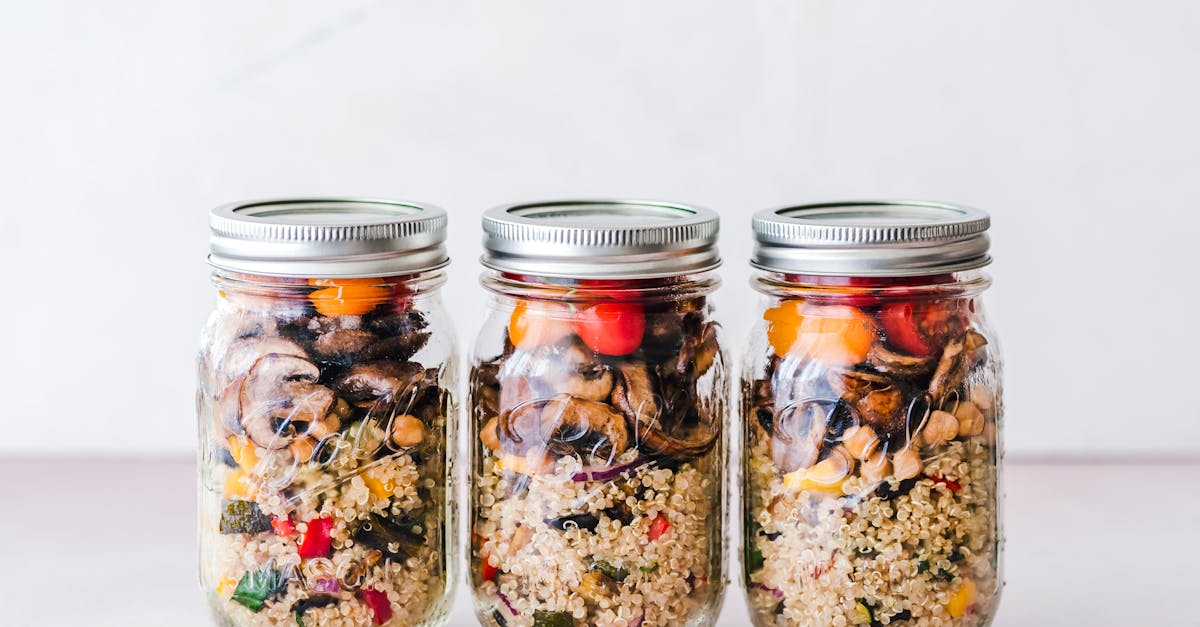
Quinoa can be one of the fastest ways to add protein, fiber, and texture to a meal. I learned to cook quinoa after a string of dry, bitter batches: now I get light, fluffy grains every time. In this guide I show the method I use, alternatives I’ve tested, and practical fixes when things go wrong.
Key Takeaways
- Rinse quinoa for 30–60 seconds to remove bitter saponin and prevent soapy taste before following any quinoa recipe.
- Use a 1 cup quinoa : 1.75–2 cups liquid ratio (1.75 for white, 2 for red, 2.25 for black) and simmer 12–20 minutes, then rest 5–10 minutes for light, fluffy grains.
- Follow the stovetop method—optional toast, boil, low simmer, rest, then fluff with a fork—to master how to cook quinoa recipe reliably every time.
- Choose cooking method to match your routine: 1:2 in a rice cooker, 1:1.25 with 1 min high pressure in an Instant Pot, or microwave 6+6–8 minutes for quick results.
- Store cooled quinoa in airtight containers for 3–5 days or freeze portions up to 3 months, and reheat with a splash of water or broth to restore moisture.
Why Cook Quinoa? Benefits And Best Uses
Why cook quinoa? Because it gives you a nutrient-dense base that works hot or cold. I picked up quinoa to boost meals with a grain that delivers plant protein, fiber, and a mildly nutty flavor.
Quinoa packs about 8 grams of protein and 5 grams of fiber per cooked cup (185 g), which means it can replace or stretch meat in many dishes. It also contains all nine essential amino acids, which means it’s a complete plant protein useful for vegetarians and omnivores alike.
Quinoa cooks quickly: most methods take 12–20 minutes, which means you can prepare it while you roast vegetables or pan-sear a protein. It soaks up flavors well, which means you can pair it with bold sauces or gentle dressings depending on the meal.
Common uses I rely on:
- Side dish for roasted meat or vegetables. It soaks up pan juices, which means you get extra flavor with minimal effort.
- Salads that hold texture after chilling. Quinoa keeps shape, which means salads stay lively rather than soggy.
- Breakfast porridge with milk and fruit. It becomes creamy, which means it works like hot cereal.
Quick fact: global quinoa production rose from about 50,000 tons in 1992 to 129,000 tons by 2013, reflecting wider adoption. That means supply and variety have expanded, giving you more options at the store.
“I stopped treating quinoa like ‘instant rice’ and started treating it like a delicate grain. That change fixed most of my problems.”
Ingredients And Quinoa Types
For a basic batch I use three ingredients: quinoa, liquid, and salt. I sometimes add a bay leaf or a smashed garlic clove during cooking, which means the grain absorbs aromatics without extra effort.
Quinoa Varieties And Texture Differences
There are three common kinds: white (yellow), red, and black. White yields the fluffiest, lightest texture, which means it works best when you want a rice-like result. Red and black hold shape and give a firmer bite, which means they perform better in cold salads and dishes where texture matters.
Exact numbers: white quinoa cooks in 12–15 minutes, red in 15–18 minutes, and black in 18–20 minutes, which means you should time them separately or blend knowing textures will vary.
Recommended Liquid Ratios And Seasonings
A simple table helps:
| Quinoa Type | Water Ratio (by volume) | Cook Time | Use Case |
|---|---|---|---|
| White | 1 cup quinoa : 1.75 cups water | 12–15 min | Fluffy side dish |
| Red | 1 : 2 | 15–18 min | Salads, bowls |
| Black | 1 : 2.25 | 18–20 min | Textured salads |
I typically round to whole numbers for the stove: 1:2 water:quinoa works reliably, which means fewer measuring errors on busy nights.
Seasoning basics: 1/4–1/2 teaspoon salt per cup of dry quinoa. Use broth instead of water for savory dishes, which means more depth without extra steps.
How And Why To Rinse Quinoa
Most quinoa has a natural coating called saponin. Saponin tastes bitter, which means rinsing improves flavor. Rinse under cold running water for 30–60 seconds or until water runs clear.
If you buy pre-rinsed quinoa, test a small spoon first. I learned this the hard way: one brand claimed pre-rinsed but left a soapy aftertaste. Rinsing is cheap insurance, which means I almost always rinse even when the package says it’s pre-washed.
Basic Stovetop Method For Fluffy Quinoa
I use the stovetop method most often because it is fast and predictable. When I follow the steps below I get light, separate grains rather than gluey clumps.
Step‑By‑Step Stovetop Instructions
- Measure: 1 cup quinoa (uncooked). Rinse under cold water for 30–60 seconds.
- Toast (optional): heat 1 teaspoon oil in a saucepan, add quinoa, and stir for 1–2 minutes until it smells nutty. Toasting adds flavor, which means deeper taste without extra seasoning.
- Add liquid: pour 1.75–2 cups water or broth per cup of quinoa.
- Bring to a low boil, cover, reduce heat to low, and simmer 12–18 minutes depending on type.
- Remove from heat and rest, covered, 5–10 minutes.
- Fluff with a fork and season to taste.
I time this while I chop vegetables: the whole process fits into a 25-minute window, which means quinoa is a reliable weeknight option.
Exact Water‑To‑Quinoa Ratios And Timing
- White quinoa: 1 : 1.75, simmer 12–15 minutes, rest 5 minutes.
- Red quinoa: 1 : 2, simmer 15–18 minutes, rest 5–7 minutes.
- Black quinoa: 1 : 2.25, simmer 18–20 minutes, rest 7–10 minutes.
I use a tight lid and low heat. That reduces evaporation, which means more consistent texture.
Tips For Fluffing And Resting
Letting quinoa rest is not optional. Resting lets steam finish the cook, which means separated grains. I always fluff with a fork, not a spoon. A fork teases grains apart, which means light texture.
If you see excess liquid after resting, turn the saucepan back to low heat for 1 minute uncovered to evaporate, which means you won’t get soggy quinoa.
Alternative Cooking Methods
I tested rice cookers, pressure cookers, and microwaves to find speed and consistency trade-offs. Each method works, which means you can pick the one that fits your kitchen rhythm.
Rice Cooker Method
Measure quinoa and water into the rice cooker using a 1:2 ratio for most models. Turn the cooker on and let it finish its cycle: it usually completes in 20–25 minutes, which means you can prep other parts of the meal while it cooks. I found some cookers run hot and dry out quinoa: using broth and a slightly higher liquid ratio solved that, which means better texture.
Instant Pot/Pressure Cooker Method
Use 1 cup quinoa : 1.25 cups water, high pressure for 1 minute, and quick release after 10 minutes of natural pressure release. Total hands-on time is under 20 minutes, which means one-pot meals become feasible. I tested this method and saw consistently tender grains when I used the lower liquid ratio.
Microwave Method
Combine 1 cup quinoa : 2 cups water in a large microwave-safe bowl. Microwave on high 6 minutes, then medium 6–8 minutes. Let rest 5 minutes. This method works in under 20 minutes, which means it is useful when you have no stove access. The microwave can create uneven cooking, so stir halfway, which means fewer hard bits.
Flavoring, Mix‑Ins, And Serving Ideas
Quinoa accepts flavors quickly, which means small changes give big shifts in outcome. I keep a short list of go-to mixes that suit different meals.
Flavoring During Cooking: Broth, Herbs, And Spices
Swap water for chicken or vegetable broth to add depth. One cup of broth adds about 6–12 calories extra compared to water, which means negligible caloric impact for a big flavor boost.
Add a bay leaf, a smashed garlic clove, or 1/2 teaspoon turmeric while cooking. These give aroma and color, which means your quinoa requires less post-cook seasoning.
Mix‑Ins And Toppings: Vegetables, Nuts, And Proteins
Think in three layers: vegetable, protein, crunchy topping. For example: roasted broccoli, grilled chicken, and toasted almonds. Roasted broccoli pairs well: if you need a recipe for a crisp roasted side, try my favorite baked broccoli recipe, which means you get a quick, flavorful vegetable to toss into quinoa bowls.
Specific numbers: a 1-cup serving of cooked quinoa plus 1 cup roasted broccoli delivers about 10–12 grams protein and 8–10 grams fiber, which means a balanced, filling side or light meal.
Simple Recipes: Lemon Herb Quinoa, Cilantro Lime Quinoa
Lemon Herb Quinoa: Zest and juice of one lemon, 2 tablespoons chopped parsley, 1 tablespoon olive oil, pinch salt. Toss with 2 cups cooked quinoa: refrigerate 30 minutes. Bright acidity wakes the grain, which means it tastes fresh even cold.
Cilantro Lime Quinoa: Juice of one lime, 1/3 cup chopped cilantro, 1 minced jalapeño, 2 tablespoons olive oil. Mix into warm quinoa. The heat and acid balance richness, which means it pairs well with beans and fish.
Small tip: add 1 tablespoon of olive oil per 2 cups cooked to keep grains glossy, which means they resist clumping.
Storage, Cooling, And Reheating
I cook quinoa in batches because it stores well and saves weekday time. Proper cooling and storage reduce food-safety risk, which means you can use quinoa across several meals.
How To Cool And Store Cooked Quinoa Safely
Spread cooked quinoa on a shallow tray to cool faster, which means you avoid the danger zone between 40–140°F (4–60°C) where bacteria grow rapidly. Transfer to airtight containers and refrigerate within 2 hours.
In the fridge, cooked quinoa lasts 3–5 days, which means you can plan 2–3 meals from one batch. I label containers with the cook date to avoid guessing.
Freezing And Long‑Term Storage Tips
Freeze cooked quinoa in portioned freezer bags or silicone trays. It keeps well for up to 3 months, which means you can rescue a busy night without fresh cooking. Freeze in 1-cup portions: they thaw in under 30 minutes on the counter or 5 minutes in the microwave.
Best Ways To Reheat Without Drying Out
Reheat in a skillet with a splash (1–2 tablespoons) of water or broth over medium-low heat, stirring until hot. That restores moisture, which means the quinoa stays tender.
In the microwave, add 1 tablespoon water per cup, cover loosely, and heat 60–90 seconds, stirring halfway. This prevents hot spots, which means even warming without dryness.
Common Problems And Troubleshooting
I burned through a few batches before I fixed common issues. Below are the fixes that worked for me, with clear actions you can take.
Fixing Bitter, Soapy, Or Grainy Quinoa
Cause: residual saponin or under-rinsing. Solution: rinse for 30–60 seconds and rub between palms: cook a test teaspoon first. If bitterness persists, boil the quinoa in fresh water for 2 minutes, drain, and finish with fresh water, which means you remove trapped saponin.
What To Do If Quinoa Is Mushy Or Undercooked
Mushy: you used too much liquid or overcooked. Spread on a tray and cool to stop cooking: next time reduce liquid by 10–15%. Undercooked: add 2–3 tablespoons water, cover, and steam 2–4 minutes. That finishes cooking without starting a new full cycle, which means you save texture.
Adjusting Texture For Salads Versus Warm Dishes
For salads I prefer firmer grains, so I use 1:2 ratio and cook at the shorter end of timing. That gives a toothsome bite, which means salads hold up after chilling. For warm bowls I use 1:1.75, which means softer, creamier grains that meld with sauces.
Quick Recipe Variations And Meal Ideas
I keep three go-to recipes that let me vary meals in minutes. Each yields different textures and flavors, which means you can pick the one that fits your mood.
Quinoa Salad With Roasted Vegetables
Roast 3 cups mixed vegetables at 425°F (218°C) for 20–25 minutes until edges brown: toss with 2 cups cooked quinoa, 2 tablespoons olive oil, and 1 tablespoon balsamic. Roasting concentrates sugars, which means a sweeter, deeper flavor that contrasts the nutty quinoa.
I often add a can of chickpeas (about 15 oz / 425 g) for extra protein. A cup of chickpeas adds roughly 14.5 grams protein, which means the salad becomes a full meal.
Breakfast Quinoa With Fruit And Nuts
Warm 1 cup cooked quinoa with 1/2 cup milk, 1 tablespoon maple syrup, and 1/2 teaspoon cinnamon. Top with 1/2 cup berries and 2 tablespoons chopped walnuts. Quinoa’s protein stabilizes blood sugar longer than plain oats, which means better mid-morning energy.
Quinoa Pilaf And Side Dish Variations
Sauté onion and garlic in 1 tablespoon butter, add quinoa, toast 1–2 minutes, then add broth at the usual ratio. Stir in 1/4 cup toasted pine nuts and 2 tablespoons chopped parsley after cooking. Pine nuts add 4–5 grams fat per tablespoon, which means richness and crunch that lift a simple side.
If you want a tomato-forward bowl, fold in a spoonful of Mutti tomato sauce for acidity and sweetness, which means a quicker, brighter grain-based dish. See my favorite concentrated tomato option here: Mutti tomato sauce recipe.
Conclusion
Quinoa rewards small, careful steps: rinse, measure, rest, and season. I now cook quinoa as reliably as rice because I follow exact ratios and a brief resting step, which means consistent, fluffy results.
Actionable next steps I recommend:
- Start with 1 cup quinoa : 1.75–2 cups liquid depending on type, which means predictable texture.
- Rinse every time, which means you remove bitterness.
- Rest 5–10 minutes and fluff with a fork, which means separated grains.
One last practical note: if you want a quick, flavorful bowl, pair quinoa with roasted broccoli and a lemon-herb dressing for a 25-minute meal that hits protein and veg targets. For a crisp side to go with quinoa, try a tested baked broccoli recipe I use often: baked broccoli recipe. If you want to add a sweet contrast to breakfast quinoa, I sometimes top mine with a spoonful of fruit preserves or fruit compote, which means a satisfying mix of textures and flavors.
My final tip: cook a double batch, freeze single portions, and reheat with a splash of broth: that means you always have a quick, healthy base ready.
Frequently Asked Questions
How do I cook quinoa to get light, fluffy grains (how to cook quinoa recipe)?
Rinse 1 cup quinoa 30–60 seconds. Use 1.75–2 cups liquid per cup (1:1.75 for white), bring to low boil, cover, simmer 12–18 minutes by type, then rest 5–10 minutes. Fluff with a fork and season. Toasting the seeds briefly in oil adds extra nuttiness.
What water-to-quinoa ratio and cook times should I use for white, red, and black quinoa?
White: 1 cup quinoa to 1.75 cups water, simmer 12–15 minutes, rest 5 minutes. Red: 1:2, simmer 15–18 minutes, rest 5–7 minutes. Black: 1:2.25, simmer 18–20 minutes, rest 7–10 minutes. Tight lid and low heat give consistent texture.
Do I need to rinse quinoa and how do I remove a bitter or soapy taste?
Yes—rinse under cold running water 30–60 seconds to remove saponin. If bitterness remains, boil quinoa briefly in fresh water for 2 minutes, drain, then finish cooking in fresh water or broth. Always test a spoonful if a brand claims pre-rinsed.
Can I cook quinoa in an Instant Pot, rice cooker, or microwave instead of the stove?
Yes. Instant Pot: 1 cup quinoa to 1.25 cups water, high pressure 1 minute, natural release 10 minutes. Rice cooker: 1:2 ratio, ~20–25 minutes. Microwave: 1:2 ratio, high 6 minutes, medium 6–8 minutes, stir once and rest 5 minutes. Adjust liquid if your appliance runs hot.
How should I store, reheat, and freeze leftover quinoa for meal prep?
Cool quickly on a shallow tray, refrigerate within 2 hours in airtight containers (3–5 days). Freeze in 1-cup portions up to 3 months. Reheat in a skillet with 1–2 tablespoons water or broth, or microwave with 1 tablespoon water per cup, covered, 60–90 seconds, stirring halfway.
