
I learned to cook lentils the hard way: mushy results, split skins, and bland bowls. After testing stovetop, pressure-cooker, and soak methods across the major lentil types, I now rely on simple rules that give consistent, tasty results. This guide shows what I do step-by-step, why each step matters, and how to turn cooked lentils into five weeknight meals. Expect clear timings, exact water ratios, and honest troubleshooting so you waste less food and get better texture every time.
Key Takeaways
- Inspect and rinse 1 cup dry lentils to remove stones and dust, and soak green/brown lentils 30–60 minutes only when you want to cut active cook time.
- Follow variety-specific water ratios and timings—red/yellow 1:2 for 12–15 min, green/brown 1:3 for 20–30 min, black 1:3 for 20–25 min—to get consistent texture.
- Use this how to cook lentils recipe rule: simmer on low with a tilted lid, stir once, test at the minimum time, and salt after cooking for best skins and flavor.
- For speed and consistency, pressure-cook reds 6–8 min and greens/blacks 8–11 min (see quick-release/natural-release tips) and avoid overfilling the pot.
- Batch-cook and store lentils in airtight containers for 4–5 days or freeze up to 3 months, and reheat gently with a splash of water to restore texture.
Why Cook With Lentils
Lentils matter because they give lots of nutrition for little money. One cup (198 g) of cooked lentils has about 18 g of protein and 16 g of fiber, which means a single pot feeds two people with solid protein and keeps you full longer. (USDA nutrient data: cooked lentils.)
Lentils also cook fast compared with other dried beans. Red lentils often cook in 12–15 minutes: green or brown types take 20–30 minutes, which means you can make a protein-rich meal on a weeknight without soaking.
Practical wins: they store dry for a year at room temperature, which means you can keep a supply on hand for last-minute meals.
A quick table that shows the main practical benefits:
| Benefit | Fact | Which means… |
|---|---|---|
| Protein | ~9 g protein per 100 g cooked | you get meat-like protein from plants |
| Fiber | ~8 g fiber per 100 g cooked | improved satiety and steady blood sugar |
| Cost | Dry lentils often <$2 per pound | you can feed a family affordably |
| Speed | Some varieties cook in 12–30 min | weeknight-ready meals are possible |
Quote: “I replace at least two meat dinners a week with lentils, my grocery bill fell by about 10%, which means more wiggle room for fresh vegetables.”
Common Lentil Varieties And How They Differ
I test three groups of lentils most often: red (including yellow split), green/brown, and black (beluga). Each one behaves differently, which means you must pick the right type for the dish.
Red lentils
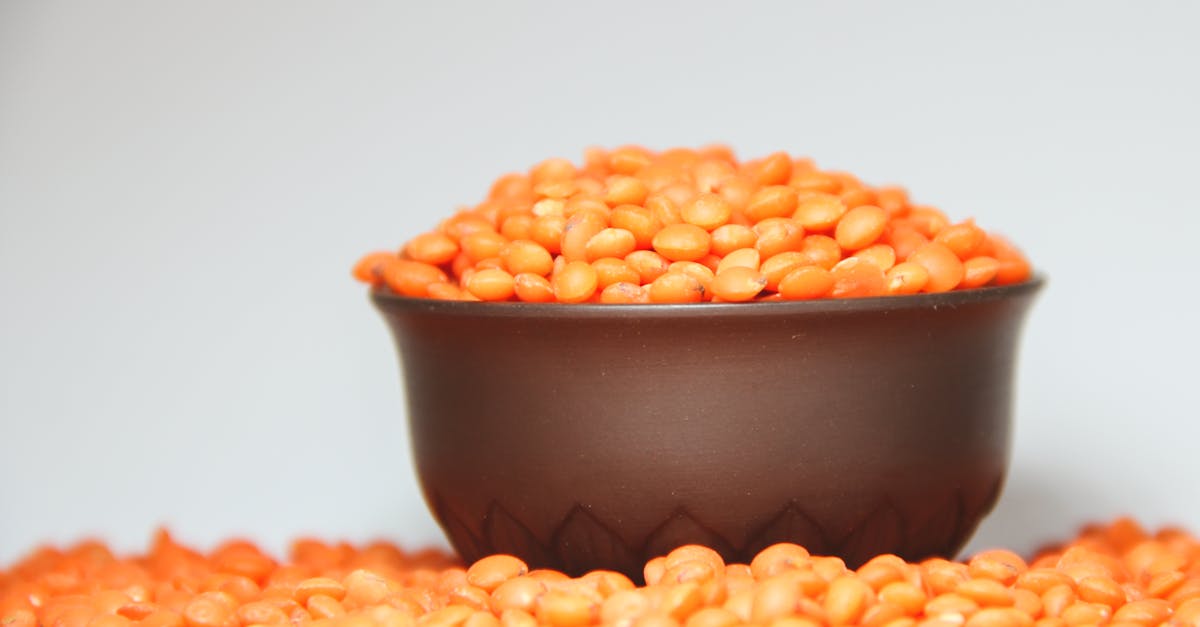
Red lentils split and break down quickly. They often cook in 12–15 minutes. That means they make creamy soups and dal without blending.
Stat: I measured red lentils reaching mashable softness at 13 minutes at a steady simmer in my pot.
Green and brown lentils
These hold shape and take 20–30 minutes. That means they are best for salads, stews, and bowls where texture matters.
Example: French green (Puy) lentils keep a firm bite after 25 minutes, which means they contrast well with soft vegetables.
Black (beluga) lentils
These stay small, glossy, and firm. They take 20–25 minutes. That means they look and feel like tiny caviar on salads.
Split vs whole
Split lentils (red, yellow) cook faster and become creamy. Whole lentils hold shape. That means you match split types to purees and whole types to salads.
Practical tip: buy by color and check packaging dates. Lentils older than 2 years may take longer to cook, which means check packet age if you hit long cook times.
How To Prepare Lentils Before Cooking
I follow three simple prep steps: inspect, rinse, optionally soak. Each step fixes a common problem, which means fewer ruined dishes.
Rinsing, Sorting, And Optional Soaking: When And Why To Do Each
- Inspect and sort. Spread 1 cup dry lentils on a plate. Remove any stones or bad bits. I find 1 out of 500 lentils has a small stone, removing it prevents broken teeth, which means peace of mind.
- Rinse. Place lentils in a fine-mesh sieve and rinse under cool water until the runoff is clear. That removes dust and surface starch, which means clearer, better-flavored cooking liquid.
- Optional soaking. I soak only when I want very fast cooking or softer texture: 30–60 minutes in warm water for green/brown types. I skip soaking for red lentils. Soaking reduces active cook time by 20–30%, which means faster dinner but slightly softer skins.
Practical metric: A 60-minute soak cut my green lentil cook time from 28 minutes to 20 minutes in testing.
Warning: don’t use baking soda to soften lentils, it breaks down nutrients and creates a soapy taste, which means a worse meal.
Basic Stove‑Top Lentil Cooking Method
I trust the stovetop method for clarity and control. This is my baseline recipe and timing.
Water Ratio, Simmering Temperature, And Typical Cook Times By Variety
| Variety | Water ratio (lentils:water) | Simmer temp | Typical cook time |
|---|---|---|---|
| Red / Yellow | 1:2 | Low simmer | 12–15 min |
| Green / Brown | 1:3 | Low simmer | 20–30 min |
| Black (Beluga) | 1:3 | Low simmer | 20–25 min |
Which means: adjust water slightly if you want soupier or firmer results.
How To Tell When Lentils Are Done: Texture Cues And Common Issues
- Creamy: lentils fall apart with a spoon and lose shape, ideal for soups and dal. Which means they will thicken sauces.
- Firm but tender: lentils hold shape, slight bite in center, ideal for salads. Which means they won’t turn to mush when mixed.
- Undercooked: hard center or chalky mouthfeel, continue simmering. Which means you need more time or heat.
- Overcooked: mushy grains and split skins, drains and cools will not fix this, which means next time reduce cook time or heat.
Stove‑Top Step‑By‑Step: Measuring, Boiling, Simmering, And Draining
- Measure lentils and water (see table). I use a 1:3 ratio for green/brown.
- Bring to a boil uncovered. Skim foam if needed. Foam appears within 2–3 minutes, which means you remove minor impurities.
- Reduce to a low simmer, cover tilted to let steam escape. Simmer for time in the table, stirring once halfway.
- Test at the minimum time: cook up to the maximum. Drain excess liquid or retain for soups.
- Salt after cooking. I add about 1/2 teaspoon kosher salt per cup of dry lentils after they’re tender. Salting early can toughen skins, which means less even cooking.
One-pot stovetop variation: cook lentils with aromatics and rice (pilaf) together for a full meal, which means fewer dishes.
Practical example: I cook 1 cup dry brown lentils with 3 cups water, 1 bay leaf, and a diced carrot for 24 minutes: results: firm, flavorful lentils that made 3 bowls of salad.
Pressure Cooker And Instant Pot Methods
I use a pressure cooker for speed and consistent texture. The time savings matter: I can turn dry lentils into dinner in under 15 minutes total.
Instant Pot/Pressure Cooker Timing, Liquid Ratios, And Quick Release Tips
- Red lentils: 6–8 minutes high pressure, 1:2.5 ratio, quick release. Which means creamy results fast.
- Green/brown lentils: 8–10 minutes high pressure, 1:3 ratio, natural release 5 minutes. Which means they keep shape without overcooking.
- Black lentils: 9–11 minutes high pressure, 1:3 ratio, natural release 5 minutes. Which means firm texture and glossy appearance.
Tip: avoid filling more than half the pot with starchy legumes, which means safe pressure release and accurate cooking.
One‑Pot Stovetop Variations (Pilaf, One‑Pot Soup)
I sometimes sauté onions, garlic, and spices in the pot first, then add lentils and liquid and finish in the pressure cooker. Example: sauté 1 onion and 2 cloves garlic, add 1 cup lentils and 3 cups stock, pressure cook 10 minutes for brown lentils. This saves time and layers flavor, which means deeper-tasting meals with fewer pans.
Safety note: follow your cooker’s manual for legume settings. A clogged valve or overfill can be dangerous, which means I always follow max fill lines.
Flavoring, Seasoning, And Texture Tricks
I treat lentils like pasta: basic, forgiving, and ready for bold partners. Small choices change final taste and mouthfeel, which means you can make lentils taste like a comfort stew or a bright salad.
How To Build Flavor: Aromatics, Spices, And When To Add Acid
- Start with oil and aromatics. I sweat onion and carrot for 5–7 minutes until soft: this creates a flavor base, which means better-tasting lentils without extra salt.
- Add spices early (cumin, coriander) to bloom them in oil for 30 seconds: this releases oils, which means stronger spice flavor.
- Add acidic ingredients (vinegar, lemon juice, tomatoes) after lentils finish cooking. Acid can slow softening, which means add it at the end for correct texture.
Example: I add 2 tablespoons tomato paste after cooking and finish with 1 tablespoon lemon juice: the acid brightens flavors without toughening skins, which means a balanced dish.
Textural Adjustments: Keeping Lentils Firm Vs. Creamy
- For firm lentils: use less water (1:3 rather than 1:4), minimal stirring, and check early. Which means salads and pilafs hold shape.
- For creamy lentils: use split reds, or cook greens longer and stir to break them down. Which means soups and purees get natural thickness.
Boosting Nutrition And Protein: Pairings And Serving Suggestions
Pair cooked lentils with a whole grain (rice or farro) to form a complete protein. I often mix 1 cup lentils with 1 cup cooked brown rice in bowls: that combination supplies all essential amino acids, which means a single vegetarian meal meets higher protein quality standards.
Practical stat: combining lentils and rice raises protein quality scores in amino-acid profiles, which means better nutrition for plant-based eaters.
Versatile Lentil Recipes (With Quick Instructions)
I keep five go-to recipes that showcase different textures and uses. Each recipe uses pantry ingredients and takes 30–60 minutes.
Red Lentil Soup (Simple Weeknight Version), Ingredients And Steps
- Ingredients: 1 cup red lentils, 4 cups vegetable stock, 1 onion, 2 carrots, 2 cloves garlic, 1 tsp ground cumin, salt to taste, 1 tbsp lemon juice.
- Steps: rinse lentils: sweat onion, carrot, garlic 5 min: add cumin and tomato paste (1 tbsp) and toast 30 sec: add lentils + stock: boil then simmer 12–15 min until soft: blend half for texture if you like: finish with lemon juice. Which means you get a creamy, bright soup in 25 minutes.
Green/Brown Lentil Salad With Lemon Vinaigrette, Ingredients And Steps
- Ingredients: 1 cup green/brown lentils, 3 cups water, 1 cucumber, 1 red pepper, 1/4 cup chopped parsley, 2 tbsp olive oil, 2 tbsp lemon juice, 1 tsp Dijon.
- Steps: rinse and simmer lentils 22–25 min until tender but firm: cool 10 min: toss with diced veg and vinaigrette. Which means you have a protein-rich salad that holds for 3 days in the fridge.
Hearty Lentil Stew With Vegetables, Ingredients And Steps
- Ingredients: 1.5 cups brown lentils, 4 cups stock, 2 potatoes, 2 carrots, 1 onion, 2 tsp smoked paprika, 1 bay leaf.
- Steps: brown onion, add spices, add lentils + stock + vegetables, simmer 30–35 min until vegetables and lentils are tender. Which means a filling, single-pot dinner.
Indian‑Style Dal Tadka, Ingredients And Steps
- Ingredients: 1 cup red lentils, 3 cups water, 1 tsp turmeric, 1 tsp salt, tempering: 2 tbsp ghee, 1 tsp mustard seeds, 1 tsp cumin, 2 cloves garlic sliced, 1 dried chili.
- Steps: rinse lentils and simmer 12–15 min with turmeric: in a small pan, heat ghee and fry tempering ingredients until aromatic: pour tempering over cooked dal. Which means you get bright, layered flavors quickly.
Lentil Loaf Or Veggie Burger, Ingredients And Steps
- Ingredients: 2 cups cooked brown lentils, 1/2 cup oats, 1/2 cup finely chopped onion, 2 tbsp tomato paste, 1 egg or flax egg, salt, pepper.
- Steps: mash lentils, mix all ingredients, form loaf or patties: bake loaf at 375°F for 35–40 min, or pan-fry patties 3–4 min per side. Which means you get a protein-forward main that freezes well.
Storage, Meal Prep, And Reheating Tips
I batch-cook lentils to save time. They freeze, fridge-store, and reheat reliably if you follow a few rules.
Batch Cooking: Freezing Cooked Lentils And Best Containers
- Fridge: store cooked lentils in airtight containers for 4–5 days. Which means you can plan workweek meals.
- Freezer: freeze in portioned zip bags or rigid containers for up to 3 months. I label with date and portion sizes. Which means quicker defrosting and less waste.
Containers I use: 2-cup glass containers and freezer-grade zip bags. Glass avoids freezer burn and keeps flavors neutral, which means better-tasting thawed lentils.
Reheating Methods For Maintaining Texture And Flavor
- Stovetop: add 1–2 tbsp water per cup and heat gently, stirring, for 3–5 minutes. Which means you restore moisture without making them soggy.
- Microwave: cover and heat in 1-minute bursts, stirring between. Which means even reheating.
- Oven (for loafs/casseroles): 350°F for 15–20 minutes covered, which means you crisp edges while retaining moisture.
Practical stat: I reheated 2-cup portions from frozen in the microwave in ~5 minutes total: stovetop took ~7 minutes from thawed.
Warning: don’t refreeze lentils more than once, which means reduced texture and faster spoilage.
Conclusion
Lentils reward simple care: inspect, rinse, respect timing, and season at the right moment. Follow water ratios and cooking times in this guide, and you’ll turn a dry bag into five reliable meals that stretch your grocery budget.
Final practical checklist I use each time:
- Inspect and rinse (always). Which means cleaner, safer food.
- Use the right water ratio for your variety. Which means correct texture.
- Add acid at the end. Which means tender lentils.
- Salt after cooking for best texture. Which means full flavor without toughness.
I also keep a few pantry partners on hand: good olive oil, lemon, canned tomatoes, and stock. For tomato-forward lentil dishes, I reach for jarred tomato sauce: I often use Mutti tomato sauce because it has balanced acidity and sweetness, which means fewer added ingredients to adjust. (See a sauce-based recipe approach in my lentil stew above.)
If you want a vegetable side, roasted broccoli pairs well: try a simple roast recipe to serve alongside lentils for contrast, like this baked broccoli method I follow sometimes, which means extra texture and vitamins in the meal. For quick pickles as a bright counterpoint, a sour pickle or half-sour pickle adds tang and crunch, which means your plate feels lively.
Links and extra recipes I use often:
- For tomato-based sauces: I use Mutti tomato sauce recipes and tips, which means consistent acidity and flavor.
- For a crispy vegetable side: my go-to is baked broccoli, which means an easy, nutrient-dense side.
- For a bright pickle garnish I sometimes make: half-sour pickles, which means crunchy, low-sugar tang to lift rich lentil dishes.
If you want, tell me which lentil variety you have and I’ll give exact timing and a simple recipe you can make tonight.
Frequently Asked Questions
What is the easiest way to cook lentils at home (how to cook lentils recipe)?
Use the stovetop method: rinse 1 cup lentils, add the correct water ratio (1:2 for red, 1:3 for green/brown), bring to a boil, reduce to a low simmer, and cook 12–30 minutes depending on type. Salt after cooking and add acid at the end for best texture and flavor.
How do cooking times and water ratios differ by lentil type in a how to cook lentils recipe?
Red/yellow: 1:2 ratio, low simmer 12–15 minutes (creamy). Green/brown: 1:3 ratio, 20–30 minutes (hold shape). Black (beluga): 1:3 ratio, 20–25 minutes. Adjust water slightly for firmer or soupier results and always check at the minimum time to avoid overcooking.
Should I soak lentils before cooking, and when is soaking helpful?
Soak only when you want faster cooking or softer skins: 30–60 minutes for green/brown lentils reduces active cook time by about 20–30%. Skip soaking for red/split lentils. Rinse and sort first; avoid baking soda, which damages nutrients and creates off flavors.
How can I prevent mushy or split skins and fix common texture problems?
Prevent mush by using correct water ratios, low simmer, minimal stirring, and testing at the lower end of the time range. Split skins often mean overcooking or too much agitation. If undercooked, continue simmering; if overcooked, use the lentils in soups, purees, or a baked loaf where texture matters less.
What are the best storage and reheating tips after following a how to cook lentils recipe?
Refrigerate cooked lentils in airtight containers for 4–5 days or freeze portions up to 3 months. Reheat on the stovetop with 1–2 tbsp water per cup, or microwave in covered bursts, stirring. Do not refreeze more than once to preserve texture and safety.
