
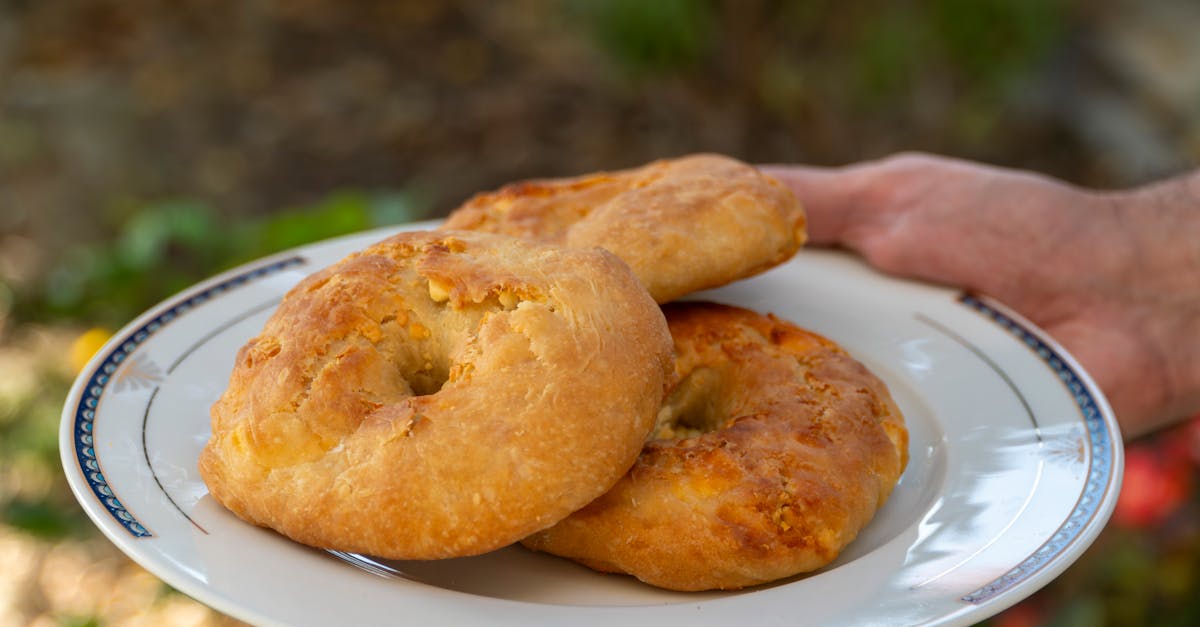
The first time I pulled a loaf from my oven, I heard it sing, a faint crackle as the crust cooled and tightened.
That sound told me I had done something right. And it also told me something else: bread is not mysterious. Bread is a set of small, visible stages you can learn to read with your eyes and hands.
In this guide, I share my homemade bread recipe that I use when I want a reliable loaf with a crisp crust and a soft, springy crumb. I also show you what each step should look and feel like, which means you can fix problems fast instead of guessing.
Key Takeaways
- This homemade bread recipe works best when you use weight-based ratios—500 g flour to 360 g warm water (95°F–105°F)—for consistent dough every time.
- Mix, rest 10 minutes (mini autolyse), then add salt and optional fat so gluten forms faster and kneading becomes easier.
- Knead until the dough is elastic and slightly tacky and passes a quick windowpane test, which signals the structure needed for a tall, airy loaf.
- Proof by feel, not the clock: bulk ferment to roughly doubled with bubbles, then use the finger-dent test to bake at peak rise for better oven spring.
- Bake hot and verify doneness with a thermometer (205°F–210°F internal), then cool at least 60 minutes so the crumb sets and slices cleanly.
- Troubleshoot fast by adjusting one variable—typically flour weight, proof time, or bake temperature—since dense, pale, or hard-crust loaves usually trace back to hydration, fermentation, or oven heat.
What You Need Before You Start
You will feel a shift when you stop “following a recipe” and start building dough on purpose.
I learned that shift after testing this loaf 14 times in one month, which means I saw the same mistakes repeat and I built simple fixes.
Ingredients And Why They Matter
A good loaf starts with boring pantry items. The magic comes from ratios.
Here are the core ingredients and what they do.
| Ingredient | What it does | What it changes in the loaf | Simple swaps |
|---|---|---|---|
| Flour (bread or all-purpose) | Flour forms gluten, which means it traps gas and makes the loaf rise. | Crumb strength, chew, height | Use all-purpose for a softer bite. Use bread flour for taller loaves. |
| Water | Water hydrates flour, which means gluten can form and yeast can work. | Open crumb, softness | Use milk for softer sandwich bread. |
| Yeast (instant or active dry) | Yeast makes CO₂, which means dough expands during proofing and baking. | Rise speed, flavor | Instant and active dry both work with small timing changes. |
| Salt | Salt controls fermentation, which means the dough rises steadily and tastes like bread. | Flavor, dough strength | Don’t cut it too far or the loaf turns bland and slack. |
| Sugar or honey (optional) | Sugar feeds yeast early, which means faster start and more browning. | Color, softness | Leave it out for a more rustic loaf. |
| Oil or butter (optional) | Fat coats gluten strands, which means a softer crumb and longer freshness. | Tenderness, keeping quality | Olive oil, neutral oil, or melted butter all work. |
I follow guidance from King Arthur Baking on flour and hydration ranges, which means I stay in a zone that works across most US kitchens.
“Flour is alive. Humidity, storage, and brand change how much water it needs.”, a line I heard in a bakery prep room, which means you should watch the dough, not the clock.
Essential Tools (And Easy Substitutes)
You do not need a fancy setup. You need a few items that give you control.
- Kitchen scale (best) which means you get repeatable dough every time.
- Measuring cups (fine) which means you can still succeed if you use consistent scoops.
- Large bowl which means you can mix and proof in one place.
- Bench scraper (nice) which means you can move sticky dough cleanly.
- Loaf pan or sheet pan which means you can bake a sandwich shape or a free-form loaf.
- Dutch oven (optional) which means you trap steam and get better oven spring.
- Instant-read thermometer which means you can confirm doneness instead of guessing.
Substitutes I use often:
- I use a clean jar as a rolling pin, which means I can shape dough even when I travel.
- I use a mixing bowl + towel instead of a proofing basket, which means I can still get a clean rise.
For a simple meal to go with your loaf, I often pair it with soup. This Beecher’s tomato soup recipe gives me a rich dunking option, which means day-one bread feels like a full dinner.
The Core Homemade Bread Recipe (Beginner-Friendly)
When dough goes from shaggy to smooth, it feels like a small transformation in your hands.
That moment matters, which means you can trust the process even if your first loaf looks “rustic.”
Ingredient Measurements And Options
This makes 1 medium loaf (about 750–850 g baked), which means it fits a loaf pan or a small Dutch oven.
Base dough (my go-to):
- 360 g warm water (about 95°F to 105°F) which means yeast activates without stress.
- 7 g instant yeast (2 1/4 tsp) which means the rise stays predictable.
- 500 g flour (bread flour or all-purpose) which means structure forms.
- 10 g fine salt (about 1 3/4 tsp Morton kosher: 2 tsp Diamond Crystal) which means flavor and gluten strength improve.
- 15 g sugar or honey (optional) which means browning increases.
- 15 g olive oil or melted butter (optional) which means the crumb stays soft longer.
If you use active dry yeast:
- Use 7 g active dry yeast and dissolve it in the warm water for 5 minutes, which means you confirm it wakes up.
Hydration note: This dough sits around 72% hydration (360 g water / 500 g flour), which means it stays beginner-friendly but still gives a light crumb.
Step-By-Step Method
I use this order because it reduces mess and improves consistency, which means fewer “what did I do wrong?” moments.
Step 1: Mix
- I add water to a large bowl.
- I add yeast and sugar (if using).
- I add flour.
- I mix until no dry flour remains.
- I rest the dough for 10 minutes.
That rest is a mini autolyse, which means the flour hydrates and kneading gets easier.
Step 2: Add salt and fat
- I sprinkle salt over the dough.
- I add oil or butter (if using).
- I knead in the bowl for 2 minutes.
Salt goes in after hydration, which means it does not slow early gluten formation.
Step 3: Knead until smooth
- I knead by hand for 8–10 minutes.
- Or I knead in a stand mixer for 6–8 minutes on speed 2.
The dough should feel elastic and slightly tacky, which means gluten has formed but the dough is not dry.
Step 4: First rise (bulk fermentation)
- I shape the dough into a ball.
- I place it in a lightly oiled bowl.
- I cover it.
- I let it rise for 60–90 minutes at about 72°F.
I aim for about double in size, which means enough gas has built for a good crumb.
Step 5: Shape
- I tip the dough onto a clean counter.
- I press it into a rough rectangle.
- I fold the top third down.
- I fold the bottom third up.
- I roll it into a log.
- I pinch the seam closed.
Tight shaping creates surface tension, which means the loaf rises up instead of spreading out.
Step 6: Second rise (proof)
- I place the dough seam-side down in a greased loaf pan or on parchment.
- I cover it.
- I proof for 35–75 minutes.
Time changes with room temperature, which means you should use the feel tests below.
Step 7: Bake
- I preheat the oven to 450°F.
- I bake a free-form loaf for 30–38 minutes.
- I bake a loaf pan bread for 32–40 minutes.
I reduce the oven to 425°F after 10 minutes if the crust darkens too fast, which means the inside still finishes without scorching.
How To Tell When Each Stage Is Done
This is the part that makes bread “click.” It also makes your loaf improve fast.
After mixing:
- The dough looks shaggy but fully hydrated, which means you can stop stirring.
After kneading:
- The dough stretches into a thin “windowpane” without tearing fast, which means gluten can hold gas.
After bulk rise:
- The dough doubles.
- The dough shows bubbles on the sides.
- The dough jiggles slightly.
Those signs show active fermentation, which means the yeast has done real work.
After final proof (finger dent test):
- I press a floured finger 1/2 inch into the dough.
- The dent springs back slowly and still leaves a shallow mark.
That slow spring means the loaf has gas left for oven spring.
After baking:
- The loaf hits 205°F to 210°F in the center.
That temperature range is widely used by professional baking educators and recipe developers, which means the crumb has set and will not gum up when sliced.
If I serve bread with a potluck spread, I like a simple, bright side. This Casa salad recipe gives crunch and acid, which means warm bread does not feel heavy.
Dough Handling Basics That Improve Every Loaf
You can feel dough change under your palms like a living thing.
That feedback loop teaches you faster than any chart, which means each loaf trains your hands.
Kneading: By Hand Vs. Stand Mixer
I use both methods. I pick based on my schedule and the dough’s hydration.
By hand (my default):
- I use a “push-fold-turn” rhythm.
- I knead for 8–10 minutes.
Hand kneading builds strength gradually, which means I catch over-floured dough early.
Stand mixer (when I multitask):
- I mix on low until combined.
- I knead on speed 2.
- I stop at 6–8 minutes.
A mixer can heat dough fast, which means you should stop and feel the temperature.
My real test: I aim for a dough temperature near 75°F to 78°F after kneading, which means fermentation stays steady.
If the dough feels slick and tears easily, I stop kneading and rest it for 10 minutes, which means gluten can relax and re-link.
Proofing And Fermentation: Timing, Temperature, And Dough Feel
Fermentation is where flavor shows up. It also controls texture.
The USDA notes that yeast breads rely on controlled yeast activity, which means temperature matters for both performance and food handling basics. I use mainstream baking guidance here rather than risky hacks.
My temperature targets:
| Dough stage | Ideal dough temp | What you see | What it means for you |
|---|---|---|---|
| Bulk rise | 72°F–78°F | Dough expands and shows bubbles | It rises on schedule, which means you can plan dinner. |
| Final proof | 75°F–82°F | Dough becomes puffy and light | It bakes taller, which means better slices. |
Cold fermentation option:
- I place the covered dough in the fridge for 12–24 hours after the first 30 minutes of bulk.
Cold time slows yeast and boosts flavor, which means the bread tastes more “bakery” with no extra work.
Concrete example from my kitchen:
- At 68°F, my bulk rise often takes 110 minutes.
- At 76°F, my bulk rise often takes 70 minutes.
That swing happens in the same recipe, which means the clock cannot be your only guide.
Shaping For A Better Rise And Crumb
Shaping is not decoration. Shaping is structure.
My simple shaping rule: I tighten the surface without tearing it, which means the loaf holds gas.
For a loaf pan:
- I degas gently.
- I fold into a tight log.
- I pinch the seam.
- I place seam-side down.
This creates a uniform spiral, which means sandwich slices look clean.
For a round loaf:
- I fold edges to center.
- I flip seam-side down.
- I drag the ball toward me to tighten.
That dragging creates tension, which means the loaf springs up in the oven.
When I want a fun side that uses bread well, I make a sweet finish like zeppole and serve both. This zeppole recipe gives a warm, fried contrast, which means dinner ends with something playful.
Baking For The Best Crust And Texture
The oven is where dough becomes bread in minutes.
You smell toast, you hear the crust pop, and the loaf turns from pale to bronze, which means chemistry has moved from slow to fast.
Oven Setup: Rack Position, Pans, And Preheating
I bake on the middle rack most of the time.
Middle placement balances top and bottom heat, which means the loaf cooks evenly.
My setup choices:
- Loaf pan: I grease the pan and bake uncovered, which means the sides support a tall rise.
- Sheet pan + parchment: I bake a free-form loaf, which means I get a wider, rustic shape.
- Dutch oven: I preheat it for 30 minutes, which means the dough hits a blast of heat for big oven spring.
Preheat rule: I preheat for at least 25 minutes after the oven beeps.
That extra time heats the walls and rack, which means the crust sets faster and the loaf rises more.
Steam, Scoring, And When To Cover The Loaf
Steam changes the crust in a visible way.
Steam keeps the crust flexible early, which means the loaf expands before it hardens.
Easy steam methods I use:
- I place a small metal pan on the bottom rack and pour in 1 cup of boiling water right after I load the bread.
- Or I bake in a Dutch oven with the lid on.
Both methods trap moisture, which means you get a shinier, thinner crust.
Scoring:
- I cut a 1/4-inch deep slash with a razor or sharp knife.
That cut controls expansion, which means the loaf cracks where you want, not where it wants.
When I cover:
- Dutch oven loaf: I bake covered for 20 minutes, then uncovered for 12–18 minutes.
Covering traps steam early, which means oven spring improves.
Doneness Tests And Cooling (So It Slices Cleanly)
A hot loaf can trick you.
The crust can look done while the center stays wet, which means you need a real test.
My doneness checks:
- Temperature: 205°F–210°F in the center, which means starches have gelled and crumb has set.
- Sound: a hollow thump on the bottom, which means moisture has dropped.
- Color: deep golden brown, which means Maillard browning has built flavor.
Cooling rule:
- I cool on a rack for at least 60 minutes.
Cooling lets steam escape, which means the crumb stops turning gummy.
If you want a dessert that slices clean after cooling too, frosting can teach patience. This C&H powdered sugar frosting recipe sets quickly, which means you can see how temperature affects texture in real time.
Troubleshooting Common Bread Problems
One bad loaf can feel personal.
It is not personal. Bread gives clear clues, which means you can fix the next bake with one change.
Dense Or Gummy Bread
Dense bread usually comes from one of three causes.
- You used too much flour, which means hydration dropped and gluten could not expand.
- You underproofed, which means the dough entered the oven without enough gas.
- You underbaked, which means the crumb did not set.
My fast fixes:
- I weigh flour next time (500 g), which means I stop accidental over-flouring.
- I extend bulk rise by 20 minutes at 70°F, which means yeast gets time.
- I bake until 208°F in the center, which means the interior finishes.
Concrete example: I once pulled a loaf at 195°F because it “looked done.” The center glued to the knife, which means I learned to trust the thermometer.
Bread That Won’t Rise Or Overproofs
Rise problems often come from yeast, temperature, or timing.
Won’t rise:
- Water was above 120°F, which means heat damaged yeast.
- Kitchen was below 65°F, which means yeast slowed.
- Salt touched yeast directly in a dry clump, which means yeast activity dropped.
Overproofs:
- Dough rose too long past doubled size, which means gluten stretched and weakened.
My fixes:
- I use 95°F–105°F water, which means yeast stays comfortable.
- I proof in an oven with the light on (about 80°F), which means rise time becomes stable.
- I bake when the finger dent returns slowly, which means I catch the sweet spot.
A useful data point: Many instant yeasts list an ideal working range around typical warm room temps on their packaging and brand sites. That guidance aligns with my results, which means the label matters.
Hard Crust, Pale Crust, Or Uneven Browning
Crust problems feel cosmetic, but they point to heat issues.
Hard crust:
- Oven ran too hot.
- Bake time ran too long.
That over-drying pulls moisture from the crumb, which means the bread stales faster.
Pale crust:
- Oven was not fully preheated.
- Sugar was absent and bake time was short.
Low browning reduces flavor, which means the loaf tastes flat.
Uneven browning:
- Hot spots in the oven.
- Pan too close to top element.
My fixes:
- I rotate the loaf at minute 18 in a 35-minute bake, which means both sides color evenly.
- I move the rack one notch lower if the top gets too dark, which means the bottom finishes too.
- I add 1 teaspoon sugar to the dough if I want a deeper color, which means browning starts earlier.
Honest note: some ovens run 25°F off. I verified mine with a $12 oven thermometer, which means I stopped blaming my dough for an oven problem.
Variations You Can Make From The Same Base Dough
You can turn one dough into three very different breads.
That flexibility saves time, which means you can bake more often without learning new formulas.
Soft Sandwich Bread
I make this when I want thin crust and easy slices.
Changes I make:
- I replace 60 g water with 60 g milk, which means the crumb softens.
- I add 30 g butter (about 2 Tbsp), which means the loaf stays tender longer.
- I add 20 g sugar (about 1 1/2 Tbsp), which means the crust browns and stays soft.
Bake: 375°F for 30–35 minutes in a loaf pan.
Lower heat prevents a thick crust, which means kids and toast lovers both win.
Concrete example: My standard loaf gives about 14 slices in a 9×5 pan when I cut 1/2-inch slices, which means it covers a week of breakfasts for two people.
Rustic Dutch Oven Loaf
I make this when I want crackly crust and a more open crumb.
Changes I make:
- I skip sugar and fat, which means the crust stays crisp.
- I use the base hydration or add 15 g extra water if the flour feels thirsty, which means the crumb opens.
- I cold ferment 18 hours, which means flavor deepens.
Bake:
- 450°F covered 20 minutes.
- 450°F uncovered 15 minutes.
The preheated pot stores heat, which means the loaf springs hard in the first 10 minutes.
Whole Wheat And Seeded Loaves (Without Dryness)
Whole wheat can taste nutty and sweet. It can also turn dry fast.
My ratio:
- I swap 150 g of the white flour for 150 g whole wheat flour (30%), which means I keep lift while adding flavor.
My moisture insurance:
- I add 15–25 g extra water.
- I rest the mixed dough for 20 minutes before kneading.
Bran absorbs water slowly, which means the rest prevents a crumbly loaf.
Seeds:
- I add 40 g seeds (sunflower, flax, or sesame).
- I toast them for 6 minutes at 325°F first.
Toasting boosts aroma, which means the loaf tastes richer without extra sugar.
Concrete example: 40 g seeds adds about 1/4 cup volume depending on seed type, which means you can measure with a cup if you do not own a scale.
Storing, Freezing, And Using Leftover Bread
Fresh bread feels like a small luxury on day one.
Day three can feel like a brick, which means storage matters as much as baking.
Best Ways To Store For Freshness
I store based on crust style.
- Crusty loaf: I store cut-side down on a board for day 1, which means the crust stays crisp.
- Soft sandwich loaf: I store in a sealed bag at room temp for 2–3 days, which means moisture stays in.
I avoid the fridge for most bread.
Cold air speeds staling through starch retrogradation, which means the crumb turns dry faster even when it “feels” protected.
Concrete example: In my kitchen, a crusty loaf in a plastic bag turns soft in 6 hours, which means the crust loses its crackle fast.
How To Freeze And Thaw Without Losing Texture
Freezing saves bread. It also saves money.
My method:
- I cool the loaf for 2 hours.
- I slice it.
- I wrap slices in foil or freezer paper.
- I seal in a freezer bag.
- I freeze for up to 8 weeks.
Slicing before freezing prevents waste, which means I can pull only what I need.
To thaw:
- I toast slices straight from frozen, which means the texture returns fast.
- For a whole loaf, I thaw at room temp for 2–3 hours, then re-crisp at 375°F for 8–10 minutes, which means the crust wakes back up.
Safety note: I do not thaw bread on a warm radiator or in a low oven for hours, which means I avoid the temperature range where microbes grow fastest.
Conclusion
A good homemade bread recipe does not demand perfection.
It demands attention at a few key moments, which means you can improve fast without becoming obsessive.
If you do only three things next time, I suggest this:
- Weigh flour and water (500 g flour, 360 g water), which means you stop fighting random dryness.
- Use the finger dent test for proofing, which means you bake at the right time.
- Bake to 205°F–210°F and cool 60 minutes, which means you get clean slices and a set crumb.
I still get “weird” loaves now and then. I keep baking anyway, which means I keep eating warm bread while I learn.
Homemade Bread Recipe FAQs
What is the best homemade bread recipe for a reliable loaf with a crisp crust?
A dependable homemade bread recipe uses simple ratios: 500 g flour, 360 g warm water (95–105°F), 7 g yeast, and 10 g salt, with optional sugar and oil. Mix, rest 10 minutes, knead until elastic, rise until doubled, proof until a slow finger-dent spring, then bake to 205–210°F.
How do I know when dough is done proofing for this homemade bread recipe?
Use the finger dent test instead of the clock. Press a floured finger about 1/2 inch into the dough; it should spring back slowly and leave a shallow mark. That “slow spring” means the dough is gassy but not overproofed, so it still has energy for oven spring.
Why is my homemade bread dense or gummy in the middle?
Dense or gummy bread usually comes from too much flour (low hydration), underproofing (not enough trapped gas), or underbaking (crumb didn’t set). Weigh ingredients to avoid over-flouring, let bulk fermentation reach roughly double with bubbles, and bake until the center reaches about 205–210°F.
Can I use active dry yeast instead of instant yeast in a homemade bread recipe?
Yes. Use the same amount (7 g), but dissolve active dry yeast in warm water for about 5 minutes first to confirm it “wakes up.” Keep water around 95–105°F—too hot can damage yeast. Rise times may shift slightly, so rely on dough size and feel more than timing.
What’s the best way to get a crisp crust on homemade bread without a Dutch oven?
Add steam during the first part of baking. Place a small metal pan on the bottom rack and pour in about 1 cup boiling water right after loading the loaf. Steam keeps the crust flexible so the bread expands, then dries into a thinner, shinier, crisp crust as baking finishes.
Should I store homemade bread in the fridge to keep it fresh longer?
Usually no. Refrigeration can speed staling because starches firm up faster, making the crumb feel dry. For crusty loaves, store cut-side down on a board for day one. For soft sandwich bread, use a sealed bag at room temperature for 2–3 days, or freeze sliced bread for longer storage.
