
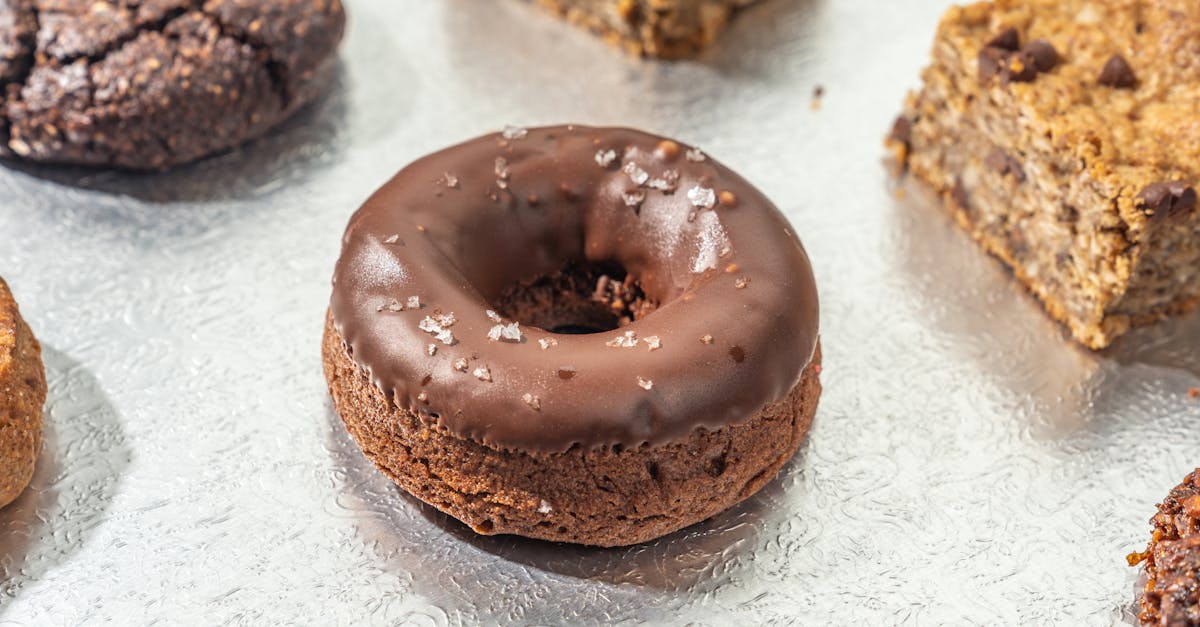
German donut recipe sits at the top of my weekend baking list. I grew up watching my grandmother shape soft rounds of dough, tuck a spoonful of jam inside, and hand me a warm Berliner dusted in sugar. In this guide I share a clear, tested recipe for Berliner (also called Krapfen), plus the tools, timings, and troubleshooting I use when I make them at home. You’ll get step‑by‑step instructions, sensible variations, and storage tips so your batch comes out reliably tender and not greasy.
Key Takeaways
- Weigh ingredients (use grams) and warm milk to 95–100°F to ensure consistent fermentation for this German donut recipe.
- Proof dough until visibly doubled (60–90 minutes) and roll to 2 cm thickness for airy, evenly sized Berliners.
- Fry at a steady 175°C (350°F) in small batches for 2–3 minutes per side to get a golden crust without excess oil absorption.
- Inject 15–20 g of room‑temperature jam or chilled pastry cream per donut and drain on a wire rack to prevent sogginess.
- Store jam‑filled Berliners at room temperature up to 24 hours and refrigerate custard‑filled ones; freeze unfilled rounds for up to 2 months to prep ahead.
What Is A German Donut (Berliner/Krapfen)
A Berliner (also called Krapfen) is a yeast‑leavened, fried pastry filled with jam, custard, or other sweets. I call it a German donut because it matches the dough, shape, and filling most people expect from the name. The dough rises before frying, which means each bite should be airy and light rather than dense.
Historically, Berliners date back centuries and feature in Carnival and New Year celebrations across Germany. They are commonly eaten on New Year’s Eve and Carnival (Fasching), which means you’ll often find bakeries making thousands each day in late winter. A typical Berliner weighs about 60–90 grams before filling, which means a home batch of 12 yields roughly 720–1,080 grams of dough before fillings.
Nutritionally, one medium Berliner averages 300 calories and 15–20 grams of fat depending on filling and frying, numbers I track when I scale for guests. That calorie range gives you a realistic expectation for portions, which means you can plan servings for a breakfast buffet or dessert table without surprises.
Essential Ingredients
I list ingredients in two parts: dough and filling/topping. I recommend weighing ingredients for precision, use grams when possible. Weighing yields consistent results, which means your dough proofs and fries the same way batch after batch.
Dough Ingredients
- 500 g all‑purpose flour (about 4 cups). Using grams reduces error, which means I get repeatable texture every time.
- 50 g granulated sugar (about 1/4 cup). Sugar feeds the yeast, which means it speeds the first rise and adds browning.
- 8 g fine sea salt (about 1 1/2 tsp). Salt controls fermentation, which means the dough won’t overproof and taste flat.
- 10 g instant yeast (about 1 packet). I use instant yeast for reliable rises at home, which means shorter wait times than with active dry yeast.
- 250–275 ml whole milk, warm (about 1 to 1 1/8 cups). Warm milk activates yeast without killing it, which means a steady fermentation.
- 2 large eggs (about 100 g). Eggs add structure and richness, which means the crumb stays tender after frying.
- 60 g unsalted butter, softened (about 4 tbsp). Butter adds flavor and tenderness, which means the Berliner will stay soft the next day.
Filling And Topping Ingredients
- 300 g fruit jam (strawberry, raspberry, or rhubarb cherry). I prefer strawberry or rhubarb cherry jam, which means a bright, not-too-sweet filling. (See my jam link below for a good base.)
- 200 g pastry cream (if making custard-filled). Pastry cream sets well inside a Berliner, which means it won’t run out when you bite it.
- 150 g powdered sugar for dusting. A light dust finishes the pastry, which means a pleasant first impression and hint of sweetness.
- Optional: 100 g dark chocolate for glazing. Chocolate glaze adds a pleasant contrast, which means you can offer both fruit and chocolate varieties to guests.
I often keep two jam types on hand: strawberry and rhubarb‑cherry. I use a 1:1 jam‑to‑donut ratio by weight (about 15–20 g jam per Berliner), which means consistent filling levels and reduced leaks.
Equipment You’ll Need
Good tools make these donuts straightforward. I use items you likely already own. The right equipment reduces errors, which means fewer soggy or misshapen Berliners.
- Stand mixer with dough hook or a sturdy hand mixer. A stand mixer handles extended kneading, which means less effort and a silkier dough.
- Digital scale. The scale keeps measurements precise, which means consistent proofing and texture.
- Deep fryer or heavy‑bottomed Dutch oven. A controlled oil bath keeps temperature steady, which means even browning without excess oil absorption.
- Candy or instant‑read thermometer. Frying at the correct temperature is critical, which means your donuts won’t be raw inside or burned outside.
- Piping bag with a long, round tip (or a small spatula and syringe for filling). Clean filling makes presentation tidy, which means less mess and neater servings.
- Slotted spoon or spider for removing donuts. Draining quickly reduces oil retention, which means lighter donuts.
I fry at 175°C (350°F). That temperature fries 60–70 g rounds in about 2–3 minutes per side, which means a golden exterior and fully cooked interior. If you don’t have a fryer, a heavy Dutch oven and a 3–4″ depth of oil works fine, which means you can still get bakery results on the stove.
Step‑By‑Step Recipe
Below I share my tested process from mixing to filling. Times, temperatures, and weights are specific so you can repeat the result. Each step includes a practical reason, which means you understand not just what to do but why.
Make The Dough
- Warm milk to 35–38°C (95–100°F). Milk at this temperature activates yeast without killing it, which means predictable fermentation. I check with an instant‑read thermometer for accuracy.
- In the mixer bowl combine warm milk, sugar, and yeast. Let sit 3–5 minutes until foamy. Foam shows yeast is active, which means the dough will rise properly.
- Add half the flour, eggs, and salt. Mix on low until combined, which means you avoid overworking gluten early.
- Add remaining flour gradually and knead 6–8 minutes on medium with the dough hook. Add softened butter in two additions and knead 4 more minutes until smooth and elastic. Elasticity indicates proper gluten development, which means a light interior after frying.
- Transfer dough to a lightly oiled bowl and cover. Let rise until doubled, about 60–90 minutes at 24°C (75°F). Doubling shows full fermentation, which means the dough will be airy when shaped.
First Rise And Shaping
- Deflate dough gently and roll to 2 cm (3/4″) thickness on a lightly floured surface. Thickness controls final donut size, which means uniform frying times.
- Cut rounds using a 6 cm (2 1/4″) cutter. You should get about 12–14 rounds from this batch, which means a typical yield for a family dessert.
- Place rounds on a parchment‑lined tray, cover with a clean towel, and proof 30–45 minutes until puffy but not doubled. Proper proofing avoids oil blowouts, which means safer frying and better texture.
Frying The Donuts
- Heat oil to 175°C (350°F) and maintain that temperature. Fry temperature is critical, which means you get a crisp crust and fully cooked center.
- Fry 2–3 donuts at a time for 2–3 minutes per side until golden brown. Avoid overcrowding, which means oil temperature stays stable.
- Drain donuts on a wire rack over a sheet pan for 5 minutes, then roll in powdered sugar or set to cool for glazing. Proper draining cuts oil absorption, which means lighter pastries.
Filling And Finishing
- Fill a piping bag fitted with a 5–7 mm round tip with jam or pastry cream. A consistent tip size controls filling volume, which means even distribution without bursting.
- Insert the tip about 2 cm into the side of each donut and inject 15–20 g of filling. Measure filling by weight when possible, which means consistent portion sizes.
- Dust generously with powdered sugar or dip in glaze. Presentation matters at first bite, which means guests respond better to neat donuts.
I time the whole process at about 4 hours from start to finish including rises, which means you can make fresh Berliners in an afternoon. If you plan ahead, chilling the dough overnight reduces hands‑on time the next day, which means fresher flavor and better convenience.
Variations And Flavor Ideas
Berliner adapt easily to different fillings and finishes. I test at least three new flavors each season, which means you can offer a variety without changing technique.
Classic Jam‑Filled Berliner
I use high‑quality fruit jam at room temperature and a ratio of 15–20 g jam per donut. That amount delivers a clear hit of fruit without leakage, which means a balanced bite.
- Try high‑acidity jams like raspberry or rhubarb cherry for cut through the richness. High acidity cuts richness, which means the jam feels fresher against the fried dough.
(If you need a jam, I’ve used a reliable rhubarb cherry jam recipe which means you can pair a homemade preserve with these donuts.)
Custard, Chocolate, And Seasonal Fillings
- Pastry cream with 35% fat cream yields a sturdy custard that stays inside the donut, which means no messy leaks when you bite.
- Chocolate ganache (50 g chocolate to 50 g cream) sets to a soft glaze, which means the donut eats like a small cake.
- Seasonal: apple butter in fall or lemon curd in spring. Seasonal fillings match seasonal produce, which means your menu feels timely and fresh.
I kept a batch with pastry cream refrigerated overnight and found the texture held for 24 hours, which means you can prepare fillings ahead.
Yeast Vs. Cake Donuts And Regional Names
Berliner are yeast donuts, not cake donuts, which means they rely on fermentation for lift rather than chemical leavening. Yeast donuts produce a softer crumb, which means a lighter mouthfeel.
Regional names vary: Krapfen in Bavaria, Pfannkuchen in parts of Germany, and Berliner in much of the north. Names reflect local tradition, which means you might buy a Berliner that looks the same under a different label.
Troubleshooting Common Problems
I include fixes I use when things go off plan. A small correction early saves a ruined batch, which means you waste fewer ingredients and time.
Dough Too Dense Or Heavy
Cause: Underproofing or too much flour. Solution: Allow the dough to rise until visibly doubled (about 60–90 minutes) and use a light touch when shaping. Proper proofing increases gas retention, which means a lighter crumb.
If density persists, check yeast freshness, one packet (10 g) should foam in warm milk within 5–10 minutes. No foam means inactive yeast, which means you should start with fresh yeast.
Donuts Absorbing Too Much Oil
Cause: Oil too cool or overcrowding. Solution: Maintain oil at 175°C (350°F) and fry in small batches. Correct temperature gives an immediate crust, which means less oil soaks in.
Drain on a wire rack rather than paper towels. Racks allow air circulation, which means the underside stays crisp instead of steaming and becoming soggy.
Filling Or Texture Issues
Cause: Runny filling or too much filling. Solution: Chill pastry cream before filling and measure 15–20 g jam per donut. Chilled or thicker filling stays in place, which means fewer leaks.
If the outside is dark but inside undercooked, lower oil temp by 5–10°C and fry a bit longer. Lower temp slows crust formation, which means the interior cooks through without burning the shell.
Serving, Storage, And Make‑Ahead Tips
Serving and storage decisions affect texture and safety. I plan portions and refrigeration when I fill with perishable creams, which means both taste and safety are preserved.
Best Ways To Serve And Pairings
Serve warm or at room temperature within 2–4 hours of frying for best texture. Freshly fried donuts have a crisp exterior and pillowy interior, which means the contrast is most enjoyable immediately.
Pair with coffee (one cup per two donuts is common at gatherings) or a tart tea to cut sweetness. A tart drink balances sugar, which means guests avoid palate fatigue.
How To Store, Reheat, And Freeze
- Jam‑filled donuts: store at room temperature for up to 24 hours, which means jam stays stable and dough softens gently.
- Custard‑filled donuts: refrigerate and eat within 48 hours, which means bacterial risks are minimized.
- To reheat: 180°C (350°F) oven for 4–6 minutes restores crispness, which means you avoid soggy microwaved donuts.
- To freeze: flash freeze unfilled rounds on a tray for 2 hours, then bag for up to 2 months. Thaw in the refrigerator overnight and reheat before filling, which means you can prepare dough in advance and finish on demand.
I routinely prepare dough the night before and proof briefly in the morning, which means I reduce hands‑on afternoon work when guests arrive.
Nutrition, Portions, And Scaling The Recipe
I calculate portions before baking to match events. This helps avoid waste and keeps guests satisfied, which means better planning for cost and calories.
One standard Berliner (about 70 g finished with 15 g jam) contains roughly 300 calories, 15 g fat, and 30–40 g carbohydrates depending on filling. Those numbers guide portion control, which means you can plan how many to offer per person.
Scaling: multiply ingredient weights linearly for more dough. For every 12 donuts, use the base recipe quantities listed earlier, which means scaling stays predictable. When increasing batch size by more than double, mix in two batches or use a commercial mixer because large batches need more kneading power, which means more consistent gluten development.
If you need a savory twist, I sometimes add 5 g of grated lemon zest to half the batch, which means a brighter flavor that pairs well with creamy fillings.
Conclusion
This German donut recipe gives you a dependable Berliner that I make when I want a comforting, crowd‑pleasing pastry. Follow the timings, keep an eye on oil temperature, and measure fillings by weight for consistent results, which means you’ll serve the same soft crumb and balanced filling every time.
If you like fruit preserves, try pairing your batch with a homemade jam such as the rhubarb cherry jam recipe I use. If you prefer fruit variations, consider a bright strawberry filling from this strawberry shortcake parfait resource for flavor ideas, which means you can build a seasonal spread quickly. For another pastry reference, my tests used techniques similar to those in the raspberry tart recipe, which means classic fruit flavors translate well into donut fillings.
Make a small batch first. Taste, tweak, and take notes on proof times and oil temp. Those notes become your bakery guide, which means every batch after will be closer to perfect.
Frequently Asked Questions
What is a Berliner in this German donut recipe and how does it differ from a cake donut?
A Berliner (Krapfen) is a yeast‑leavened fried pastry filled with jam or custard. Unlike cake donuts, Berliners rely on fermentation for lift, producing an airy, tender crumb rather than the denser texture from chemical leaveners found in cake donuts.
What are the key ingredients and proportions for the dough in this German donut recipe?
Use 500 g all‑purpose flour, 50 g sugar, 8 g salt, 10 g instant yeast, 250–275 ml warm whole milk, 2 large eggs, and 60 g softened butter. Weighing ingredients ensures consistent proofing and texture for reliable batch results.
How should I fry and fill Berliners to avoid greasy or leaking donuts?
Fry at 175°C (350°F), 2–3 minutes per side, in small batches and drain on a wire rack. Proof until puffy but not doubled, inject 15–20 g chilled jam or pastry cream through a 5–7 mm tip, and cool slightly before dusting to reduce leaks and oil absorption.
How do I store, reheat, and freeze donuts made from this German donut recipe?
Jam‑filled Berliners: store at room temp up to 24 hours; custard‑filled: refrigerate and eat within 48 hours. Reheat in a 180°C (350°F) oven for 4–6 minutes to restore crispness. For freezing, flash‑freeze unfilled rounds, bag for up to 2 months, thaw overnight before filling.
Can I bake Berliners instead of frying if I want a lower‑oil option?
You can bake yeast donuts, but texture changes: baked Berliners will be less crisp and slightly denser. Bake at 190–200°C (375–400°F) for about 12–15 minutes until golden, then fill and dust. Expect a different mouthfeel than traditional fried Berliners.
