
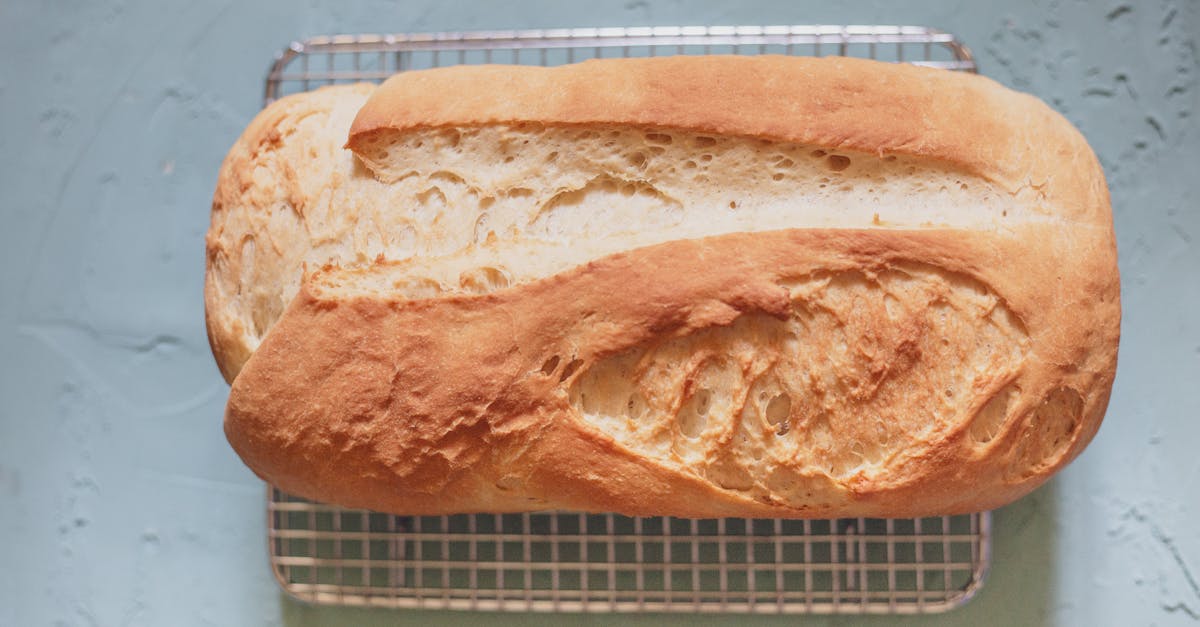
The first time I pulled a cottage loaf from my oven, the shape stopped me cold. A proud bottom “hat” and a smaller top “cap,” both blistered and brown, and the kitchen smelled like warm wheat and toasted crust. It looked like a bakery showpiece, but it came from a bowl, a bench scrape, and my slightly impatient hands.
This cottage loaf recipe gives you that classic British two-tier look without fancy gear. I’ll show you what matters (gluten strength, tight shaping, and proof timing), what to skip (extra steps that don’t change results), and what to do when the top tier tries to slide off at the worst moment.
Key Takeaways
- This cottage loaf recipe creates the classic two-tier British shape by stacking two tight dough balls and docking them deep so the top tier won’t slide during oven spring.
- Use strong gluten and precise hydration (about 64% with 500 g bread flour to 320 g water) to get a tall loaf with a crisp crust and a sliceable, springy crumb.
- Build structure with a short rest, then knead to a true windowpane and aim for a dough temperature around 75–80°F to keep fermentation on schedule.
- Shape for height, not spread: divide about 2/3 for the base and 1/3 for the top, tighten both balls “drum tight,” and brush off excess flour at the join so the tiers bond.
- Bake hot with early steam (about 15 minutes at 475°F, then 425°F) and verify doneness by internal temp (205–210°F) to avoid a dense or gummy center.
- Cool at least 60 minutes before slicing, then store in a paper bag or freeze sliced portions to keep your cottage loaf recipe results fresh and crisp longer.
What A Cottage Loaf Is And Why It’s Worth Baking
A cottage loaf is a traditional British bread with two stacked rounds of dough. The smaller round sits on the larger one, and bakers often pinch or “dock” the center to lock the tiers together, which means you get a dramatic shape without building a complicated dough.
I bake it when I want a loaf that feels special on the table but still works for daily toast. The two-tier form also gives you more crust surface, which means more crunch per slice.
“Bread is never just bread. It is weather, time, and hands.”
Cottage Loaf Vs. Other Classic Loaves
A cottage loaf uses the same basic dough as many lean loaves, but the shaping changes the eating experience. The top tier bakes a bit faster, which means you get slices with slightly different crust-to-crumb ratios from the same loaf.
Here is a quick comparison I use when I choose what to bake.
| Loaf type | Shape | Typical crumb | Crust | Best for | What it means for you |
|---|---|---|---|---|---|
| Cottage loaf | Two stacked rounds | Medium, even | High crust area | Toast, soup, sandwiches | More crust, which means more flavor and crunch |
| Boule | One round | Varies | Moderate | Versatile | Simpler shaping, which means lower failure risk |
| Batard | Oval | Often open | Moderate | Slicing for sandwiches | Even slices, which means clean sandwich builds |
| Sandwich tin loaf | Pan | Fine and soft | Softer | Kids’ sandwiches | Soft bite, which means easy chewing |
A cottage loaf also “signals” handmade bread. People notice it fast, which means you can serve it plain and still get the wow effect.
Flavor, Texture, And Best Uses
This loaf tastes like clean wheat and light fermentation. I aim for a thin, crisp crust and a springy crumb with small-to-medium holes, which means it holds butter, jam, or soup without falling apart.
For a concrete benchmark, I target an internal temperature of 205°F to 210°F at the center, which means the starches set and the crumb finishes baking instead of turning gummy.
Best uses I test every time:
- Toast with salted butter which means you taste crust caramelization first.
- Cheddar sandwich which means the firm crumb supports sharp fillings.
- Soup dunking which means the crust slows sogginess by a few extra minutes.
If you want a fun “bread night” spread, I often pair it with something bright and spicy like a fruit-and-chile sauce (I like the vibe of this roasted pineapple and habanero sauce idea), which means the bread becomes a calm, warm counterpoint.
Ingredients And Tools You’ll Need
Good bread starts with boring basics. I keep the formula lean and repeatable, which means you can troubleshoot by changing one variable at a time.
Ingredient Notes: Flour, Yeast, Salt, And Water
I use this ingredient list for one medium cottage loaf.
Ingredients (1 loaf):
- 500 g bread flour (about 4 cups spooned and leveled), which means stronger gluten and a taller two-tier shape.
- 7 g instant yeast (2 1/4 tsp) or 10 g active dry yeast (about 3 1/4 tsp), which means reliable rise in a home kitchen.
- 10 g fine salt (1 3/4 tsp), which means better flavor and tighter gluten.
- 320 g water (about 1 1/3 cups), cool to lukewarm, which means a dough that feels supple instead of stiff.
That puts hydration at 64% (320 ÷ 500), which means you get a crumb that is sliceable and still light.
If you want a more rustic crumb, you can push water to 340 g (68%), which means bigger holes but a slightly harder shaping job.
Salt note: The USDA and FDA both recommend limiting sodium for health reasons (see Dietary Guidelines for Americans), which means you can choose to reduce salt, but bread texture may suffer if you cut too much.
Optional Add-Ins And Variations
I keep the first bake plain. Then I play.
- 10 g sugar or honey which means slightly faster browning and a softer bite.
- 15 g olive oil or melted butter which means a more tender crumb and longer keeping quality.
- 30 g whole wheat flour (swap for part of the bread flour), which means more nutty flavor but a bit less loft.
- 1 tsp malt powder (if you have it), which means deeper color and a faint sweetness.
If you want a dinner theme, I sometimes serve this loaf with a creamy pasta side like my take on salmon scampi, which means the bread can mop sauce without shredding.
Tools I actually use:
- Digital scale, which means repeatable dough every time.
- Large bowl, which means easy mixing without flour storms.
- Bench scraper, which means clean shaping and less sticking.
- Baking stone or heavy sheet pan, which means stronger oven spring.
- Parchment, which means easy transfer without deflating.
- Instant-read thermometer, which means no guesswork on doneness.
If you want to organize your bakes, a binder system helps. I keep notes in dividers like these recipe dividers for a 3-ring binder, which means I can repeat the exact timing that worked on a cold winter day.
Step-By-Step Cottage Loaf Method
The “magic” of a cottage loaf is not magic. It is gluten strength plus tight shaping, which means the top tier sits high instead of slumping like a snowman in the sun.
Total time: about 3.5 to 5 hours same-day, which means you can start after breakfast and slice by late afternoon.
Mixing And Kneading: Building Gluten For A Tall Shape
- Mix the dough. I add flour, yeast, and water to a bowl and stir until no dry flour remains (about 60 seconds), which means you hydrate flour fast and avoid dry pockets.
- Rest (autolyse-ish). I cover the bowl and rest for 15 minutes, which means gluten begins forming with less kneading.
- Add salt. I sprinkle salt over the dough and knead it in, which means salt dissolves and strengthens the dough evenly.
- Knead until smooth. I knead by hand for 8 to 10 minutes (or mixer 6 minutes on low), which means you build a dough that can hold the stacked shape.
My test: I stretch a small piece into a thin “window.” If it turns translucent before tearing, I stop, which means the gluten network can trap gas for a taller loaf.
Concrete check: The dough should feel around 75°F to 80°F after kneading if your kitchen sits near 70°F, which means fermentation will run on schedule instead of stalling.
First Rise: Timing, Temperature, And Readiness Cues
- I place the dough in a lightly oiled bowl and cover it.
- I let it rise until it doubles, usually 60 to 90 minutes at 75°F, which means yeast makes enough gas to lighten the crumb.
- I use a finger dent test. I press 1/2 inch into the dough. The dent should spring back slowly, which means the dough holds gas but still has energy for the oven.
If my kitchen drops below 68°F, rise time can jump to 2 hours, which means you must watch the dough, not the clock.
Shaping The Two Tiers And Securing The Topknot
This is the part that feels like sculpture. It also feels risky. I still do it anyway.
- Divide the dough. I cut off one-third for the top tier (about 330 g) and keep two-thirds for the bottom (about 670 g), which means the loaf looks balanced and bakes evenly.
- Pre-shape both pieces. I form each into a loose ball and rest for 10 minutes, which means the gluten relaxes and the final shaping tightens better.
- Shape tight balls. I tighten each ball by pulling the surface against the counter until it feels “drum tight,” which means the loaf rises up instead of out.
- Make the base. I place the large ball seam-side down on parchment.
- Make the topknot lock. I flour a finger and poke a hole in the center of the large ball, about 1 inch wide. I also pinch the bottom of the small ball into a gentle point, which means the two pieces physically interlock.
- Stack. I set the small ball on top and press that point into the hole.
- Dock. I take a floured dowel, chopstick, or my index finger and press straight down through the top tier into the base, which means you fuse the tiers and prevent sliding.
My personal rule: I dock deep enough to feel the counter resistance, which means the top tier stays put during oven spring.
Proofing And Scoring For A Crisp, Even Bake
- I cover the shaped loaf with a towel or oiled plastic.
- I proof until it puffs and feels airy, usually 35 to 60 minutes, which means you avoid tearing and blowouts.
- I score right before baking. I cut a shallow ring around the “neck” where the tiers meet, which means steam can escape and the loaf opens in a controlled way.
A simple scoring plan:
- 1 ring score around the join, which means a defined cottage loaf silhouette.
- 4 short slashes on the top tier, which means even expansion and nicer crust patterns.
If you proof too long, the dough can wobble when you move it, which means the loaf may deflate and bake flatter.
Baking And Cooling For The Best Crust And Crumb
The oven does not just “cook” bread. The oven inflates it. Then the oven sets it, which means your first 10 minutes decide the final height.
Oven Setup: Steam, Temperature, And Bake Times
- I place a baking stone or sheet on the middle rack.
- I place an empty metal pan on a lower rack for steam.
- I preheat to 475°F for 30 minutes, which means the loaf gets immediate oven spring.
- I slide the loaf (on parchment) onto the hot surface.
- I pour 1 cup of boiling water into the steam pan and close the door fast, which means the crust stays flexible long enough to expand.
Bake schedule I use:
- 15 minutes at 475°F with steam, which means maximum lift and better crust shine.
- Then I remove the steam pan, drop to 425°F, and bake 20 to 25 minutes, which means the loaf cooks through without over-darkening the crust.
Total bake time usually lands at 35 to 40 minutes.
How To Tell It’s Done (Internal Temp And Sound)
I trust two checks.
- Internal temperature: I aim for 205°F to 210°F in the center of the base, which means the crumb finishes baking and slices clean.
- Knock test: I tap the bottom. It should sound hollow, which means moisture has dropped enough for structure.
The internal-temperature method wins when your loaf is tall. The knock test can lie, which means you can underbake a loaf that sounds “fine”.
For baking safety standards and temperature guidance in kitchens, I also respect USDA food safety basics (see USDA Food Safety and Inspection Service), which means I treat temperature as a tool, not a guess.
Cooling And Slicing Without Squashing The Loaf
I cool this loaf for at least 60 minutes on a rack, which means steam escapes and the crumb firms up.
If I slice early, the crumb compresses into a gummy line, which means I lose the light texture I worked for.
I use a serrated knife and light pressure. I saw, not press, which means the loaf keeps its height and the slices stay even.
Common Problems And How To Fix Them
Bread teaches fast. It also punishes fast. I keep fixes simple and specific, which means you can change one thing and see a clear result next bake.
Top Tier Sliding Or Separating
What it looks like: The top tier drifts sideways or pops off after baking.
Most common causes I see:
- You docked too shallow, which means the tiers never fused.
- You used too much flour between surfaces, which means the dough cannot stick to itself.
- You under-shaped (loose balls), which means the loaf spreads and pushes the top off-center.
Fixes that work in my kitchen:
- Dock deeper until you feel the base compress, which means you create a physical “peg” effect.
- Brush off excess flour at the join, which means dough contacts dough and bonds.
- Tighten shaping by dragging the ball on the counter for 15 to 20 seconds, which means surface tension holds the stack upright.
Concrete example: When I docked only halfway down, my top tier slid about 1 inch during oven spring. When I docked fully through, it stayed centered.
Dense Or Gummy Crumb
What it looks like: Heavy slices, sticky line near the bottom, or wet centers.
Likely causes:
- Under-kneading, which means weak gluten traps less gas.
- Under-proofing, which means the dough enters the oven without enough air.
- Under-baking, which means starch stays gel-like and sticky.
Fixes I use:
- Knead to a real windowpane, which means you build the scaffold for a tall loaf.
- Extend first rise by 15 to 30 minutes if dough feels tight, which means yeast creates more lift before shaping.
- Bake to 205°F+, which means the center finishes cooking instead of staying pasty.
Concrete check: I weigh flour and water. A 20 g water shortfall can drop hydration from 64% to 60%, which means the crumb turns tight and dry.
Pale Crust, Tough Crust, Or Blowouts
Pale crust causes:
- Low oven temperature, which means you get less Maillard browning.
- No steam early, which means the crust sets too soon and stays dull.
Tough crust causes:
- Over-baking, which means moisture drops too far.
- Very dry oven with long bake, which means the crust thickens.
Blowouts causes:
- Under-proofing, which means the loaf rips where it wants.
- Weak scoring, which means you did not give expansion a controlled path.
Fixes:
- Preheat longer. I go 30 minutes minimum, which means the bake starts with stored heat.
- Add steam for the first 15 minutes, which means the loaf expands before crust locks in.
- Score with confidence at a shallow angle, which means the cut opens instead of sealing.
If you want a quick skills drill, practice scoring on a simple flatbread or pizza base. A crisp base like this tostada pizza recipe makes a good “knife control” warmup, which means your bread scoring feels less scary.
Make-Ahead, Storage, And Freezing
Fresh bread feels like a small life upgrade. Stale bread feels like regret. I use timing and storage that protect both crust and crumb, which means I waste less and enjoy more slices at peak quality.
Same-Day Schedule Vs. Overnight Rise
Same-day plan (example):
- 9:00 am mix + knead, which means you start with strong dough.
- 10:15 am shape, which means fermentation has built gas.
- 11:00 am bake, which means you eat by lunch or early afternoon.
Overnight option (better flavor):
- I reduce yeast to 3 g instant (about 1 tsp).
- I let the dough rise 30 minutes at room temp, then I refrigerate 12 to 16 hours, which means slow fermentation builds deeper flavor.
- Next day I warm dough for 45 to 60 minutes, shape, proof, and bake, which means the dough regains activity and bakes tall.
Concrete flavor note: The overnight loaf tastes sweeter without adding sugar, which means enzymes had time to convert starch to simple sugars.
Keeping The Crust Crisp And The Inside Fresh
I store lean bread at room temperature for 2 days.
- I use a paper bag or bread box, which means the crust stays drier than plastic storage.
- I avoid sealing in plastic unless the loaf is already cut, which means the crust does not turn rubbery.
If I cut the loaf, I place the cut side down on a board and cover loosely, which means I protect the crumb without trapping moisture around the crust.
How To Freeze Whole Or Sliced Loaf
Freezing works well for this bread.
- Whole loaf: I cool fully, wrap in plastic, then wrap in foil, which means freezer burn stays low.
- Sliced loaf: I slice, then freeze slices in a zip bag with parchment between, which means I can pull exactly 2 slices without thawing the whole loaf.
Time limit I follow: up to 3 months for best flavor, which means the bread still tastes clean and not “freezer stale.”
To reheat, I thaw then crisp at 375°F for 10 minutes, which means the crust returns and the crumb warms without drying out.
Serving Ideas And Leftover Uses
The best moment with a cottage loaf comes fast. You crack the crust and hear it, which means you know you nailed the bake before you even taste it.
Traditional Pairings And Sandwich Ideas
Here are serving ideas I use and repeat.
- Butter + marmalade which means you get sweet, bitter, and toasted wheat in one bite.
- Cheddar + Branston-style pickle which means sharp fat meets tangy crunch.
- Egg sandwich with pepper which means the crumb holds hot filling without tearing.
- Soup-and-bread night which means you turn one loaf into a full meal.
If I host brunch, I often add a dessert plate like these macarons, which means people remember the meal as an “occasion,” not just lunch.
Concrete portion note: A 500 g flour loaf gives about 10 to 12 slices, which means you can plan servings without guessing.
Best Ways To Revive Day-Old Bread
Day-old cottage loaf still has value. It just needs heat.
To revive the crust:
- I spritz the loaf lightly with water.
- I heat it at 400°F for 6 to 10 minutes, which means steam re-expands the crust and brings back crackle.
To use leftovers:
- Croutons: I cube, oil, salt, and bake 12 minutes at 425°F, which means you turn stale bread into salad crunch.
- Breadcrumbs: I dry slices and pulse, which means you get fresher crumbs than store cans.
- Bread-and-butter pudding: I soak and bake, which means stale bread becomes custardy comfort food.
Practical warning: If bread smells sour like acetone or shows any mold spots, I discard it, which means I avoid risky food exposure.
Conclusion
A cottage loaf looks fancy, but it rewards plain discipline. I weigh ingredients, I knead until elastic, and I dock the tiers like I mean it, which means the loaf stands tall and slices clean.
If you bake this cottage loaf recipe once, take one note for next time. Write down dough feel, room temperature, and bake time, which means your second loaf improves fast. And when the crust cracks under your knife, you will hear the payoff.
Frequently Asked Questions (Cottage Loaf Recipe)
What is a cottage loaf, and why is this cottage loaf recipe shaped in two tiers?
A cottage loaf is a traditional British bread made from two stacked rounds of lean dough—a larger base with a smaller top “cap.” This cottage loaf recipe uses docking (pinching/pressing through the center) to fuse the tiers, creating a dramatic look and extra crust surface for more crunch and flavor.
How do I stop the top tier from sliding off my cottage loaf?
Top-tier sliding usually comes from shallow docking, excess flour at the join, or loose shaping. Dock straight down until you feel firm resistance, brush off flour where dough meets dough, and shape both rounds “drum tight” to build surface tension so the stack rises upward, not outward.
What internal temperature should a cottage loaf reach when it’s fully baked?
For this cottage loaf recipe, aim for an internal temperature of 205°F to 210°F in the center of the base. That range helps the starches set so the crumb bakes through instead of turning gummy. A hollow “knock test” can be misleading on tall, thick loaves.
Can I do an overnight rise with a cottage loaf recipe for better flavor?
Yes. For an overnight cottage loaf recipe, reduce instant yeast to about 3 g (roughly 1 tsp), let the dough start rising at room temperature for around 30 minutes, then refrigerate 12–16 hours. The next day, warm the dough 45–60 minutes, then shape, proof, and bake.
Do I need a baking stone and steam to bake a cottage loaf well at home?
You don’t need fancy gear, but a hot stone or heavy sheet pan improves oven spring. Steam during the first 15 minutes keeps the crust flexible so the loaf can expand and brown well. A simple method is preheating a pan and adding about 1 cup of boiling water at loading time.
What’s the best flour to use for a cottage loaf recipe, and can I swap in whole wheat?
Bread flour is ideal because higher protein builds stronger gluten, helping the stacked shape stay tall. You can swap in about 30 g whole wheat flour for a nuttier flavor, but expect slightly less loft. If you increase water for a rustic crumb, shaping becomes trickier.
