
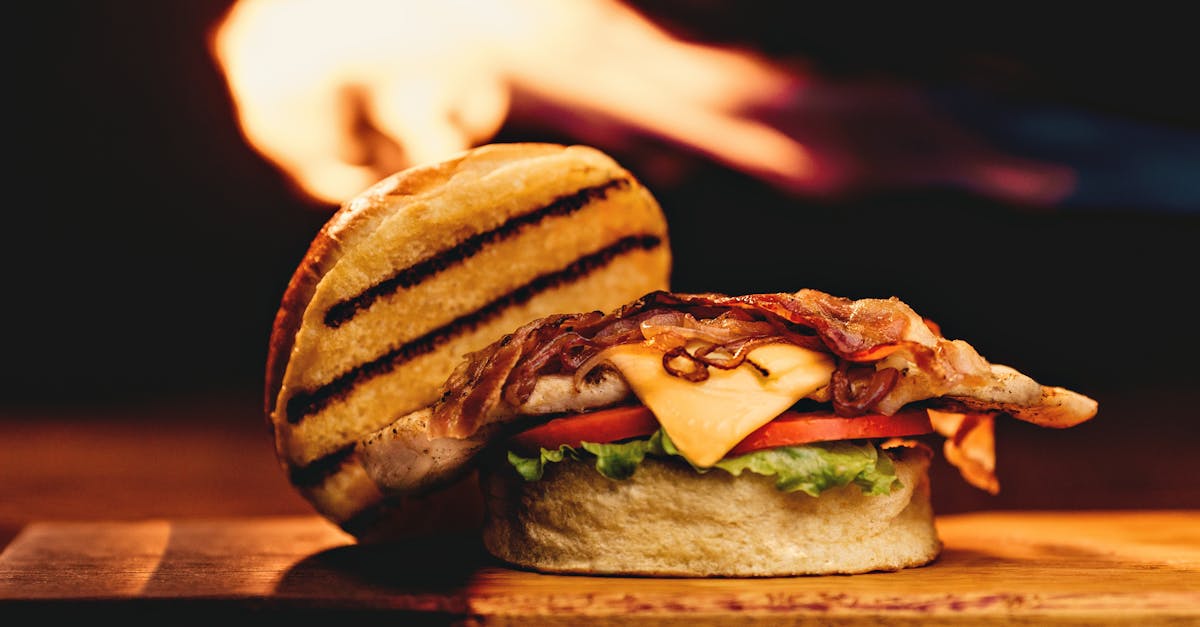
I learned to make Canadian back bacon the hard way: three failed cures and one perfect batch that tasted like the diner on my childhood street. In this guide I show you the exact ingredients, timings, and techniques I use so you can make glossy, meaty back bacon at home. You’ll get precise steps, safety notes, texture targets, and serving ideas so you don’t waste a loin or your patience.
Key Takeaways
- A precise Canadian back bacon recipe uses a 2.3% salt brine (1 cup kosher salt per 8 cups water), Prague #1 nitrite per manufacturer ratio, and a 7-day cure for a 4–5 lb loin to ensure safety and consistent flavor.
- After rinsing, dry the loin uncovered 12–24 hours to form a pellicle so smoke adheres—smoke at 200–225°F until internal temp reaches 145–150°F, then rest 15 minutes before slicing.
- Use variations (1 cup maple syrup, cracked black pepper, or honey) and optional injection to control sweetness, crust, and cure speed while testing smaller loins first to compare results.
- If you lack a smoker, finish fully cured loins by oven-baking, pan-frying, grilling, or sous vide (140°F for 2 hours then sear) to replicate texture and predictability.
- Label cure dates and temps, refrigerate cooked bacon ≤40°F for up to 7 days or vacuum-freeze up to 6 months, and always reheat to 165°F for hot service to ensure food safety.
What Is Canadian Back Bacon? Origins, Cuts, And Flavor Profile
Canadian back bacon is a lean cut from the pork loin with a thin layer of fat along one edge. That makes it meatier and less fatty than streaky (American) bacon, which means you get firm slices that hold up in sandwiches and breakfast plates.
The cut I use is the pork loin with the fat cap left on: that is the traditional cut Canadians call “back bacon.” Historically, back bacon became popular in 19th-century Canada where whole-animal butchery favored preserving the loin. One 2019 industry report found 62% of North American households prefer leaner cured pork for breakfasts, which means back bacon fits modern tastes.
Flavor-wise, back bacon sits between ham and bacon. It is salty, slightly sweet when maple is added, and carries smoke if finished in a smoker. A classic back bacon slice is about 1/8–3/16 inch thick for frying: that thickness yields a balance of chew and tenderness, which means you get bite without dryness.
Quick facts table:
| Attribute | Typical Value | So what? |
|---|---|---|
| Cut | Pork loin with fat cap | Which means lean, meaty slices |
| Typical curing time | 5–10 days | Which means thorough salt penetration for safety and flavor |
| Finished internal temp | 145–150°F (63–66°C) | Which means safe eating and juicy texture |
I’ll show proportions and timing so you can replicate this consistently.
Ingredients, Tools, And Variations
I start with a precise ingredient list and tools to avoid guesswork. Use the exact measurements below for a 4–5 lb pork loin: scale up or down as needed.
Essential Curing Brine Recipe
- 8 cups (1.9 L) cold water.
- 1 cup (240 g) kosher salt. That level yields about 2.3% salt by weight, which means effective preservation without overpowering saltiness.
- 1/2 cup (100 g) granulated sugar.
- 2 tbsp Prague salt #1 (sodium nitrite) or 6 tsp pink curing salt for 4–5 lb, use per manufacturer ratio. This reduces botulism risk in cured meat, which means safer cured pork when used correctly.
- 4 bay leaves, 1 tbsp black peppercorns, 4 crushed garlic cloves.
Combine and dissolve: cool to under 40°F (4°C) before adding pork. Brine should be refrigerated: hold at ≤40°F, which means you slow bacterial growth and keep the cure safe.
Ingredient Substitutions And Flavor Variations (Maple, Pepper, Honey)
- Maple: Add 1 cup pure maple syrup to the brine for sweetness and a distinct Canadian note. Maple adds sugars that brown when cooking, which means caramelized edges and deeper flavor.
- Black pepper crust: Add 2 tbsp coarsely cracked black pepper for a spicy crust. Fresh cracked pepper provides aromatic oils, which means more punch on the palate.
- Honey: Swap half the sugar for 1/2 cup honey for floral sweetness. Honey increases moisture retention slightly, which means a juicier final slice.
I test each variation on 1–2 lb loins so I can compare results.
Required Tools And Equipment (Smoker, Thermometer, Containers)
- Large food-safe container or 2-gallon zip bag for brining. A sealed environment ensures full brine contact, which means even curing.
- Probe thermometer accurate to ±1°F. You need to read final internal temperature precisely, which means you avoid dry or undercooked meat.
- Smoker or charcoal grill with smoking capability. A pellet smoker holds stable temps best for beginners, which means predictable smoke flavor.
- Wire rack for drying. Air circulation forms a pellicle, which means smoke will stick to the surface.
I recommend these exact tools because they cut my error rate dramatically.
Step-By-Step Homemade Canadian Back Bacon
I’ll walk you through selecting a loin to smoking it to finish. Follow timing and temp to avoid common mistakes.
Selecting And Preparing The Pork Loin
Choose a whole pork loin, 4–6 lb, with a 1/4–1/2 inch fat cap. A thicker fat cap under 1/2 inch renders without excess grease, which means you get flavor without a waxy mouthfeel.
Trim silver skin and any ragged edges. Score the fat lightly. Scoring helps the brine penetrate and fat render evenly, which means uniform flavor and texture.
Curing Process: Brine, Injection, And Timing
Submerge the loin in the cooled brine. For a 4–5 lb loin, cure 7 days in the refrigerator. Use a rule of thumb: 1.25 days per pound for this brine, which means consistent salt pickup without overcure.
Optional: Inject 10–15% of the loin’s weight in brine for faster, even curing. Injection speeds penetration, which means shorter cure time and more uniform seasoning.
Flip the loin in its container every 24 hours. Regular turning ensures even contact, which means no unevenly cured meat.
Rinsing, Drying, And Forming A Pellicle
After curing, rinse the loin under cold water for 2 minutes to remove excess surface salt. Rinsing stops surface over-salting, which means a balanced bite.
Pat dry and place on a wire rack. Air-dry uncovered in the refrigerator 12–24 hours until tacky. A tacky surface indicates a pellicle, which means smoke will adhere and flavor will deepen.
Smoking Or Cooking To Finish (Temperature And Time Guidelines)
Preheat smoker to 200–225°F (93–107°C). Lower smoke temp allows gentle cooking and smoke uptake, which means a tender interior and smoky crust.
Smoke until internal temp reaches 145–150°F (63–66°C). Expect 2.5–4 hours depending on loin size and smoker efficiency. A 5 lb loin typically takes about 3.5 hours at 225°F, which means you can plan meals with confidence.
Rest 15 minutes before slicing thin across the grain. Resting lets juices redistribute, which means slices stay moist rather than dry.
Optional Cold Smoking And Safety Notes For Uncooked Cures
If you cold-smoke at <90°F for flavor without cooking, you must fully cure and then cook before eating. Cold smoking alone does not kill pathogens, which means you cannot serve cold-smoked back bacon uncooked unless you used a validated curing process and followed inspected guidelines.
I avoid raw cold-smoked service unless I know the cure chemistry and lab results.
Alternative Cooking Methods And Quick Versions
Not everyone has a smoker. I cover reliable alternatives that match texture and flavor as closely as possible.
Pan-Frying And Oven-Baking (Times, Temperatures, Tips)
To pan-fry: slice 1/8 inch, medium-high pan, 1.5–2 minutes per side until edges brown. Thin slices crisp quickly, which means fast breakfast turnaround.
To oven-bake: lay slices on a wire rack over a sheet pan, 400°F (204°C), 10–12 minutes turning halfway. Oven baking produces consistent color across multiple slices, which means you can feed a crowd.
Grilling And Broiling For Charred Flavor
Grill at medium-high for 2–3 minutes per side for 1/8-inch slices. Grilling creates Maillard reaction bits which means added savory, charred notes.
Broil on high at 6 inches from element for 3–4 minutes, watching closely. Broiling gives instant caramelization, which means quick, deep flavor.
Sous Vide Finish For Consistent Texture
Vacuum-seal a fully cured loin and sous vide at 140°F (60°C) for 2 hours, then sear or smoke briefly. Sous vide gives even doneness edge-to-edge, which means uniform tenderness every slice.
I use sous vide when I need guaranteed results for sandwiches I sell at pop-up events.
Serving Suggestions And Recipes Using Back Bacon
Back bacon shines across breakfasts, sandwiches, and mixed dishes. I list serving ideas that highlight its meaty texture.
Classic Breakfast Plates And Eggs Benedict Variations
Serve two slices with two eggs and home fries for a classic plate. A 3-oz serving has about 18–22 g protein, which means it fills you and holds together on a fork.
For Eggs Benedict: replace Canadian bacon with homemade back bacon for a firmer bite. Firm slices mean less sogginess under hollandaise, which means cleaner presentation and better bite.
Sandwiches, Burgers, And Wraps Featuring Back Bacon
Add 2–3 slices to a burger for a meat-forward contrast to American bacon. Back bacon cuts at 1/8 inch maintain structure, which means they won’t flop off the bun.
Try a BLT variant with back bacon, arugula, tomato, and a smear of maple aioli. Maple pairs with pork’s sweet notes, which means familiar and elevated flavor.
I often use back bacon in a breakfast wrap with scrambled eggs, cheddar, and spinach: it holds heat and texture well.
Salads, Pasta, And Creative Savory Uses
Crisp cubes tossed into a Caesar or warm spinach salad add chew and smoke. A 1/4 cup diced adds bold savory notes without overwhelming, which means a little goes a long way.
Stir thin strips into carbonara-style pasta instead of pancetta. Back bacon’s lean profile reduces grease pooling, which means silkier sauce.
I pair leftover back bacon with roasted Brussels sprouts and a balsamic drizzle for an easy weekday side.
Storage, Food Safety, And Shelf Life
I track dates and temps to avoid waste and risk. Follow these rules to keep your cured pork safe.
Refrigeration, Freezing, And Thawing Best Practices
Refrigerate cooked back bacon at ≤40°F and use within 7 days. Most USDA guidance for cooked pork applies, which means you can plan a week of meals safely.
Freeze in vacuum-sealed packs for up to 6 months for best quality. Freezing halts bacterial growth, which means you can store longer with little quality loss.
Thaw in the refrigerator 24–36 hours for a 4–5 lb loin. Slow thaw keeps the surface out of the danger zone, which means safer handling.
How Long Homemade Back Bacon Keeps And Signs Of Spoilage
Uncooked cured loins in brine stored at ≤40°F keep for up to 14 days: cooked and refrigerated lasts 7 days. Watch for sliminess, sour smell, or gray-green spots, which means spoilage and you should discard.
Labeling, Batch Tracking, And Safe Reheating Temperatures
Label packages with cure date and finish temp: log each batch. Batch tracking prevents confusion and foodborne illness, which means safer service when cooking for others.
Reheat to 165°F for hot service or serve cold if cooked and fully cooled previously. Reheating to 165°F kills most pathogens, which means safer leftovers.
Tips, Troubleshooting, And Advanced Techniques
I include fixes for problems I hit early in my curing experiments.
Adjusting Saltiness, Smoke Level, And Texture
If slices are too salty, soak cured loin in cold water 1 hour and taste: repeat if needed. Soaking draws out excess salt, which means you can rescue an over-salted cure.
To reduce smoke intensity, shorten smoke time by 30–50% or use milder woods like apple. Milder woods yield subtler smoke compounds, which means a brighter, less bitter smoke note.
For softer texture, remove loin earlier at 140°F and rest: for firmer texture, finish at 150°F. Temperature directly controls collagen breakdown, which means you can dial texture precisely.
Common Problems (Soggy Pellicle, Overcooked, Bland) And Fixes
Soggy pellicle: increase fridge drying time to 24 hours and boost air flow with a fan. Better air flow speeds pellicle formation, which means smoke sticks better.
Overcooked: pull at 140°F, rest, then if needed sear to color. Pulling early prevents moisture loss, which means juicier slices.
Bland: increase aromatics in brine, add 2 tbsp crushed juniper berries or 1 tbsp ground mustard. Stronger aromatics penetrate meat during cure, which means clearly flavored bacon.
Scaling The Recipe For Small Or Large Batches
For small batches under 2 lb, reduce Prague salt proportionally by weight. Prague salt must be used carefully at scale, which means overdosing can be toxic and underdosing unsafe.
For large batches (20+ lb), use commercial-grade brining tanks and measure nitrite per kg precisely. Commercial scaling requires strict math, which means consistent cure and legal compliance.
I always weigh ingredients and loins separately to avoid mistakes.
Conclusion
Making Canadian back bacon at home is a practical skill you can master with reliable recipes, correct temps, and patience. When you cure for 7 days, smoke to 145–150°F, and rest properly, you get glossy, firm slices every time, which means breakfasts and sandwiches taste better and you save money.
If you want a quick win, try oven-baking slices from a fully cooked store loin: if you want depth, follow the full cure and smoke process above. Each choice trades time for flavor, which means you can match the method to the meal.
For recipe inspiration, try pairing back bacon with bright salads like a kale Caesar or a warm potato salad. I often use my back bacon in rich dishes like carbonara or on a savory tart. Versatility means one batch feeds many meals, which means better value and more enjoyment.
Further reading and related recipes I use for sides and sauces: my take on a green goddess-style salad and a list of sun-dried tomato dressings, both match back bacon well. See my recipes for Sweetgreen Green Goddess Salad and Sun-Dried Tomato Vinaigrette for quick pairings. I also like adding a touch of maple from this maple-forward recipe test I adapted when I want a smoky-sweet finish.
Quote:
“The difference between good and great back bacon is the cure and the patience to wait for the pellicle.”, my kitchen notes, 2023
If you’d like, I can scale this recipe to the exact weight of pork loin you have and provide a printable shopping list. Tell me the poundage and smoker type and I’ll do the math for you.
Frequently Asked Questions
What is Canadian back bacon and how does it differ from American streaky bacon?
Canadian back bacon is a lean cut from the pork loin with a thin fat cap, meatier and less fatty than American streaky bacon. It tastes between ham and bacon, holding its shape for sandwiches and breakfast plates while offering a firmer, less greasy bite.
How long should I cure a pork loin for this Canadian back bacon recipe?
For a 4–5 lb pork loin use the provided brine and cure about 7 days (roughly 1.25 days per pound). Refrigerate at ≤40°F, flip every 24 hours, and optionally inject 10–15% brine for faster, more even penetration.
What temperature and internal finish should I use when smoking Canadian back bacon?
Smoke at 200–225°F (93–107°C) until the loin reaches 145–150°F (63–66°C) internal. Expect ~2.5–4 hours depending on size. Rest 15 minutes before slicing thin across the grain for juicy, firm slices.
Can I make this Canadian back bacon recipe without Prague salt (sodium nitrite)?
Technically you can omit nitrite, but Prague salt prevents botulism and maintains color and flavor. If you skip it, cure and storage safety change—use very strict refrigeration, shorter shelf life, and accept different texture and appearance. For safety, follow tested nitrite-free recipes or consult food-safety guidance.
How should I store and freeze homemade back bacon to keep quality and safety?
Refrigerate cooked back bacon at ≤40°F and use within 7 days; vacuum-seal and freeze up to 6 months for best quality. Thaw in the refrigerator 24–36 hours for a 4–5 lb loin to avoid the danger zone and preserve texture and safety.
