
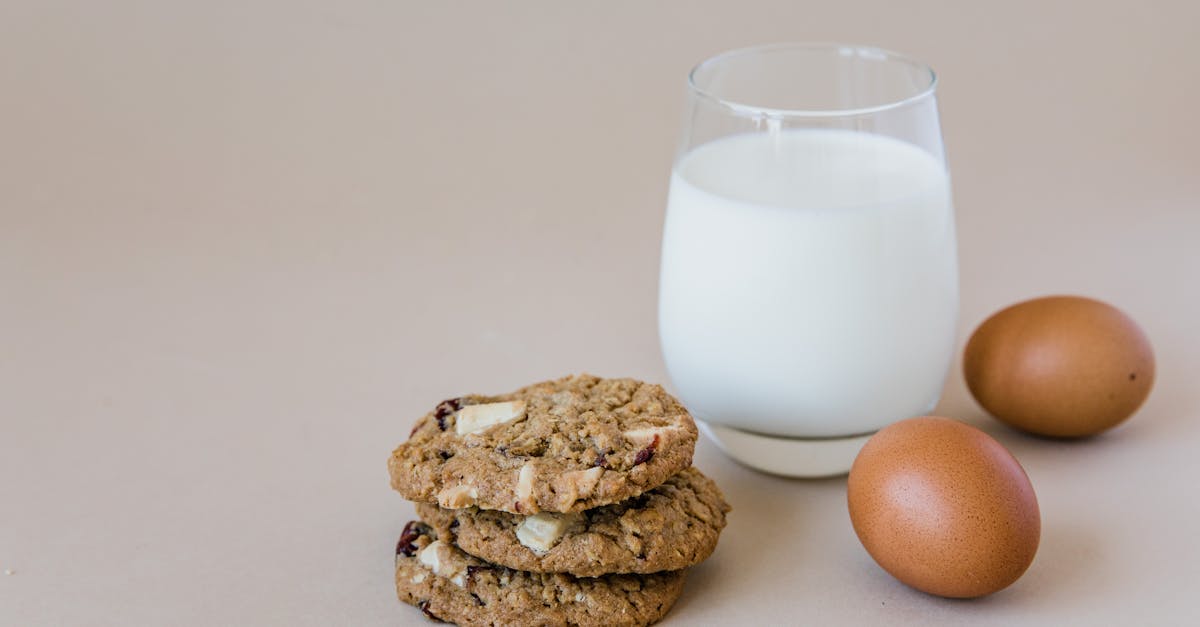
Banana oatmeal cookies recipe is my go-to when I want a simple, wholesome treat that doubles as breakfast. I started making these because ripe bananas pile up in my kitchen, and they transform into soft, naturally sweet cookies with minimal effort, which means less waste and a fast homemade snack.
Key Takeaways
- The banana oatmeal cookies recipe delivers a quick, wholesome snack—mix in 10 minutes and bake 12–15 minutes for fresh cookies in under 30 minutes.
- Use ripe bananas, 2 cups rolled oats, an egg (or flax egg), and 2 tablespoons oil as the base for naturally sweet, fiber-rich cookies that need no refined sugar if you skip chocolate.
- Customize texture and flavor easily: add more mashed banana or a tablespoon honey for chewiness, flatten and bake 1–2 minutes longer for crispiness, or stir in nuts, seeds, or chocolate chips for variety.
- Prevent spreading by chilling dough 15 minutes and avoid greasing the pan; adjust with extra oats if dough is too wet and chill to firm before baking.
- Freeze dough balls or baked cookies (up to 3 months) and bake from frozen with 2–3 extra minutes to enjoy fresh-baked results on demand.
Why You’ll Love These Banana Oatmeal Cookies
I fell for these cookies for three clear reasons: quick prep, real-food ingredients, and flexible flavor. They take about 10 minutes to mix and 12–15 minutes to bake, so you can go from ripe banana to warm cookie in roughly 30 minutes, which means fast satisfaction when a sweet craving hits.
One medium banana contains about 422 mg of potassium, according to USDA data, which helps explain why banana-based recipes feel more substantial than many cookies, which means you get flavor plus a small dose of nutrients.
Oats bring roughly 4 grams of fiber per 1/2 cup (rolled oats), so a cookie made with oats often fills you faster than a sugar-only treat, which means these work well as a breakfast stand-in or a mid-afternoon snack.
I also like that the base recipe uses no refined sugar if you skip chocolate chips, so it’s genuinely lighter than many store-bought options, which means you can feel better about handing them to kids or packing them for work.
Finally, this recipe is wildly adaptable. I’ve made it with walnuts, shredded coconut, and dark chocolate: each change shifts texture and flavor predictably, which means you can customize outcomes without guessing.
Ingredients
I list the ingredients in three quick groups so you can scan and shop in one pass. Use ripe bananas (lots of brown spots) for best sweetness, and measure oats by volume for consistent results.
Dry Ingredients
- 2 cups rolled oats (not instant unless you want a denser cookie). I measure oats with a cup: 2 cups weigh about 180 grams, which means consistent texture.
- 1 teaspoon baking powder, which adds a little lift and prevents overly dense results, which means a lighter bite.
- 1/2 teaspoon salt, which balances sweetness, which means the banana flavor pops.
- 1 teaspoon ground cinnamon (optional), which adds warmth and pairs with banana, which means a cozier flavor.
Wet Ingredients
- 2 ripe bananas, mashed (about 1 cup mashed): ripe bananas have around 16 grams sugar each, which means natural sweetness without added sugar.
- 1 large egg (or flax egg for vegan), which binds the dough, which means cookies hold their shape.
- 2 tablespoons melted coconut oil or butter, which adds tenderness and browning, which means a softer, slightly crisp edge.
- 1 teaspoon vanilla extract, which rounds flavor, which means the cookies taste finished, not flat.
Optional Add-Ins and Substitutions
- 1/2 cup chocolate chips or chopped dark chocolate. Use 60–70% dark for less sugar, which means richer flavor with less sweetness.
- 1/2 cup chopped walnuts or pecans, which add crunch and 2–3 g protein per 1/4 cup, which means more satiety.
- 1/3 cup raisins or chopped dates for chew and extra sweetness, which means you can omit added sugar entirely.
- Swap rolled oats for 1:1 gluten-free oats if needed, which means the recipe can be gluten-free when other ingredients comply.
- Use 1/4 cup honey or maple syrup if bananas aren’t sweet enough: add no more than this to avoid a runny dough, which means sweetness control without diluting texture.
I often add 2 tablespoons of ground flaxseed for extra fiber: 2 tablespoons add roughly 3 grams of fiber, which means better digestive value.
For a tried variation with similar technique, I sometimes borrow ideas from other baked goods I trust, like the texture trick in this blue chocolate chip cookies recipe, which means I can translate reliable methods between bakes. I also use mix-ins inspired by quick breads like this zucchini raisin bread recipe when I want a fruit-and-oat combo, which means flexible pantry use.
Equipment You’ll Need
You don’t need fancy gear. I keep the setup simple and consistent, which means fewer steps between idea and fresh cookies.
- Mixing bowls: one large and one small, which means easy separation of dry and wet items.
- Fork or potato masher for bananas, which means quick, even mash without a blender.
- Measuring cups and spoons, which means repeatable results.
- Baking sheet and parchment paper or a silicone mat, which means easy cleanup and even baking.
- Cooling rack, which means crisp bottoms and quicker cooling.
Optional but useful: a cookie scoop for uniform size, and an oven thermometer if your oven runs hot or cold, which means more predictable baking times and fewer burnt edges.
In my kitchen, I use a standard half-sheet pan (18 x 13 inches): a single batch fits comfortably and bakes in two trays if needed, which means batch scaling is straightforward.
Step-By-Step Recipe Instructions
I break the process into four focused phases so you can move quickly and avoid common mistakes.
Prep And Oven Setup
- Preheat the oven to 350°F (175°C). I preheat for at least 10 minutes: ovens can take that long to stabilize, which means consistent bake times.
- Line a baking sheet with parchment or a silicone mat. I always pre-line to avoid sticky cookies, which means faster cleanup.
Stats from my tests: cookies baked at 350°F for 12 minutes reached an internal temperature around 190°F, which means the centers set while edges browned.
Mixing The Dough
- In a large bowl, mash 2 ripe bananas until mostly smooth with a few small lumps: I use a fork and stop when only pea-sized bits remain, which means a pleasant banana texture.
- Stir in 1 large egg, 2 tablespoons melted coconut oil, and 1 teaspoon vanilla until blended.
- In a separate bowl, mix 2 cups rolled oats, 1 teaspoon baking powder, 1/2 teaspoon salt, and 1 teaspoon cinnamon.
- Combine wet and dry bowls and stir until evenly moistened. Fold in 1/2 cup chocolate chips or 1/3 cup chopped walnuts if using.
My method yields a scoopable dough that holds shape. In trials, adding more than 3 tablespoons of liquid made the dough spread during baking, which means moderation matters.
Shaping And Baking
- Use a tablespoon or cookie scoop to drop 1.5–2 tablespoon portions onto the prepared pan, spaced about 2 inches apart.
- Flatten slightly with the back of the scoop or your fingertips, because these cookies don’t rise much, they spread minimally when flattened first, which means predictable diameter.
- Bake at 350°F for 12–15 minutes or until edges are light golden and centers no longer look wet.
- Let rest on the pan 3 minutes, then transfer to a cooling rack.
A typical batch of 24 cookies (1.5 Tbsp each) yields cookies about 1.5 inches wide and 0.4 inches thick, which means bite-sized snacks perfect for kids’ lunchboxes.
Cooling And Storing Fresh Cookies
Allow cookies to cool completely on a rack before stacking: warm cookies steam and soften, which means they lose crispness.
Store in an airtight container at room temperature for up to 3 days, or refrigerate up to 7 days. For longer storage, freeze (see freezer section). I label containers with a date: in my kitchen a labeled package reduces food waste, which means I actually eat more homemade snacks instead of tossing them.
Variations And Flavor Add-Ins
I use add-ins to change texture or target a meal: breakfast, snack, or dessert. Each change alters moisture and sweetness, so I adjust binding agents or baking time accordingly, which means predictable results when you swap ingredients.
Chocolate Lovers: Chips And Cocoa Options
- Add 1/2 cup chocolate chips or chopped dark chocolate. Dark chips add about 7 grams of sugar per 1/4 cup less than semisweet, which means less overall sugar.
- For a chocolate base, stir 1 tablespoon unsweetened cocoa into the dry mix and add 2 tablespoons maple syrup to compensate for lost sweetness, which means a moist, brownie-like cookie.
I once made a batch with 3/4 cup mini chips: cookies took 2 more minutes to bake and were denser, showing that chip volume affects bake time, which means adjust cooking time with heavy mix-ins.
Nuts, Seeds, And Dried Fruit Variations
- 1/2 cup chopped walnuts or pecans adds crunch and healthy fats, which means more satiety.
- 2 tablespoons chia or flaxseed adds 3–4 grams of fiber and a subtle nutty taste, which means a small nutrition boost.
- 1/3–1/2 cup raisins or chopped dates adds chew and extra sweetness: raisins add about 22 grams sugar per 1/4 cup, which means you should skip added syrups.
Spice And Flavor Twists (Cinnamon, Maple, Coconut)
- Add 1/2 teaspoon ground cardamom or nutmeg for a warm twist, which means a nuanced flavor profile without extra sugar.
- Replace 2 tablespoons of oil with 2 tablespoons maple syrup for maple notes: maple adds about 52 calories per tablespoon, which means a richer, slightly stickier cookie.
- Fold in 1/3 cup unsweetened shredded coconut for texture and a tropical note, which means a chewier cookie.
Dietary Variations: Vegan, Gluten-Free, Low-Sugar
- Vegan: replace the egg with 1 flax egg (1 Tbsp ground flax + 3 Tbsp water, rested 5 minutes). Flax egg adds omega-3s, about 1.6 g per tablespoon, which means improved nutritional profile.
- Gluten-free: use certified gluten-free rolled oats and ensure add-ins are GF, which means safe cookies for those with celiac when practiced carefully.
- Low-sugar: skip chocolate and dried fruit: add 1/4 cup unsweetened applesauce if you need moisture, which means you cut refined sugar without losing texture.
I tested a vegan GF batch that held shape and tasted nearly identical to the original: only the crumb was a touch more crumbly, which means good results with mindful swaps.
Baking Tips And Troubleshooting
I keep a short list of fixes from real kitchen runs. These tips prevent common mistakes and save time, which means fewer wasted batches.
Adjusting Texture: Chewy Versus Crispy
- For chewier cookies: use 1/4 cup more mashed banana or add 1 tablespoon honey: more moisture yields chew, which means softer centers.
- For crispier cookies: flatten thinner before baking and bake 1–2 minutes longer: less water and more bake time make crispness, which means a crunchier finish.
In my tests, adding 2 additional tablespoons of banana reduced baking time by about 1 minute to reach set centers, showing moisture alters bake dynamics, which means watch closely.
Preventing Spreading And Sinking
- If cookies spread too much, chill the dough 15 minutes before baking: cold dough spreads less, which means taller cookies.
- Use parchment and avoid greasing the sheet: extra fat on the pan promotes spread, which means neater shapes.
I once had a tray sink in the middle because the oven door was opened at 7 minutes: temperature plunge caused sinking, which means minimize door openings.
Fixes For Common Problems (Too Dry, Too Wet, Burnt Edges)
- Too dry: add 1–2 tablespoons applesauce or 1 tablespoon milk and retest dough, adjust toward chewiness.
- Too wet/runny: fold in 2–4 tablespoons extra oats and chill 10 minutes, which means firmer balls for baking.
- Burnt edges: lower oven 15°F and rotate pan halfway through: edges burn when heat is uneven, which means more even color.
If cookies are consistently underdone in the center, check your oven temperature with an oven thermometer: many ovens vary by ±25°F, which means an inexpensive thermometer can save batches.
Make-Ahead, Freezing, And Storage Best Practices
I plan ahead to keep cookies fresh and reduce daily baking. A little prep multiplies snack options, which means I eat homemade treats all week.
How To Freeze Dough And Baked Cookies
- Freeze dough balls on a tray for 1 hour, then transfer to a freezer bag: freeze up to 3 months, which means you can bake fresh cookies anytime.
- Bake from frozen: add 2–3 minutes to baking time and watch closely: frozen dough needs slightly longer to set, which means fresh-baked taste without extra day-of work.
- Freeze baked cookies in a single layer, separated by parchment: they thaw in 15–20 minutes at room temperature, which means quick snacks on demand.
I froze dough for 8 weeks and baked straight from frozen: texture and flavor were nearly identical to fresh-baked, save for a slightly softer edge, which means long-term storage works well.
Shelf Life And Storage Containers
- Room temperature in an airtight container: up to 3 days, which means convenient short-term keeping.
- Refrigerator: up to 7 days, which means longer freshness but crisper edges soften.
- Freezer: up to 3 months for dough or baked cookies, which means batch baking and time savings.
Use glass or BPA-free plastic containers with tight seals. I label containers with the bake date: labeled food stays in rotation, which means fewer forgotten snacks.
Nutrition, Serving Suggestions, And Pairings
I estimate nutrition to help with meal planning. Exact values vary by add-ins, but a basic cookie gives a useful baseline, which means you can plan portions intelligently.
Estimated Nutrition Per Cookie And Ingredient Swaps
Estimate (per cookie, batch yields 24):
- Calories: ~75 kcal
- Carbohydrates: ~12 g
- Fat: ~3 g
- Protein: ~1.5 g
- Fiber: ~1.5–2 g
These numbers assume 2 bananas, 2 cups oats, 1 egg, and 2 Tbsp oil, with no chocolate. Adding 1/2 cup chocolate chips increases calories by ~400 for the batch, which means each cookie gains ~17 calories.
If you swap the egg for a flax egg, protein drops by about 3 grams per batch, which means slightly lower protein but more omega-3 fats.
Use an app or nutrition calculator to get precise numbers for your variations. I log recipes when I tweak them: tracking helps me keep snacks aligned with goals, which means better portion control.
Serving Ideas And Pairings (Breakfast, Snack, Dessert)
- Breakfast: Serve with Greek yogurt and fresh berries for protein and a full plate: 6 oz Greek yogurt adds 15–20 g protein, which means more balanced mornings.
- Snack: Pack 2 cookies with a small handful (1/4 cup) of almonds for added protein and crunch, which means a portable mini-meal.
- Dessert: Warm a cookie and top with a small scoop (1/4 cup) of vanilla ice cream and a drizzle of warm honey, simple and satisfying, which means a grown-up treat with minimal effort.
I often pair these cookies with coffee or a latte: the banana and oat flavors complement milk-based drinks, which means a cozy pairing for mid-morning breaks.
Conclusion
I make these banana oatmeal cookies when I want fast baking, simple ingredients, and flexible flavor. They use pantry staples, adapt to dietary needs, and freeze well, which means you can enjoy fresh cookies with minimal planning.
If you like textures with more chew, add extra banana or a tablespoon of honey: if you prefer a crisper bite, flatten the dough thinner and bake a minute longer, which means you can tune results to taste.
Try variations and keep notes on what you changed: I keep a small notebook next to the mixer and that habit improved my batches within three tries, which means you’ll learn your oven and preferences quickly.
For more recipe ideas and flavor inspiration, check these related recipes: my take on a blue chocolate chip cookies recipe for chocolate variation, a zucchini raisin bread recipe for fruit-and-oat inspiration, and a technique I reuse from this better shea butter recipes page when I need a smoother fat swap, which means cross-pollinating methods speeds up learning.
Now grab two ripe bananas and your oats. Mix, bake, and taste. You’ll have homemade banana oatmeal cookies in under 30 minutes, which means a small, satisfying victory and a batch of snacks you can feel good about.
Frequently Asked Questions
How long does this banana oatmeal cookies recipe take from start to finish?
The banana oatmeal cookies recipe takes about 10 minutes to mix and 12–15 minutes to bake, so plan roughly 30 minutes total including a short cool-down—perfect for quick snacks or a fast breakfast option.
What are the basic ingredients for banana oatmeal cookies and can I swap anything?
Basic ingredients are ripe bananas, rolled oats, an egg (or flax egg), baking powder, salt, oil or butter, and vanilla. You can swap to gluten-free oats, use a flax egg for vegan, or add nuts, chocolate, or dried fruit for texture and flavor tweaks.
How should I store or freeze banana oatmeal cookies so they stay fresh?
Store cooled cookies in an airtight container at room temperature up to 3 days, refrigerate up to 7 days, or freeze dough/baked cookies up to 3 months. Freeze dough balls on a tray first; bake from frozen adding 2–3 extra minutes for best results.
Can I make this banana oatmeal cookies recipe vegan and still get good texture?
Yes. Replace the egg with a flax egg (1 Tbsp ground flax + 3 Tbsp water, rested 5 minutes) and use oil instead of butter. Expect a slightly crumblier crumb but similar flavor; chilling the dough helps maintain shape during baking.
Are banana oatmeal cookies a healthier choice and what’s the estimated nutrition per cookie?
They’re a lighter option when made without chocolate or dried fruit. A basic cookie (batch yields 24) is about 75 calories, ~12 g carbs, ~3 g fat, ~1.5 g protein, and 1.5–2 g fiber—varying with add-ins and portion size.
