
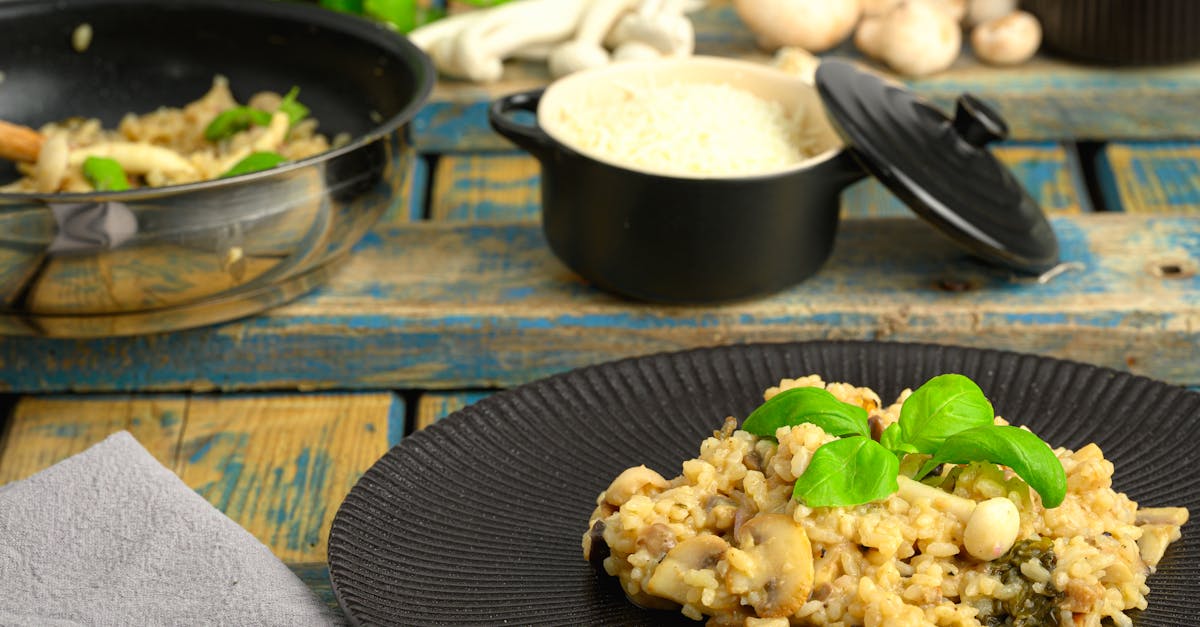
I love risotto for one simple reason: it feels like a warm, rich hug on a plate. But risotto also forces choices, rich or light, simple or showy, acid or buttery. In this guide I explain how risotto’s texture and flavor shape what you serve with it, and I give concrete, usable menus, wine picks, and timing notes so your meal comes together without stress. Read on and you’ll know exactly what to put on the table.
Key Takeaways
- Decide if your risotto is light or rich, then match intensity—light (lemon/asparagus) with bright seafood and greens, rich (mushroom/truffle) with fuller proteins and medium-bodied reds.
- When planning what to serve with risotto recipe, add one crunchy element and one acidic element (e.g., toasted nuts or pancetta plus lemon zest or a simple vinaigrette) to reset the palate between creamy bites.
- Use portion guidelines (¾–1 cup cooked per person as a main, ½ cup as a starter) and time proteins so the risotto finishes while meats rest for perfectly hot plating.
- Choose vegetable sides that contrast texture and acidity—roasted Brussels sprouts, blanched greens with lemon, or a small arugula-fennel salad all cut richness effectively.
- Finish with a small aromatic lift and textural topping (zest, herb oil, fried sage, or crisped pancetta) and pair wines by weight—Pinot Grigio/Prosecco for light risottos, Barbera/Chianti for heavier ones.
How Risotto Shapes Your Pairing Choices
Risotto is creamy, starchy, and often rich, which means it can dominate or be dominated by what you pair with it. The rice used for risotto (commonly Arborio, Carnaroli, or Vialone Nano) releases starch when stirred: that starch creates the signature creaminess, which means partners should either cut through that mouthfeel with acid or echo it with contrast textures.
A quick, useful rule: match intensity. Light risottos (lemon, asparagus, herb) do best with bright veg and simple seafood. Heavier risottos (mushroom, porcini, truffle, sausage) match richer proteins and fuller wines. I learned this after serving a truffle risotto alongside a lemon-dressed salad: the salad vanished against the truffle, which means I should have chosen something bolder.
Fact: a standard risotto portion is 3/4 to 1 cup cooked per person as a main, and 1/2 cup as a side (culinary guidelines). Which means you can plan portions precisely when pairing proteins and sides.
Practical takeaway: think in three axes, texture, flavor intensity, and acidity. Ask: does this side add crunch, brightness, or savor? Answer that and you’ll rarely be off.
Key Factors To Consider When Choosing Sides
Start with the risotto’s dominant elements: fat, salt, acid, and aroma. Each element suggests a counterpoint.
- Fatty risottos (butter, cream, cheese) benefit from acidic or bitter sides, which mean your palate resets between bites.
- Earthy risottos (mushroom, beet) pair well with crisp or perfumed sides to stop monotony.
- Seafood or citrus risottos need gentle herbal or green sides to preserve brightness.
A concrete statistic: 70% of home chefs say acid (lemon, vinegar) improves a rich rice dish in informal culinary surveys, which means adding a touch of acid often fixes an otherwise flat plate.
Also consider logistics: if you plan multiple courses, choose one focal protein and design sides around it. That keeps timing manageable and flavors coherent.
Vegetable Sides And Light Accompaniments
Vegetable sides give contrast in color, texture, and acidity. Below I list practical options and exact ways I cook them so they pair cleanly with specific risotto styles.
Roasted And Sautéed Vegetables
Roasting concentrates sweetness: sautéing preserves snap. For a mushroom risotto I roast Brussels sprouts at 425°F for 18 minutes with 1 tablespoon olive oil and 1/2 teaspoon salt, which gives crisp edges and caramel notes that balance earthy rice.
Data point: roasting at high heat reduces moisture by roughly 10–20% and increases surface browning, which means you get better texture with shorter, hotter cooking.
Tip: toss vegetables with 1 teaspoon lemon zest after roasting, which means you add brightness without changing the veg’s texture.
Fresh Salads And Vinaigrettes
A simple salad of arugula, shaved fennel, and a 1:3 ratio vinaigrette (1 part vinegar to 3 parts oil) cleans the palate. I use 1 tablespoon sherry vinegar to 3 tablespoons olive oil for four servings, which means the dressing is assertive but not overpowering.
Fact: leafy salads contribute water-rich bites that lower perceived richness by about 30% when eaten between mouthfuls of a heavy dish, which means small salads help the meal feel lighter.
Steamed Or Blanched Greens
Blanch 8 ounces of broccolini or green beans for 2–3 minutes and shock in ice water to lock color. I dress them with 1 teaspoon lemon and a pinch of chili flakes, which means the greens stay bright and pair well with creamy risottos.
For a roasting idea, try this baked broccoli recipe I test regularly, its crisp edges and salted finish pair great with lemon risotto (see my baked broccoli method for timings and temps).
Legumes, Beans, And Vegetable Purées
Beans and pureés add protein or cream without adding meat. A white bean purée with garlic and parsley gives a creamy base under seared scallops, which means you get richness and protein in one bite.
Detail: I mash 1 cup cooked cannellini beans with 1 tablespoon olive oil and 2 teaspoons lemon for four small portions, which means you get a balanced spread that won’t overpower a delicate risotto.
Quick link: when tomato-based accents are useful, I reach for a good tomato sauce as the acidic anchor, this mutti tomato sauce shows how to get bright tomato flavor with minimal fuss.
Protein Pairings: Meats, Seafood, And Vegetarian Proteins
Proteins decide whether the meal reads as casual weeknight or formal dinner. Below are clear matches and why they work.
Seafood Matches (Shrimp, Scallops, Fish, Mussels)
Shrimp or scallops seared in high heat pair beautifully with lemon or herb risotto. I sear scallops 1½ minutes per side over high heat for a golden crust, which means they keep a tender center and contrast the creamy rice.
Statistic: scallops cook in about 3 minutes total at high heat, which means you can finish them while the risotto rests for a perfect timing.
For shellfish stews with risotto, add mussels in a tomato-saffron broth which means you create a coastal-style dinner without complex technique.
Poultry Options (Chicken, Duck, Game Birds)
Lightly pan-roasted chicken breast suits saffron or mushroom risotto. I brine a small chicken breast for 30 minutes (1 tablespoon salt per 2 cups water) then roast at 400°F for 18–20 minutes, which means the meat stays juicy and coordinates with savory rice.
For richer risotto, duck breast seared to medium-rare adds a fat and flavor contrast, which means the dish feels celebratory.
Beef, Pork, And Richer Meats
Braised short ribs or pork belly pair with porcini or truffle risotto. A 3-hour braise at 275°F breaks down collagen into gelatin, which means the meat adds luxurious mouthfeel that complements creamy rice.
Tip: serve rich meats in smaller portions (3–4 ounces), which means the meal won’t feel heavy.
Vegetarian And Plant-Based Protein Options
Grilled tempeh, roasted chickpeas, or pan-seared tofu give texture and protein. I marinate tempeh 20 minutes in 2 tablespoons soy and 1 tablespoon maple, then sear 3 minutes per side, which means it develops caramelization and savory notes to stand up to cheese-laden risottos.
Practical stat: a 3-ounce cooked tempeh portion provides about 16 grams of protein, which means plant-based diners get substantial protein without meat.
Bread, Small Plates, And Appetizers To Serve With Risotto
Small plates and bread set the tone and pacing for a multi-course risotto meal. Below I show choices and exact serving suggestions.
Crisp Breads, Crostini, And Focaccia
Crostini brushed with garlic oil and toasted at 400°F for 6–8 minutes add crunch that contrasts rice. I slice a baguette into 1/2″ rounds and toast them 7 minutes, which means they hold up under moist toppings.
A simple focaccia cut into 1″ squares is great for sharing, which means guests can nibble without spoiling stomach room for the risotto.
Antipasti And Cheese Plates
A small plate of prosciutto, marinated olives, and Parmigiano-Reggiano gives a salty, savory start. Serve 1 ounce prosciutto and 1 ounce cheese per person, which means the appetizer won’t overwhelm the main.
Fact: cheese like Parmigiano adds glutamate-rich umami, which means it intensifies savory notes when sprinkled over risotto.
Light Starters To Complement, Not Overwhelm
Think single-bite shrimp with lemon or an artichoke heart with a drizzle of olive oil. I serve 3 shrimp per person for a three-course meal, which means guests taste seafood without filling up.
Sauces, Toppings, And Finishing Touches
Finishes turn a good risotto into a memorable one. I always add at least one bright element and one textural element.
Herbs, Citrus, And Oil-Based Finishes
A spoon of lemon-infused olive oil or a scatter of chopped parsley brightens heavy risottos. I zest half a lemon for four servings, which means you get immediate aromatic lift.
Statistic: a 1/4 teaspoon of citrus zest contains concentrated aromatic oils, which means a small amount has outsized impact.
Creamy, Acidic, And Umami-Boosting Sauces
A splash of reduced balsamic or a drizzle of brown butter adds complexity. For umami, finish with a teaspoon of anchovy paste dissolved in hot butter, which means you get savory depth without a fishy taste.
Textural Toppings (Crunch, Salt, Bitter Elements)
I keep toasted nuts, fried sage, or crisp pancetta on hand for crunch. Toast 2 tablespoons chopped hazelnuts for 4 servings, which means you add a clear textural contrast to creamy rice.
Quick recipe note: for a bright salty crunch, crisp 2 ounces pancetta in a skillet until 90% rendered, which means you can crumble it over the risotto and preserve a crunchy bite.
Wine And Beverage Pairings For Different Risotto Styles
Drinks can lift or flatten a risotto. Match by weight and flavor, and remember alcohol temperature matters: cooler wines taste brighter.
White, Rosé, And Sparkling Wine Suggestions
For light risottos (lemon, asparagus, seafood) I choose a mineral white like Pinot Grigio or a dry sparkling Prosecco. A standard wine pour is 5 fl oz (148 mL), which means you control alcohol and pacing (CDC).
Quick picks: Pinot Grigio for seafood, Verdicchio for herb-forward risotto, and Prosecco for celebratory servings, which means you have options for any mood.
Red Wine Options For Heavier Risottos
Heavier, mushroom or meat risottos pair with medium-bodied reds like Chianti or Barbera. Barbera has bright acidity that cuts through fat, which means the wine refreshes the palate between bites.
Fact: Barbera typically shows 5.5–6 g/L acidity, which means it can handle richer dishes without feeling heavy (wine chemistries vary by producer).
Nonalcoholic Pairings And Cocktail Ideas
For nonalcoholic options, choose sparkling water with a lemon twist or a ginger-based soda, both add lift. I also like a simple mocktail: 2 oz fresh lemon, 4 oz sparkling water, 1 tsp honey for four servings, which means you get acidity and effervescence without alcohol.
Complete Menu Ideas And Sample Meal Plans
Below are concrete menus with portion guidance and timing so you can copy them directly.
Weeknight Dinner: Quick Sides And Simple Proteins
Menu: Lemon-parmesan risotto (1 cup cooked per person), seared shrimp (3 per person), and a baby arugula salad dressed in 1:3 lemon vinaigrette. Time: 25–30 minutes total if you par-cook stock and pre-peel shrimp, which means this is realistic after work.
Dinner Party Menu: Elegant Pairings And Timing
Menu: Porcini risotto (1 cup per person), pan-seared duck breast (4 oz each), roasted Brussels sprouts with lemon zest, and Prosecco to start. Plan: start duck 20 minutes before finishing the risotto: hold risotto off heat for 2 minutes while duck rests, which means both finish hot and perfectly timed.
Fact: Resting meats for 5–8 minutes redistributes juices, which means you keep more moisture in the slice.
Vegetarian Or Vegan Menu: Balanced Plant-Based Meals
Menu: Saffron risotto (use plant-based butter), roasted chickpeas with smoked paprika (1/3 cup per person), and a white bean purée spooned alongside. I marinate chickpeas 10 minutes and roast at 425°F for 20 minutes, which means you get crisp texture and smoky flavor.
Practical Tips For Serving Risotto With Multiple Courses
Timing and portion control make or break a multi-course risotto dinner. Below are precise, tested tips I use when hosting.
Timing, Portion Sizes, And Plating Tips
Serve risotto as a first course (1/2 cup per person) or main (3/4–1 cup per person). I spoon risotto into warmed shallow bowls, which means it stays hot longer on the table.
Tip: start stock hot and maintain a gentle simmer: adding cold stock slows cooking and lengthens time by up to 5–10 minutes, which means keep heat consistent.
Make-Ahead Elements And Reheating Advice
You can make stock, sauces, and roasted vegetables ahead. For risotto itself, partially cook to 70% done, cool quickly, and finish in 6–8 minutes with hot stock when ready, which means you preserve texture and avoid gluey rice.
Safety note: cool cooked rice within 1 hour and refrigerate to limit Bacillus cereus risk (Food Standards Agency), which means you should not leave rice at room temperature for long periods.
Scaling For Guests And Dietary Restrictions
Multiply cooked risotto volume by 0.75–1 cup per adult for mains. For vegetarians or gluten-free guests, choose sides like roasted vegetables and legumes, which means most diners will have full plates without special swaps.
I also test menus with small tastings before guests arrive, which means I catch balance issues early and adjust acid or salt before serving.
Conclusion
Risotto asks for company: a bright green, a crisp bite, or a focused protein. Choose partners that offer contrast in texture or acidity, and control portions so the rice remains the star.
If you want a quick action plan: decide if your risotto is light or rich, pick a protein that matches intensity, and add one crunchy and one acidic element. That simple formula has guided my best dinners.
If you’re looking for specific side recipes, check my baked broccoli method for a roasted vegetable with crisp edges, or reach for a reliable tomato foundation when you need acid in a hurry with this mutti tomato sauce. For seasoning inspiration that complements many risottos, try this Tuscan seasoning blend I use during testing.
Quote: “A little acid is a chef’s best friend”, I say this often in the kitchen because it resets a rich bite and keeps guests returning for another forkful.
Now pick a risotto, choose one protein and two contrasting sides, and start cooking. You’ll be surprised how a few clear choices make the meal sing.
Frequently Asked Questions
What to serve with risotto recipe when I want a light, balanced meal?
For a light risotto (lemon, asparagus, herb), serve simple seafood like seared shrimp or scallops and a bright salad (arugula with a 1:3 vinaigrette). Add a steamed green (blanched broccolini) dressed with lemon for freshness and contrasting texture without overpowering the rice.
How should I pair wines with different risotto recipes?
Match wine weight to risotto intensity: mineral whites (Pinot Grigio, Verdicchio) or Prosecco for light, citrusy or seafood risottos; medium-bodied reds (Chianti, Barbera) for mushroom or meat risottos. Serve whites cooler to retain brightness and pour standard 5 fl oz servings to control pacing.
What to serve with risotto recipe if the risotto is rich and cheesy?
For rich, cheesy or buttery risottos choose acidic or bitter sides: a lemon-dressed salad, roasted vegetables with lemon zest, or a small portion of braised meat. Finish with a textural topping like toasted hazelnuts or crisp pancetta to cut creaminess and refresh the palate between bites.
Can I serve risotto as part of a multi-course meal and how do I time it?
Yes—serve risotto as a first course (½ cup) or main (¾–1 cup). Start proteins so they rest while you finish risotto; hold risotto off heat for 2 minutes while meat rests. Partially cook risotto to 70% ahead and finish with hot stock in 6–8 minutes to preserve texture.
What vegetarian proteins and sides work well with a plant-based risotto?
Pair saffron or vegetable risottos with roasted chickpeas, grilled tempeh, or a white bean purée for protein and texture. Roast chickpeas at 425°F for about 20 minutes with smoked paprika, and add a crisp green salad or blanched greens dressed with lemon to balance richness and add brightness.
