
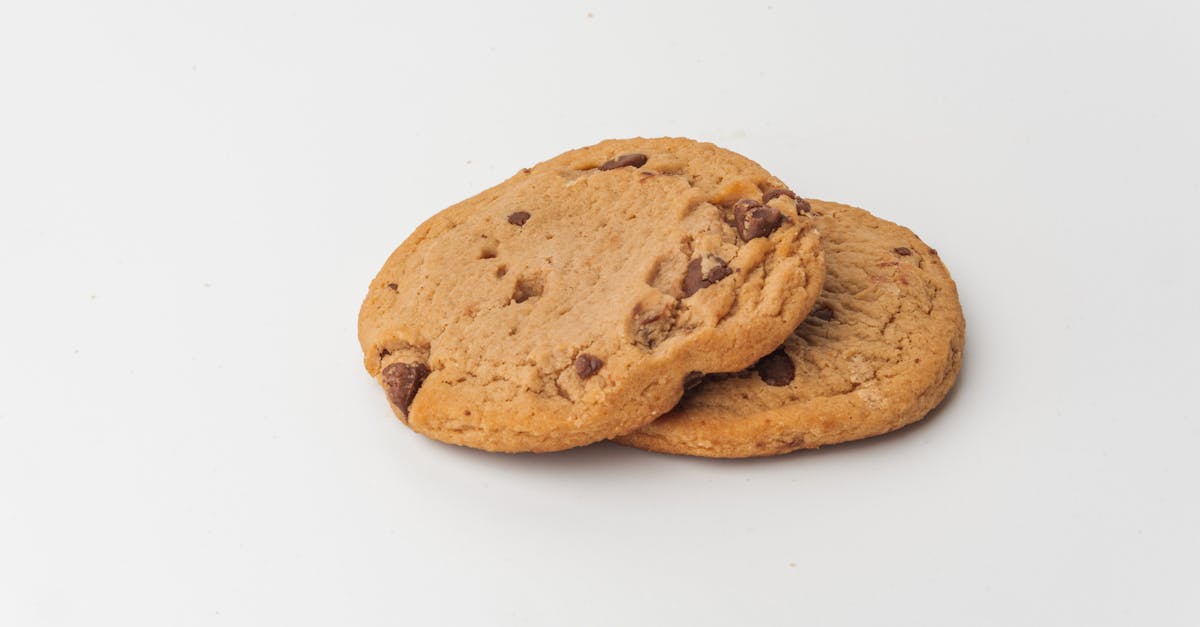
The first time I made Welsh cookies, I expected “just another cookie.”
Then I bit into one while it was still warm. The outside felt lightly crisp, the inside stayed tender, and the smell of butter and spice hit like a fresh bakery bag in winter. That moment sold me.
This Welsh cookies recipe (often called Welsh cakes) uses a simple dough and a hot griddle. You don’t need an oven. You need good timing and a steady pan. I’ll show you exactly how I do it, plus fixes for the most common problems.
Key Takeaways
- This Welsh cookies recipe (Welsh cakes) uses a stiff, rollable dough cooked on a dry griddle or skillet—no oven needed—for crisp edges and a tender center in about 6 minutes.
- Control heat first: aim for medium-low (about 300–325°F) and use the flour test so Welsh cookies brown evenly without burning outside or staying raw inside.
- Rub cold butter into the flour until crumbly with pea-size bits, then add milk gradually to keep the dough shaggy (not sticky) for the most tender texture.
- Roll the dough to about 1/4 inch, cut 2-inch rounds without twisting, and reroll scraps only once to prevent tough, chewy cookies.
- Cook about 2:30 on the first side and 2:00 on the second, then look for golden freckles and a slight spring (or 190–200°F inside) to confirm doneness.
- Make ahead by chilling dough 12–24 hours or freezing cut rounds, then rewarm cooked Welsh cookies in a dry skillet for 45 seconds per side to restore the crisp edge.
What Welsh Cookies Are And How They Differ From Similar Treats
I define Welsh cookies as soft griddle-cooked cakes that eat like a cookie and look like a small biscuit, which means you get a crisp edge and a tender center in about 6 minutes.
People in Wales often call them Welsh cakes. Many US bakers search for “welsh cookies recipe” because the texture lands closer to a cookie than a fluffy cake, which means the expectation matches what you bite into.
A quick context point matters here. Welsh cakes appear in 19th-century Welsh home cooking records and became a staple for tea, which means this recipe has “everyday treat” DNA, not special-occasion fuss.
Welsh Cookies Vs. Shortbread, Scones, And Pancakes
The differences get obvious when you line them up.
| Treat | Main method | Texture goal | Why it matters (which means…) |
|---|---|---|---|
| Welsh cookies (Welsh cakes) | Cooked on a griddle/skillet | Tender + lightly crisp | You get fast cooking without drying, which means fewer “hard cookie” disasters. |
| Shortbread | Baked low and slow | Crumbly, sandy | It relies on oven drying, which means it can feel dry if overbaked. |
| Scones | Baked hot | Flaky, bread-like | They need lift from baking powder and oven spring, which means they take longer and vary more by oven. |
| Pancakes | Griddle-cooked batter | Soft, spongy | Batter spreads and stays airy, which means the result won’t slice or stack like a cookie. |
Welsh cookies use a stiff, rollable dough, which means you control thickness and don’t rely on batter spread.
They also use fat rubbed into flour, which means the crumb stays short and tender instead of bready.
Why They’re Traditionally Cooked On A Griddle
The traditional tool is a bakestone (a flat stone or iron plate). It sits over a fire.
That direct heat matters. It browns the outside before the inside dries out, which means you get that signature “warm and soft” bite.
I tested a batch on a sheet pan at 350°F and another on a cast-iron skillet. The oven batch tasted fine but felt more like a biscuit cookie.
The skillet batch cooked in about 3 minutes per side, which means the center stayed moist and the edges stayed crisp.
One more practical reason: griddle cooking uses lower peak heat than many ovens. The USDA notes home ovens often run off-temp and can swing by 25°F or more, which means stovetop control can actually be more consistent for small quick breads like this. (Source: USDA Food Safety and Inspection Service)
Ingredients You’ll Need (And Smart Substitutions)
I like this recipe because it uses common pantry items, which means you can make Welsh cookies on a random Tuesday without a grocery run.
Below is my base ingredient list for about 24 cookies (2-inch rounds).
| Ingredient | Amount | Purpose | Substitution (which means…) |
|---|---|---|---|
| All-purpose flour | 2 cups (260g) | Structure | Use 1:1 gluten-free blend, which means you can keep the method the same (see GF notes later). |
| Baking powder | 2 tsp | Lift | Fresh matters, which means a new can gives better rise. |
| Fine salt | 1/2 tsp | Balance | Don’t skip it, which means the sweetness tastes cleaner. |
| Sugar (granulated) | 1/3 cup (65g) | Sweet + browning | Use superfine for smoother crumb, which means less grit. |
| Ground cinnamon | 1 tsp | Warm spice | Swap nutmeg or mixed spice, which means you can steer the flavor. |
| Cold butter | 6 tbsp (85g) | Tender crumb | Use half butter/half lard, which means a softer bite. |
| Dried currants or raisins | 1/2 cup (75g) | Texture + sweetness | Use chopped dried cherries, which means a brighter tang. |
| Egg | 1 large | Bind | Use flax egg, which means you can go egg-free (details later). |
| Milk | 3–5 tbsp | Moisture | Use oat milk, which means dairy-free works. |
Pantry Staples And Recommended Types Of Flour, Sugar, And Spice
I use unbleached all-purpose flour at 11–12% protein, which means the cookies hold together but do not chew like bread.
I measure flour by weight when I can. King Arthur Baking explains that a cup of flour can vary by up to 30% depending on how you scoop, which means grams give you repeatable dough. (Source: King Arthur Baking on measuring flour)
For sugar, I stick to granulated. Brown sugar adds moisture and molasses, which means the cakes can brown too fast on the griddle.
For spice, cinnamon is the classic US approach. Some Welsh versions use mixed spice.
Butter, Lard, Or Oil: What Works Best
Butter gives a clean flavor and easy browning, which means you get a familiar “cookie shop” smell.
Lard makes a softer crumb because it melts differently than butter, which means the cookie stays tender longer after cooling.
Oil can work in a pinch, but it changes the texture. Oil coats flour without solid fat pockets, which means you lose that light, slightly flaky bite.
If you want a traditional lean, I suggest 4 tbsp butter + 2 tbsp lard.
Add-Ins Like Currants, Raisins, Citrus Zest, And Chocolate
Currants are small and tart, which means they spread through the dough without making big wet pockets.
Raisins taste sweeter and juicier, which means you may need a touch more flour if your dough gets sticky.
I also like 1 tsp orange zest for a bright aroma, which means the cookies taste less heavy with tea.
Chocolate chips work, but I keep them mini. Large chips can scorch on the pan, which means you get bitter spots if your heat runs high.
If you like snacky, portable treats, you may also like these stuffed sandwich ideas for lunch boxes, which means you can build a full “tea + bite” spread without extra planning: easy stuffed sandwich recipes.
Tools And Equipment For Best Results
The surprise here is how little gear you need. A solid pan and a cutter do most of the work, which means your results depend more on heat control than gadgets.
Here is what I actually use.
- Cast-iron skillet (10–12 inch), which means steady heat and even browning.
- Bench scraper, which means fast cleanup and easy dough lift.
- Rolling pin, which means consistent thickness.
- 2-inch cutter (or a glass rim), which means uniform cook time.
- Thin spatula, which means cleaner flips.
Griddle, Skillet, Or Electric Griddle Options
Cast iron gives me the most consistent color. It holds heat.
Stainless steel works too, but it can create hot spots, which means you must watch the first batch closely.
A nonstick skillet can work at lower heat. Nonstick coatings can degrade at high temps, which means you should keep the burner modest.
An electric griddle shines for batches. It holds a set temperature like 325°F, which means you can cook 10–12 cookies at once with fewer surprises.
How To Tell When Your Pan Temperature Is Right
I aim for medium-low heat. I want steady browning, not fast scorching.
I use a simple test.
- I heat the pan for 5 minutes.
- I sprinkle a pinch of flour onto the surface.
- I watch the color change.
If the flour turns golden in 20–30 seconds, the pan is ready, which means the cookies will brown before the centers dry.
If the flour darkens in under 10 seconds, the pan is too hot, which means your cookies will burn outside and stay raw inside.
If the flour sits pale for 45 seconds, the pan is too cool, which means your cookies will dry out before they brown.
I sometimes confirm with an infrared thermometer. I look for 300–325°F surface temp, which means the sugar browns gently without smoking.
Step-By-Step Welsh Cookies Recipe
This is the part that feels like magic. You roll a plain-looking dough, then the griddle turns it into something that smells like buttered toast and cinnamon.
I wrote these steps for repeatability. I use weights where it matters.
Mixing The Dough Without Overworking It
Step 1: Mix dry ingredients.
I whisk flour (260g), baking powder (2 tsp), salt (1/2 tsp), sugar (65g), and cinnamon (1 tsp) in a bowl, which means every cookie rises the same.
Step 2: Rub in the fat.
I cut cold butter (85g) into cubes. I rub it into the flour until it looks like coarse crumbs with some pea-size bits, which means the dough keeps tiny fat pockets for tenderness.
Step 3: Add fruit.
I stir in currants or raisins (75g), which means each cookie gets sweet bites without clumping.
Step 4: Add egg and milk.
I beat 1 egg. I add it.
I add milk 1 tablespoon at a time (start with 3 tbsp). I stop when the dough holds together and looks shaggy, which means I avoid a sticky dough that forces extra flour.
My real-life note: when my kitchen sits at 45% humidity, I use 4 tbsp milk. When it feels damp and rainy, I often stop at 3 tbsp, which means weather really does change dough.
Rolling And Cutting For Even Thickness
Step 5: Rest the dough.
I pat dough into a disk. I cover it.
I rest it for 10 minutes on the counter, which means the flour hydrates and rolling gets easier.
Step 6: Roll to thickness.
I dust the counter lightly. I roll to 1/4 inch (6 mm), which means the center cooks through before the outside gets hard.
Step 7: Cut rounds.
I cut 2-inch circles. I press straight down.
I avoid twisting the cutter, which means the edges stay clean and the cakes rise better.
I gather scraps once and reroll once, which means I prevent tough cookies.
Cooking On The Griddle: Timing, Flipping, And Doneness Cues
Step 8: Preheat pan.
I heat a skillet on medium-low for 5 minutes.
I do the flour test. I adjust heat.
Step 9: Cook first side.
I place cookies on the dry skillet with space.
I cook 2 minutes 30 seconds on the first side, which means I set the structure before flipping.
Step 10: Flip and finish.
I flip once.
I cook 2 minutes more, which means the centers hit a safe cooked texture without drying.
Doneness cues I trust:
- I see even golden-brown freckles, which means the surface caramelized.
- I feel a slight spring when I press the center, which means the inside set.
- I smell toasted butter and spice, which means the pan heat stays in the right zone.
If you want numbers, I spot-check with an instant thermometer on one cookie. I look for 190–200°F in the center, which means the dough cooked through.
Finishing Touches: Sugar Coating And Cooling
Step 11: Coat (optional).
I toss hot cookies in a shallow bowl of granulated sugar, which means you get a thin crackle layer that grabs onto your fingertips.
Some people use caster sugar. I use standard sugar and keep the layer light.
Step 12: Cool briefly.
I cool on a rack for 10 minutes, which means steam escapes and the bottoms stay crisp.
Then I eat one warm. I always eat one warm.
If you like griddle cooking, you may also like my method for pancakes on a grill, which means you can use the same heat-control habits outdoors: how to prepare pancakes on a grill.
Troubleshooting Common Problems
A single degree swing can change the whole batch. I learned that the hard way on a cast-iron pan that stored heat like a brick.
These fixes target the problems I see most.
Cookies Browning Too Fast Or Staying Pale
If cookies brown too fast, your pan runs hot.
- I reduce heat one notch.
- I lift the pan off the burner for 20 seconds.
- I wipe excess flour off the surface.
That cooldown breaks the scorch cycle, which means the centers can cook before the crust turns bitter.
If cookies stay pale, your pan runs cool.
- I increase heat slightly.
- I extend cook time by 30 seconds per side.
A slow pan dries dough, which means you can end up with “hard biscuits” instead of tender cakes.
Concrete example from my notes: on my electric coil stove, setting “4” browned too slowly. Setting “5” hit the sweet spot.
Dry, Crumbly, Or Tough Texture Fixes
Dry and crumbly usually means too much flour or too little fat.
- I add 1 tsp milk to the dough and knead 3 turns, which means I restore moisture without overmixing.
Tough texture usually means overworked dough or too many rerolls.
- I mix only until the dough holds.
- I reroll scraps once.
Overmixing builds gluten, which means the bite turns chewy instead of tender.
Dough Too Sticky Or Too Dry: Quick Adjustments
Sticky dough often comes from warm butter or plump raisins.
- I chill dough for 15 minutes, which means the fat firms up and rolling gets clean.
- I dust with 1 tbsp flour max, which means I avoid turning the batch dry.
Dry dough often comes from under-measuring milk.
- I add milk in 1 tsp steps, which means I stop before it turns tacky.
I treat dough like a “soft Play-Doh” feel. It should hold together but not cling.
If you want another small-batch baking project that rewards precision, macarons will do that fast, which means you’ll build better mixing instincts: macarons recipe.
Make-Ahead, Storage, And Freezing Tips
This recipe changes your morning when you prep it ahead. You pull dough from the fridge, heat the pan, and breakfast happens.
That speed matters on busy days, which means you can serve something warm without baking a whole tray.
Chilling And Freezing The Dough For Fresh-Baked Batches
I chill the dough when I want better flavor.
- I wrap the dough disk.
- I chill for 12–24 hours.
That rest lets flour hydrate and spice bloom, which means the cookies taste rounder and roll smoother.
For freezing:
- I roll and cut rounds.
- I freeze rounds on a sheet for 45 minutes.
- I bag them with parchment between layers.
I cook from frozen on slightly lower heat.
I add 30–60 seconds per side, which means the centers thaw and cook without scorching.
Storing Cooked Cookies And Rewarming For Best Texture
I store cooked Welsh cookies in an airtight container.
- Room temp: 3 days, which means quick snacking stays safe and pleasant.
- Freezer: 2 months, which means you can stock up for guests.
To rewarm, I use a dry skillet for 45 seconds per side.
The dry heat restores the crisp edge, which means they taste fresh instead of soggy.
I avoid microwaves unless I accept softness. Microwaves steam the crumb, which means you lose the griddle snap.
If you like freezer-friendly prep, you may also like a tostada pizza approach for fast meals, which means you can pair sweet and savory with the same “heat and eat” plan: tostada pizza recipe.
Flavor Variations And Dietary Adaptations
A small change can make these taste like a different pastry shop. I once added orange zest and ate four before I realized I had.
Each variation keeps the same core method, which means you can experiment without relearning the process.
Spiced, Citrus, And Chocolate Versions
Here are my tested add-ons for one batch.
| Variation | Add | Reduce | Result (which means…) |
|---|---|---|---|
| Spiced | +1/4 tsp nutmeg + 1/8 tsp clove | none | Deeper warmth, which means better holiday flavor. |
| Citrus | +1–2 tsp orange or lemon zest | none | Brighter aroma, which means less “buttery heaviness.” |
| Chocolate | +1/3 cup mini chips | reduce dried fruit to 1/3 cup | More richness, which means dessert-style cakes. |
I keep total add-ins around 3/4 cup. Too much bulk breaks the dough, which means cracks and uneven cooking.
Egg-Free, Dairy-Free, And Gluten-Free Approaches
Egg-free: I use 1 flax egg.
- I mix 1 tbsp ground flax + 3 tbsp water.
- I rest it for 10 minutes.
That gel binds the dough, which means the cakes hold together on the flip.
Dairy-free: I use plant butter and oat milk.
Plant butter has more water than dairy butter, which means you may need 1–2 tbsp extra flour.
Gluten-free: I use a 1:1 gluten-free baking blend that includes xanthan gum.
I roll thicker at 5/16 inch, which means the cakes stay tender instead of sandy.
Honest warning: GF versions brown faster because some blends include starches that caramelize quickly, which means you should lower the heat and watch the first side like a hawk.
For food safety, I keep dairy-free and egg-free batches labeled. Cross-contact confuses guests, which means a small sticker can prevent a big problem.
How To Serve Welsh Cookies
Warm Welsh cookies can quiet a whole room for a second. People stop talking because the first bite feels soft, sweet, and toasted.
That reaction makes them perfect for simple hosting, which means you can serve something memorable without complex prep.
Best Pairings With Tea, Coffee, And Jam
I serve Welsh cakes warm with a light sugar coat.
- Black tea (like Assam) cuts butter with tannins, which means each bite tastes cleaner.
- Coffee with milk matches the caramel notes, which means the cinnamon tastes stronger.
- Jam (raspberry or strawberry) adds acid, which means sweetness feels balanced.
A concrete serving ratio helps. I plan 2 cookies per person for tea and 3 per person for dessert, which means you avoid running short.
If you want a fun spread, I put out jam and a small plate of citrus.
Serving For Holidays, Parties, And Gifting
For parties, I cook them smaller.
I cut 1 1/2-inch rounds and cook about 90 seconds per side, which means people can grab “one more” without committing to a big dessert.
For gifting, I stack 6 cookies in parchment and tie twine.
I add a note that says “rewarm in a dry skillet 45 seconds per side,” which means the gift tastes fresh even two days later.
If I gift a dessert box, I sometimes include a jar-style treat too. A jam like Oregon grape feels special, which means the recipient gets a full tea-time set: recipe for Oregon grape jelly.
Conclusion
I trust this Welsh cookies recipe when I want comfort fast. I mix a simple dough, I roll it thick, and I let the griddle do the work, which means I get warm cakes without turning on the oven.
If you take only one thing from my method, take this: control the heat first. The right pan temperature gives you golden tops and tender centers, which means your first batch tastes like your best batch.
Make one batch. Eat one warm. Freeze the rest. Future-you will feel very grateful.
Frequently Asked Questions
What is a Welsh cookies recipe, and are Welsh cookies the same as Welsh cakes?
A Welsh cookies recipe makes small, griddle-cooked rounds that eat like a cookie but look like a mini biscuit. In Wales they’re commonly called Welsh cakes. They cook fast on a skillet, giving lightly crisp edges and a tender center—especially when eaten warm.
Do I need an oven for this Welsh cookies recipe?
No—this Welsh cookies recipe is traditionally cooked on a griddle or skillet (historically a bakestone). Direct stovetop heat browns the outside before the inside dries out, so you get the signature warm, soft texture without baking. Timing and steady heat matter more than equipment.
How hot should the pan be for Welsh cookies (Welsh cakes) on a skillet?
Aim for medium-low heat and a steady surface temperature around 300–325°F. A quick test: sprinkle a pinch of flour on the pan—golden in 20–30 seconds is ideal. If it darkens in under 10 seconds, lower heat to prevent burning.
Why are my Welsh cookies browning too fast outside but raw in the middle?
That usually means the skillet is too hot. Reduce the heat one notch, briefly lift the pan off the burner to cool it, and wipe excess flour from the surface. Welsh cookies need gentle browning so the center can set without the crust turning bitter.
Can I make this Welsh cookies recipe gluten-free or dairy-free?
Yes. For gluten-free Welsh cookies, use a 1:1 gluten-free baking blend (with xanthan gum) and roll slightly thicker (about 5/16 inch), then cook on lower heat because GF blends can brown faster. For dairy-free, use plant butter and oat milk, adjusting flour if needed.
What’s the best way to store and reheat Welsh cookies so they stay crisp?
Store cooked Welsh cookies in an airtight container at room temperature for up to 3 days, or freeze up to 2 months. Reheat in a dry skillet about 45 seconds per side to restore crisp edges. Microwaving steams them, so they turn softer instead of snappy.
