
The first time I hosted a vegetarian Thanksgiving, my oven smelled like browned butter, sage, and roasted garlic, then my uncle still asked, “So… where’s the turkey?”
Twenty minutes later, he went back for seconds of roasted cauliflower “steaks” and mushroom gravy. That moment taught me something simple. A meatless Thanksgiving works when the food feels abundant, familiar, and deeply savory, not “healthy” or “alternative.”
This guide gives you vegetarian Thanksgiving recipes and a practical menu plan. I focus on timing, textures, and the little tricks that make people forget meat was ever the point.
Key Takeaways
- The best vegetarian Thanksgiving recipes feel abundant and savory, so build your menu around a showstopping centerpiece plus classic sides and bold gravy.
- Plan a balanced plate with contrast (creamy, crisp, bright, fresh, and umami) by pairing one “brown” roasted dish with a green vegetable and an acidic side like cranberry or citrus.
- Reduce Thanksgiving stress with make-ahead cooking and a clear oven/stove schedule, and always refrigerate leftovers within 2 hours (1 hour if the room is above 90°F).
- Choose vegetarian mains that look carveable and pair well with sauce—think whole-roasted squash/cauliflower, stuffed pumpkin, or lentil-mushroom shepherd’s pie for comfort and protein.
- Make vegetarian gravy taste “real” by browning mushrooms first and finishing with a small amount of miso or soy sauce for deep umami without meat.
- Keep guests happy across diets by checking labels for wheat/soy in plant-based roasts and offering smart swaps like cornstarch-thickened gluten-free gravy or coconut aminos for soy-free depth.
Planning A Balanced Vegetarian Thanksgiving Menu
You don’t need 14 dishes. You need one strong centerpiece, a starch, two veg sides, gravy, something bright, and dessert.
I plan for 1.25 pounds of food per adult (about 20 ounces), which means a table for 8 often lands near 10 pounds of finished food, which means nobody leaves hungry.
“A good holiday plate has contrast: soft, crisp, creamy, acidic, and salty.”
Choose A Main, Then Build Around Color And Texture
I start with the main because it sets the flavor profile.
I pick one “brown” dish (roasted, caramelized), one “green” dish (fresh or bitter), and one “bright” dish (acidic).
Here is the texture checklist I actually use, which means you can spot gaps fast.
| Plate Need | What it does | Easy vegetarian option | Which means… |
|---|---|---|---|
| Crisp | Adds snap and contrast | Crispy shallots, toasted nuts | which means every bite feels less heavy |
| Creamy | Comfort and richness | Mash, gratin, béchamel | which means the meal feels classic |
| Savory/umami | Replaces meat depth | Mushrooms, miso, soy sauce | which means gravy tastes “real” |
| Acid | Cuts richness | Cranberry, citrus, vinegar | which means you want another bite |
| Fresh | Keeps the meal lively | Herbs, celery leaves, arugula | which means the plate tastes less sleepy |
Concrete example: I pair whole-roasted cauliflower with garlic mash, lemony green beans, and cranberry sauce.
That mix gives me creamy + crisp + bright, which means no one misses turkey texture.
Make-Ahead Strategy And Oven-Stove Timing
Thanksgiving stress comes from oven traffic.
I reduce oven load by making 2 dishes fully ahead, and I choose mains that roast at similar temps.
The USDA notes that leftovers should go into the refrigerator within 2 hours (or 1 hour if the room is above 90°F), which means you should plan storage space before guests arrive. I use the guidance from the USDA Food Safety and Inspection Service.
Here is my timing map for a typical home oven, which means you can cook like you have a second oven even if you don’t.
| Time | What I do | Equipment | Which means… |
|---|---|---|---|
| 2 days before | Make cranberry sauce: bake pie crust | Stove + oven | which means day-of cooking gets lighter |
| 1 day before | Prep stuffing: wash/chop veg: make gravy base | Counter + stove | which means you only reheat on Thursday |
| Morning | Roast nuts: bake dessert | Oven | which means dessert is done before chaos |
| 2–3 hours before | Roast main + roast veg sides | Oven | which means you finish hot items together |
| Last 30 minutes | Warm gravy: finish greens: toast bread | Stove + broiler | which means you serve without waiting |
I test-run any new main once in October.
I do it because roasting time can swing by 20–35 minutes depending on size and moisture, which means your whole schedule can slide if you guess.
Showstopping Vegetarian Thanksgiving Mains
A vegetarian main needs two things: a carved look and a strong gravy partner.
I learned that after serving a delicious lentil loaf that still looked like Tuesday dinner, which means people treated it like a side.
Whole-Roasted Centerpieces (Squash, Cauliflower, Cabbage)
Whole-roasted vegetables photograph like a roast.
They also develop browned edges through caramelization, which means you get “roasty” flavor without meat.
Whole roasted squash: I roast a kabocha or buttercup at 400°F for 70–90 minutes.
I brush it with maple + butter + miso, which means the surface turns glossy and savory-sweet.
Whole roasted cauliflower: I par-cook it for 8 minutes in salted water, then roast.
That step dries the surface and shortens oven time, which means you get a tender center without burnt edges.
Roasted cabbage wedge platter: I roast thick wedges at 425°F for 35–45 minutes.
I add caraway and apple cider vinegar, which means it tastes like a warm slaw that belongs on Thanksgiving.
Concrete number I use: one medium cauliflower (about 2.5–3 pounds) feeds 6 as a main when you add sides, which means you can size the menu without guesswork.
Stuffed And Layered Mains (Pumpkins, Peppers, Shepherd’s Pie)
Stuffed mains solve the “protein question” without trying to mimic turkey.
They also slice cleanly, which means you get neat servings.
Stuffed pumpkin: I fill a sugar pumpkin with bread cubes, Gruyère, garlic, and thyme.
The pumpkin steams from the inside while the top browns, which means you get creamy filling plus a roasted shell.
Stuffed peppers (holiday style): I use farro or wild rice, mushrooms, and dried cherries.
That mix adds chew + sweetness, which means each bite has contrast.
Vegetarian shepherd’s pie: I build lentils + mushrooms under mashed potatoes.
I bake it until the top hits dark golden peaks, which means it scratches the same comfort itch as classic casserole.
When I test dishes, I aim for at least 18–22 grams of protein per serving in the main.
I hit that with lentils, beans, Greek yogurt, eggs, or cheese, which means guests feel satisfied longer.
Plant-Based “Roast” Alternatives And When To Use Them
Store-bought plant roasts can work.
They also fail fast if you treat them like turkey, which means you need the right use case.
I use a plant-based roast when:
- I host mixed diets (vegetarian + vegan), which means one centerpiece covers more people.
- I need predictable timing (often 60–90 minutes total), which means I can schedule sides.
- I can serve it with strong sauce, which means any “processed” note fades.
I avoid them when:
- The table expects a fully from-scratch meal, which means a packaged centerpiece can feel out of place.
- I already have a showstopper veg roast, which means I don’t need two mains.
Practical warning: many plant roasts include wheat or soy.
That fact matters for guests with allergies, which means you should check labels before you commit.
Vegetarian Sides That Feel Traditional
Sides carry Thanksgiving.
They also create the “memory flavors” people come for, which means you can keep the holiday feel even with a meatless main.
Potatoes And Sweet Potatoes (Mash, Gratin, Twice-Baked)
I treat potatoes as the comfort anchor.
I keep them rich but not dull, which means I use acid and salt like I mean it.
Mashed potatoes: I salt the water until it tastes like the sea.
That move seasons the potato inside, which means you don’t need to over-butter later.
Gratin: I slice potatoes to 1/8 inch and bake at 375°F for 60–75 minutes.
Thin slices cook evenly, which means the center turns silky without a raw bite.
Twice-baked sweet potatoes: I bake, scoop, mix with chipotle + lime, then refill.
The lime cuts the sugar, which means it tastes bold instead of candy-like.
Concrete yield: 5 pounds of potatoes makes about 10–12 servings of mash.
That ratio helps me shop fast, which means I avoid last-minute store runs.
Green Bean And Brussels Sprout Favorites (Casserole, Roast, Sauté)
Greens need a crisp edge.
They also need a little bitterness, which means they keep the meal from turning beige.
Green bean casserole (better version): I blanch beans for 3 minutes, then shock.
That keeps them bright, which means the casserole still tastes like vegetables.
Roasted Brussels sprouts: I roast at 450°F for 20–25 minutes with halved sprouts.
High heat browns the cut sides, which means you get nutty flavor without bacon.
Quick sauté: I sauté green beans with garlic and a squeeze of lemon.
The lemon wakes the dish up, which means it balances gravy and mash.
Data point: Harvard’s Healthy Eating Plate encourages filling half the plate with vegetables and fruit, which means adding two veg sides makes the meal feel better without losing comfort. I follow the framework from Harvard T.H. Chan School of Public Health.
Stuffing And Bread Sides (Herb, Cornbread, Wild Rice)
Stuffing is the loudest flavor on the table.
It also absorbs sauce like a sponge, which means it can save a dry main.
Herb bread stuffing: I dry bread cubes overnight.
Dry bread drinks broth without turning gummy, which means you get crisp edges and a custardy center.
Cornbread stuffing: I mix cornbread with sautéed celery, onions, and sage.
Cornbread adds sweetness and crumble, which means it feels Southern and rich.
Wild rice stuffing: I fold cooked wild rice with mushrooms and cranberries.
Wild rice adds chew, which means the texture stands up next to soft mash.
First-hand note: I once used fresh bread and got pudding.
Now I aim for 10–12 cups of dried cubes for a 9×13 pan, which means I get the proper bake and crunch.
Vegetarian Gravies, Sauces, And Toppings
Sauce changes everything.
It also adds the savory “holiday” smell, which means people stop asking what’s missing.
Mushroom Gravy, Onion Gravy, And Umami Boosters
I build vegetarian gravy on browned aromatics.
I use mushrooms because they bring glutamates, which means they read as meaty.
My method:
- I brown 12 ounces of cremini mushrooms in butter or olive oil. I don’t stir for 4 minutes, which means they actually brown.
- I add diced onion and cook 8–10 minutes, which means the base turns sweet.
- I add garlic and thyme for 30 seconds, which means I keep it fragrant.
- I sprinkle 3 tablespoons flour and cook 2 minutes, which means the gravy loses raw flour taste.
- I whisk in 3 cups veg stock, which means I control thickness.
- I finish with soy sauce or miso (1–2 teaspoons), which means the gravy tastes deeper.
Practical warning: miso can split if you boil hard.
I keep it at a gentle simmer, which means the texture stays smooth.
Cranberry Sauces From Classic To Spicy
Cranberry sauce should taste sharp.
It also acts like a palate reset, which means you can keep eating rich foods.
Classic formula I use:
- 12 ounces cranberries
- 1 cup sugar
- 1 cup water or orange juice
- Simmer 10–12 minutes until most berries pop
Then I choose one twist:
- Orange zest + cinnamon, which means it tastes like the holiday air.
- Jalapeño + lime, which means it cuts through creamy casseroles.
- Ginger + black pepper, which means it tastes grown-up.
Data point: a 12-ounce bag is about 3 cups of cranberries.
That measure helps me scale fast, which means I can cook for 4 or 14.
Compound Butters, Crispy Shallots, And Toasted Nuts
Toppings give crunch.
They also make vegetables feel “finished,” which means people take them seriously.
Compound butter: I mash butter with sage, lemon zest, and salt.
I melt a spoon over squash, which means the aroma hits before the first bite.
Crispy shallots: I slice thin and fry for 6–8 minutes.
I drain on paper towels, which means they stay crisp on the table.
Toasted nuts: I toast pecans at 350°F for 8–10 minutes.
Toasting drives off moisture, which means flavor gets louder.
Personal note: I burned nuts twice by “just checking one thing.”
Now I set a timer every time, which means I keep bitterness out of the meal.
Appetizers, Salads, And Soups To Start The Meal
The first 20 minutes decide the mood.
I serve something warm or crunchy early, which means people stop hovering in the kitchen.
Shareable Bites (Dips, Crostini, Deviled Eggs)
I keep appetizers salty and small.
That choice protects appetites, which means the main still matters.
My go-to bites:
- Whipped feta with roasted grapes, which means sweet and salty land together.
- Crostini with ricotta and honey, which means you get creamy + crisp in one bite.
- Deviled eggs with smoked paprika, which means classic guests feel safe.
Concrete count: I plan 3–5 bites per person.
That number keeps people happy without dinner drift, which means fewer hangry moments.
If you want a simple crowd snack to park on the table, I sometimes add a pickle board inspired by this blue ribbon pickle idea, which means guests get crunch and acid before heavy foods.
Salads With Fall Produce And Crunch
Salad should feel like a break.
It should not feel like punishment, which means I add fruit, cheese, or crunch.
I like:
- Arugula + sliced pear + shaved Parmesan
- Roasted beets + goat cheese
- Kale + apple + sunflower seeds
I dress with 1 part vinegar to 3 parts oil.
That ratio keeps it bright, which means it cuts gravy and butter.
For a more “restaurant” salad vibe, I borrow flavor ideas from this Casa-style salad approach, which means I get bold dressing without extra work.
Soups That Hold Well (Squash, Mushroom, Lentil)
Soup buys you time.
It also fills the house with a calm smell, which means guests relax.
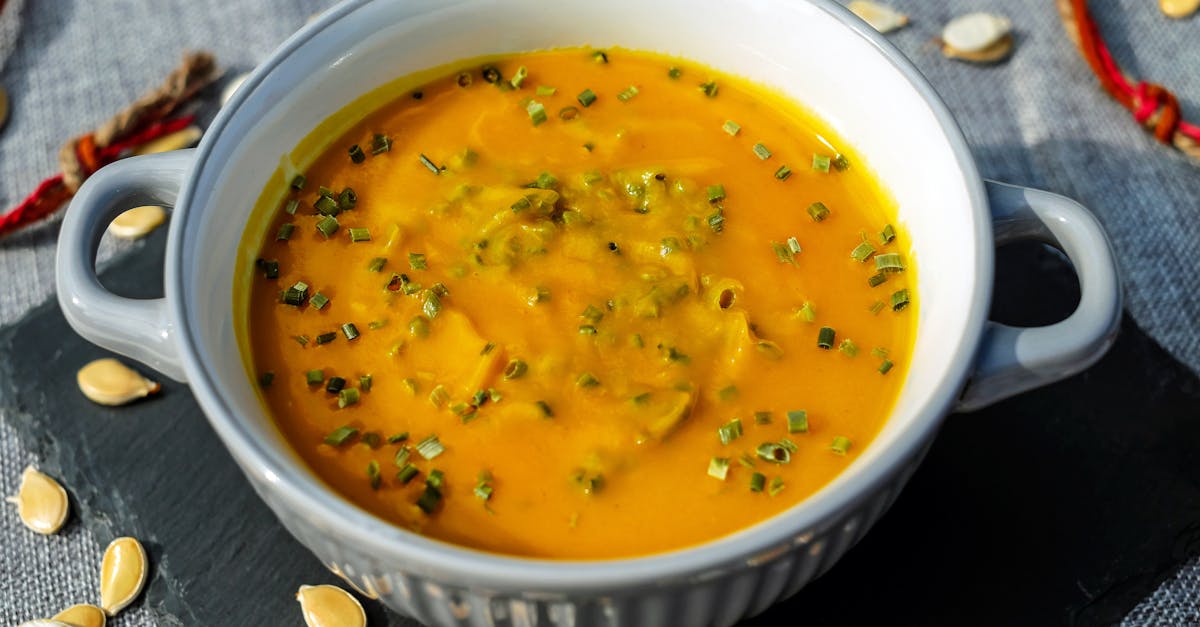
Squash soup: I roast squash, then blend with stock.
Roasting adds caramel notes, which means it tastes richer than boiled squash.
Mushroom soup: I blend half and leave half chunky.
That split gives body, which means it feels hearty without cream.
Lentil soup: I simmer lentils 25–30 minutes.
They hold shape, which means the soup reheats without turning to paste.
Data point: cooked lentils provide about 18 grams of protein per cup (varies by type and brand).
That protein helps vegetarians feel full, which means soup can serve as backup if people skip the main.
Vegetarian Thanksgiving Desserts Everyone Will Want
Dessert is where skeptics surrender.
Sugar does not care about your menu label, which means everyone shows up for pie.
Classic Pies Made Meatless (Pumpkin, Pecan, Apple)
Most classic pies are already vegetarian.
You just need to watch for gelatin and lard, which means you read labels on crusts and whipped toppings.
Pumpkin pie: I add 1 tablespoon molasses to deepen flavor.
Molasses adds bitterness, which means the pie tastes less flat.
Pecan pie: I toast pecans first.
Toasting removes raw flavor, which means the filling tastes warmer.
Apple pie: I use a mix of apples.
A mix (like Granny Smith + Honeycrisp) balances tart and sweet, which means the slice tastes more layered.
Concrete bake note: I start apple pie at 425°F for 20 minutes, then drop to 375°F.
That schedule sets the crust early, which means the bottom stays crisp.
Creamy And Crunchy Alternatives (Cheesecake, Crisp, Trifle)
Not everyone wants pie.
I keep a second option that slices cleanly, which means serving moves faster.
My favorites:
- Pumpkin cheesecake with gingersnap crust, which means you get creamy + spicy crunch.
- Apple crisp with oats, which means you get texture without perfect crust skills.
- Trifle with whipped cream and cake cubes, which means you can build it in a bowl.
If you want a fast topping, I have used this sweet, boozy whipped cream once or twice: Baileys Irish cream whipped cream, which means you can upgrade a simple pie slice in 2 minutes.
Dairy-Free And Egg-Free Swaps That Actually Work
Some swaps fail.
I use the ones that hold structure, which means dessert still looks right.
Here are the replacements I trust:
| If you need to avoid | Swap I use | Where it works best | Which means… |
|---|---|---|---|
| Eggs | 1 tbsp ground flax + 3 tbsp water | Cookies, quick breads | which means batters bind and slice |
| Butter | Plant butter sticks | Pie crust, frosting | which means you keep flake and richness |
| Milk/cream | Full-fat coconut milk | Pumpkin pie, custards | which means fillings set and taste lush |
Warning: coconut milk can add coconut flavor.
I hide it with vanilla and spices, which means the pie still tastes traditional.
For frosting needs, I compare textures against this powdered sugar standard: C&H powdered sugar frosting style, which means I can judge sweetness and thickness quickly.
Diet-Friendly And Allergy-Aware Recipe Picks
One allergy can change the whole table.
I plan for it early, which means nobody eats a sad plate.
Vegan Thanksgiving Recipes Without Compromising Flavor
Vegan food needs fat and salt.
It also needs umami, which means I use mushrooms, tomato paste, and miso.
My vegan winners:
- Whole roasted squash with miso-maple glaze, which means it tastes savory and sweet.
- Wild rice stuffing with olive oil and herbs, which means it stays rich without butter.
- Mushroom gravy with olive oil roux, which means you still get that classic pour.
Concrete check: I target 2 tablespoons of fat per serving in key dishes (gravy, mash, main).
That fat carries aroma, which means vegan dishes taste satisfying.
Gluten-Free Options For Stuffing, Gravy, And Desserts
Gluten-free Thanksgiving can still feel normal.
You just need the right starches, which means you avoid gritty texture.
What I do:
- I use gluten-free bread cubes and dry them overnight, which means stuffing browns instead of steaming.
- I thicken gravy with cornstarch slurry (1 tbsp cornstarch + 1 tbsp water), which means it stays glossy.
- I use almond flour crusts for some desserts when nuts are allowed, which means crusts stay crisp.
Data point: many cornstarch-thickened sauces reach full thickness at a simmer in about 1–2 minutes.
That speed helps on Thanksgiving, which means you can fix thin gravy fast.
Nut-Free And Soy-Free Adjustments For Crowds
I avoid “mystery ingredients.”
I also label dishes with a card, which means guests can relax.
Nut-free swaps:
- Use toasted pumpkin seeds instead of pecans, which means you keep crunch.
- Skip pesto-style sauces, which means you reduce risk.
Soy-free swaps:
- Use coconut aminos in place of soy sauce, which means you still get salty depth.
- Use extra mushrooms and tomato paste for umami, which means gravy stays savory.
Practical warning: many vegetarian proteins rely on soy.
I keep one bean-based dish (lentil shepherd’s pie) ready, which means soy-free guests still get a hearty main.
Conclusion
A great meatless holiday does not require imitation turkey.
It requires a centerpiece that looks special, gravy that tastes bold, and sides that hit the classic notes.
I build the menu like a playlist.
I alternate rich and bright dishes, which means the meal stays exciting for two full hours.
If you pick one action today, do this: cook your main once before Thanksgiving.
That one practice run shows you timing and seasoning, which means your actual holiday feels calm and generous.
Frequently Asked Questions About Vegetarian Thanksgiving Recipes
What are the must-have components of a balanced vegetarian Thanksgiving menu?
A balanced spread of vegetarian Thanksgiving recipes doesn’t need dozens of dishes. Aim for one strong centerpiece, a starch, two vegetable sides, gravy, something bright/acidic (like cranberry or citrus), and dessert. That mix keeps the meal abundant, familiar, and satisfying.
How much food should I plan per person for vegetarian Thanksgiving recipes?
A practical planning target is about 1.25 pounds of finished food per adult (around 20 ounces). For 8 people, that’s roughly 10 pounds total across the menu. This approach prevents under-serving while avoiding an overwhelming number of dishes to cook.
What’s the best vegetarian Thanksgiving main dish if I want a carved, “centerpiece” look?
Whole-roasted vegetables deliver a roast-like presentation: whole roasted squash, whole roasted cauliflower, or roasted cabbage wedges. They caramelize for deep “roasty” flavor and look great on a platter. Pair with a strong gravy to make the main feel truly Thanksgiving-worthy.
How do you make mushroom gravy taste rich without meat?
Build flavor through browning and umami. Brown about 12 ounces of cremini mushrooms (don’t stir at first), cook onions until sweet, then add garlic and thyme. Thicken with flour and vegetable stock, and finish with 1–2 teaspoons soy sauce or miso for deeper savory notes.
What are the easiest make-ahead vegetarian Thanksgiving recipes to reduce oven stress?
To reduce “oven traffic,” make two dishes fully ahead and prep components the day before. Cranberry sauce and pie crust can be done 2 days early; stuffing prep and a gravy base work well 1 day ahead. Then Thanksgiving day becomes mostly roasting and reheating.
Can vegetarian Thanksgiving recipes still hit high protein without fake meat?
Yes. Choose mains built around lentils, beans, eggs, Greek yogurt, or cheese, and aim for roughly 18–22 grams of protein per serving in the centerpiece. Lentil-and-mushroom shepherd’s pie or stuffed squash with cheese and bread cubes can be filling without meat substitutes.
