
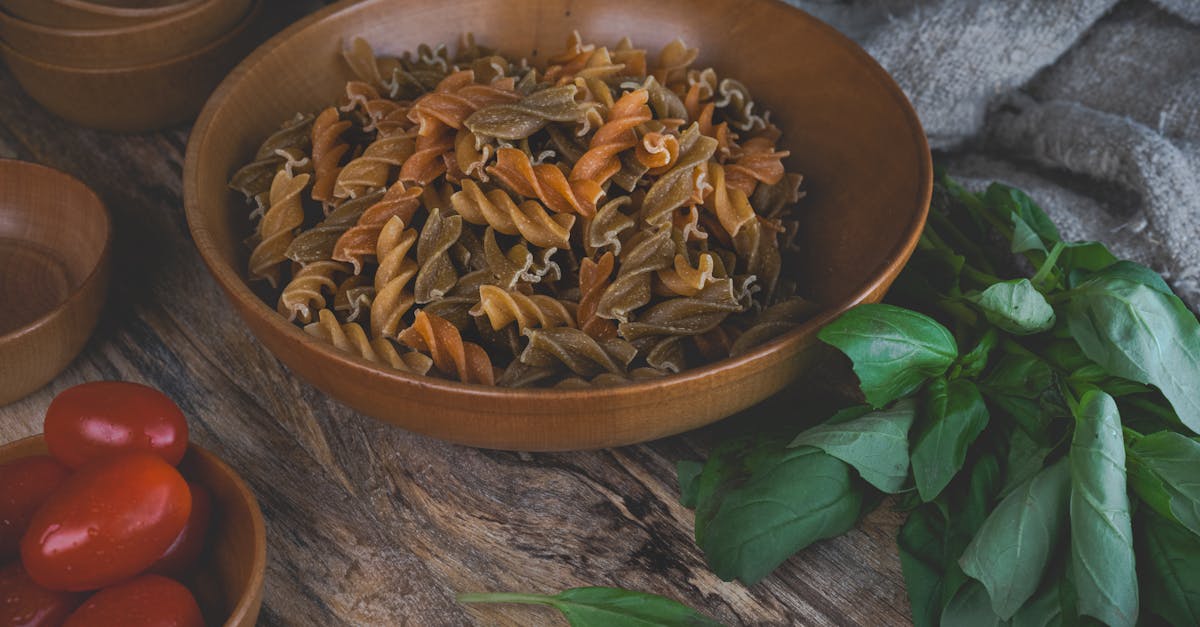
The first time I made trofie at home, I expected “close enough.”
Instead, I got that springy chew you normally pay for in a Ligurian trattoria, no eggs, no fancy machine, just flour, water, and patience. Trofie is one of those rare pasta shapes that wants to be vegan.
In this guide, I’ll show you my vegan homemade trofie pasta recipe step by step, with exact textures to look for, timing cues, and the small fixes that stop fresh pasta from turning gummy.
Key Takeaways
- This vegan homemade trofie pasta recipe relies on semolina rimacinata and water to create a firm, springy chew without eggs or special equipment.
- Weigh your ingredients and start with 95 g warm water per 200 g semolina, then adjust in 5 g increments to prevent cracking (too dry) or smearing (too wet).
- Knead for 8–10 minutes until the dough feels smooth and rebounds halfway after a finger press, then rest 20–30 minutes so it twists cleanly and won’t split.
- Shape evenly by rolling a 12 mm rope and cutting 10–12 mm nuggets, then use a quick finger drag or diagonal palm roll to form the classic sauce-trapping spiral.
- Cook fresh trofie fast (about 2:30–4:00 minutes), pull it when a tiny opaque core remains, and finish in sauce with pasta water for 45–90 seconds to avoid gummy pasta.
- Pair trofie with clingy sauces like vegan pesto Genovese, walnut sauce, or lemon-garlic greens, and tray-freeze shaped pieces so you can cook great vegan homemade trofie pasta recipe portions anytime.
What Trofie Pasta Is And Why It Works So Well Vegan
You feel it when you bite it: trofie has a dense, elastic chew that holds sauce in every ridge.
Trofie comes from Liguria (northwest Italy). Cooks traditionally make it with durum wheat or semolina and water, which means it fits vegan cooking by default.
A key fact drives the texture: durum wheat has high protein, which means it forms strong gluten networks when you knead it. The USDA lists durum wheat flour at about 13 g of protein per 100 g (varies by brand), which means you get firmness without eggs. Source: USDA FoodData Central.
“Eggs make pasta tender.”
Trofie does the opposite on purpose, which means a simple water dough can still taste “restaurant-level.”
Trofie Vs. Other Fresh Pasta Shapes
I treat trofie as the “handmade cousin” of shapes like cavatelli and strozzapreti.
Here is the practical difference when I cook them at home.
| Shape | Typical dough | Shaping effort | Bite/texture | Best use | Why it matters (which means…) |
|---|---|---|---|---|---|
| Trofie | Semolina + water | Medium | Chewy, springy | Pesto, green sauces | Twist traps sauce, which means you taste more sauce per bite. |
| Tagliatelle | Often flour + eggs | Low (rolled) | Tender | Ragù, cream sauces | Flat ribbons coat easily, which means you get even sauce coverage. |
| Cavatelli | Often flour + water | Medium | Firm | Tomato, beans | Hollow catches chunks, which means rustic sauces feel “complete.” |
| Gnocchi | Potato-based | Medium-high | Soft | Butter/sage, tomato | Pillowy texture, which means it can go gluey if overworked. |
Trofie stands out because you don’t need eggs for structure, which means vegan dough does not feel like a compromise.
Best Sauces And Pairings For Trofie
Trofie shines with sauces that cling.
I test sauces by tossing 60 g cooked pasta with 2 tablespoons sauce. If sauce still coats after 30 seconds, I keep it.
Top pairings I use most:
- Vegan pesto Genovese (recipe below), which means you get the classic Ligurian combo.
- Walnut sauce (salsa di noci), which means you get a creamy feel without dairy.
- Lemon-garlic olive oil + greens, which means the twist carries simple flavors.
- Tomato + capers + olives, which means the ridges hold briny bits.
If you want a fun side drink for a pesto night, I’ve paired trofie with a bright citrus cooler like this mint limeade recipe, which means your palate resets between garlicky bites.
Ingredients And Equipment You’ll Need
You can make trofie with two ingredients.
But tiny changes in flour and hydration change the chew a lot, which means you should measure with care the first few times.
Core Dough Ingredients (And What Each Does)
Here is the base formula I use after many test batches.
Vegan trofie dough (serves 2–3):
- 200 g semolina rimacinata (fine semolina), which means you get a smooth dough that still chews.
- 90–105 g warm water (start at 95 g), which means you control stiffness without guessing.
- 3 g fine sea salt (optional), which means the dough tastes seasoned even before sauce.
Why semolina rimacinata matters: it absorbs water steadily and builds strength.
If you only have all-purpose flour, you can still do it. Expect a softer chew, which means you should shorten the cooking time.
Optional Add-Ins For Color And Flavor
I keep add-ins small so they do not weaken the dough.
Try one of these per 200 g flour:
- 1 tsp turmeric, which means you get a golden color without eggs.
- 5 g beet powder, which means you get a pink-red tone that stays vivid.
- 1 tsp black pepper, which means pesto tastes sharper.
- 5–10 g spinach powder, which means you get a greener plate without extra moisture.
I avoid adding wet purées to trofie dough on weeknights. They push hydration too high, which means shaping takes longer and pieces stick.
Tools That Make Shaping Faster (And What To Use Instead)
Trofie is hand-shaped. Tools still help.
- Digital scale, which means you repeat results instead of guessing.
- Bench scraper, which means you portion dough fast and keep your counter clean.
- Large wooden board, which means the dough grips slightly and twists easier.
- Fork or butter knife (optional), which means you can add extra ridges.
No special gear? I have shaped trofie on a clean countertop with a chef’s knife.
It still worked, which means you can start today without buying anything.
How To Make Vegan Trofie Dough
The transformation happens fast.
One minute you have sandy flour. Eight minutes later, you have a smooth ball that feels alive under your palm.
Mixing And Hydrating The Flour
- I weigh 200 g semolina into a bowl.
- I stir in salt.
- I add 95 g warm water in a slow pour while I mix with a fork.
The dough should look like damp crumbs at first, which means you should not panic and add more water yet.
After 60–90 seconds, I press the mass together with my hand.
Hydration checkpoint: if dry flour still sits on the bottom after you squeeze, I add 5 g water. That small step matters, which means the dough won’t crack during twisting.
Kneading To The Right Texture
I knead on the counter for 8–10 minutes.
I push with the heel of my hand, fold, and turn.
You want a dough that feels:
- Firm, which means it holds shape.
- Smooth, which means it will twist clean.
- Not sticky, which means you won’t need extra flour (extra flour can make cooked pasta chalky).
A concrete cue: when I press a finger in, the dent springs back halfway in about 2 seconds. That rebound matters, which means the gluten network is strong enough.
Resting The Dough (When It Matters, When It Doesn’t)
I rest the dough 20–30 minutes under a bowl or wrap.
Rest lets the flour hydrate and relax gluten, which means rolling takes less force and cracks disappear.
If I am rushed, I rest only 10 minutes. It still works, which means dinner can still happen.
If the kitchen is dry (winter heat), I never skip resting. Dry air pulls moisture out, which means the surface crusts and splits during shaping.
For a herb note that plays well with pesto, I sometimes use basil blossoms from my garden in other dishes. If you like that flavor, this basil flowers recipe is a nice reference point, which means you can use the whole plant with less waste.
How To Shape Trofie By Hand
This is the fun part.
You go from “dough blob” to a bowl of little twists that look impossible to fake.
Portioning The Dough For Even Pieces
I cut the rested dough into 4 pieces.
I keep 3 covered and work with 1.
Then:
- I roll it into a rope about 12 mm (½ inch) thick.
- I cut 10–12 mm nuggets.
Even pieces cook at the same speed, which means you avoid half mushy and half underdone.
A number that helps: 200 g flour yields about 220–240 g dough.
That usually gives me 140–170 trofie pieces, which means you can estimate servings without guessing.
Rolling The Classic Twist (Two Reliable Methods)
I use two methods depending on how the dough feels.
Method A: One-finger drag (fast)
- I place one nugget under my index and middle finger.
- I press lightly.
- I drag it toward me in a quick 5–7 cm motion.
The piece should spiral as it lengthens, which means your board has the right grip.
Method B: Palm roll + pinch (more control)
- I roll the nugget into a short log.
- I pinch one end.
- I roll diagonally with my palm.
The diagonal roll forces a twist, which means you get that classic corkscrew shape even if your board is slick.
Common Shaping Mistakes And Quick Fixes
Fresh trofie forgives a lot.
Here are the issues I see most.
| Problem | What you see | Cause | Fix | Benefit (which means…) |
|---|---|---|---|---|
| Dough cracks | Jagged edges | Too dry | Add 5 g water and re-knead 2 min | Smooth pieces, which means fewer break in the pot. |
| Dough smears | No ridges | Too wet or warm | Dust board with semolina | Cleaner twist, which means sauce clings better. |
| Pieces vary | Some thick, some thin | Uneven cutting | Use a ruler cue (1 cm) | Even cooking, which means better bite. |
| Trofie sticks together | Clumps on tray | Too much moisture | Space pieces + dust lightly | No tearing later, which means a prettier bowl. |
I shape on a rimmed sheet pan dusted with semolina.
I never pile them deep. Air needs space, which means the surface dries slightly and stops sticking.
Cooking Fresh Trofie So It Stays Chewy, Not Gummy
The biggest surprise with fresh trofie is the timing.
It cooks fast, but it needs a short finish in sauce to lock in that chew.
Salting The Water And Timing Doneness
I boil 3–4 quarts of water for this batch.
I salt it to 1.5% (about 15 g salt per 1 liter water).
That salt level matches common Italian practice and guidance from serious cooking references like Serious Eats on pasta water salinity, which means the pasta tastes seasoned inside, not just on the surface.
Cooking time for fresh trofie:
- 2:30 to 4:00 minutes in a rolling boil.
I start testing at 2:15.
Doneness cue: the center should show a tiny opaque line when you bite.
That slight core matters, which means the sauce finish will bring it to perfect without turning it soft.
Finishing In Sauce For Better Texture
I always transfer trofie to sauce with a spider.
I add 60–120 ml (¼–½ cup) pasta water to the pan.
Then I toss over medium heat for 45–90 seconds.
The starch in that water emulsifies with oil, which means the sauce coats instead of sliding off.
Practical warning: I do not rinse fresh pasta.
Rinsing strips surface starch, which means the sauce won’t cling and the bowl tastes flat.
If you want a dessert after pesto, I have used a light fruit bake like this dew berry cobbler recipe, which means you end the meal with something bright instead of heavy.
A Classic Vegan Pesto Genovese To Toss With Trofie
When pesto hits warm trofie, the whole kitchen smells like crushed basil and garlic.
That scent signals a good pesto: fresh, sharp, and a little sweet.
A classic pesto uses basil, pine nuts, garlic, olive oil, and hard cheese.
I keep the structure and swap the cheese, which means I get the same balance without dairy.
Vegan pesto for 2–3 servings:
- 40 g fresh basil leaves (about 2 packed cups)
- 20 g pine nuts (or walnuts)
- 1 small garlic clove (3–5 g)
- 35–50 g extra-virgin olive oil
- 15 g nutritional yeast
- 10 g white miso (optional)
- ½ tsp lemon juice
- ½ tsp fine salt
This makes about 120–150 g pesto, which means you have enough for trofie plus a sandwich tomorrow.
I learned the hard way: too much garlic turns bitter when blended.
I stick to one small clove, which means the basil stays in front.
Choosing Basil, Nuts, And A Dairy-Free “Cheese” Element
I buy basil with small, tender leaves.
Older basil has thick veins, which means pesto can taste peppery and harsh.
For nuts:
- Pine nuts taste classic, which means you get the sweet, resin note.
- Walnuts cost less, which means you can make pesto more often.
For the “cheese” element, I use nutritional yeast.
It has glutamates, which means it gives a savory, aged-cheese vibe.
If I want more depth, I add 10 g miso.
Miso brings fermentation, which means the pesto tastes rounder without extra salt.
Blender Vs. Mortar Method (And How To Keep It Green)
I have made pesto both ways.
Mortar method: I grind garlic and salt first, then nuts, then basil, then oil.
The mortar bruises the leaves instead of shredding them, which means the pesto stays greener longer.
Blender method (my weeknight default):
- I chill the blender cup for 10 minutes.
- I add nuts + garlic + yeast and pulse 6–8 times.
- I add basil + lemon + salt and pulse.
- I stream oil in last.
Heat turns basil dark. Short pulses reduce heat, which means you avoid brown pesto.
A concrete check: my pesto temp stays under 80°F when I touch the cup.
That matters, which means the basil aroma stays bright.
How To Make It Nut-Free Or Lower Oil
Nut-free pesto:
- I swap nuts for 30 g sunflower seeds.
Seeds still emulsify with oil, which means you keep body without allergens.
Lower-oil pesto:
- I use 25 g oil and add 30–60 g pasta water while tossing.
Starchy water replaces some fat, which means the bowl feels lighter but still silky.
If you like experimenting with creamy, dairy-free textures, you may also enjoy these avocado and tofu recipe ideas, which means you can build more vegan sauces that feel rich without cream.
Storing, Freezing, And Make-Ahead Tips
Trofie feels special, but it can still fit real life.
I often make the dough in the afternoon and cook at night.
How To Hold Shaped Trofie Before Cooking
I hold shaped trofie on a tray with semolina.
Room temp hold time: up to 60 minutes.
After that, the surface dries too much, which means pieces crack when they hit boiling water.
If I need longer, I refrigerate for up to 8 hours.
I cover loosely with a towel, not plastic. Plastic traps moisture, which means pieces stick and smear.
Freezing Fresh Trofie For Best Results
Freezing works well if you do it in two steps.
- I freeze pieces on a tray for 45–60 minutes.
- I transfer to a bag and squeeze air out.
Tray-freezing stops clumps, which means you can pour out one portion at a time.
Cook from frozen:
- Add 30–60 seconds to boil time.
Do not thaw first.
Thawing adds surface water, which means the pasta can glue together.
Reheating And Reviving Leftovers
Fresh pasta leftovers dry fast.
I reheat in a skillet with:
- 2 tbsp water
- 1 tsp oil
I cover for 2 minutes, then toss.
Steam loosens starch, which means the pasta softens without turning mushy.
Honest note: pesto dulls after 24 hours.
I refresh with ½ tsp lemon juice and a pinch of salt, which means the flavor pops again.
Troubleshooting Vegan Trofie Dough And Texture
Every batch teaches you something.
My best batches came right after a “why is this acting weird?” moment.
Dough Too Dry, Too Sticky, Or Cracking
Too dry: dough feels crumbly and tears.
- Fix: add water 5 g at a time.
Small adds prevent overhydration, which means you keep that trofie chew.
Too sticky: dough clings to hands.
- Fix: knead 2 more minutes before adding flour.
Kneading aligns gluten and absorbs water, which means stickiness often disappears.
If it stays sticky, dust with 1 tsp semolina, not a handful.
Too much dust flour cooks into paste, which means the pot turns cloudy and the pasta turns gummy.
Cracking during shaping:
- Fix: rest another 15 minutes.
Rest relaxes tension, which means the twist forms without splits.
Trofie Clumping, Breaking, Or Cooking Unevenly
Clumping in water:
- Cause: crowded pot or no stir.
- Fix: stir for 20 seconds right after adding.
Early stirring moves surface starch, which means pieces stay separate.
Breaking:
- Cause: too dry pieces or too aggressive boil.
- Fix: increase hydration next batch by 5 g and keep a steady boil.
A calmer boil prevents collision damage, which means more pieces reach the plate intact.
Uneven cooking:
- Cause: uneven size.
- Fix: cut nuggets to 1 cm.
Uniform size cooks uniformly, which means your doneness test actually works.
How To Adjust For Different Flours And Humidity
Flour changes everything.
Here is what I have measured in my own kitchen.
| Flour type | Water starting point per 200 g flour | What I notice | What it means (which means…) |
|---|---|---|---|
| Semolina rimacinata | 95 g | Firm, smooth | Clean twist, which means strong sauce grip. |
| All-purpose | 85–90 g | Softer | Faster cooking, which means you must test early. |
| 00 flour | 85–95 g | Very silky | Easy shaping, which means you need shorter rest to avoid slack dough. |
| Whole wheat (fine) | 105–115 g | Thirsty | Nutty taste, which means pesto needs more lemon to balance. |
Humidity rule I use:
- If my kitchen sits above 55% humidity (my cheap hygrometer shows it), I reduce water by 5 g.
Moist air slows evaporation, which means the dough feels wetter than it would on a dry day.
If you want another cooking project that teaches the same “small changes matter” lesson, try a precision bake like this no egg bread recipe, which means you build the same hydration instincts that help with pasta.
Conclusion
Trofie rewards your hands.
You mix flour and water, you twist little spirals, and you end up with a vegan pasta that tastes intentional, not “substitute.”
If you try just one thing from this guide, do this: weigh your water and rest the dough 20 minutes.
Those two steps control texture, which means you get chewy trofie that stays springy after the sauce toss.
Next time, push it a little.
Swap in whole wheat, try a nut-free pesto, or freeze a batch for a Tuesday night. You will feel the difference bite by bite, which means homemade pasta stops being a weekend-only hobby.
Vegan Homemade Trofie Pasta Recipe FAQs
What is trofie pasta, and why is a vegan homemade trofie pasta recipe so easy to make?
Trofie is a Ligurian pasta traditionally made with semolina (durum wheat) and water—no eggs required. Durum’s higher protein helps build strong gluten for a dense, springy chew. That’s why a vegan homemade trofie pasta recipe tastes “restaurant-level” with just flour, water, and good kneading.
How do I make vegan trofie dough with the right texture (not sticky or crumbly)?
For this vegan homemade trofie pasta recipe, start with 200 g semolina rimacinata and about 95 g warm water, adding more in 5 g steps only if dry flour remains. Knead 8–10 minutes until firm, smooth, and not sticky—when pressed, the dent should spring back halfway in about 2 seconds.
How do you shape trofie pasta by hand without a pasta machine?
After resting, roll dough into a rope about 12 mm thick, then cut 10–12 mm nuggets. Drag each nugget 5–7 cm under your fingers to form a spiral, or roll diagonally with your palm and pinch one end for extra control. Dust lightly with semolina to prevent sticking.
How long should fresh trofie cook so it stays chewy, not gummy?
Fresh trofie cooks fast—about 2:30 to 4:00 minutes in a rolling boil. Start testing at 2:15 and look for a tiny opaque line in the center when bitten. Transfer directly into sauce and toss 45–90 seconds with a splash of pasta water to keep it springy and well-coated.
What are the best sauces to serve with vegan homemade trofie pasta?
Trofie’s twists and ridges hold clingy sauces best. Classic pairings include vegan pesto Genovese, walnut sauce, lemon-garlic olive oil with greens, or tomato with capers and olives. A good test is tossing 60 g cooked pasta with 2 tablespoons sauce—if it still coats after 30 seconds, it’s a match.
Can I freeze fresh trofie pasta, and should I thaw it before cooking?
Yes—freeze trofie on a tray for 45–60 minutes first, then bag it to prevent clumps. Cook straight from frozen and add about 30–60 seconds to the boil time. Don’t thaw beforehand; thawing adds surface water, which encourages pieces to stick together and can affect texture.
