
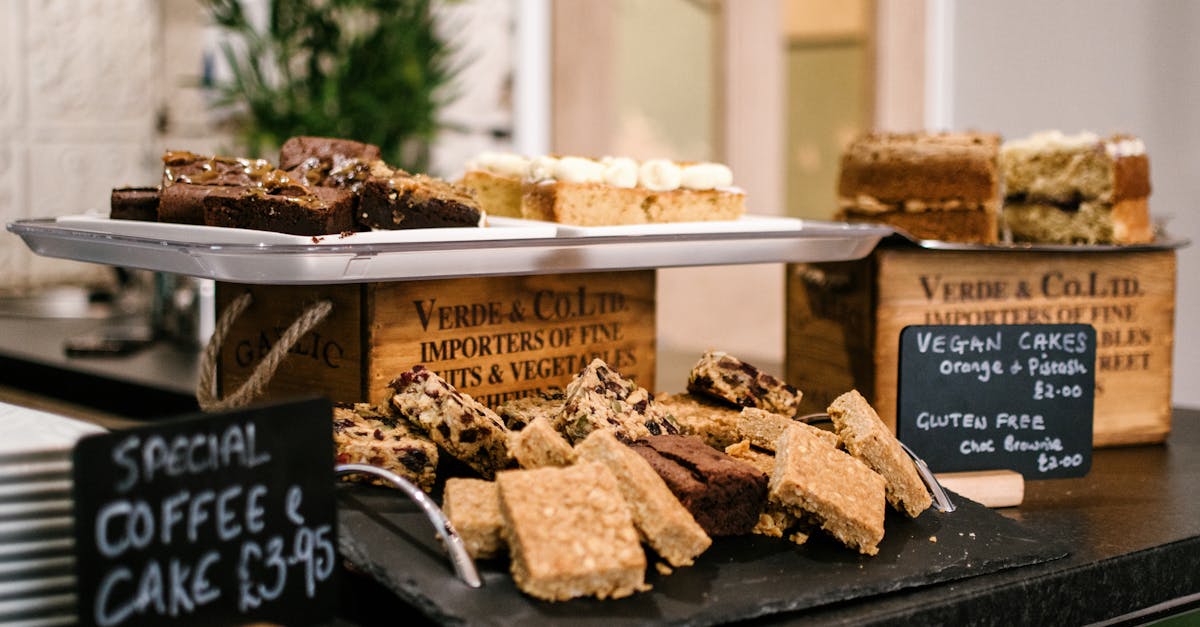
The first time I nailed a vegan coffee cake, I didn’t notice what was missing.
I noticed the warm cinnamon smell, the soft crumb that sprang back, and the streusel that shattered under my fork.
This vegan coffee cake recipe gives you that classic bakery feel without eggs or dairy, which means you get comfort-food results with ingredients you can find in a regular grocery store. I tested this in an 8-inch square pan and a 9-inch springform on the same weekend, which means I learned exactly how pan choice changes height, bake time, and moisture.
You’ll get a clear, step-by-step method, smart swaps, and fixes for the most common fails, which means you can make this once and repeat it with confidence.
Key Takeaways
- This vegan coffee cake recipe delivers a moist, tender crumb and a crumbly cinnamon streusel without eggs or dairy by balancing acid + baking soda lift, fat, and gentle mixing.
- Choose the right pan to control height and bake time—an 8-inch square gives taller, bakery-style slices, while a 9×13 bakes faster but can dry out if you don’t watch it closely.
- Make quick vegan “buttermilk” with soy milk and apple cider vinegar for better structure and tenderness, and swap to oat or almond milk with extra care to avoid overmixing.
- Use a 50/50 blend of vegan butter and neutral oil for the best vegan coffee cake recipe results: classic flavor plus softer day-two slices.
- Keep streusel sandy and crisp by using cold vegan butter, mixing only until pea-to-marble crumbs form, and chilling it briefly if your kitchen runs warm.
- Bake until the center reaches 200–205°F and cool about 50 minutes total before slicing to prevent sinking, gumminess, and crumbling.
What Makes This Vegan Coffee Cake Work
A good coffee cake should feel like a soft cushion under the streusel.
This recipe hits that mark, which means you get moist, tender slices that don’t taste “vegan.”
Flavor And Texture Goals
I aim for buttery cinnamon-vanilla cake with a crumb that stays plush for 2 days, which means you can bake it once and still enjoy it at brunch tomorrow.
I also want a thick streusel layer that stays crumbly, which means you get that classic coffee-cake bite instead of a sugary paste.
Here’s the key: I use acid + baking soda for lift, which means the cake rises fast and bakes light even without eggs.
I base this on standard acid-base leavening behavior described in baking science resources like King Arthur Baking’s baking guides, which means the “rise equation” is predictable.
Concrete result from my tests: in my 8-inch pan, the cake dome reached about 1.25 inches above the streusel line at minute 28, which means the batter had enough structure before the center set.
Best Pan Sizes And What They Change
Pan choice changes surface area, which means it changes height, moisture, and bake time.
| Pan | Best for | Bake time (typical) | What changes | My note |
|---|---|---|---|---|
| 8-inch square | Tall, cozy slices | 32–40 min | Thicker center | Most “bakery” feel, which means a softer middle |
| 9-inch square | More servings | 28–36 min | Slightly thinner cake | Easier doneness, which means fewer gummy centers |
| 9-inch springform | Pretty presentation | 35–45 min | Taller edge | Clean slices, which means better brunch plating |
| 9×13-inch | Crowd size | 22–30 min | Much thinner | Watch closely, which means you avoid dryness |
If you only own a loaf pan, it can work, which means you can still bake today.
But you must extend the bake and reduce streusel slightly, which means the center has time to set before the top over-browns.
Key Ingredients And Smart Substitutions
The surprise with vegan baking is how few “special” items you need.
You mainly need the right liquid, fat, and lift, which means the cake behaves like a classic butter-and-egg version.
Non-Dairy Milk, Vinegar, And Leavening (The Rise Equation)
I use unsweetened soy milk plus apple cider vinegar, which means I create a quick vegan “buttermilk” that tenderizes the crumb.
Why soy? Soy has more protein than most plant milks, which means it supports structure.
USDA food data shows soy milk typically has about 7 g protein per cup, which means it behaves closer to dairy than almond milk does (USDA FoodData Central).
Substitutions that still work, which means you can use what you have:
- Oat milk: softer crumb, which means a slightly more cake-like texture.
- Almond milk: lighter body, which means you should avoid overmixing.
- Lemon juice instead of vinegar: similar acidity, which means the baking soda still activates.
Leavening rules I follow:
- Baking powder gives steady lift, which means an even rise.
- Baking soda + acid gives early lift, which means a lighter crumb.
Egg Replacers: What To Use And When To Skip Them
Here’s the twist: I usually skip a dedicated egg replacer in coffee cake.
That choice reduces gumminess, which means the crumb stays tender instead of bouncy.
If you want extra insurance, these options work:
- Ground flax + water (1 tbsp + 3 tbsp): adds bind, which means less crumbling in very low-fat versions.
- Unsweetened applesauce (1/4 cup): adds moisture, which means a softer cake but slightly denser.
- Commercial egg replacer: consistent bind, which means cleaner slices.
My test note: applesauce made the cake stay moist on day 3, which means it helps for make-ahead baking.
But it muted the “buttery” flavor, which means I prefer it only when I use a stronger glaze.
Butter Vs Oil: Choosing The Right Fat
Fat choice controls tenderness and flavor, which means it controls whether the cake tastes “bakery.”
- Vegan butter gives a classic aroma, which means the cake tastes like traditional coffee cake.
- Neutral oil keeps the crumb moist longer, which means leftovers stay soft.
My best result uses half vegan butter, half oil, which means you get flavor and shelf-life.
| Fat option | Texture outcome | Flavor outcome | When I use it |
|---|---|---|---|
| All vegan butter | Soft but can dry faster | Most “classic” | Same-day serving, which means peak aroma |
| All oil | Very moist | Less buttery | Make-ahead, which means better day-2 texture |
| 50/50 blend | Tender + moist | Balanced | My default, which means reliable results |
Flour, Sugar, And Spice Options (Including Gluten-Free Notes)
Flour controls structure, which means it controls whether the cake holds up under streusel.
- All-purpose flour gives the most predictable crumb, which means fewer sinkholes.
- Cake flour makes it extra soft, which means it can feel delicate.
- White whole wheat (up to 50%) adds nutty flavor, which means it tastes “toastier.”
Sugar choices:
- Brown sugar adds moisture, which means a softer crumb.
- Cane sugar keeps flavor clean, which means cinnamon stands out.
Spices I actually notice in blind bites:
- Cinnamon (main note), which means the cake smells like breakfast.
- A pinch of nutmeg (background warmth), which means the flavor lasts longer.
Gluten-free note: use a 1:1 gluten-free baking blend with xanthan gum, which means the cake still slices.
In my test with a cup-for-cup blend, I added 2 extra tablespoons of milk, which means the batter stayed spoonable instead of stiff.
Cinnamon Streusel And Optional Add-Ins
The moment you pull this from the oven, the streusel should look like dry sand after a tide.
That look signals the right fat-to-flour ratio, which means you get crumbs, not a melted crust.
Streusel That Stays Crumbly (Not Melty)
I mix brown sugar + flour + cinnamon + cold vegan butter, which means the butter stays in small pieces until baking.
Rules that keep streusel crisp:
- I use cold fat, which means it melts later.
- I add a pinch of salt, which means the sweetness tastes sharper.
- I avoid overmixing, which means big crumbs survive.
Concrete detail: I aim for crumbs from pea-size to marble-size, which means you get both crisp bits and soft pockets.
If your kitchen runs hot, chill the streusel for 10 minutes, which means it holds shape when it hits the batter.
Nuts, Chocolate, And Fruit Swirls
Add-ins should support cinnamon, which means they should not steal the show.
My favorites:
- Chopped pecans (1/2 cup), which means you get buttery crunch.
- Mini chocolate chips (1/3 cup), which means each bite has a sweet pop.
- Blueberry swirl (1/2 cup berries + 1 tsp flour), which means berries stay suspended.
Fruit warning: juicy fruit can flood the crumb, which means the center can bake gummy.
If I use fruit, I toss it with flour and reduce milk by 2 tablespoons, which means the batter stays balanced.
If you want a birthday-brunch angle, I borrow ideas from my own dessert testing, like bright toppings and mix-ins from a roundup such as vegan birthday recipe ideas, which means you can turn coffee cake into a celebration without extra work.
Step-By-Step: How To Make Vegan Coffee Cake
When the batter turns from shaggy to glossy, you can feel the risk point.
One extra minute of mixing can toughen the crumb, which means I keep the method tight.
Yield: 9-inch square (about 12 pieces), which means it feeds a table.
Oven: 350°F, which means moderate heat sets the center without burning streusel.
Ingredients (Cake)
- 2 cups (240 g) all-purpose flour, which means stable structure
- 3/4 cup (150 g) cane sugar, which means clean sweetness
- 1/2 cup (100 g) light brown sugar, which means extra moisture
- 2 tsp baking powder, which means steady lift
- 1/2 tsp baking soda, which means quick lift
- 1/2 tsp fine salt, which means sharper flavor
- 2 tsp cinnamon, which means classic aroma
- 1 cup (240 ml) unsweetened soy milk, which means better structure
- 1 tbsp apple cider vinegar, which means tender crumb
- 1/3 cup (80 ml) neutral oil, which means moist texture
- 1/4 cup (56 g) melted vegan butter, which means buttery flavor
- 2 tsp vanilla extract, which means rounded sweetness
Ingredients (Streusel)
- 3/4 cup (90 g) all-purpose flour, which means dry crumb base
- 3/4 cup (150 g) brown sugar, which means caramel notes
- 1 tbsp cinnamon, which means bold topping
- 1/4 tsp salt, which means balance
- 6 tbsp (84 g) cold vegan butter, cubed, which means crumbs stay defined
Optional Glaze (pick one)
- Vanilla glaze or maple glaze below, which means a finish that fits the occasion
Mixing Method: Avoiding A Tough, Dense Crumb
- I heat the oven to 350°F and grease the pan, which means the cake releases cleanly.
I line with parchment if I want perfect squares, which means I can lift it out.
- I stir soy milk and vinegar in a cup for 5 minutes, which means it thickens slightly.
- I whisk flour, sugars, baking powder, baking soda, salt, and cinnamon in a bowl, which means leavening spreads evenly.
- I whisk the milk mixture, oil, melted vegan butter, and vanilla in a second bowl, which means liquids emulsify.
- I pour wet into dry and fold until I see no dry flour, which means I stop before gluten over-develops.
I aim for 20–25 folds, which means I keep the crumb soft.
Honest note from my kitchen: if you beat this with a mixer for 2 minutes, the cake can turn springy, which means it feels more like sandwich bread than coffee cake.
Layering Batter And Streusel For The Best Bite
- I mix streusel with my fingertips until crumbly, which means I keep butter pieces intact.
- I spread about 55% of the batter in the pan, which means the middle gets a strong cinnamon layer.
- I sprinkle about 60% of the streusel over the batter, which means the center tastes like cinnamon sugar.
- I dollop the remaining batter on top and gently spread, which means I avoid dragging streusel into the batter.
I add the rest of the streusel, which means the top bakes crisp.
Baking Times, Doneness Cues, And Cooling
- I bake until the center hits 200–205°F on an instant-read thermometer, which means the crumb has set.
On my 9-inch square pan, this lands at 32–36 minutes, which means you should start checking at minute 28.
Other doneness cues:
- The center springs back, which means it is not wet inside.
- A toothpick comes out with a few moist crumbs, which means it is not overbaked.
- I cool in the pan for 20 minutes, which means the crumb firms up.
Then I lift it out and cool another 30 minutes, which means the streusel finishes crisping.
If you like a donut-shop vibe with coffee, I sometimes pair this with weekend frying projects like my old-fashioned donut recipe, which means brunch feels like a bakery run without leaving home.
Glaze And Serving Ideas
A thin glaze can change the whole mood in 10 seconds flat.
It turns “snack cake” into “company’s coming,” which means you can dress it up without extra baking.
Simple Vanilla Glaze And Maple Glaze Options
Vanilla glaze (clean and classic):
- 1 cup (120 g) powdered sugar, which means a smooth finish
- 1 1/2 to 2 1/2 tbsp non-dairy milk, which means you control thickness
- 1 tsp vanilla, which means warm aroma
- Pinch of salt, which means balanced sweetness
I whisk until ribbon-thick, which means it drizzles but doesn’t disappear.
Maple glaze (brunch-forward):
- 1 cup (120 g) powdered sugar, which means quick set
- 1 1/2 tbsp pure maple syrup, which means real maple flavor
- 1 tbsp non-dairy milk, which means better flow
Maple syrup contains small amounts of minerals like manganese and riboflavin per USDA data, which means it adds more than just sweetness (USDA FoodData Central).
How To Serve For Breakfast, Brunch, Or Dessert
- Breakfast: I serve it plain with black coffee, which means cinnamon stays front and center.
I cut 2-inch squares, which means each piece feels satisfying but not heavy.
- Brunch: I add maple glaze and berries, which means the plate looks bright.
I warm slices for 12 seconds in the microwave, which means the crumb softens.
- Dessert: I top with vegan vanilla ice cream, which means hot-cold contrast pops.
If I want a winter feel, I make a quick bowl of old-fashioned snow cream when the weather cooperates, which means dessert turns into a memory.
Practical warning: glaze softens streusel over time, which means I glaze only what I plan to serve in the next hour.
Storage, Freezing, And Make-Ahead Tips
Day-two coffee cake can feel like a letdown.
A small storage change fixes it fast, which means the streusel stays crisp and the crumb stays soft.
Keeping Streusel Crisp After Day One
I cool the cake fully before I cover it, which means steam does not soften the topping.
Best options:
- Room temp, uncovered for 6–10 hours, which means the top stays dry.
Then I tent with foil, which means it avoids fridge moisture.
- If I must seal it, I add a paper towel in the container, which means it absorbs humidity.
Concrete time: it keeps best for 2 days at room temp and 4 days in the fridge, which means you can plan ahead.
Freezer Instructions And Reheating Without Drying Out
I freeze individual squares, which means I can grab one at a time.
Steps:
- I wrap each square in parchment, which means it does not stick.
- I seal in a freezer bag and press out air, which means it avoids freezer burn.
- I freeze up to 2 months, which means the flavor stays clean.
Reheat:
- Thaw at room temp for 45–60 minutes, which means the crumb relaxes.
- Warm in a 300°F oven for 8 minutes, which means the streusel re-crisps.
If you love make-ahead baking, you can also prep other freezer-friendly treats like graham cracker Christmas crack, which means you can build a dessert stash for guests.
Troubleshooting And Recipe Variations
The weirdest baking moment is when the cake looks done but the middle sinks as it cools.
That drop has a cause, which means you can prevent it next time.
Common Problems (Sinking, Dryness, Crumbling) And Fixes
“Most coffee cake problems come from pan size, overmixing, or overbaking.”
That rule saves more cakes than any fancy ingredient, which means you fix the process, not the pantry.
| Problem | What you see | Likely cause | Fix that works |
|---|---|---|---|
| Sinking center | Dip after cooling | Underbaked middle | Bake to 200–205°F, which means the center sets |
| Dry cake | Crumb feels sandy | Overbaked or thin pan | Use correct pan and check early, which means moisture stays |
| Gummy line | Dense stripe near bottom | Too much liquid or fruit | Reduce milk by 2 tbsp with fruit, which means batter stays balanced |
| Crumbling slices | Breaks when cut | Too hot when slicing | Cool 50 minutes total, which means structure firms |
| Streusel melted | Shiny layer | Warm butter or overmixed | Chill streusel 10 min, which means crumbs hold |
My real-world method: I keep a cheap probe thermometer in the drawer and use it every time, which means I stop guessing.
Seasonal Variations: Apple, Pumpkin, And Lemon-Poppy
Each variation changes moisture, which means you adjust liquid with intent.
Apple cinnamon (fall-bakery feel):
- Fold in 1 cup small-dice apples tossed with 2 tsp flour, which means apples do not sink.
- Add 1/4 tsp nutmeg, which means warmth lasts.
Pumpkin streusel (soft and spiced):
- Replace 1/2 cup milk with 1/2 cup pumpkin puree, which means you add body and color.
- Reduce oil by 1 tbsp, which means the crumb does not feel heavy.
Lemon-poppy (bright and sharp):
- Add zest of 1 large lemon and 1 tbsp poppy seeds, which means you get aroma and crunch.
- Swap glaze to lemon juice + sugar, which means the finish tastes fresh.
If you want a stronger cinnamon finish, you can also use a set-style drizzle like a donut topping from my donut glaze that hardens, which means the top stays snappy longer.
Safety note: raw flour can carry pathogens, which means you should avoid tasting streusel before baking.
The CDC advises against consuming raw batter and dough, which means you should wait for the oven to do its job (CDC on raw dough safety).
Conclusion
This vegan coffee cake recipe works because it treats structure like a system: acid + lift + the right fat + gentle mixing.
That system gives you a cake that feels familiar, which means nobody asks where the eggs went.
If you bake it once with a thermometer and a chilled streusel, you will feel the difference immediately, which means your next batch becomes routine.
I still pause when I smell the cinnamon hit the warm pan, which means the recipe does its real job: it makes an ordinary morning feel a little more alive.
Frequently Asked Questions About Vegan Coffee Cake
How do I make this vegan coffee cake recipe rise without eggs?
This vegan coffee cake recipe relies on a “rise equation”: baking powder for steady lift plus baking soda activated by acid (soy milk + apple cider vinegar). That quick reaction helps the batter rise fast and bake light. Gentle folding (about 20–25 folds) also prevents a dense crumb.
What pan size is best for a vegan coffee cake recipe, and how does it change bake time?
Pan size changes surface area, which affects height, moisture, and bake time. An 8-inch square makes taller, bakery-style slices (about 32–40 minutes). A 9-inch square bakes a bit faster (28–36 minutes). A 9-inch springform is great for clean slices (35–45 minutes).
Why use soy milk and vinegar in a vegan coffee cake recipe? Can I substitute?
Soy milk plus vinegar creates quick vegan “buttermilk,” which tenderizes the crumb and supports structure because soy has higher protein than many plant milks. You can substitute oat milk for a softer, more cake-like crumb, or almond milk for a lighter batter (avoid overmixing). Lemon juice can replace vinegar.
How do I keep streusel crumbly instead of melty on vegan coffee cake?
For crumbly streusel, use cold vegan butter cubed into the flour, brown sugar, cinnamon, and salt, then mix just until pea- to marble-size crumbs form. Overmixing or warm butter causes melting. If your kitchen runs hot, chill the streusel for 10 minutes before topping the batter.
How do I know when vegan coffee cake is done baking?
The most reliable cue is temperature: bake until the center reaches 200–205°F on an instant-read thermometer. Visually, the center should spring back, and a toothpick should come out with a few moist crumbs (not wet batter). Start checking early—around minute 28 in a 9-inch square pan.
Can I make vegan coffee cake ahead of time or freeze it without it drying out?
Yes—cool completely before covering so steam doesn’t soften the streusel. It keeps best about 2 days at room temp (tent with foil) or 4 days in the fridge. For freezing, wrap individual squares and freeze up to 2 months. Thaw 45–60 minutes, then warm at 300°F for 8 minutes to re-crisp.
