
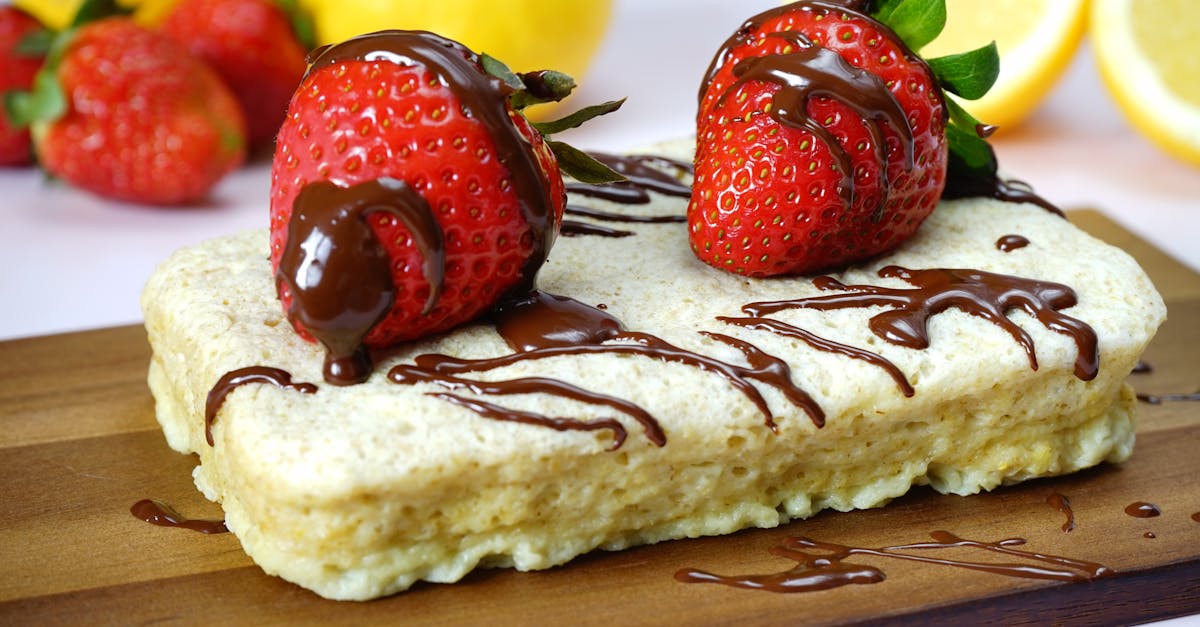
The first time I tested a vegan chocolate strawberry cake recipe that actually sliced clean, I heard the knife whisper through the crumb and thought: finally. No crumbling edges, no wet gummy center, no “pretty but sad” texture.
This version gives me rich chocolate layers, a strawberry filling that stays put, and frosting that doesn’t break when the kitchen gets warm. I’ll show you the exact steps I use, the swaps that work, and the little checks that stop cake heartbreak before it starts.
Key Takeaways
- This vegan chocolate strawberry cake recipe succeeds by controlling acid, lift, and moisture so the layers rise high, stay tender, and slice cleanly.
- Make a quick vegan “buttermilk” (plant milk + vinegar) and pair baking soda with baking powder to create reliable rise and a lighter crumb.
- Weigh key ingredients like flour, sugar, and cocoa for consistent results, then bake until 200–205°F or a toothpick shows moist crumbs to avoid dryness.
- Thicken the strawberry filling (jammy style with cornstarch or pectin) and chill it fully so it won’t leak, weep, or turn the cake gummy.
- Chill the cake layers before leveling and frosting, apply a crumb coat, then chill again to lock in sharp edges and keep the filling in place.
- Choose frosting based on your setting—dairy-free ganache for glossy richness or strawberry buttercream with freeze-dried powder for stable, clean edges in warm kitchens.
What Makes This Vegan Chocolate Strawberry Cake Work
The surprise with vegan layer cakes is how simple the solution can be. I stopped chasing fancy ingredients and started controlling acid + lift + moisture, which means the cake rises high and stays tender.
I built this recipe around a repeatable structure: cocoa for flavor, a reliable egg replacer for structure, and a strawberry layer that thickens like pie filling, which means it won’t flood your frosting.
“Moist” in vegan baking often comes from oil and sugar balance, which means you need enough structure to hold that moisture without turning gummy.
Flavor Profile And Best Occasions To Serve It
This cake tastes like dark chocolate truffle + bright strawberry. The cocoa hits first, then the berry cuts through the richness, which means every bite stays interesting.
I serve it for birthdays, Valentine’s Day, and summer parties. Fresh berries on top look dramatic in photos, which means you can keep the decorating simple and still get a “wow.”
Concrete example: I made this for a 12-person birthday dinner and got 14 clean slices by chilling the assembled cake for 45 minutes first, which means the filling and frosting set before cutting.
Key Ingredients That Replace Eggs And Dairy
I rely on four workhorse swaps.
- Plant milk + vinegar (a quick vegan “buttermilk”), which means the batter activates baking soda for a better rise.
- Neutral oil instead of butter, which means the crumb stays soft even after refrigeration.
- Unsweetened applesauce (or yogurt), which means the cake gets moisture plus gentle binding.
- Baking soda + baking powder, which means you get both immediate and sustained lift.
Data point: The USDA reports 1 cup of sliced strawberries has about 3.0 g of fiber and 97% of the Daily Value for vitamin C (based on a 2,000-calorie diet), which means strawberries add real nutritional value alongside flavor. Source: USDA FoodData Central.
If you want more plant-based party ideas, I keep a short list of crowd-friendly desserts here: best vegan birthday recipes, which means you can plan a full vegan dessert table.
Ingredients And Equipment You’ll Need
I learned the hard way that vegan cakes reward precision. I weigh my flour and cocoa now, which means my layers bake the same way every time.
Below is what I use for a two-layer 8-inch cake (or three 6-inch layers).
Ingredient Notes, Substitutions, And Allergen Swaps
Chocolate cake layers (2 x 8-inch):
| Ingredient | Amount | Why I use it (which means…) |
|---|---|---|
| All-purpose flour | 300 g (2 1/2 cups) | It gives reliable structure, which means clean slices. |
| Granulated sugar | 300 g (1 1/2 cups) | It holds moisture, which means a softer crumb for days. |
| Unsweetened cocoa powder (Dutch or natural) | 65 g (3/4 cup) | It brings deep chocolate flavor, which means you don’t need extract tricks. |
| Baking powder | 2 tsp | It boosts lift, which means a taller layer. |
| Baking soda | 1 1/2 tsp | It reacts with acid, which means lighter texture. |
| Fine salt | 1 tsp | It sharpens cocoa, which means stronger chocolate taste. |
| Plant milk (soy/oat/almond) | 360 ml (1 1/2 cups) | It hydrates flour, which means even baking. |
| Apple cider vinegar or white vinegar | 1 tbsp | It curdles the milk, which means better rise and tenderness. |
| Neutral oil (canola/avocado) | 160 ml (2/3 cup) | It stays soft when cold, which means fridge-friendly cake. |
| Unsweetened applesauce (or vegan yogurt) | 120 g (1/2 cup) | It binds and moistens, which means less crumbling. |
| Vanilla extract | 2 tsp | It rounds flavor, which means richer aroma. |
| Hot coffee or hot water | 240 ml (1 cup) | It “blooms” cocoa, which means darker, bolder chocolate. |
Allergen swaps I’ve tested:
- I use soy milk most often, which means higher protein and slightly better structure.
- I use oat milk for a sweeter note, which means a softer edge to the cocoa.
- For gluten-free, I use a 1:1 baking flour blend with xanthan gum, which means the cake holds together, but you must cool fully before frosting.
Strawberry filling (choose 1 method later): fresh strawberries, sugar, lemon juice, and cornstarch (or pectin), which means you can control thickness.
Frosting options: dairy-free ganache or strawberry buttercream, which means you can pick glossy and rich or light and fruity.
If you like keeping pantry staples on hand, I’ve had good luck using a set strawberry jam as a shortcut. This guide helps with texture cues: grape jelly recipe with Sure-Jell, which means you can recognize proper gel stage faster.
Pan Sizes, Cake Rings, And Helpful Tools
You don’t need a pro kitchen, but a few tools change the outcome.
| Tool | What I use | Why it matters (which means…) |
|---|---|---|
| Cake pans | 2 x 8-inch round, 2-inch tall | Standard height, which means even layers. |
| Parchment | Rounds + side strips | Prevents sticking, which means no torn bottoms. |
| Digital scale | Gram scale | Accurate ratios, which means consistent crumb. |
| Instant-read thermometer (optional) | Any reliable brand | Checks doneness, which means fewer dry cakes. |
| Offset spatula + bench scraper | 8–10 inch | Smooth frosting, which means clean edges. |
| Cake turntable (optional) | Basic plastic works | Faster frosting, which means less fuss. |
Pan swaps:
- 9-inch pans work, which means thinner layers and shorter bake time.
- 6-inch pans make taller cakes, which means you must level more.
Concrete example: I once baked this in dark nonstick pans and had over-browned edges at the same time as a soft center, which means pan color can change bake speed by several minutes.
How To Make The Chocolate Cake Layers
When the batter turns glossy and smells like hot cocoa, I know I’m close. That shine tells me the cocoa hydrated well, which means the final cake tastes deeper.
Mixing Method For A Moist, Tender Crumb
I use a quick “two-bowl” method that avoids overmixing.
Step-by-step:
- I heat the oven to 350°F. I grease two 8-inch pans and line them with parchment, which means the layers release without ripping.
- I whisk plant milk and vinegar in a measuring jug. I let it sit 5 minutes, which means it thickens like buttermilk.
- I whisk flour, sugar, cocoa, baking powder, baking soda, and salt in a large bowl, which means the leaveners spread evenly.
- I whisk oil, applesauce, vanilla, and the “buttermilk” into the dry mix until the flour disappears, which means I avoid tough gluten.
- I pour in hot coffee (or hot water) and whisk just until smooth, which means the cocoa blooms and the batter loosens.
- I divide batter between pans (about 700–750 g per pan depending on your ingredients), which means the layers bake at the same pace.
My first-hand note: I stopped using a stand mixer for this batter. The stand mixer added too much air and mixing time, which means I got a slightly domed top and a tighter crumb.
Baking Times, Doneness Tests, And Cooling
I bake on the center rack.
- 8-inch pans: 28–34 minutes, which means you get a tall layer without drying it out.
- 9-inch pans: 24–30 minutes, which means you must start checking early.
I use three doneness checks:
- A toothpick comes out with a few moist crumbs, which means the cake stays tender.
- The center springs back when I press lightly, which means the structure set.
- The internal temp hits 200–205°F, which means the crumb finished baking without turning dry.
I cool the pans for 10 minutes, then I turn layers out onto a rack. I wrap the layers when fully cool and chill for at least 2 hours, which means leveling and frosting feel easy.
If you frost warm cake, the frosting melts and slides, which means you lose sharp layers and clean edges.
Data point: King Arthur Baking notes that weighing flour reduces variation compared with scooping, which means you avoid dense cake from accidental over-measuring. Source: King Arthur Baking.
Strawberry Filling Options (Fresh, Jammy, Or Compote)
Strawberries look innocent until they dump water into your cake. I learned this after watching a pretty layer cake slowly “weep” pink syrup onto the plate, which means I now thicken every filling on purpose.
You have three good paths, depending on time and texture.
| Filling style | Texture | Best for (which means…) |
|---|---|---|
| Fresh sliced berries | Bright, juicy | Same-day cakes, which means maximum freshness. |
| Jammy stovetop filling | Thick, spreadable | Layer cakes, which means no leaks. |
| Compote (chunky) | Spoonable with pieces | Rustic cakes, which means less precision needed. |
How To Thicken The Filling So It Doesn’t Leak
Option A: Jammy strawberry filling (my default)
Ingredients:
- 450 g strawberries, hulled and chopped
- 100–140 g sugar (adjust to berry sweetness)
- 1 tbsp lemon juice
- 18 g cornstarch (2 tbsp) + 30 ml water (2 tbsp)
- Pinch of salt
Steps:
- I cook strawberries, sugar, lemon, and salt in a saucepan for 6–8 minutes until berries soften, which means they release juice.
- I blend 1/3 of the mixture with an immersion blender (optional), which means the filling spreads smoothly but still tastes fresh.
- I stir in the cornstarch slurry and simmer 60–90 seconds until thick and glossy, which means it sets inside the cake.
- I cool it completely and chill at least 1 hour, which means it firms up before assembly.
Thickness test: I drag a spoon across the pan. The line holds for 2 seconds, which means it won’t run.
Option B: Fresh berries + “buttercream dam”
I pipe a ring of frosting around the edge of the layer. I add sliced berries inside the ring, which means the dam blocks juice.
Warning: Fresh berries can still release water after a few hours, which means I only use this method for same-day serving.
Data point: Strawberries are about 91% water, which means thickening matters if you want stable layers. Source: USDA FoodData Central.
If you enjoy old-school fruit prep and want more ideas for handling fruit texture, this collection is handy: Family Circle recipe archives, which means you can borrow classic jam and fruit dessert techniques.
Make-Ahead And Storage For The Filling
I make jammy filling 2–3 days ahead. I store it in a sealed container in the fridge, which means it stays thick and safe.
- Fridge: 3–4 days, which means you can assemble later.
- Freezer: up to 2 months, which means you can batch-prep summer berries.
I thaw in the fridge overnight and re-stir. If it loosens, I reheat for 30–60 seconds and cool again, which means I restore the gel.
Vegan Frosting Choices That Pair With Chocolate And Strawberries
The frosting decides the whole vibe. One spoonful can taste like a candy bar, or it can taste like strawberry shortcake, which means you can steer the cake toward “decadent” or “light.”
Silky Chocolate Ganache (Dairy-Free)
This is my fastest option, and it looks fancy with almost no effort.
Ingredients:
- 340 g dairy-free chocolate (chips or chopped bar)
- 240 ml full-fat coconut milk (from a can)
- 1 tbsp maple syrup (optional)
- Pinch of salt
Steps:
- I heat coconut milk until it steams but does not boil. I pour it over chocolate and cover for 3 minutes, which means the chocolate melts evenly.
- I stir from the center outward until smooth. I add salt, which means the chocolate tastes sharper.
- I cool at room temp until it thickens to spreadable. I chill 10–20 minutes if needed, which means it reaches frosting texture.
My first-hand note: Some dairy-free chips contain stabilizers. They can thicken faster, which means you should stop chilling early and check often.
Data point: FDA food safety guidance says you should not leave perishable foods at room temperature for more than 2 hours (or 1 hour above 90°F), which means coconut-milk ganache needs smart timing in hot kitchens. Source: FDA Food Safety.
Strawberry Buttercream Or Stabilized Whipped Frosting
Option A: Strawberry buttercream (best for clean edges)
I use vegan butter plus powdered sugar plus freeze-dried strawberry powder.
- Freeze-dried powder adds flavor without water, which means the frosting stays thick.
Quick formula (enough for filling + frosting):
- 340 g vegan butter
- 600–720 g powdered sugar
- 25–35 g freeze-dried strawberry powder
- 1–3 tbsp plant milk
- 1 tsp vanilla + pinch of salt
I beat butter first for 2 minutes. I add sugar gradually, then strawberry powder, which means I avoid grit.
Option B: Stabilized whipped frosting (lighter bite)
I whip chilled coconut cream or a vegan whipping base. I stabilize with a bit of powdered sugar and optional instant pudding mix, which means it holds swirls longer.
Warning: Whipped frostings soften faster than buttercream, which means you should keep the cake chilled until serving.
If you like the look of glossy finishes, a simple glaze can help. This technique transfers well: bundt cake glaze recipe, which means you can add shine without heavy piping.
How To Assemble, Frost, And Decorate The Cake
Assembly feels like magic when the layers stack straight and the filling stays put. I aim for calm hands and cold cake, which means fewer surprises.
Leveling, Filling, And Crumb Coating For Clean Slices
Step-by-step assembly:
- I level each layer with a serrated knife. I save scraps for snacks, which means I don’t “over-level” and lose height.
- I place the first layer on a board. I spread a thin layer of frosting, which means the filling sticks.
- I pipe a buttercream dam around the edge if I use strawberry filling, which means the filling can’t escape.
- I add 200–250 g strawberry filling in the center and spread it flat, which means the top layer sits evenly.
- I add the second layer top-side down. I press gently, which means I push out air pockets.
- I apply a thin crumb coat and chill 20–30 minutes, which means crumbs stay locked in.
- I frost the final coat. I smooth with a bench scraper, which means I get sharp sides.
Concrete example: When I skip the chill after crumb coat, I see chocolate crumbs streak my frosting in under 60 seconds, which means chilling saves time.
Decorating Ideas: Drips, Fresh Strawberries, And Chocolate Shavings
I keep decoration simple and high-contrast.
- Ganache drip: I spoon slightly warm ganache around the edge, which means it forms natural drips.
- Fresh strawberries: I dry them well and add them right before serving, which means the tops don’t sweat.
- Chocolate shavings: I shave a bar with a vegetable peeler, which means I get curls without special tools.
The best decoration is the one you can repeat under pressure, which means simple choices win on birthdays.
Data point: A standard 8-inch two-layer cake typically yields 12 slices, which means you can plan portions for a small party without leftovers taking over your fridge.
Troubleshooting And Pro Tips For Consistent Results
I have made every mistake on this list. I fixed them by changing one variable at a time, which means I could actually see what helped.
Common Issues: Dry Cake, Sunken Center, Gummy Texture, Split Frosting
Dry cake
- You overbaked by 5+ minutes, which means the moisture evaporated.
- You added too much flour, which means the batter lacked enough liquid.
Fix: I weigh flour at 300 g and pull the cake at 200–205°F, which means the center stays tender.
Sunken center
- Your oven ran cool or you opened the door early, which means the structure collapsed before setting.
- Your leaveners were old, which means they produced less gas.
Fix: I replace baking powder every 6 months and baking soda every 12 months, which means I get reliable lift.
Gummy texture
- You overmixed after adding flour, which means you developed too much gluten.
- You used a watery strawberry layer, which means the cake absorbed extra liquid.
Fix: I whisk only until flour disappears and I thicken the filling until it holds a line, which means the crumb stays cake-like.
Split frosting
- Your vegan butter got too warm or your ganache got too cold, which means fat and liquid separated.
Fix: I bring buttercream to 68–72°F room temp and re-emulsify with 1 tbsp plant milk, which means the frosting turns smooth again.
Temperature, Timing, And Ingredient Weighing Tips
These are my highest-impact habits.
- I preheat the oven for at least 20 minutes, which means the first 10 minutes of rise happen in stable heat.
- I rotate pans at minute 20 only if my oven bakes unevenly, which means I avoid collapsing the early rise.
- I chill layers before frosting, which means my frosting stays thick and sharp.
- I use a scale for flour, sugar, and cocoa, which means small measuring errors don’t stack up.
My method note: I test my oven with a $10 thermometer twice a year. Mine once ran 25°F hot, which means my “perfect” timing was always a lie.
Storage, Freezing, And Make-Ahead Timeline
This cake tastes best when the crumb has time to settle. The chocolate flavor deepens overnight, which means day-two slices can taste better than day-one.
How To Store For Freshness And Food Safety
I store the cake based on the frosting.
- Buttercream-frosted cake: I store it covered in the fridge up to 4 days, which means the frosting stays stable.
- Whipped frosting: I store it in the fridge and serve within 2 days, which means it keeps its lift.
- Room temp rule: I keep it out no more than 2 hours (or 1 hour above 90°F), which means I stay within FDA guidance.
I bring slices to room temp for 20–30 minutes before serving, which means the chocolate tastes fuller and the frosting feels softer.
Freezing Layers And Fully Assembled Cake
Freezing makes this recipe weeknight-friendly.
Freeze layers (best option):
- I wrap each cooled layer in plastic wrap, then foil. I label the date, which means I don’t forget what’s inside.
- I freeze up to 2 months, which means I can bake ahead.
- I thaw wrapped layers in the fridge overnight, which means condensation stays on the wrap, not the cake.
Freeze a fully assembled cake (works, with limits):
- I freeze the cake uncovered for 1 hour to firm the frosting, then I wrap it well, which means the wrap doesn’t dent the sides.
- I thaw in the fridge for 12–18 hours, which means the center warms safely.
Warning: Fresh strawberries on top turn soft after freezing, which means I add them only after thawing.
Make-ahead timeline I use:
| Day | What I do | Why it helps (which means…) |
|---|---|---|
| Day -2 | Make strawberry filling | It chills firm, which means easier assembly. |
| Day -1 | Bake and chill layers | Cold layers slice clean, which means straighter stacks. |
| Day 0 | Frost + decorate | Fresh finish, which means best texture for guests. |
Conclusion
This vegan chocolate strawberry cake recipe works because it treats vegan baking like baking, not magic. I control moisture, I thicken the berries, and I chill at the right moments, which means the cake looks bold and slices like a bakery cake.
If you bake it once, write down your pan size, bake time, and frosting choice. That small note becomes your shortcut next time, which means your “special occasion” cake turns into a repeatable win.
Frequently Asked Questions: Vegan Chocolate Strawberry Cake Recipe
What makes this vegan chocolate strawberry cake recipe slice clean without crumbling?
This vegan chocolate strawberry cake recipe balances acid + lift + moisture for a tender but sturdy crumb. Using plant milk + vinegar to activate baking soda, plus applesauce for gentle binding, helps structure. Chilling the cooled layers before leveling and frosting also prevents tearing and messy slices.
How do I make vegan “buttermilk” for a vegan chocolate strawberry cake recipe?
Whisk 1 1/2 cups plant milk (soy, oat, or almond) with 1 tablespoon vinegar, then let it sit about 5 minutes until slightly thickened. In this vegan chocolate strawberry cake recipe, that acidity boosts rise and tenderness by reacting with baking soda.
How do you thicken strawberry filling so it doesn’t leak between cake layers?
Cook chopped strawberries with sugar and lemon juice until juicy, then stir in a cornstarch slurry and simmer briefly until thick and glossy. A good test is dragging a spoon through the pan—if the line holds for about 2 seconds, the filling is thick enough to stay put.
What frosting works best for a vegan chocolate strawberry cake recipe in a warm kitchen?
Strawberry buttercream (with freeze-dried strawberry powder) is usually the most stable for sharp edges, while dairy-free ganache can soften if it gets warm. Keep the cake chilled until serving, and avoid leaving it out more than 2 hours (1 hour above 90°F) for best texture and safety.
Can I make this vegan chocolate strawberry cake recipe gluten-free?
Yes. Use a 1:1 gluten-free flour blend that includes xanthan gum for structure. Expect a more delicate crumb, so cool the layers completely and chill before frosting. Gluten-free layers often handle best when cut and stacked cold to reduce cracking.
Why did my vegan chocolate cake turn gummy in the center?
Gummy texture usually comes from overmixing after flour is added, excess flour, or extra water from a runny strawberry layer. Whisk only until the flour disappears, weigh dry ingredients for accuracy, and use a properly thickened strawberry filling so the cake doesn’t absorb excess liquid.
