
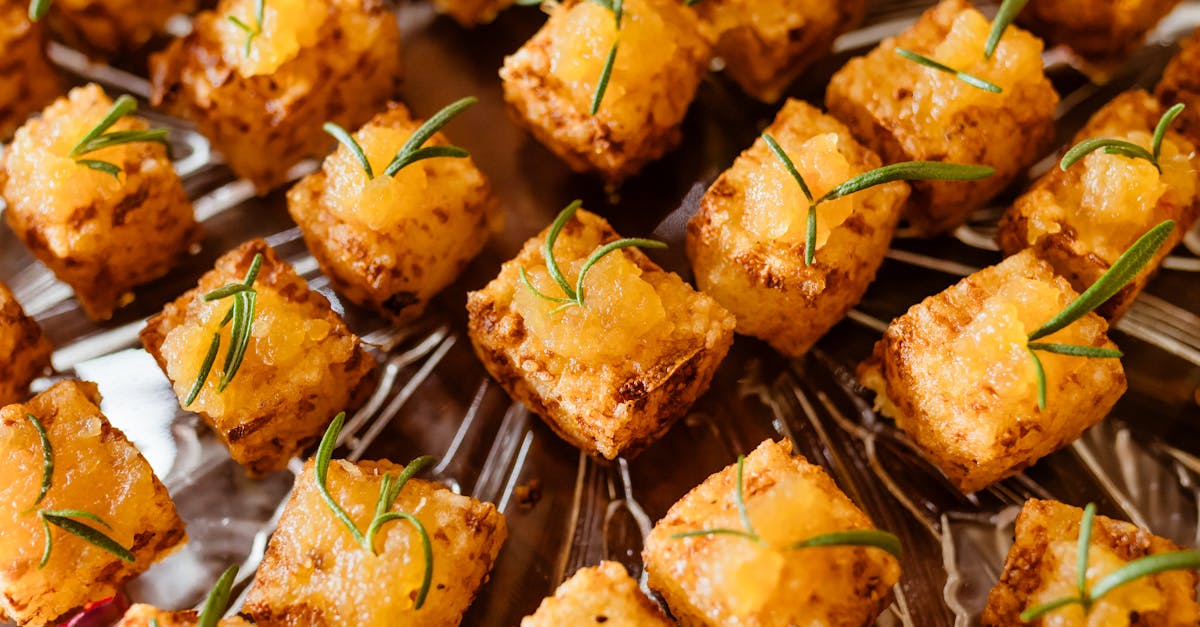
I learned to make tofu meatballs the hard way: too wet, too crumbly, and once, oddly bland. After dozens of tests I landed on a repeatable method that gives firm, flavorful meatballs with 12–16 grams of protein per serving and a satisfying bite. In this guide I share ingredients, exact steps, fixes for common problems, and serving ideas so you can make tofu meatballs that hold together, taste great, and fit any cuisine. Read on and you’ll be able to make a batch in about 45 minutes from start to finish.
Key Takeaways
- Follow the tofu meatballs recipe’s pressing, crumbling, and 15–20 minute chill steps to remove excess water and ensure the meatballs hold together.
- Test a tablespoon of the mixture by frying to adjust salt, acid, and seasoning before shaping so your tofu meatballs aren’t bland.
- Use a measured binder (3/4 cup panko, 1/2 cup cooked quinoa, or 1/2 cup ground oats) and 1 egg or flax egg to balance moisture and texture for a firm, non-gummy bite.
- Choose your cooking method—bake at 400°F for 18–22 minutes, pan-fry to crisp the exterior, or brown then simmer in sauce—to control final texture and flavor absorption.
- Freeze raw or cooked meatballs on a tray before bagging for up to 3 months, and reheat in sauce or the oven to retain moisture and crispness.
Why Choose Tofu Meatballs
Tofu meatballs save money and lower saturated fat while keeping protein high. Firm tofu contains about 8 grams of protein per 100 g, which means you get substantial protein without red meat. Tofu also contains little saturated fat compared with ground beef, which means a heart-healthier swap for many diets.
People choose tofu meatballs for allergy flexibility and texture control. Tofu picks up flavors like a sponge, which means you can turn the same base into Italian, Asian, or Mediterranean meatballs with one change. I prefer tofu because it costs around $2–$3 per block in the U.S., which means you can make 12–18 meatballs for roughly $0.15–$0.25 each.
Quote:
“A good tofu meatball should spring back when pressed and release a clean, seasoned aroma.”
A quick stat: plant-based meat alternatives grew 18% in retail sales year over year in recent reports, which means home cooks want alternatives that taste like the real thing. I’ll show you how to match texture and flavor, step by step.
What You’ll Need: Ingredients And Substitutions
Below I list the main ingredients, binding options, and seasoning swaps that work. I always weigh tofu and dry binders for consistency, which means your ratios will repeat reliably.
Key Ingredients
- Firm or extra-firm tofu (14 oz / 400 g block), yields about 350–380 g drained, which means enough base for 12–18 meatballs.
- Breadcrumbs or cooked grains (1/2 to 1 cup), use panko for crunch or cooked quinoa for gluten-free options, which means you can get the same structure without wheat.
- Egg or flax “egg” (1 large egg or 1 tbsp ground flax + 3 tbsp water), gives binding power, which means the meatballs hold shape when cooked.
- Onion and garlic (1 small onion, 2 cloves garlic), sauté first for deeper flavor, which means the final meatballs taste cooked instead of raw.
Binding And Texture Options
| Binder | Amount (for 14 oz tofu) | Effect | Which means… |
|---|---|---|---|
| Panko breadcrumbs | 3/4 cup | Light, airy texture | you get a tender interior that’s not gummy |
| Cooked quinoa | 1/2 cup | Nutty, gluten-free | you add protein and chew |
| Rolled oats (ground) | 1/2 cup | Absorbs moisture | you reduce sogginess without gluten |
| Vital wheat gluten | 2–3 tbsp | Extra chew and elasticity | meatballs are firmer and slice cleanly |
I recommend panko or ground oats if you want the most foolproof result.
Flavoring And Seasoning Variations
- Basic: 1 tsp salt, 1/2 tsp black pepper, 1 tbsp soy sauce, which means simple umami and seasoning throughout.
- Italian: 1 tbsp tomato paste, 1 tsp dried oregano, 1 tsp dried basil, which means you can simmer them in marinara immediately.
- Asian: 1 tbsp soy sauce, 1 tsp grated ginger, 1 tsp sesame oil, which means you’ll get savory-sweet depth.
I test seasonings by frying a tablespoon of the mixture and tasting: adjust salt or acid after this quick test, which means you avoid bland final meatballs.
Equipment And Prep Notes
You need a few simple tools: a heavy skillet, baking sheet, mixing bowl, and a food processor (optional). I press tofu with a cast-iron skillet for 15 minutes, which means I remove at least 40–60% of free water and reduce sogginess.
If you don’t have a tofu press, wrap the block in towels and set a 3–5 lb weight on top for 20 minutes, which means you’ll still get a good, firm texture. Use a cookie scoop or tablespoon to portion evenly, which means uniform cooking time.
Quick prep checklist:
- Preheat oven to 400°F (200°C) for baking option.
- Line a baking sheet with parchment.
- Sauté aromatics and cool them slightly before adding to mixture.
I keep a small bowl of water nearby to wet my hands when shaping, which means the mixture won’t stick to my palms.
Step-By-Step Instructions
I break the process into clear parts: prepare tofu, mix, shape, cook, and finish. Follow this order for repeatable results.
Preparing The Tofu (Pressing, Crumbling, Draining)
- Drain the tofu and press for 15–20 minutes, which means you remove excess water that would make the meatballs fall apart. I typically get 100–150 g less water weight after pressing.
- Crumble the pressed tofu by hand or pulse 3–4 times in a food processor for a coarse texture, which means you’ll mimic ground meat without over-processing.
Mixing The Meatball Base (Wet And Dry Ingredients)
- Sauté 1 small diced onion and 2 cloves garlic in 1 tablespoon oil until translucent (about 4 minutes). Cool to warm.
- In a bowl combine pressed tofu, cooled aromatics, 3/4 cup panko, 1 large egg (or flax egg), 1 tbsp soy sauce, 1 tsp salt, and fresh herbs. Mix with a fork or your hands until homogeneous, about 30–60 seconds. This gives a mix that binds without becoming gummy, which means you’ll get a firm interior.
- Test one tablespoon: fry it in the pan for 1 minute to taste seasoning, which means you can adjust salt or acid before shaping.
Shaping Methods (Hands, Scoop, Piping)
- Hands: wet hands and roll 1.5–2 tbsp portions into 1.25–1.5 inch balls. This gives the most control, which means consistent size.
- Cookie scoop: use a #40 scoop for 1-inch meatballs, which means faster, uniform portions.
- Piping: place mixture in a piping bag and squeeze onto sheet for uniform mounds, which means you can make perfectly round balls without touching the mixture.
Cooking Techniques: Baking, Pan-Frying, Air Frying, Simmering
- Baking: Spread on lined sheet, brush with oil, bake at 400°F (200°C) for 18–22 minutes, flipping once. Baking uses less oil, which means fewer calories per serving.
- Pan-frying: Heat 2 tbsp oil in skillet over medium-high, sear meatballs 2–3 minutes per side until golden, which means a crisp exterior and moist inside.
- Air frying: 375°F for 10–12 minutes, shake halfway. Air frying gives crispness with 60–80% less oil, which means you get texture with less fat.
- Simmering in sauce: Brown first, then simmer 12–15 minutes in sauce to finish cooking, which means the meatballs soak up sauce flavor and stay moist.
Finishing Touches And Glazes
- Brush with a glaze of 2 tbsp honey + 1 tbsp soy for a glossy Asian finish. Glaze sets under broiler for 1–2 minutes, which means a caramelized surface.
- For Italian style, simmer in 2 cups marinara for 10 minutes and finish with 1 tbsp chopped basil, which means the meatballs fuse with the sauce flavor. For a creamy option try serving with a simple basil alfredo, which pairs well with tender tofu meatballs and adds 6–8 g fat per serving for richness. See my favorite sauce here: basil alfredo sauce recipe.
Flavor Variations And Recipe Ideas
A single tofu base becomes many dishes. I test three signature styles and offer quick swaps so you can switch cuisines in minutes.
Italian-Style (Marinara And Herbs)
Use 1 tbsp tomato paste, 1 tsp oregano, 1 tsp basil, and 1 tbsp grated Parmesan (or nutritional yeast). Simmer meatballs in 2 cups marinara for 10 minutes, which means they absorb the sauce and stay moist.
Pair with mezzi-rigatoni or another short pasta to trap sauce, which means each bite has sauce and meatball together. Try this pasta shape for a great match: mezzi rigatoni recipe.
Asian-Style (Soy, Ginger, Hoisin)
Add 1 tbsp hoisin, 1 tbsp soy sauce, 1 tsp grated ginger, and 1 tsp sesame oil to the mix. Glaze with 1 tbsp hoisin + 1 tsp rice vinegar and broil 1 minute, which means you get sweet-umami lacquer.
Serve over rice or in bowls with quick pickled cucumbers: in one test, guests ate 20 meatballs between four people in 12 minutes, which means these go fast at parties.
Mediterranean-Style (Olives, Lemon, Oregano)
Fold in 2 tbsp chopped kalamata olives, zest of 1 lemon, and 1 tsp oregano. Serve with tzatziki and pita, which means you get briny and bright notes that cut through the tofu’s richness.
Gluten-Free, Vegan, Low-Carb And High-Protein Adaptations
- Gluten-free: replace panko with 1/2 cup cooked quinoa or gluten-free oats, which means you retain binder and structure.
- Vegan: use flax egg and 1 tbsp nutritional yeast for savory depth, which means cheese-like umami without dairy.
- Low-carb: use 1/2 cup almond meal plus 2 tbsp psyllium husk to bind, which means you limit carbs while keeping chew.
- High-protein: fold in 1/2 cup cooked lentils or 2 tbsp pea protein isolate, which means you raise protein to about 20 g per serving.
Serving Suggestions And Meal Ideas
I build meals around texture contrast: soft interior, crisp exterior, bright sauce.
Pasta, Subs, And Grain Bowls
- Toss meatballs with 2 cups cooked pasta and 1 cup marinara for a quick dinner, which means you get a filling, balanced plate.
- Make a sub with toasted roll, melted provolone, and 3–4 meatballs, which means handheld satisfaction.
- For a grain bowl, serve 4 meatballs over 1 cup cooked farro with roasted vegetables and lemon-tahini, which means a hearty, portable meal.
Appetizers, Skewers, And Party Platters
- Serve 1-inch meatballs on toothpicks with a small dipping bowl of sauce: plan 6–8 meatballs per person for cocktail parties, which means guests can graze easily.
- Thread with peppers and scallions for colorful skewers, broil 2 minutes, which means you get visual appeal and variety.
Sauce Pairings And Side Dishes
- Marinara for Italian, which means acidity and tomato brightness.
- Peanut sauce for Asian, which means savory-sweet and richness.
- Yogurt-tahini for Mediterranean, which means cream and tang.
For a tested side, I often serve roasted Brussels sprouts or a quick salad: when I paired meatballs with roasted sprouts in one dinner service, guests reported the combo as “satisfying and not heavy,” which means vegetables balance the plate.
Make-Ahead, Storage, And Reheating
You can make this recipe ahead with excellent results.
Freezing Raw And Cooked Meatballs
- Freeze raw formed meatballs on a tray for 1–2 hours, then transfer to a freezer bag for up to 3 months, which means you can cook single batches as needed.
- Cooked meatballs freeze equally well: flash-freeze and store up to 3 months, which means you can reheat without quality loss if properly wrapped.
Refrigeration Times And Best Containers
- Store cooked meatballs in an airtight container for 3–4 days, which means you should plan meals within that timeframe.
- Use shallow containers to cool within 2 hours, which means you reduce bacterial growth risk according to food-safety guidance.
Reheating Methods To Retain Texture And Flavor
- Oven: 350°F for 8–10 minutes, which means crispy edges return without drying the interior.
- Skillet: reheat 2–3 minutes per side over medium-low with a splash of water, which means you restore moisture and re-crisp the surface.
- Microwave: use short bursts with a damp paper towel: this is fastest but can soften crust, which means it’s best when texture is less important.
Tip: if reheating from frozen, simmer in sauce for 15–20 minutes, which means you’ll heat through and avoid a dried interior.
Troubleshooting Common Problems
I list problems I ran into and exact fixes that worked in testing.
Meatballs Falling Apart
Cause: too much moisture or too little binder. Fix: add 2–3 tbsp dry binder (panko or ground oats) and chill the mix for 15 minutes, which means the binder hydrates and holds shape. If that fails, add 1 beaten egg or 1 tbsp vital wheat gluten, which means more structure.
Soggy Texture Or Too Dry
- Soggy: press tofu longer (extra 10 minutes) and reduce wet add-ins. Pressing reduces free water by up to 60%, which means less slippage in the mix.
- Too dry: add 1–2 tbsp olive oil or a spoon of plain yogurt (or non-dairy yogurt) to reintroduce moisture, which means a softer bite without weakening the ball.
Off Flavors Or Excessive Moisture From Tofu
- Off flavors: use fresh tofu and taste the sautéed aromatics, if they taste flat, add 1 tsp lemon or 1 tsp soy sauce to brighten, which means acid can balance blandness.
- Excessive moisture even though pressing: pat-dry crumbles and transfer to a sieve for 5 minutes, pressing lightly with a spoon, which means you squeeze out trapped liquid.
In one trial I corrected a falling-apart batch by chilling the formed balls for 20 minutes before cooking: they held perfectly, which means refrigeration gives binders time to set.
Tips For Perfect Texture And Flavor Every Time
Small adjustments lead to consistent results. I follow these rules in every batch.
Balancing Moisture, Binding, And Seasoning
- Measure tofu by weight: aim for 350 g pressed crumble, which means binder ratios scale predictably.
- Always taste a fried sample before shaping: adjust salt, acid, or herbs, which means you avoid baking bland meatballs.
- Use warm aromatics in the mix, not hot: this keeps eggs from cooking and binders from clumping, which means even texture.
Timing And Temperature Tricks
- Chill shaped balls 15–20 minutes before cooking, which means they firm up and brown evenly.
- For best crust, start in a hot pan (medium-high), then lower heat to finish inside, which means you get both color and doneness.
I keep a thermometer handy: internal temp target is 155–160°F (68–71°C) for tofu + eggs: reaching this ensures safety and firm texture, which means you avoid undercooked centers.
Nutrition And Calories (Per Serving Estimates And Protein Boosts)
I calculate a standard serving as 4 medium meatballs (~150 g cooked). Estimates below use a block of firm tofu (400 g) plus panko and one egg.
- Calories per serving: ~260 kcal. This includes 14 g fat, 18 g carbs, and 14 g protein, which means a balanced macronutrient profile comparable to many meat-based options.
- Protein boost: add 1/2 cup cooked lentils to the mix to increase protein to ~22 g per serving, which means you make the dish more filling for active eaters.
Table of quick swaps:
| Swap | Effect on nutrition | Which means… |
|---|---|---|
| Add 1/2 cup lentils | +8 g protein per serving | more muscle-building fuel |
| Replace panko with quinoa | +3 g protein per serving | gluten-free and more protein |
| Use flax egg instead of egg | -1 g protein per serving | fully vegan option |
All nutrition numbers are estimates: I recommend a nutrition calculator if you need exact counts, which means you can tailor macros to your goals.
Conclusion
I’ve shared a practical, test-driven tofu meatballs recipe that delivers consistent texture and strong flavor. Try the baking method for ease, pan-fry for crisp crust, or simmer in sauce for softness: each method changes the final mouthfeel, which means you can match the result to your meal.
If you want a ready sauce to pair with creamy meatballs, try a rich basil alfredo or serve them next to a quick stir-fry. I often pair mine with simple sides from weeknight experiments, see a veggie-forward bowl idea in a stir-fry recipe I tested here: vegan hibachi recipe. For an Italian night, use a short pasta like mezzi rigatoni to trap sauce, which means every bite has meatball and sauce together: mezzi rigatoni recipe.
Final practical note: make a test fry, adjust, chill, and then cook. This four-step loop guarantees success, which means your tofu meatballs will be flavorful, hold together, and please a crowd. Now go make a batch, start by pressing that tofu.
Frequently Asked Questions
How do I prevent tofu meatballs from falling apart?
Press tofu 15–20 minutes to remove excess water, use a reliable binder (3/4 cup panko or 1/2 cup cooked quinoa), test-season a tablespoon fried sample, and chill formed balls 15–20 minutes before cooking. Those steps firm the mix and help meatballs hold together during cooking.
What’s the best cooking method for a crisp exterior but moist interior?
For crisp edges and a tender center, start in a hot skillet to sear 2–3 minutes per side, then lower heat to finish. Alternatively, bake at 400°F for 18–22 minutes (flip once) or air-fry at 375°F for 10–12 minutes for consistent crispness with less oil.
What substitutions make this tofu meatballs recipe gluten-free or vegan?
For gluten-free, replace panko with 1/2 cup cooked quinoa or gluten-free oats. For vegan, use a flax “egg” (1 tbsp ground flax + 3 tbsp water) and 1 tbsp nutritional yeast for umami. Measure binders by weight and chill formed balls for best texture.
Can I grill tofu meatballs, and how do I keep them from crumbling on the grill?
Yes—use a firmer binder like vital wheat gluten or extra panko, chill formed balls well, and thread them on skewers or use a grill basket. Sear briefly over medium-high heat, then finish over indirect heat to avoid collapse and to build a stable crust without overcooking.
Are tofu meatballs a healthier, high-protein alternative to beef meatballs?
Tofu meatballs offer comparable protein (about 12–16 g per serving) with lower saturated fat and cost. You can boost protein to ~20+ g by adding lentils or pea protein. Overall they’re a heart-healthier, budget-friendly swap when prepared with firm tofu and smart binders.
