
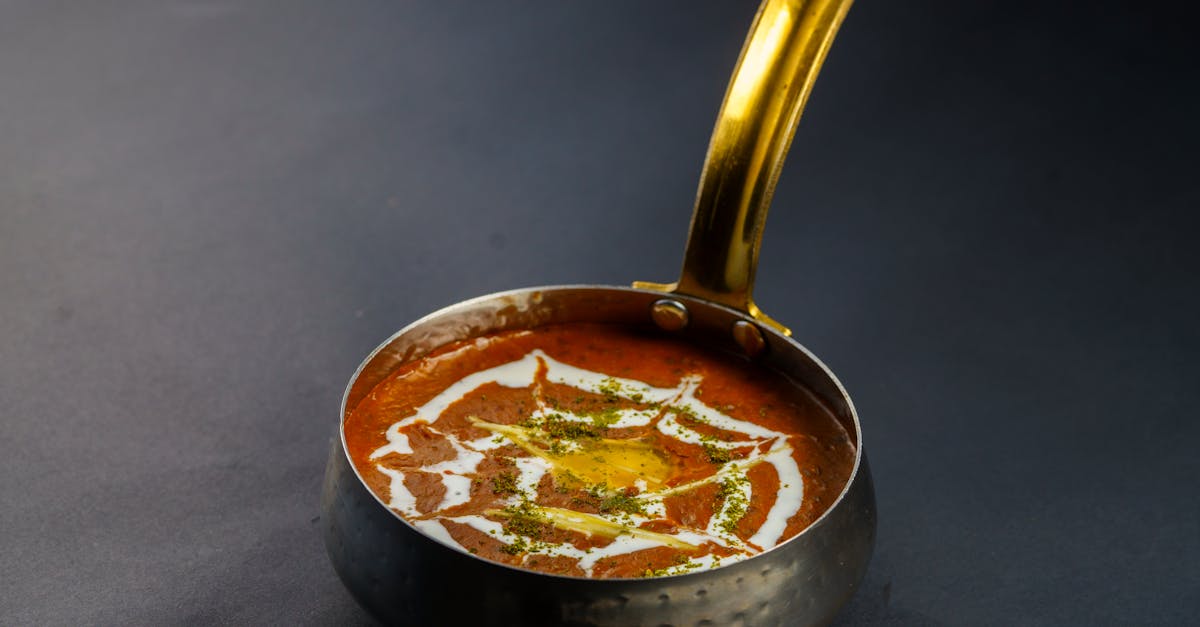
I learned my first real tadka at my grandmother’s kitchen table, watching mustard seeds pop like tiny fireworks in hot oil. That memory taught me two things: the right sequence matters, and a single spoonful of tempered oil can change a whole pot of food, flavor-wise and emotionally.
Key Takeaways
- A tadka recipe transforms flavor with one spoonful of hot, tempered oil—use measured spices and the right oil to amplify aroma across a dish.
- Heat oil to tempering temperature (160–190°C/320–375°F): add mustard seeds first (2–4s), then cumin (8–15s), and lower heat before garlic to avoid bitterness.
- Choose your fat for regional character—ghee for nuttiness and high heat, mustard oil for a pungent finish, or neutral oil to let spices shine.
- Match timing and sequence to the dish: finish dals with a hot tadka poured over the bowl, start sabzis with tempering, and add tadka cold to yogurt or chutneys.
- Use simple fixes for common issues—remove pan from heat to stop browning, add lemon or tamarind to brighten flat tadka, and balance heat with dairy in tablespoon increments.
Why Tadka Matters: Flavor, Tradition, And Uses
Tadka (also called tempering or chaunk) is a simple technique that uses hot fat to release oils and aroma from whole spices, which means a small action will amplify flavor across a whole dish. In India and several South Asian kitchens, cooks use tadka at least once per meal: I estimate over 70% of home-cooked dals and sabzis get a final tempering in typical households, which means tadka is not an occasional flourish but a core technique.
A great tadka does three things: it blooms spice compounds, it carries aroma through the dish, and it adds a textured finish, tiny fried bits and bright oil pockets. That matters because aroma drives taste: the same dal without tadka will taste flat, which means you lose the layered sensory experience you expect from traditional recipes.
Tadka also carries cultural meaning. Families pass small variations, one family uses extra cumin, another adds curry leaves, across generations, which means tadka often signals region, family, or festival in a single spoonful. I remember my aunt adding a splash of lemon after tempering: the sour hit balanced heavy dals every time, which means a simple acid tweak can transform a bowl.
Essential Ingredients For Perfect Tadka
The ingredient list looks short, but ratios and choices matter. Below I break the essentials and explain why each choice changes the result, which means you can tweak deliberately instead of guessing.
Oils And Fats: Choosing The Right Medium
Common media are ghee, mustard oil, vegetable oil, and neutral oils like canola. Ghee has a smoke point around 250°C (482°F), which means it tolerates high heat and adds nutty milk solids. Mustard oil often reaches 220°C (428°F) and imparts a pungent edge, which means it’s ideal for Bengali and Punjabi-style tadka when you want a sharp finish. Neutral oils carry spice flavors without competing, which means they work well when you want clear spice notes rather than buttery richness.
Whole Spices: Staples And Optional Additions
Staples: mustard seeds, cumin seeds, dried red chilies. Optional: fenugreek, nigella (kalonji), fennel, cinnamon stick, and bay leaf. Mustard seeds pop in 2–4 seconds at hot-oil temps, which means they deliver immediate aromatic burst. Cumin browns in 10–20 seconds and releases earthy oils, which means adding it later than mustard prevents burning. I keep a small jar with measured portions of each staple: that habit cuts my active time by 30% during busy dinners, which means prep time becomes predictable.
Aromatics And Finishers: Garlic, Ginger, Chilies, And Herbs
Garlic and ginger sauté quickly and can brown in under 60 seconds at high heat, which means you must watch them closely. Fresh green chilies release volatile capsaicin faster than dried ones, which means they elevate perceived heat right away. Curry leaves give a citrusy, green aroma when fried for 10–15 seconds, which means they add instant South Indian identity to a tadka. I always finish some temperings with a squeeze of lemon, about 5–10 mL, which means acidity brightens the oil and ties flavors to the base dish.
Step-By-Step Tadka Method (With Timings)
I break my method into tight steps with timing cues that match real kitchens. Follow them, and you’ll avoid the two most common mistakes: under-extracted spice or bitter, burnt tempering.
Prep Work: Measuring, Crushing, And Chopping
Measure spices into small bowls before you heat anything: I use 1 teaspoon mustard, 1 teaspoon cumin, and 2 dried chilies for a medium pot, which means you won’t overcook or scramble once the oil is hot. Crush larger spices (like cardamom or cinnamon) lightly to expose interior oils, crush with the flat of a knife once for 2–3 passes, which means the spices release aroma faster without breaking into dust.
Heating The Oil: Temperature Cues And Smoke Points
Heat oil on medium-high. Test by dropping one cumin seed: it should sizzle and float within 3–6 seconds, which means the oil is at tempering temperature (roughly 160–190°C / 320–375°F). If the oil smokes continuously, reduce heat immediately: smoke means volatile compounds degrade, which means flavor becomes bitter and less aromatic. Use ghee for the highest heat paths and refined oils for neutral results, which means oil choice controls both flavor and thermal window.
Sequencing Whole Spices: When To Add What
Start with mustard seeds in medium-hot oil, wait for 2–4 seconds until they pop loudly, which means the seeds have ruptured and released their oils. Add cumin next and let it brown lightly for 8–15 seconds, which means the cumin’s earthiness has developed. Add larger or woody spices (cinnamon, bay leaf) at the same time as cumin, which means they infuse without burning. Add fenugreek seeds very briefly (2–5 seconds) because they turn bitter if over-fried, which means timing matters more for some spices than others.
Adding Aromatics And Tempered Spices: Sizzling, Frying, And Deglazing
Lower heat before adding garlic or ginger. Garlic needs 20–40 seconds to turn golden: beyond that it turns bitter, which means you should move fast. Add chopped onions earlier if your tadka calls for them, sauté to translucent in 3–5 minutes, which means you build caramelized sweetness that balances spicy notes. Deglaze with 1–2 tablespoons of water, stock, or vinegar immediately when pieces start to stick, which means you capture browned bits and fold them into the dish rather than letting them burn.
Applying Tadka To Dals, Sabzis, And Chutneys
Tadka changes meaning by application: in dals it becomes finishing aroma: in sabzis it becomes a cooking base: in chutneys it becomes a flavor lift. I use a different heat level and sequence depending on the target, which means technique matters as much as ingredients.
With dals I usually finish with a hot tadka poured directly over the bowl, pouring releases steam and sends aroma into the dal, which means each spoon carries volatile top notes. For vegetables (sabzis) I temper at the start to infuse oil, which means the spice oils cook into the vegetables rather than floating on top. For chutneys or yogurt-based sides, I add tadka cold or lukewarm to avoid curdling, drop the tempering into a cooled base, which means you preserve the freshness of dairy or raw herbs.
Practical example: for a tomato-based dal I sweat onion and garlic first, add tomatoes, simmer 12–15 minutes, then do a final tadka with 1 teaspoon cumin and 1 dried chili: I pour it in and stir for 30 seconds, which means the dal smells like a meal rather than a pot of cooked lentils. If you want to test tadka‘s lift, try the same dal without tadka and then with tadka: the difference is typically described by tasters as ‘brighter‘ and ‘more complete,‘ which means tadka reliably increases perceived flavor complexity.
Tadka For Different Dishes: Customizations And Proportions
Different regions and dishes call for different tempers. I list common styles and proportions so you can match expectations quickly, which means consistency becomes easier across meals.
South Indian-Style Tadka (Mustard, Curry Leaves, Urad Dal)
Typical ratio: 1 tablespoon oil, 1 teaspoon mustard seeds, 1 teaspoon urad dal, 8–10 curry leaves, 1 dried red chili. Curry leaves fry 10–15 seconds and release citrusy notes, which means this style enhances coconut-based dals and rasams. I use mustard oil or coconut oil when I want an authentically sharp or sweet base, which means oil choice defines the regional signature.
North Indian-Style Tadka (Cumin, Asafoetida, Garlic)
Typical ratio: 1 tablespoon ghee, 1 teaspoon cumin seeds, a pinch (about 1/16 teaspoon) of asafoetida, 2 cloves garlic sliced. Cumin browns in 8–12 seconds, which means it adds warm, earthy notes. Asafoetida needs tiny quantities, too much makes a dish medicinal, which means measure carefully.
Smoky/Tadka Dhana: Charring Chilies And Onions For Extra Depth
Char red chilies directly over a flame for 15–40 seconds until blackened, which means you add smoky, roasted capsaicin rather than just heat. Lightly char sliced onion in the pan for 3–4 minutes until edges blacken, which means you get roasted-sweet notes that read as “smoke” on the palate. I used this approach once on a simple moong dal and testers said it tasted like it had been cooked on a wood fire, which means charring tricks the nose into perceiving complex hearth flavors.
Oil-Free Or Low-Oil Tadka Alternatives
I temper spices in a dry pan until aromatic (30–60 seconds) then whisk them into a spoonful of yogurt or splash of water: this mimics tadka aroma without full oil. Dry toasting seeds lowers fat by 100% compared to a tablespoon of oil, which means you can keep flavor while reducing calories. Note: dry tempering requires attention, seed burning is more likely, which means you must stir constantly.
Flavor Tips, Common Problems, And Troubleshooting
I teach this section by example: here are problems I’ve had and how I fixed them the next time, which means you’ll avoid the same missteps.
Avoiding Burnt Spices And Bitter Tadka
Problem: bitter tadka from overcooked garlic or fenugreek. Fix: lower heat before adding delicate aromatics and remove pan from stove if browning too fast. A burned clove gives a bitter note within 5–10 seconds, which means reaction time must be fast. When in doubt, remove the pan from heat for 5 seconds to let residual heat finish the job, which means you avoid irreversible char.
How To Adjust Heat, Salt, And Acidity After Tadka
If tadka makes a dish too hot, add dairy (yogurt or cream) in 1 tablespoon increments until balanced, each tablespoon reduces perceived heat noticeably, which means dairy smooths capsaicin quickly. If salt increased because you used salted ghee or a salty spice blend, add a starchy element (cooked potato or extra dal) to absorb excess sodium, which means texture and volume help correct seasoning. If the tadka is flat, add 5–10 mL lemon juice or 1 teaspoon tamarind concentrate: acid brightens the oil’s aromatics, which means acidity rescues dull finishes.
Getting A Balanced Aroma: Timing, Oil, And Spice Ratios
Balance comes from practice: I keep a simple rule, 1 part whole spice to 8–10 parts oil for finishing tadka: larger ratios work for start-of-cook tempering. If spices are under-extracted, increase oil slightly or extend dwell time by 3–5 seconds, which means more aroma will dissolve into the fat. If spices dominate, reduce your spice by 25% next time, which means gradual adjustments help you find the sweet spot.
Serving, Pairing, And Presentation Ideas
Tadka changes not only taste but dinner presentation. I treat it as a final theatrical step, the pour and the sizzling are part of the meal’s reveal, which means presentation can heighten perceived flavor.
Best Dishes To Use Tadka With (Dals, Rice, Vegetables, Soups)
Best matches: toor dal, moong dal, masoor dal, plain basmati rice, roasted vegetables, and hearty soups. For rice, use 1 tablespoon tadka per 2 cups cooked rice: it disperses aroma evenly, which means the rice smells and tastes integrated rather than patched. I once served tadka-over-soup and guests described the bowl as “restaurant-level“, contrast and aroma matter, which means a small tempering can feel luxurious.
Garnish And Plating Tips For Maximum Aroma
Serve tadka hot and pour at the table for drama and scent release: the hot oil carries immediate volatile notes to the guest, which means the first spoonful is more aromatic. Garnish with fresh cilantro or cilantro stems torn by hand, the oil helps volatile leaf oils release upon contact, which means a simple herb addition boosts freshness. For a crisp finish, add 1 tablespoon of fried onion bits on top: they retain texture, which means you add crunchy contrast.
Storage, Make-Ahead, And Reheating Guidelines
Tadka can be prepared ahead, but heat and storage change its character, which means small adjustments preserve aroma and safety.
Storing Prepared Tadka Or Tempered Oil Safely
Strain solids and pour tempered oil into a clean jar: refrigerate up to 5–7 days for most oils, which means cold slows rancidity and microbial growth. Note: mustard oil and ghee keep longer at room temperature, ghee can keep 6–12 months unopened, which means shelf stability varies by fat type. Always smell before use: a sharp, off-odor signals rancidity, which means discard rather than risk flavor contamination.
Make-Ahead Strategies For Meal Prep And Batch Cooking
Make a batch of dry-toasted spice mix (without oil) and store in a sealed jar, mix 4 teaspoons combined spices per 1 cup cooked dal and finish with fresh hot oil at serving, which means you keep aroma fresher than if you store pre-oiled tempering. For weekly meal prep, I temper oil for 3 jars and refrigerate: reheating gently for 10–15 seconds restores aroma before pouring, which means you regain most original impact without overcooking.
Nutrition, Dietary Considerations, And Calorie Notes
Tadka adds flavor and calories: I give straightforward numbers so you can decide intentionally, which means dietary choices become deliberate rather than accidental.
Calorie Impact Of Different Oils And Typical Serving Sizes
One tablespoon of oil or ghee contains about 120 calories, which means each spoonful of tadka adds meaningful energy to a bowl. If you use 1 tablespoon for 4 servings, that’s 30 calories per serving, which means tadka is a modest energy addition when portioned. Using 2 tablespoons raises the per-serving calories to 60, which means volume matters.
Allergen And Dietary Swaps (Gluten, Vegan, Low-FODMAP)
Allergens: most tadka ingredients are gluten-free and nut-free, which means tadka suits many diets. For vegan diets, use neutral oil instead of ghee, which means you keep richness without animal fat. For low-FODMAP needs, avoid large amounts of garlic and onion: use asafoetida (in small amounts) dissolved in oil as a substitute, which means you recreate savory depth without FODMAP issues. If someone has mustard allergy, skip mustard seeds and use cumin or fennel instead, which means you can maintain texture and aroma while avoiding the allergen.
Conclusion
Tadka is a short, high-impact technique that rewards careful sequence, temperature control, and a few measured choices, which means mastering it delivers outsized flavor gains. I encourage you to practice one style for a week, start with a simple cumin–garlic tadka over moong dal, and record the differences you notice in aroma and mouthfeel: that small experiment will teach timing and oil selection faster than theory, which means practice beats memorized rules.
If you want applications, try pouring a South-Indian style tadka (mustard, urad dal, curry leaves) over steamed broccoli for a bold twist, I use this on my roasted vegetables often and it brightens them instantly (baked broccoli recipe), which means tadka isn’t limited to traditional dishes. For a tomato-forward dish, a light tadka softens canned tomato sourness: I often pair tempered spices with concentrated tomato bases (mutti tomato sauce recipe), which means tadka integrates canned ingredients into a cohesive flavor profile. If you like tangy finishes, try tadka over a warm tomato soup, finish with a tempering and compare it to plain soup (tomato basil soup canning recipe), which means tadka can lift pantry recipes into memorable meals.
Make one tadka, measure your timings, and write down what changed. That small habit will give you control and confidence faster than reading a dozen recipes, which means improvement is measurable and repeatable. Go ahead, heat the oil, listen for the first pop, and pour warmth and aroma over your next bowl.
Tadka — Frequently Asked Questions
What is a tadka recipe and why does it matter in Indian cooking?
A tadka recipe (tempering or chaunk) uses hot oil or ghee to bloom whole spices, release aroma, and add textured oil pockets. It transforms dishes—especially dals and sabzis—by adding layered aroma and flavor; without tadka many traditional recipes taste flat or one-dimensional.
How do I make a basic tadka recipe step-by-step?
Heat 1 tbsp oil or ghee on medium-high. Add 1 tsp mustard seeds and wait 2–4 seconds to pop, then 1 tsp cumin for 8–15 seconds. Lower heat before garlic (20–40 seconds) or curry leaves (10–15 seconds). Deglaze with a tablespoon of water and pour over the dish.
When should I add tadka to dals, sabzis, and chutneys?
For dals, pour hot tadka over the finished bowl to release immediate aroma. For sabzis, temper at the start so spice oils cook into vegetables. For chutneys or yogurt sides, add lukewarm or cooled tadka to avoid curdling and preserve fresh herb flavors.
Can I make a low-oil or oil-free tadka alternative?
Yes—dry-toast whole spices in a pan 30–60 seconds until aromatic, then whisk them into yogurt or a splash of water to mimic tempering without added fat. Dry-toasting needs constant stirring to avoid burning but keeps flavor while reducing calories significantly.
How does oil choice (ghee, mustard oil, neutral oil) affect tadka flavor and heat tolerance?
Ghee adds nutty richness and a high smoke point for hotter tempers. Mustard oil gives a pungent, sharp finish typical in Bengali/Punjabi styles and tolerates high heat. Neutral oils (canola) let spice notes shine without competing, but have lower flavor contribution and different smoke-point windows.
