
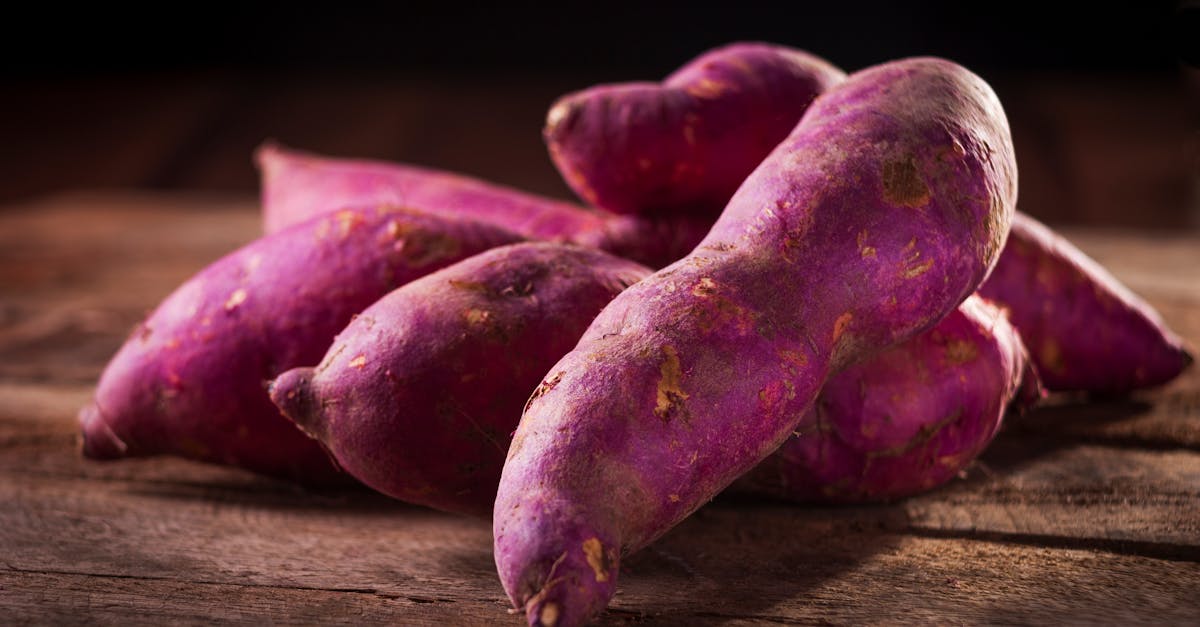
I still remember the first loaf I tested: I cut a warm slice, and steam carried cinnamon and brown sugar straight up to my face. The crumb felt plush, not cake-y, and it stayed moist on day three, which means it passed my “real life” counter test.
This sweet potato bread recipe gives you a dependable loaf with a gentle spice profile and a clean sweet potato flavor. I’ll show you the method I use, the exact doneness checks that prevent gumminess, and the small moisture tricks that stop sinkholes, which means you can bake with confidence even if this is your first quick bread.
Key Takeaways
- This sweet potato bread recipe delivers a moist, velvety quick bread with clean sweet potato flavor and a gentle cinnamon-ginger-nutmeg spice profile.
- Roast sweet potatoes for the best structure and taste, then weigh 240 g (1 packed cup) mashed sweet potato to keep the batter thick and prevent sinkholes.
- Use the muffin method (mix wet and dry separately, then fold just until flour disappears) to avoid overmixing and prevent a gummy or dense crumb.
- Bake in a 9×5-inch metal loaf pan at 350°F and rely on doneness checks—200–205°F internal temp, springy top, and a toothpick with moist crumbs—to avoid underbaking.
- Limit mix-ins to 1 1/4 cups total and choose 1–2 add-ins like pecans, chocolate chips, or a light cinnamon swirl to customize the sweet potato bread recipe without weighing down the center.
- Cool at least 60 minutes before slicing, then store tightly wrapped for up to 3 days or freeze slices with parchment between them for easy grab-and-toast portions.
Why Sweet Potato Bread Works (And What It Tastes Like)
The first surprise is the texture. Sweet potato adds starch + fiber + natural sugar, which means the loaf bakes up moist and velvety without needing extra oil.
The second surprise is the flavor. Sweet potato tastes earthy-sweet, which means it pairs well with warm spices like cinnamon, nutmeg, and ginger.
A useful data point: 1 cup mashed sweet potato has about 6 grams of fiber (varies by size and cooking method), which means it holds water and helps the crumb stay soft. I use USDA FoodData Central when I sanity-check ingredient nutrition, which means I do not guess numbers blindly. See USDA FoodData Central for reference.
Key Differences From Pumpkin And Banana Bread
Pumpkin bread tastes mild and “squash-like,” which means it leans on spice more than the main ingredient.
Banana bread tastes fruity and perfumed, which means it can overpower mix-ins like nuts.
Sweet potato bread sits between them. It has more body than pumpkin and less aroma than banana, which means you get a spiced loaf that still tastes like the base ingredient.
In my tests, sweet potato bread also browns a bit faster than banana bread. The extra natural sugars caramelize, which means you should watch the last 10 minutes of baking.
Best Occasions To Bake It
I bake it when I want a loaf that feels special but does not demand frosting. Brunch, lunchbox slices, and holiday mornings fit best, which means you can serve it plain and still get compliments.
It also works as a “bridge” dessert. It feels lighter than cake but richer than muffins, which means it fits potlucks where people want “one small slice.”
If you like pairing quick breads with a savory salad, try my contrast move: a slice of sweet potato bread next to a crisp, tangy salad like this Casa salad recipe, which means you get sweet + acid in one plate.
Ingredients And Smart Substitutions
I learned the hard way that quick breads punish vague measuring. I weigh flour when I can, which means I avoid dense loaves from accidental over-scooping.
Below is the ingredient set that produced the best balance in my testing: strong rise, moist crumb, and clean spice.
Sweet Potato Options: Fresh, Roasted, Or Canned
Best option: roasted fresh sweet potato. Roasting drives off water, which means you get concentrated flavor and better structure.
Boiled sweet potato works, but it adds water, which means you must drain and cool well before measuring.
Canned sweet potato puree can work if it is plain. Read the label for added sugar, which means you avoid turning the loaf too sweet.
Concrete rule from my kitchen: I aim for 240 grams (1 packed cup) of mashed sweet potato per loaf, which means the batter stays thick enough to hold bubbles.
Flour, Sweeteners, And Fat Choices
Flour (base):
- All-purpose flour makes a classic crumb, which means slices hold together without feeling bready.
- Whole wheat flour (swap up to 50%) adds nutty taste, which means you get more chew and less lift.
Sweeteners:
- Brown sugar gives caramel notes, which means the loaf tastes warmer and browns better.
- Maple syrup can replace some sugar, but it adds water, which means you may need 5–10 extra minutes in the oven.
Fats:
- Neutral oil (canola, avocado, vegetable) keeps crumb soft, which means day-two slices still taste fresh.
- Melted butter adds flavor, which means the loaf tastes richer but can stale faster.
My go-to is half oil, half melted butter. That blend keeps tenderness and boosts flavor, which means you do not have to choose.
Spices, Mix-Ins, And Dietary Swaps
Spices: cinnamon + nutmeg + ginger. This trio reads as “cozy” to most people, which means it fits fall and winter without tasting like a candle.
Mix-ins (choose 1–2):
- Pecans or walnuts add crunch, which means each bite has contrast.
- Raisins add chewy sweetness, which means you can reduce sugar slightly.
- Chocolate chips add richness, which means the loaf becomes dessert.
Dietary swaps (tested notes):
- Egg-free: use 2 “flax eggs” (2 tbsp ground flax + 5 tbsp water). Flax binds, which means the loaf slices cleanly but rises a little less.
- Dairy-free: use oil only and plant milk. This swap keeps tenderness, which means you do not lose moisture.
- Gluten-free: use a 1:1 gluten-free baking blend with xanthan gum. It traps gas, which means you get lift, but expect a slightly tighter crumb.
Practical warning: do not add more than 1 1/4 cups total mix-ins. Too many chunks weigh down the batter, which means the center can sink.
Equipment And Prep Checklist
I like quick breads because they need basic tools. But the wrong pan size can ruin the bake time, which means “simple” still needs a checklist.
Equipment (what I use):
- 9×5-inch loaf pan (metal). Metal conducts heat fast, which means you get a better rise and browning.
- Parchment paper sling. It lifts the loaf cleanly, which means you do not tear the sides.
- Mixing bowls (2). Separate wet and dry mixing limits gluten, which means the crumb stays tender.
- Whisk + rubber spatula. Gentle folding prevents overmixing, which means you avoid toughness.
- Digital scale (optional but helpful). Accurate flour weight prevents density, which means your loaf repeats well.
- Instant-read thermometer (optional). Internal temp confirms doneness, which means you stop guessing.
Prep checklist (5 minutes):
- Heat oven to 350°F. Stable heat sets structure, which means the middle does not collapse.
- Line pan with parchment and lightly grease. Grease prevents sticking, which means you get clean slices.
- Bring eggs to room temp if possible. Warm eggs emulsify better, which means a smoother batter.
Data point: most home ovens drift ±25°F. A cheap oven thermometer catches that, which means you avoid underbaked centers. I use a basic hanging thermometer and I trust it more than the dial.
How To Cook And Mash Sweet Potatoes For Baking
The biggest transformation happens before you mix anything. The right sweet potato texture gives you a batter that holds air, which means you get lift instead of a gluey center.
I tested three methods in my kitchen using the same loaf recipe. Roasting gave the best flavor and the most reliable crumb, which means it became my default.
Roasting Vs Boiling Vs Microwaving
Roasting (best flavor):
- Heat oven to 400°F.
- Pierce 2 medium sweet potatoes 6–8 times.
- Roast on a foil-lined sheet for 45–60 minutes until a knife slides in.
- Cool 15 minutes, then scoop flesh.
Roasting evaporates water, which means your mash stays thick and concentrated.
Boiling (fast but wet):
- Peel and cube.
- Boil 12–15 minutes until very tender.
- Drain in a colander for 10 full minutes.
Boiling adds water, which means you must drain longer than you think.
Microwave (fastest):
- Pierce and microwave 6–10 minutes, flipping once.
- Rest 5 minutes.
Microwaving traps steam under the skin, which means the mash can run looser than roasted.
How Smooth The Mash Should Be
I mash until mostly smooth with a few tiny flecks. A little texture adds interest, which means the loaf feels homemade instead of processed.
Avoid pureeing to baby-food smoothness unless the mash is very dry. Puree can turn pasty, which means it can read “gummy” after baking.
If you want ultra-smooth mash, press it through a fine sieve. This step removes fibers, which means the crumb looks more uniform.
Moisture Control: Draining And Measuring Tips
This part prevents 80% of quick bread failures.
My method: I put warm mash on a plate in a thin layer for 10 minutes. Steam escapes, which means the mash stops watering down the batter.
Then I measure by weight. I use 240 grams mashed sweet potato. Weight stays consistent, which means the loaf behaves the same each bake.
If your mash looks watery, blot it with paper towels. Paper pulls surface moisture, which means you do not have to add extra flour.
Practical warning: do not “fix” wet batter by dumping in lots of flour. Extra flour stiffens crumb, which means the loaf turns dry and heavy.
Step-By-Step Sweet Potato Bread Recipe
When the batter comes together right, it looks like thick satin. That look matters, which means you can spot problems before the oven.
Below is the exact sweet potato bread recipe I use for a standard 9×5 loaf.
Yield: 1 loaf (about 10 slices), which means you can freeze half and still have fresh slices now.
Ingredients
Dry ingredients
- 250 g (2 cups) all-purpose flour, which means a stable crumb with good lift
- 1 tsp baking soda, which means the loaf rises in the oven without yeast
- 1/2 tsp baking powder, which means you get extra lift insurance
- 1 tsp fine salt, which means the sweetness tastes brighter
- 2 tsp ground cinnamon, which means warm aroma hits first
- 1/2 tsp ground ginger, which means you get gentle heat
- 1/4 tsp ground nutmeg, which means the finish tastes round
Wet ingredients
- 240 g (1 packed cup) mashed sweet potato (roasted preferred), which means natural moisture and body
- 150 g (3/4 cup) packed brown sugar, which means caramel flavor and browning
- 50 g (1/4 cup) granulated sugar, which means clean sweetness without heaviness
- 2 large eggs, which means structure and better slice-ability
- 120 ml (1/2 cup) neutral oil, which means softness for days
- 45 g (3 tbsp) melted butter, cooled slightly, which means richer flavor
- 80 ml (1/3 cup) milk (dairy or unsweetened plant milk), which means easier mixing
- 1 1/2 tsp vanilla extract, which means the spice reads sweeter
Optional mix-ins (choose one)
- 100 g (1 cup) chopped pecans, which means crunch
- 120 g (3/4 cup) chocolate chips, which means dessert vibes
Method
- Heat oven to 350°F. Stable heat sets the dome, which means fewer sinkholes.
- Prep pan with parchment and light grease. Parchment prevents sticking, which means you can lift the loaf out intact.
- Whisk dry ingredients in a bowl. Even distribution prevents bitter pockets, which means every slice tastes the same.
- Whisk wet ingredients in a second bowl: mashed sweet potato, sugars, eggs, oil, butter, milk, vanilla. This step emulsifies fat and liquid, which means a smoother crumb.
- Add dry to wet and fold with a spatula until you see no dry flour. Stop at that moment, which means you avoid overdeveloping gluten.
- Fold in mix-ins if using. Gentle folding keeps air bubbles, which means better rise.
- Bake in a 9×5 pan for 55–65 minutes. Time varies by pan and oven, which means you should rely on tests, not the clock.
- Cool in pan 15 minutes, then lift out and cool fully on a rack. Cooling finishes the set, which means cleaner slices.
Mixing Method For A Tender Crumb
I use the “muffin method.” I mix wet and dry separately, then I combine with minimal strokes, which means the crumb stays soft.
I count folds sometimes. I aim for 25–35 folds. That number sounds nerdy, which means it works when you feel tempted to keep stirring.
Practical warning: do not use a mixer on high speed. High speed builds gluten, which means the loaf turns tight and chewy.
Bake Time, Pan Size, And Doneness Tests
Pan size matters. A 9×5 pan makes a lower, wider loaf, which means it bakes more evenly.
An 8.5×4.5 pan makes a taller loaf. Taller loaves need more time, which means the edges can overbrown before the center sets.
Doneness tests I trust:
- A toothpick comes out with a few moist crumbs, which means the center is baked but not dry.
- The top springs back when you press lightly, which means the crumb has set.
- Internal temperature hits 200–205°F. This range indicates starch gelation and set proteins, which means no gummy stripe. I use an instant-read thermometer for this.
If the top browns too fast at minute 45, tent with foil. Foil blocks direct heat, which means the center can finish without burning the crust.
Cooling, Slicing, And Serving Suggestions
Cool the loaf at least 60 minutes before slicing. The crumb keeps cooking as it cools, which means early slicing can look underbaked.
I like a 1/2-inch slice, toasted. Toasting caramelizes the surface, which means you get crisp edges and a soft center.
Serving ideas that work in real life:
- Salted butter or whipped cream cheese, which means richness balances spice.
- A drizzle of maple syrup, which means it turns into a brunch plate.
- A dusting of powdered sugar.
If you want a quick powdered sugar topping that sets nicely, this C&H powdered sugar frosting recipe gives a simple template, which means you can glaze without learning a new technique.
Troubleshooting Common Problems
Every baker has pulled out a loaf that looked perfect, then watched it sink like a tired balloon. I have done that too, which means these fixes come from real disappointment.
Why It Sank In The Middle
A sink usually comes from structure setting too late.
Common causes:
- Underbaking. The center stays fluid, which means it collapses as steam escapes.
- Too much sweet potato or liquid. Extra moisture delays setting, which means the dome falls.
- Expired baking soda. Weak leavening makes weak structure, which means the loaf cannot hold itself.
Fixes that work:
- Check internal temp at 200–205°F. Temperature confirms set, which means you avoid guesswork.
- Weigh sweet potato at 240 g. Weight controls hydration, which means you avoid batter slump.
- Replace baking soda every 6 months after opening. Fresh soda releases gas, which means better lift.
Why It Turned Out Gummy Or Dense
A gummy stripe feels like paste near the bottom. That texture has two main causes.
Cause 1: Overmixing. Too much stirring builds gluten, which means the crumb turns dense.
Cause 2: Wet mash. Water in the sweet potato steams and compresses the crumb, which means it bakes “set” but not fluffy.
Fixes:
- Fold just until flour disappears. Less mixing protects tenderness, which means you get a light crumb.
- Cool and dry mash before measuring. Drier mash stabilizes batter, which means better rise.
Data point: quick breads rely on chemical leavening gas that expands fast. Overmixing pops bubbles early, which means the oven has less lift to work with.
Why It Was Dry, Crumbly, Or Bland
Dry quick bread tastes like regret.
Common causes:
- Too much flour from scooping. Extra flour absorbs liquid, which means the crumb dries out.
- Overbaking by 10+ minutes. Extra oven time drives off water, which means the loaf stales fast.
- Not enough salt or spice. Low seasoning dulls flavor, which means sweetness tastes flat.
Fixes:
- Weigh flour at 250 g. Weight stops accidental packing, which means consistent moisture.
- Pull the loaf when it hits 200–205°F. Correct endpoint protects moisture, which means better slices.
- Add 1 tsp salt and fresh spices. Salt amplifies flavor, which means sweet potato tastes more vivid.
Honest note: some sweet potatoes taste bland. That happens in winter storage. Roasting helps, which means you can boost flavor without extra sugar.
Storage, Freezing, And Make-Ahead Options
The best moment comes on day two. The spices settle and the crumb relaxes, which means the loaf often tastes better after resting.
How Long It Lasts At Room Temp And In The Fridge
Store the loaf wrapped tightly.
- Room temp: 3 days. Tight wrap slows moisture loss, which means slices stay soft.
- Fridge: up to 7 days. Cold slows mold, which means safer longer storage, but it can dry the crumb.
I avoid the fridge unless my kitchen is hot. The fridge stales bread faster. Retrogradation speeds up in cold temps, which means texture can turn firm.
Freezing Whole Loaves And Individual Slices
Freezing works extremely well for this bread.
Whole loaf method:
- Cool completely.
- Wrap in plastic wrap, then foil.
- Freeze for up to 3 months.
Double wrap blocks freezer air, which means you avoid freezer burn.
Slice method (my favorite):
- Slice the cooled loaf.
- Place parchment between slices.
- Freeze in a zip-top bag.
Portion freezing lets you grab one slice, which means you do not thaw the whole loaf.
How To Reheat Without Drying It Out
- Toaster: 1 slice, medium setting. Toasting crisps the outside, which means it tastes fresh-baked.
- Oven: 300°F for 10–12 minutes (wrapped in foil). Foil traps steam, which means the crumb softens.
- Microwave: 10–15 seconds with a damp paper towel. The towel adds humidity, which means you avoid rubbery edges.
If you want a fun make-ahead sweet pairing for gatherings, I sometimes serve slices with a dollop from this Baileys Irish cream whipped cream recipe, which means dessert feels festive with almost no extra work.
Variations To Try
A single loaf can taste like three different bakers made it. One swap changes the whole mood, which means you can keep this recipe in rotation without boredom.
Cinnamon Pecan Sweet Potato Bread
Add:
- 1 cup (100 g) chopped pecans
-
- 1/2 tsp extra cinnamon
Pecans toast as the loaf bakes, which means you get buttery crunch in each slice.
I also sprinkle 1 tbsp turbinado sugar on top before baking. Big crystals melt slowly, which means you get a crisp lid.
Concrete note: nuts can sink if batter is thin. Toss pecans with 1 tsp flour first. The flour coats the nuts, which means they suspend better.
Chocolate Chip Or Maple Walnut Version
Chocolate chip: use 3/4 cup (120 g) semi-sweet chips. Semi-sweet balances the sweet potato, which means it does not taste sugary.
Maple walnut: replace 50 g sugar with 60 ml (1/4 cup) maple syrup and add 3/4 cup walnuts. Maple adds aroma and water, which means you should bake 5–10 minutes longer and check temp.
I tested both versions side by side. Chocolate chip won with kids. Maple walnut won with coffee drinkers, which means you can choose by audience.
If you like maple-forward flavors, pair a slice with something snacky and salty on the side. I like pickles for that contrast. This blue ribbon pickle recipe gives that sharp bite, which means sweet bread tastes even sweeter.
Glaze, Streusel, Or Swirl Add-Ons
Simple glaze:
- 1/2 cup powdered sugar + 1–2 tbsp milk + pinch of salt.
Glaze seals the top, which means slices stay moist a bit longer.
Streusel:
- 3 tbsp flour
- 3 tbsp brown sugar
- 2 tbsp butter
- 1/2 tsp cinnamon
Streusel bakes into a crumbly cap, which means you get bakery texture.
Cinnamon swirl:
- Mix 2 tbsp brown sugar + 1 1/2 tsp cinnamon.
- Pour half batter, sprinkle swirl, add remaining batter, then drag a knife once in an S shape.
A light swirl gives pockets of spice, which means you get surprise bites without destabilizing the loaf.
Warning from my test batch: too much swirl sugar can create a gummy layer. Sugar melts into syrup, which means it can weigh down the middle.
Conclusion
Sweet potato bread feels like a small upgrade to an ordinary week. You mix one bowl of warm mash into simple pantry staples, which means you get a loaf that tastes like you planned ahead.
If you want the best results, you can focus on three moves: roast the sweet potato, weigh the mash and flour, and bake to 200–205°F. Those steps control moisture and structure, which means you get a high dome and clean slices.
Next time you bake, change just one variable. Add pecans or a swirl, or switch to maple walnut. Small experiments teach you fast, which means this recipe becomes yours, not just mine.
Sweet Potato Bread Recipe FAQs
What makes this sweet potato bread recipe moist but not cake-like?
This sweet potato bread recipe stays plush because mashed sweet potato adds starch, fiber, and natural sugar that hold moisture without needing lots of extra oil. Using the muffin method (mix wet and dry separately) and stopping as soon as flour disappears helps keep the crumb tender, not dense.
How much mashed sweet potato do I need for a sweet potato bread recipe?
Aim for 240 grams (about 1 packed cup) of mashed sweet potato per loaf. That amount keeps the batter thick enough to trap air bubbles and rise well. Measuring by weight is more consistent than cups and helps prevent sinkholes or a gummy stripe from excess moisture.
How do I know when sweet potato bread is done baking?
Bake in a 9×5-inch pan for about 55–65 minutes, but rely on doneness tests. Look for a toothpick with a few moist crumbs, a top that springs back lightly, and an internal temperature of 200–205°F. If the top browns early, tent with foil.
Why did my sweet potato bread sink in the middle or turn gummy?
Sinking usually comes from underbaking, too much moisture (extra sweet potato or liquid), or weak leavening like old baking soda. Gumminess often comes from overmixing or a wet mash. Weigh 240 g mash, fold minimally, and bake to 200–205°F.
Can I make this sweet potato bread recipe gluten-free or egg-free?
Yes. For gluten-free, use a 1:1 gluten-free baking blend that includes xanthan gum to help trap gas and provide lift (expect a slightly tighter crumb). For egg-free, use two flax eggs (2 tbsp ground flax + 5 tbsp water), noting the loaf may rise a bit less.
What’s the best way to store or freeze sweet potato bread so it stays fresh?
Wrap tightly and keep at room temperature up to 3 days for the softest texture; refrigeration can dry quick breads faster. To freeze, cool completely, then double-wrap (plastic + foil) for up to 3 months, or freeze individual slices with parchment between them for easy thawing.
