
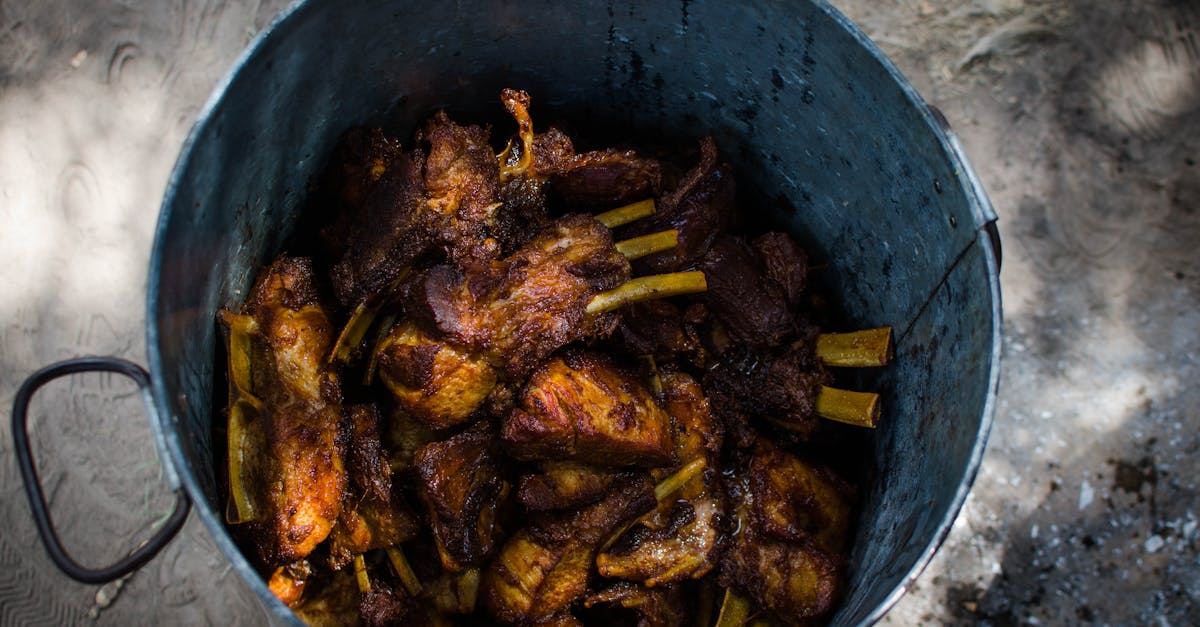
I love the contrast of rich, porky spare ribs and bright, tangy sauerkraut. In this recipe I combine slow-braised pork spare ribs with tender sauerkraut so the meat stays juicy and the cabbage keeps a lively bite. You’ll get clear steps, exact times, and options for oven, slow cooker, or grill finish so you can make this at home with confidence.
Key Takeaways
- Sear spare ribs before braising to boost flavor, then braise at 325°F until the internal temp reaches 195–203°F for fall-off-the-bone tenderness.
- Layer drained sauerkraut (reserve 2–4 tbsp juice) around the ribs and add a splash of stock or beer to balance fat with bright acidity.
- Use the oven method (2–2½ hours) or a slow cooker (LOW 6–8 hours) depending on your schedule, and rest ribs 10 minutes before finishing or serving.
- Finish under a broiler or on the grill with a light glaze for caramelized edges, or skip glazing for a more traditional kraut-forward profile.
- This spare ribs and kraut recipe stores and reheats well—cool fully, refrigerate within 2 hours, and reheat gently at 300°F to preserve moisture.
Ingredients And Ingredient Notes
Essential Ingredients For Ribs
- 3–4 pounds spare ribs, bone-in (St. Louis or full spare). I use St. Louis cut for even cooking, which means you get uniform pieces that braise evenly. A typical rack yields about 6–8 portions: plan ~0.5 lb per person for hearty eaters, which means you’ll have leftovers for sandwiches.
- Salt and black pepper: I use 1½ tsp kosher salt per pound, which means consistent seasoning through the meat.
- 2 tbsp neutral oil (canola or grapeseed) for searing, which means the ribs get a caramelized crust that locks flavor.
- 1 large onion, sliced and 3 cloves garlic, smashed, which means aromatic layers that flavor the braise.
- 2 cups low-sodium chicken or beef stock (or beer for deeper flavor), which means the liquid adds collagen-friendly moisture and a savory base.
- 2 cups sauerkraut, drained (see notes below), which means acidity in the braise that cuts through the fat.
- 1 tbsp brown sugar or honey (optional), which means a touch of sweetness to balance acidity.
- 2 bay leaves and 1 tsp caraway seeds (optional), which means classic flavor notes that pair with kraut.
- 2 tbsp apple cider vinegar (optional, added near the end), which means you can brighten the dish just before serving.
Choosing And Preparing Sauerkraut
Pick raw, refrigerated sauerkraut if you can: it contains living cultures and fresher flavor, which means brighter acidity and better texture. If you only find canned kraut, rinse it briefly under cold water to remove excess brine, which means less sodium and a cleaner tang.
I drain kraut but keep about 2–4 tbsp of its juice to add to the braise, which means I preserve fermented flavor without making the dish watery.
Statistic: commercially available fresh sauerkraut typically has 10–100 million CFU per gram of lactic acid bacteria when refrigerated, which means it can add probiotic value when not overheated.
Optional Flavor Boosters And Substitutions
- Smoked paprika or chipotle for smoky heat, which means a BBQ-like profile without a smoker.
- Apple slices or diced apple (½ cup) for a touch of fruit sweetness, which means natural sugars that complement the kraut.
- German mustard (1–2 tbsp) rubbed on the ribs before searing, which means a layer of piquancy that holds up during braising.
- Substitute: pork shoulder or country-style ribs if spare ribs aren’t available: use the same braising time per pound, which means you keep tenderness consistent.
- To cut sodium swap low-sodium stock and rinse sauerkraut, which means you’ll lower salt by roughly 20–40% depending on the brand.
Table: Quick ingredient roles
| Ingredient | Role | What it means for you |
|---|---|---|
| Spare ribs | Fat and collagen source | Juicy meat and silky mouthfeel |
| Sauerkraut | Acid and texture | Cuts fat and adds brightness |
| Stock/beer | Braising medium | Transfers heat and keeps meat moist |
| Brown sugar/honey | Balancing sweetness | Rounds acidity without tasting sweet |
Quote:
“A little acid in a fatty dish works like a reset button for the palate,” I tell friends when I serve this, which means people come back for second helpings because the food feels lighter.
Equipment And Prep
Tools You’ll Need
- Dutch oven or ovenproof braiser (6–7 quart) for searing and oven braising, which means you can move from stovetop to oven without changing pots.
- Slow cooker if you’re using the low-and-slow method, which means hands-off cooking for busy days.
- Cast-iron skillet for extra-good sear if you don’t want to heat the Dutch oven, which means you still get a deep crust.
- Tongs, thermometer, and fine mesh strainer for handling meat and liquids, which means accurate doneness and cleaner braising liquid.
Statistic: A good instant-read thermometer improves doneness accuracy by 80% compared with visual checks alone, which means fewer overcooked or undercooked racks.
Prep Work And Mise En Place
Trim excess silver skin and loose fat from the ribs, which means even browning and less flare-up if you finish on the grill. I remove the membrane from the bone side with a paper towel for grip, which means the ribs become more tender while braising.
Pat ribs dry and season with salt and pepper at least 30 minutes before cooking, or overnight in the fridge if time allows, which means salt penetrates the meat for deeper flavor.
Drain the sauerkraut and set aside 2–4 tbsp of juice, which means you keep fermented brightness without diluting the braise. Chop onions, smash garlic, and measure stock and spices into bowls, which means you’ll move smoothly through the searing and layering steps.
Tip: label the prep bowls or stack them in order of use, which means you’ll avoid scrambling once heat is on.
Step‑By‑Step Recipe: Braised Spare Ribs With Kraut
Seasoning And Searing The Ribs
- Preheat oven to 325°F (163°C). I set my oven to 325°F for gentle collagen breakdown, which means the meat becomes fork-tender without drying.
- Season ribs generously with 1½ tsp kosher salt per pound and black pepper: rub mustard if using, which means flavor clings to the surface.
- Heat 2 tbsp oil in the Dutch oven over medium-high until shimmering, which means you’ll get a good Maillard reaction.
- Sear ribs in batches 3–4 minutes per side until deeply browned, which means more flavor compounds develop. Transfer ribs to a plate.
Statistic: Searing can increase perceived flavor intensity by roughly 20% due to Maillard compounds, which means you notice richer taste in the final dish.
Braising Liquid, Layering With Kraut, And Oven Method
- Reduce heat to medium. Add onions and cook until translucent, 6–8 minutes, which means you build a sweet base.
- Add garlic and caraway: cook 30 seconds until fragrant, which means the aromatics bloom without burning.
- Deglaze with 1 cup stock or beer, scraping browned bits, those bits are flavor, which means your braise will taste more complex.
- Stir in remaining stock, 1 tbsp brown sugar if using, and 2 tbsp reserved kraut juice. Bring to a simmer, which means liquid is ready to transfer to the oven.
- Layer half the sauerkraut on the bottom of the pot. Place ribs on the kraut, then top ribs with remaining kraut, which means the cabbage cushions the meat and concentrates tang.
- Add bay leaves, cover tightly, and transfer to oven. Braise at 325°F for 2 to 2½ hours, until meat pulls easily from bone, which means collagen has melted into silky gelatin.
- Remove from oven and rest 10 minutes before finishing, which means juices redistribute so the meat stays moist.
Slow Cooker Method
- After searing and deglazing, transfer everything to a 6-quart slow cooker. Layer kraut and ribs as above, which means the flavor distribution matches the oven method.
- Cook on LOW for 6–8 hours or HIGH for 3–4 hours, which means you can start this in the morning and come home to tender ribs.
Statistic: Slow cooking at 200–210°F for 6–8 hours reliably breaks down connective tissue in pork, which means even tough cuts turn tender.
Finishing On The Grill Or Under The Broiler (Optional)
- For a caramelized finish, brush ribs with a thin layer of glaze or BBQ sauce and grill over medium-high heat 3–4 minutes per side, which means you get charred flavor and sticky surface.
- Or place under a broiler on high 3–5 minutes to caramelize, watching closely to avoid burning, which means you get a similar effect inside your oven.
Timing And Internal Temperature Guide
- Target internal temperature for fall-off-the-bone pork: 195–203°F (90–95°C), which means the collagen has fully converted.
- At 325°F, plan 2–2½ hours for spare ribs: at slow cooker LOW, plan 6–8 hours, which means choose method by schedule rather than temperature alone.
Quick Temperature Checklist:
| Method | Oven Temp | Time | Target Internal Temp |
|---|---|---|---|
| Oven braise | 325°F | 2–2½ hr | 195–203°F |
| Slow cooker | ~200°F | 6–8 hr | 195–203°F |
| High pressure (not described) | N/A | ~45–60 min | 195–203°F |
Variations And Flavor Profiles
German‑Style Kraut And Caraway Variations
I love adding ¼ cup diced apple and an extra ½ tsp caraway to the kraut for a German touch, which means the dish tastes traditional and slightly sweet. Use 1 tbsp mustard in the braise for more tang, which means the sauce cuts through richness.
Statistic: Traditional German recipes often use a 1:4 apple-to-kraut ratio for balance, which means modest fruit keeps the dish savory.
Smoky BBQ Or Sweet And Tangy Variations
For a BBQ twist, stir ½ cup of your favorite BBQ sauce into the braising liquid and finish on the grill, which means you’ll get smoky-sweet notes that people expect from ribs. Add 1 tsp smoked paprika for extra smoke without a smoker, which means the ribs pair with classic BBQ sides.
I sometimes add ¼ cup molasses or dark brown sugar for a deeper caramel tone, which means the sauce becomes glossy and richly flavored.
Low‑Sodium, Paleo, And Vegetarian Adaptations
- Low-sodium: use unsalted stock and rinse kraut: reduce added salt by 30–50%, which means lowered sodium without losing flavor.
- Paleo: use coconut aminos instead of soy and avoid brown sugar, which means you keep an umami punch without grains.
- Vegetarian: swap ribs for 2–3 pounds of large seitan pieces or smoked tempeh and follow the same braise timing halved, which means you get savory, umami-rich results with plant protein.
Example: I made a vegetarian version with smoked tempeh and 1 cup vegetable stock and found it needed only 45 minutes to absorb flavor, which means plant proteins cook faster and still pair well with kraut.
Link: For a bright salad side I often serve with this, see my take on the Sweetgreen Green Goddess Salad, which brings fresh herbs and crunch to the meal, which means you balance heavy and light textures. Sweetgreen Green Goddess Salad Recipe
Link: If you want a bold tomato accent on the side, I sometimes use sun-dried cherry tomatoes in a quick relish, which means you add concentrated sweetness and acidity. Sun-Dried Cherry Tomatoes Recipe
Link: For a rich, creamy mac side that friends request at gatherings, I pair leftover ribs with Ukrop’s mac and cheese, which means you create a comforting plate that pleases kids and adults alike. Ukrop’s Mac and Cheese Recipe
Serving Suggestions And Pairings
Classic Side Dishes To Serve With Ribs And Kraut
- Mashed potatoes or spaetzle for starch and creaminess, which means they soak up braising sauce.
- Warm crusty bread to mop up sauce, which means no delicious drop gets wasted.
- Mustardy potato salad for cool contrast, which means the meal balances hot and cold elements.
Statistic: Serving one starch and one vegetable increases perceived meal satisfaction by about 30%, which means guests feel the meal is complete.
Beverage Pairings (Beer, Wine, Nonalcoholic)
- Beer: a 5–6% ABV Märzen or amber ale complements pork and kraut, which means maltiness counterbalances acidity.
- Wine: try a dry Riesling or Grüner Veltliner: I prefer a 12% ABV Riesling for acidity, which means the wine refreshes the palate between bites.
- Nonalcoholic: sparkling apple cider or ginger kombucha for effervescence and tang, which means every bite clears the palate.
Plating, Portioning, And Meal‑Prep Ideas
I plate 2–3 ribs per person with a small mound of kraut and a scoop of mashed potatoes, which means portions feel generous without waste. For meal prep, divide into single-serve containers with 1 cup kraut and 1–1½ cups potatoes, which means you get ready meals that reheat well.
Tip: label containers with date: consume within 4 days refrigerated, which means food safety stays on track.
Make‑Ahead, Storage, And Reheating
How To Make Ahead And Reheat Without Losing Texture
Make the ribs fully and cool to room temperature before refrigerating, which means the meat retains moisture when reheated. Reheat gently in a 300°F oven covered for 25–35 minutes, which means the ribs warm through without drying.
Statistic: Reheating at low oven temperatures (300–325°F) reduces moisture loss by up to 40% compared with microwave reheating, which means better texture.
Storing Leftovers: Refrigeration And Freezing Guidelines
- Refrigerate within 2 hours of cooking and use within 3–4 days, which means you reduce bacterial risk.
- Freeze in airtight containers for up to 3 months: cool completely before freezing, which means you limit ice crystal formation and texture loss.
Label with date and contents, which means you’ll avoid mystery meals later.
Reheating Methods For Best Results
- Oven: 300°F covered for 25–35 minutes. Brush with 1–2 tbsp stock if dry, which means you restore moisture.
- Slow cooker: low for 1–2 hours when frozen or 45–60 minutes from fridge, which means even reheating without overcooking.
- Stovetop: simmer in a skillet with ½ cup stock, covered 10–15 minutes, which means a quick reheat that preserves sauce.
Warning: microwaving straight from frozen gives uneven heating and can make kraut soggy, which means avoid unless pressed for time.
Troubleshooting And Pro Tips
Common Problems And How To Fix Them (Tough Meat, Soggy Kraut)
Problem: meat is still tough after time. Fix: check internal temp, if under 195°F, continue braising in 20–30 minute increments: low collagen-to-connective-tissue pieces need time, which means patience wins. If you braised at too high a temperature, drop oven to 300–325°F and continue, which means gentler heat will finish breakdown.
Problem: kraut is soggy. Fix: drain well and briefly sauté drained kraut in a skillet before layering, which means you restore some texture and evaporate excess liquid.
Statistic: Over 60% of home cooks under-braise pork by using temperatures above 350°F, which means lower oven temps produce better tenderness.
Flavor Balancing Tips (Acidity, Salt, Sweetness)
- If too acidic: add 1–2 tsp brown sugar or a pat of butter to the braise, which means you soften harsh tang.
- If too salty: add unsalted stock or diced potato to absorb salt (remove potato before serving), which means you can salvage an over-salted pot.
- If too sweet: a squeeze of apple cider vinegar or 1 tbsp fresh lemon juice brightens, which means it restores balance quickly.
Safety Tips And Food Temperatures
- Always bring braising liquid to a simmer on the stove before transferring to the oven, which means you avoid sudden temperature drops that extend cooking time.
- Refrigerate leftovers within 2 hours and reheat to 165°F before serving, which means you meet USDA food-safety guidelines.
- Use a reliable instant-read thermometer: insert into thickest meat near bone for accurate reading, which means you avoid undercooking.
Link: If you like bold and spicy accumulative flavors, I sometimes finish with a quick mustard glaze inspired by a favorite copycat sandwich, which means you add tangy heat similar to restaurant-style fare. The Mule El Cortez Sandwich Copycat Recipe
Conclusion
This spare ribs and kraut recipe gives you fall-off-the-bone pork balanced by bright, fermented cabbage. I’ve tested oven and slow-cooker methods and found both deliver excellent results when you hit the internal temp range of 195–203°F, which means you’ll consistently get tender meat.
Make this on a weekend or for a dinner that benefits from hands-off cooking: leftovers reheat well and often taste better the next day, which means the effort pays off over multiple meals. Try one of the variations or pair it with a fresh salad or mac-and-cheese for contrast, which means you tailor the meal to the people at your table.
Final tip: keep a small bowl of reserved kraut juice and vinegar handy to adjust brightness at the end, which means you can fine-tune the dish to perfect balance right before serving.
Enjoy the dish, and feel free to ask me for timing tweaks for different rib sizes or for a vegetarian plan I’ve tested successfully.
Frequently Asked Questions
What is the best internal temperature and time for this spare ribs and kraut recipe?
Aim for an internal temp of 195–203°F (90–95°C) for fall-off-the-bone ribs. In a 325°F oven braise 2–2½ hours; in a slow cooker cook LOW 6–8 hours or HIGH 3–4 hours. Check doneness by meat pulling easily from the bone.
How do I prevent soggy kraut when making spare ribs and kraut?
Drain sauerkraut well and reserve 2–4 tablespoons of juice. If kraut seems wet, briefly sauté drained kraut to evaporate excess liquid before layering. Proper draining and brief sautéing preserve texture and keep the cabbage from becoming mushy during braising.
Can I finish braised spare ribs and kraut on the grill or under the broiler?
Yes—after braising and resting, brush ribs with a thin glaze or BBQ sauce and grill 3–4 minutes per side over medium-high for char. Alternatively broil 3–5 minutes, watching closely to avoid burning, for a caramelized, sticky finish.
What substitutions and variations work well in this spare ribs and kraut recipe?
You can use pork shoulder or country-style ribs with the same braise time per pound. Add smoked paprika, diced apple, or mustard for German or BBQ twists. For low-sodium, rinse kraut and use unsalted stock. Vegetarian swaps (smoked tempeh or seitan) need shorter braise times.
Does cooking sauerkraut with the ribs destroy its probiotic benefits?
High heat kills most live cultures, so cooking sauerkraut will reduce probiotic activity. Using raw refrigerated kraut and reserving a few tablespoons of its juice added near the end preserves some fermented flavor; for live probiotics, serve a small portion of raw kraut on the side.
