
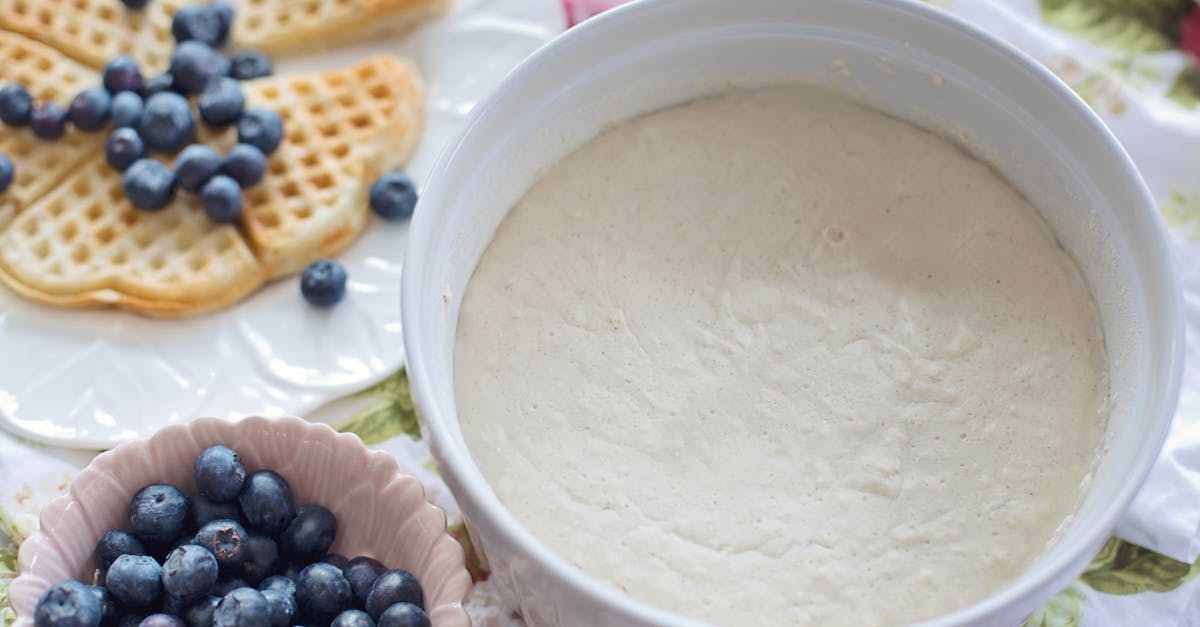
Sourdough starter recipe: I built my first reliably active starter after three tries and one small disaster. I’ll save you time and failed loaves by walking you through exactly what I do, why each step matters, and how to fix common problems. This guide uses clear measurements, simple language, and real numbers so you can make a starter that’s lively, predictable, and ready to bake with in one week.
Key Takeaways
- Follow this sourdough starter recipe using 100% hydration and clear weight ratios (e.g., 1:2:2 feedings) to build a predictable, active starter in about 7 days.
- Begin with part-rye (50 g rye + 50 g water) on Day 1, then discard-and-feed daily, moving to twice-daily 1:2:2 feedings once volume consistently rises and falls to strengthen activity.
- Use filtered room-temperature water, a clear jar with marked levels, and a digital scale to track rises and timing so your starter doubles reliably in 4–8 hours at ~75°F.
- Store refrigerated starters after a peak (feed, wait 4–6 hours) and feed every 7–14 days, or dry/freeze a backup to protect your culture long-term.
- Troubleshoot by adding 25–50% whole-grain flour, raising ambient temperature to 75–80°F, or increasing feeding ratio (e.g., 1:3:3) for stalled activity, and discard immediately if you see pink/orange streaks or fuzzy mold.
What Is A Sourdough Starter And Why It Matters
A sourdough starter is a living mix of wild yeast and beneficial bacteria that ferments flour and water. That means it makes bread rise and gives flavor without commercial yeast.
The starter contains natural yeasts (Saccharomyces and others) and lactic acid bacteria that produce acids and gases. That means your bread gets tang, shelf life, and structure.
Why it matters: a good starter gives steady rise, predictable timing, and complex flavor. Professional bakers and home bakers both rely on starters because they allow fermentation control. For example, a healthy starter can double in size in 4–8 hours at 75°F (24°C), which means you can plan your bake schedule around reliable peaks.
Quick fact: many home bakers keep starter at 100% hydration (equal weight flour and water), which means easier measurement and consistent behavior. I use that as my baseline in this guide.
Essential Ingredients And Equipment
Ingredients list I use every time:
- Flour: Unbleached all-purpose or a mix with whole-grain flour. Whole rye or whole wheat jump-starts fermentation because they contain more wild yeast and nutrients, which means activity appears sooner.
- Water: Chlorine-free, room temperature (65–80°F / 18–27°C). If your tap is chlorinated, use filtered or let water sit uncovered for 1 hour, which means chlorine will dissipate.
Equipment I recommend:
- A clear glass jar (quart-size) with a loose lid or cloth. That means you can see bubbles and avoid pressure build-up.
- A digital scale (grams) for accuracy. That means repeatable feeding ratios.
- A spatula and a marker to note rise levels. That means you can measure growth instead of guessing.
Optional but helpful:
- A thermometer to track ambient temperature. That means you can adjust feedings for warmer or cooler kitchens.
- A jar with 500–750 mL capacity if you bake small batches, which means less waste when discarding.
Example: Using 100% hydration with a 1:2:2 (starter:flour:water by weight) feeding means you’ll feed 20 g starter with 40 g flour and 40 g water. That produces 100 g total and keeps hydration simple.
I link recipes and inspiration from my trial bakes so you can test your starter quickly: try the Zucchini Raisin Bread recipe once your starter is active for practical experience and a warm, reliable loaf.
Step-By-Step Recipe: Create Your Starter (Days 1–7)
I follow a simple, low-fuss seven-day plan that works across climates. I will explain what to do each day, what to expect, and the exact numbers I use.
Day 1: Mix And Begin
- Combine 50 g whole-rye flour with 50 g filtered water in a clean jar. Stir to homogenous paste. Cover loosely.
Why rye? Rye has more enzymes and micronutrients, which means fermentation often starts within 24–36 hours.
Observation and numbers: expect few bubbles and a faint yeasty or fruity smell within 24–36 hours. If you see mold or pink streaks, discard and start over.
Day 2–3: Observe And Continue Feeding
- Day 2: Discard half of the starter (about 50 g) and feed with 50 g all-purpose flour + 50 g water.
- Day 3: Repeat the discard-and-feed routine. Switch to 50% whole grain / 50% all-purpose if you prefer milder flavor.
What you’ll see: by day 3 many starters show 20–50% rise after feeding and small surface bubbles. That means microbes are establishing.
Concrete stat: in my kitchen at 72°F (22°C), my starter shows 30–50% volume increase by 6–8 hours after feeding on day 3. That means you can expect faster activity in warmer environments.
Day 4–6: Strengthening And Peak Activity
- Move to twice-daily feedings if volume consistently rises then falls. Use a feeding ratio such as 1:2:2 (starter:flour:water) by weight.
Why change? Twice-daily feedings limit acid buildup and favor yeast growth, which means a stronger, more predictable rise.
What to watch for: look for consistent doubling in 4–8 hours, a pleasant tangy smell (not sharp rotten), and many visible bubbles. A highly active starter should show a stable peak window of at least 1–2 hours.
Concrete example: I feed 20 g starter with 40 g flour and 40 g water at 8 AM and 8 PM. On day 5 at 72°F, it doubles in 5 hours on average. That means I can plan an afternoon levain build.
Day 7: Ready-to-Use Tests And Signs Of Maturity
- Perform the float test: drop 1 teaspoon of fed starter into room-temperature water. If it floats, it often has enough gas to leaven bread.
- Perform the smell and timing check: a mature starter smells tangy and slightly fruity, and it doubles in 4–6 hours at 75°F (24°C). That means it’s ready to use as a leaven or to build a levain.
If it fails these tests, keep feeding twice daily for 2–3 more days. Many starters need 10–14 days to mature in cool kitchens.
Practical tip: if you want to bake a quick sandwich loaf, build a levain using 30–50 g starter with feedings 8–12 hours before mixing. That means you can convert your active starter into a leaven that fits your recipe schedule.
Feeding, Maintenance, And Scaling Your Starter
A healthy feeding routine keeps your starter lively and predictable. I use clear ratios and short schedules to simplify decision-making.
Feeding Ratios, Schedules, And Hydration Levels
- Common hydration: 100% hydration = equal weight flour and water. That means every 1 g flour gets 1 g water, which simplifies baker’s math.
- Typical feeding ratio for maintenance: 1:5:5 to 1:10:10 (starter:flour:water) if you feed once daily and want longer stability. That means larger feedings dilute acids and refresh microbes.
- Twice-daily active maintenance: 1:2:2 is common when you want quick rising and strong activity, which means the starter will stay vigorous for levain builds.
Specific schedule I use:
- If left at room temperature (70–75°F), I feed twice daily at 12-hour intervals using 1:2:2.
- If stored in the fridge, I feed, let it peak, then refrigerate. I feed every 7–14 days when chilled. That means minimal hands-on time.
Refreshing After Use And Adjusting For Activity
- After using starter in a bake, I discard to leave about 20–30 g, then feed 40–60 g flour and equal water. That means I restore population and keep the jar manageable.
- If activity slows, I increase feeding frequency or switch to part-whole-grain feed for two days. For example, add 20–30% whole wheat for three feedings, which means microbes get more nutrients and activity returns.
Concrete stat: doubling time shortens with temperature: at 80°F (27°C) peak often comes 3–4 hours sooner than at 65°F (18°C). That means adjust feeding schedule by 3–4 hours per 10°F change.
How To Increase Or Decrease Starter Quantity (Scaling)
- To scale up: multiply your ratios. For a 500 g starter maintenance batch at 100% hydration, mix 167 g starter + 167 g flour + 167 g water (1:1:1 roughly), which means you maintain consistent behavior while making more starter.
- To scale down: keep a small discard (10–20 g) and feed modest amounts. That means less waste and faster recovery before bakes.
Pro tip: when scaling for a big bake, build a levain in stages (1:5 then 1:5 again) to avoid large jars and to give microbes time to expand, which means predictable timing and fewer failed builds.
Storing, Dormancy, And Reviving A Starter
Storing your starter correctly saves time and preserves flavor. I choose methods by how often I bake.
Refrigeration Best Practices And Long-Term Storage
- Refrigerated starter: feed, let it peak at room temperature (about 4–6 hours), then place in the fridge with a loose lid. That means you stabilize yeast and reduce feed frequency.
- Feed frequency: fridge-stored starters tolerate 7–14 days between feedings. That means most home bakers only handle starter weekly.
- For very long storage (months), dry a backup or freeze a portion (see below). That means you won’t lose your culture if something goes wrong.
Concrete guideline: I keep refrigerated starter at 40°F (4°C) and feed it at least every 14 days. Starters stored at this temp show minimal activity and retain flavor.
Bringing A Dormant Starter Back To Life
- Remove from fridge, discard down to 20–30 g, and feed 40–50 g flour + equal water. Hold at 75–80°F for best revival.
- Expect 2–3 feedings at 8–12 hour intervals before full strength returns. That means plan 24–48 hours to recover a dormant starter.
Concrete example: I revived a 6-week refrigerated starter with two 1:2:2 feedings: by the third feeding it doubled in 5 hours at 74°F.
Freezing And Drying Starter For Backup
- Drying method: spread a thin layer of active starter on parchment, let it air dry fully (~24 hours), then break into flakes and store in an airtight bag. That means you have a low-maintenance backup.
- Freezing method: freeze 20–50 g of active starter in an airtight container. Thaw and feed twice to reactivate. That means a quick recovery if you lose your main jar.
Storage fact: properly dried starter can remain viable for 6–12 months when sealed and kept dry, which means long-term preservation with minimal risk.
Troubleshooting Common Problems
Mistakes happen. I’ll give clear signs and immediate fixes so you can recover quickly.
No Bubbles, Slow Rise, Or Weak Activity
Symptom: no visible bubbles after multiple feedings.
Fixes:
- Use part-whole-grain flour (25–50% rye or whole wheat) for 48 hours, which means added nutrients spur yeast.
- Increase ambient temperature to 75–80°F, which means faster metabolic rates for microbes.
- Switch to a higher feeding ratio (1:3:3) to give starter fresh food, which means yeast won’t be starved.
Concrete note: if starter shows zero activity after 7 days even though these steps, I usually start fresh: sometimes local microbes are scarce.
Off Smells, Mold, Or Contamination, What To Do
Symptom: pink, orange, or fuzzy mold: sharp rotten smell.
Action: discard the starter and sterilize the jar. That means you avoid health risks.
If the starter smells strongly alcoholic (hooch) but has no pink or fuzzy patches, pour off hooch, discard half, and feed. That means you dilute acidity and restore balance.
Warning: fuzzy mold or colored streaks are contamination signs. Don’t salvage, start over.
Hooch, Separation, And Adjusting Hydration Or Flour Type
Symptom: dark liquid on top (hooch) or watery separation.
What it means: the starter is hungry or refrigerated too long.
Fix: pour off hooch, discard most starter, then feed. Or bring it to room temperature and feed twice in 24 hours. That means you restore activity and reduce acidity.
Hydration tweaks: if your starter is too thin or dense, change water or flour by 5–10 g until it holds small bubbles and looks like thick pancake batter. That means better gas retention in the crumb.
Practical stat: when a starter shows a 20–40% rise after feeding, it’s usable for levain builds even if not yet fully mature. That means you can begin baking while the culture strengthens.
Using Your Starter In Recipes
Once active, your starter becomes a tool for many baked goods. I explain conversions, measurement techniques, and first recipes to try.
Converting Recipes To Use Your Starter (Levain Vs. Direct)
- Levain method: you build a separate lighter dough from your starter to leaven the main dough. That means you control timing and strength independently.
- Direct method: you use the starter straight in the dough without a separate build. That means fewer steps but less predictable fermentation.
Conversion rule: to replace 1 packet (7 g) instant yeast in a recipe that calls for 500 g flour, you often need roughly 150–200 g active starter plus longer bulk fermentation (6–12 hours), which means plan more time.
Measuring Starter For Different Bakes (Baker’s Percentage Tips)
- Use baker’s percentages to scale precisely. Example: a basic sourdough uses 20% starter (based on flour weight). For 500 g total flour, 20% starter = 100 g starter, which means you can predict fermentation strength.
- If you prefer faster fermentation, increase starter to 25–30%. If you want slower flavor development, reduce to 10–15%, which means longer fermentation and more sour notes.
Concrete tip: for beginner loaves I use 15–20% starter with 3–4 hour bulk and 12–16 hour cold proof. That means consistent crumb and flavor without aggressive sourness.
Simple Starter-Based Recipes To Try First
- Basic country loaf (500 g flour, 350 g water, 100 g starter, 10 g salt). That means a 70% hydration dough, good for a first loaf.
- Quick waffle or pancake batter using 100 g active starter mixed into your usual batter. That means you get light, tangy breakfast treats and a use for discard.
- For sweet quickbreads, try my adapted Zucchini Raisin Bread once your starter is active: feeding discard into quickbreads reduces waste and adds mild tang, which means flavorful results and less waste.
Practical Tips, Tweaks, And Common Mistakes To Avoid
These are the lessons I learned the hard way. I share concise actions and reasons so you avoid lost batches.
Adapting To Your Climate And Flour Variations
- Warm climates (above 78°F): reduce feeding intervals or use cooler water. That means you slow peak times to match your schedule.
- Cool climates (below 68°F): use warmer water (80–90°F) briefly, or feed more often. That means you keep microbes active.
- Different flours absorb water differently: whole-grain flours absorb ~10–20% more water than white flours, which means adjust hydration in small increments (5–10 g).
Direct example: switching from AP to whole-wheat required me to reduce water by 10 g per 250 g flour to keep the same dough feel. That means you don’t end up with sticky, unmanageable dough.
Tools And Techniques To Improve Consistency
- Use a clear jar with a marked line at the starter level. That means you can measure rise visually.
- Keep a baking log with temperatures, feeding ratios, and rise times. That means you identify patterns and repeat successes.
- Use a thermometer for dough and room temps. That means predictable fermentation schedules.
When To Discard Versus When To Save
- Discard when you see colored streaks or fuzzy mold. That means safety over saving.
- Save and refresh when you see hooch or a strong alcohol smell with no mold: pour off, discard part, and feed. That means you can often rescue the culture.
Personal note: I discard about 60–80% of my starter at each feeding by habit. It feels wasteful, but it keeps the culture young and manageable, which means more predictable bakes. If waste bothers you, feed smaller quantities or maintain a tiny jar.
Conclusion
I started with a single jar, a scale, and patience. After following this sourdough starter recipe and the feeding schedule above, my starter became a reliable partner for 90% of my home bakes within 7–10 days, which means more consistent loaves and fewer surprises.
Final practical checklist:
- Use equal-weight feeding for simplicity. That means repeatable behavior.
- Track temperature and adjust feed schedule by 3–4 hours per 10°F change. That means accurate planning.
- Keep backups by drying or freezing a portion. That means risk reduction.
If you want to practice using discard, try a sweet quickbread or Zucchini Raisin Bread for a low-risk test bake and tasty reward. Happy baking, if you run into a problem, tell me what you see (smell, bubbles, color, temperature) and I’ll give a targeted fix.
Sourdough Starter FAQs
What is a sourdough starter recipe and why should I make one?
A sourdough starter recipe is a living mix of wild yeast and lactic acid bacteria fed with flour and water. Making one gives reliable rise, complex flavor, and longer shelf life for loaves. A healthy starter doubles in 4–8 hours at about 75°F and lets you control fermentation timing.
How do I create a starter in seven days using the 100% hydration method?
Begin day 1 with 50 g whole-rye and 50 g water, cover loosely. Days 2–3 discard half and feed 50 g AP flour + 50 g water. Move to 1:2:2 feedings twice daily by days 4–6. By day 7 the starter should double in 4–6 hours and pass the float test.
How should I feed and store my starter for weekly baking?
For weekly baking, feed, let the starter peak 4–6 hours, then refrigerate with a loose lid. Refrigerated starters tolerate 7–14 days between feedings. For regular room-temperature use, maintain twice-daily 1:2:2 feedings at 12-hour intervals for consistent, vigorous activity.
Can I replace commercial yeast with active starter and how much should I use?
Yes. Replacing instant yeast needs more starter and longer fermentation: for 500 g flour, roughly 150–200 g active starter (or 20% of flour weight as a common rule) and extended bulk fermentation (6–12 hours). Increase starter to 25–30% for faster results or lower for longer flavor development.
Is a sourdough starter gluten-free and can I make one without wheat or rye?
A typical sourdough starter made from wheat or rye is not gluten-free. You can cultivate a starter using gluten-free flours (rice, buckwheat, sorghum), but it behaves differently and risks cross-contamination if equipment previously handled gluten. Expect slower activity and adjust feeding and temperature accordingly.
