
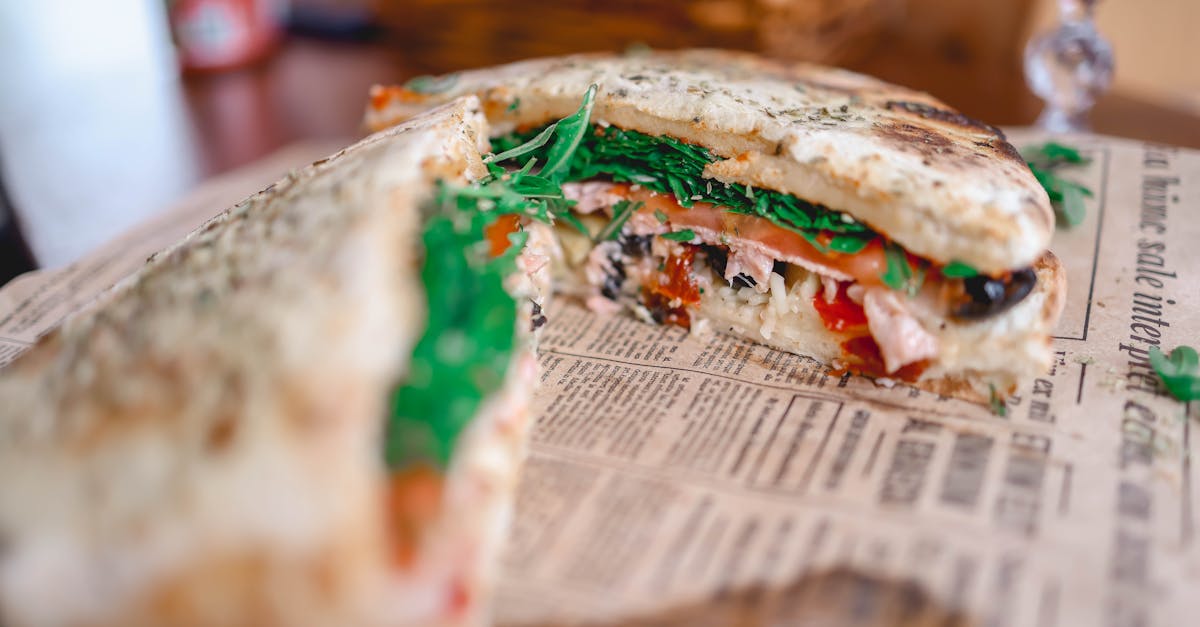
The first time I got schiacciata “right,” I heard it before I tasted it. The crust crackled when I lifted a corner from the pan, and a thin sheen of olive oil glinted on top under the kitchen light. I tore a piece, and steam rushed out with a warm wheat smell.
This schiacciata recipe gives you that exact payoff: a crisp, browned bottom with a tender, open crumb inside, plus the salty-olive-oil bite that makes Tuscan bakeries feel unfairly good. I’ll show you the method I use at home, what to watch for, and how to fix the common failures (because I’ve made them all).
Key Takeaways
- This schiacciata recipe delivers a thin, crackly crust and tender open crumb by pressing deep dimples that trap olive oil and salt.
- Use high hydration (about 75%) with bread flour, a short autolyse, and coil folds to build strength without kneading and avoid a dense interior.
- Boost flavor and texture with the olive oil brine (water + olive oil + salt) before dimpling, because it steams the top while the bottom crisps.
- Proof for a 50–75% rise (not necessarily doubled) so the dough stays airy and jiggly, then bake hot on a lower rack at 475°F for strong bottom browning.
- Control the signature crunch with a dark metal pan, generous but not pooling surface oil, and an internal temp target of 200–205°F before cooling on a rack.
- Master the classic version first (olive oil, rosemary, flaky salt), then keep toppings light (under ~300 g) so your schiacciata recipe still rises and bakes evenly.
What Schiacciata Is (And How It Differs From Focaccia)
Schiacciata means “pressed,” which means I actively push the dough into the pan to create dimples that hold oil and salt. The result tastes rich but still light.
Many people call it focaccia, which means you can bake it and still feel “correct.” But schiacciata has a few tells that matter if you want the Tuscan version.
“Schiacciata is pressed and dressed with olive oil and salt: it’s bread you can eat by the piece.”, the simplest description I ever heard in Florence, which means you should judge it by crust, oil, and salt.
Texture, Thickness, And Crumb
Schiacciata usually bakes thinner than many focaccias, which means you get more crunch per bite.
I aim for about 3/4 inch thickness after proofing, which means the center stays tender while the edges turn shattery.
Focaccia often has a taller, more pillowy profile, which means it can feel more like sandwich bread than snack bread.
A good schiacciata crumb shows small-to-medium irregular holes, which means the dough fermented enough to taste sweet and wheaty.
Concrete check: when I cut a square, I want to see at least 10–20 visible air pockets in a 3-inch slice, which means I didn’t rush the rise.
Traditional Flavors And Typical Toppings
The classic topping is simple: olive oil + salt, which means quality oil makes a bigger difference than fancy add-ons.
Rosemary shows up a lot, which means you can make it smell like a Tuscan bakery with one herb sprig.
In season, Tuscany loves schiacciata all’uva (grapes), which means you get sweet bursts that balance the salt.
Some bakeries add onions or tomatoes, which means you can turn one dough into lunch without changing your technique.
One useful data point: extra-virgin olive oil is a major fat source in Mediterranean diets that show strong health associations. Harvard’s nutrition team summarizes evidence on olive oil and heart health, which means this bread’s “richness” can still fit a sensible pattern when you keep portions sane (Harvard T.H. Chan School of Public Health on olive oil).
Ingredients And Dough Essentials
Schiacciata looks rustic, but it depends on a few precise choices. When I changed only one thing, using more water, I went from dense bread to a crumb that looked like it belonged behind a bakery counter.
Below is the ingredient set I use for a 10×15-inch pan (or a 9×13 with a slightly thicker result), which means you can bake it in a normal US kitchen.
My base formula (one pan):
| Ingredient | Amount | What it does | Which means… |
|---|---|---|---|
| Bread flour (or strong AP) | 400 g | Builds gluten | which means the dough stretches without tearing |
| Water (room temp) | 300 g (75%) | Hydrates flour | which means you get an open, tender crumb |
| Instant yeast | 3 g (about 1 tsp) | Ferments dough | which means you get lift and better flavor |
| Fine sea salt | 8 g (about 1 1/2 tsp) | Seasons + strengthens gluten | which means the bread tastes “complete,” not flat |
| Extra-virgin olive oil (in dough) | 20 g (1 1/2 tbsp) | Tenderizes slightly | which means the crumb stays soft after baking |
| Extra-virgin olive oil (for pan + top) | 45–70 g (3–5 tbsp) | Fries/season surface | which means you get the signature crisp crust |
Flour, Yeast, Water, Salt, And Olive Oil: What To Use And Why
I usually choose bread flour (12–13% protein), which means the dough holds gas during a high-hydration rise.
All-purpose flour works, which means you can still bake this tonight, but the dough may feel a bit slacker.
I use instant yeast for speed and consistency, which means I can mix and bake the same day without drama.
I keep water at 68–75°F, which means fermentation stays steady and the dough doesn’t feel sluggish.
I weigh salt, which means the flavor stays consistent across bakes. The FDA suggests adults limit sodium to 2,300 mg/day, which means salty toppings can add up fast even if bread feels “light” (FDA sodium guidance).
I use peppery extra-virgin olive oil on top, which means the aroma hits your nose before you even chew. I save mild oil for the pan if my EVOO is very expensive, which means I still get crunch without wasting the fancy stuff.
Optional Add-Ins: Herbs, Garlic, Onions, Olives, Grapes, And Flaky Salt
I add fresh rosemary (1–2 tsp chopped), which means every bite smells piney and warm.
I add thin onion slices tossed in oil, which means they soften and sweeten as the bread bakes.
I add pitted olives (60–80 g), which means salty pockets pop against the soft crumb.
I add halved red grapes (150–250 g) for schiacciata all’uva, which means the bread turns into a sweet-salty snack that feels like fall.
I finish with flaky salt, which means you get tiny crunches on top instead of one uniform saltiness.
If you want a full menu, I often pair this bread with a bright salad. I use my own riff on a copycat-style house salad, which means dinner feels complete without extra cooking: CASA salad recipe.
Step-By-Step Schiacciata Method
The “surprise” with schiacciata is that the dough can look like a sticky mess at first. Then gluten forms, bubbles appear, and it turns glossy and alive.
I bake this method weekly when I want something that feels special but doesn’t require a mixer.
Timeline (same-day): about 3.5 to 5 hours total, which means it fits an afternoon.
Mixing And First Rise
- I add 400 g flour to a bowl.
- I add 300 g water and stir until no dry flour remains, which means I create full hydration early.
- I rest the shaggy dough for 20 minutes (autolyse), which means gluten starts forming with less work.
- I sprinkle in 3 g instant yeast and 8 g fine salt.
- I drizzle in 20 g olive oil.
- I fold the dough in the bowl for 2 minutes, which means it turns from rough to elastic.
- I do 3 coil folds over the next 60 minutes (one fold every 20 minutes), which means the dough gains strength without kneading.
- I let the dough rise until it looks puffy and holds bubbles at the surface, usually 90–120 minutes at ~72°F, which means yeast produced enough gas for an airy crumb.
My real-life cue: I look for a 50–75% volume increase, not “double,” which means I avoid overproofing.
Stretching, Dimpling, And Olive Oil Brine
- I pour 2 tbsp olive oil into my pan.
- I tip the dough into the pan and flip it once, which means oil coats both sides and prevents sticking.
- I rest the dough 15 minutes if it resists stretching, which means gluten relaxes.
- I stretch the dough toward the corners with oiled fingers.
- I mix a quick brine: 1 tbsp water + 1 tbsp olive oil + 1/2 tsp fine salt, then I spoon it over the surface.
This brine looks odd, which means most people skip it, but it drives the classic texture. Water helps steam the top early, which means the crumb stays tender while the bottom crisps.
- I press deep dimples with my fingertips.
I press until my fingers almost touch the pan, which means the bread bakes with valleys that hold oil instead of shedding it.
Proofing And Baking For A Crisp Bottom And Tender Center
- I cover the pan and proof until the dough looks airy and jiggly, about 45–75 minutes, which means it will spring in the oven.
- I heat the oven to 475°F for at least 30 minutes, which means the pan hits strong heat fast.
- I bake on the lower rack for 18–25 minutes.
- I rotate once at minute 12, which means browning stays even.
- I pull the bread when the top turns deep golden and the edges look fried.
Temperature check: I aim for an internal temp of 200–205°F, which means the crumb set and won’t gum up.
- I lift it out of the pan and cool it on a rack for 10 minutes, which means steam escapes and the bottom stays crisp.
If I want an easy snack while I wait, I make a fast batch of microwave kettle corn, which means I don’t tear into the bread too early and ruin the crust.
How To Get The Signature Crust And Flavor
Schiacciata can look perfect and still taste dull. The fix usually comes from heat, oil timing, and salt timing.
I learned this by baking the same dough 6 times in two weeks and changing only one variable per bake, which means I could see cause and effect.
Pan Choice, Oven Setup, And Heat Strategy
I prefer a dark metal pan (like anodized aluminum or steel), which means it transfers heat fast and browns the bottom.
A glass dish works, which means you can bake with what you own, but it can brown slower.
I place the pan on the lowest rack, which means the bottom gets the strongest heat.
If my oven runs cool, I preheat to 500°F and then drop to 475°F when I load the bread, which means I get spring without burning.
Concrete result: in my kitchen, a dark pan gave me a bottom that browned in 21 minutes: a light pan needed 27 minutes, which means texture changes with the same dough.
Olive Oil Timing: In The Dough Vs. On Top
I add a small amount of oil in the dough, which means the crumb stays soft the next day.
I add most oil to the pan and the surface, which means the crust fries slightly and tastes rich.
I pour oil right before dimpling, not earlier, which means the dough absorbs less oil and stays airy.
Practical warning: too much surface oil can pool and “boil,” which means the top can fry unevenly and feel greasy.
Salting Strategy: Fine Salt, Flaky Salt, And When To Add Each
I put fine salt in the dough, which means the interior tastes seasoned instead of bland.
I add fine salt to the brine, which means the dimples hold salty liquid that bakes into the crust.
I finish with flaky salt at the end of proofing, which means the flakes stay visible and crunchy.
Honest note: flaky salt can fall off during slicing, which means you should serve on a board, not over a carpet.
If you want a strong pairing, schiacciata loves something tangy and fatty beside it. I often serve it with a sharp condiment like this blue ribbon pickle recipe, which means one bite feels bright instead of heavy.
Variations: Classic And Seasonal Schiacciata
The fun part happens when you lift the corner and smell the topping. Rosemary hits first. Grapes caramelize and perfume the whole kitchen.
I keep the dough the same and swap toppings, which means I can learn faster and waste less.
Rosemary And Sea Salt (Tuscan Classic)
I scatter 1–2 tsp chopped rosemary after I add the brine, which means the herb bakes into the oily surface.
I add 1–2 tsp flaky salt, which means the top tastes bright and sharp.
Concrete example: I baked this version for 8 people at a backyard dinner and watched it disappear in under 12 minutes, which means it works as a party bread.
Schiacciata All’Uva (Grape Schiacciata)
I use 200 g red grapes, which I halve and pat dry.
I press half the grapes into the dough and scatter the rest on top, which means you get fruit in the crumb and on the crust.
I add 1 tbsp sugar and 1 tbsp olive oil over the grapes.
The sugar caramelizes, which means you get crisp spots that taste like toffee.
Practical warning: grapes release juice, which means you should bake this version 2–4 minutes longer and cool it on a rack.
Tomato, Onion, And Olive Versions
I use 120 g cherry tomatoes sliced in half.
I use 60–80 g olives and 1/2 small onion sliced thin.
I toss toppings with 1 tbsp olive oil and a pinch of salt before adding them, which means they roast instead of drying out.
Honest note: heavy toppings can weigh dough down, which means you should keep total topping weight under 300 g per pan if you want a good rise.
If you want a dessert-style finish after a salty schiacciata meal, I sometimes make Baileys Irish cream whipped cream, which means fruit and coffee suddenly feel like a real course.
Serving, Storing, And Reheating
Fresh schiacciata feels alive. The crust snaps, and the center stretches slightly when you pull it apart.
But you can store it well if you treat it like bread, not like cake.
How To Slice And Serve (Snack, Aperitivo, Or Sandwich Bread)
I cool it at least 10 minutes before slicing, which means the crumb finishes setting.
I cut it into 3-inch squares for snacking, which means people can grab and go.
I cut it into long slabs for sandwiches, which means I can split it and fill it like a ciabatta.
My favorite sandwich: mortadella + arugula + lemony mayo, which means the fatty meat gets a sharp lift.
Aperitivo move: I serve it with 2–3 salty items (olives, cheese, pickles), which means each bite stays interesting.
Make-Ahead Options, Freezing, And Best Reheat Methods
I store schiacciata at room temp for 1 day in paper or a loose bag, which means the crust stays crisper than in an airtight box.
I freeze leftover squares in a single layer, then bag them, which means pieces don’t glue together.
Best reheat: I put it on a rack in a 400°F oven for 6–8 minutes, which means the bottom re-crisps.
If I use an air fryer, I heat at 375°F for 3–4 minutes, which means I get crunch fast but need to watch the edges.
Microwave warning: the microwave softens crust in 30 seconds, which means it tastes steamed unless you finish it in a hot pan.
Troubleshooting Common Problems
Schiacciata fails in loud ways. The dough sticks. The top stays pale. The bottom turns soggy.
I keep a small “bread notes” file on my phone, which means I can fix the same mistake once instead of forever.
Dough Too Wet Or Too Dry
If dough feels like batter, I add 10–20 g flour during the first fold.
I add flour in small amounts, which means I keep hydration high enough for an open crumb.
If dough feels stiff and tears when I stretch, I add 10–15 g water and pinch it in.
That extra water loosens gluten, which means the dough spreads without fighting.
Concrete cue: after the second fold, the dough should feel like soft gel, not paste, which means you are in the right zone.
Dense Crumb, Weak Rise, Or Pale Crust
If crumb turns dense, I extend bulk fermentation by 20–40 minutes.
More time builds gas, which means the bread lifts instead of baking flat.
If rise looks weak, I check yeast freshness.
Instant yeast should foam lightly in warm water with a pinch of sugar in 10 minutes, which means it still works.
If crust stays pale, I raise oven temp by 25°F or move the pan down one rack.
More bottom heat boosts browning, which means the crust tastes toasted, not bready.
Useful reference: the USDA explains how yeast works in baking and how fermentation creates gas, which means you can troubleshoot with science instead of guesswork (USDA on yeast and baking basics).
Soggy Bottom, Burnt Top, Or Oil Pooling Issues
If the bottom turns soggy, I cool the bread on a rack and not in the pan.
Airflow dries the base, which means steam does not soften the crust.
If the top burns before the center bakes, I tent loosely with foil at minute 12–15.
Foil blocks direct heat, which means the crumb can finish without scorching.
If oil pools, I use less surface oil and press deeper dimples.
Deep dimples trap oil in small pockets, which means the top fries evenly instead of puddling.
My blunt rule: if the pan looks like it holds more than 2 tablespoons of free oil right before baking, I pour some off, which means the bread tastes rich but not greasy.
Conclusion
Schiacciata rewards attention in three places: hydration, heat, and oil, which means you can control texture with a few repeatable moves.
When I press the dimples and spoon on that salty oil-water brine, I stop thinking about “making bread” and start thinking about dinner, friends, and the noise a crust makes when it breaks. That sound means you nailed it.
If you bake one pan this week, bake the plain rosemary and sea salt version first, which means you learn the base before you pile on toppings.
Then change one variable at a time, pan, rack, proof time, and write it down, which means your next schiacciata gets better on purpose, not by luck.
Schiacciata Recipe FAQs
What is schiacciata, and how is this schiacciata recipe different from focaccia?
Schiacciata means “pressed,” so this schiacciata recipe focuses on pushing deep dimples into a thinner dough so it bakes crisp and crackly with salty olive oil in the valleys. Focaccia is often thicker and pillowy, more like sandwich bread than snack bread.
How much hydration should I use for an airy schiacciata recipe?
For an open, tender crumb, this schiacciata recipe uses 75% hydration—300 g water to 400 g flour. That higher water level helps create small-to-medium irregular holes and a lighter texture. If the dough feels like batter, add 10–20 g flour during early folds.
Why does this schiacciata recipe use an olive oil brine on top?
The olive oil brine (water + olive oil + salt) is key for classic schiacciata. The water helps steam the top early so the crumb stays tender, while the oil and salt bake into the dimples for flavor. It also helps create a fried, crisp surface without drying out.
What oven temperature and pan setup gives a crisp bottom for schiacciata?
Preheat the oven to 475°F for at least 30 minutes and bake on the lowest rack to drive strong bottom heat. A dark metal pan browns faster than glass or light pans. Bake about 18–25 minutes, aiming for a 200–205°F internal temperature for a set crumb.
Can I make schiacciata dough ahead of time or freeze baked schiacciata?
Yes. Baked schiacciata freezes well: cool, cut into squares, freeze in a single layer, then bag. Reheat on a rack in a 400°F oven for 6–8 minutes (or air fryer at 375°F for 3–4 minutes) to restore crunch. Avoid microwaving alone—it softens the crust.
What are the best toppings for schiacciata, and how much is too much?
Classic toppings are olive oil and salt, often with rosemary. You can also add onions, tomatoes, olives, or grapes (schiacciata all’uva). To keep a good rise, limit total topping weight to under about 300 g per pan. Heavier toppings can weigh the dough down and reduce openness.
