
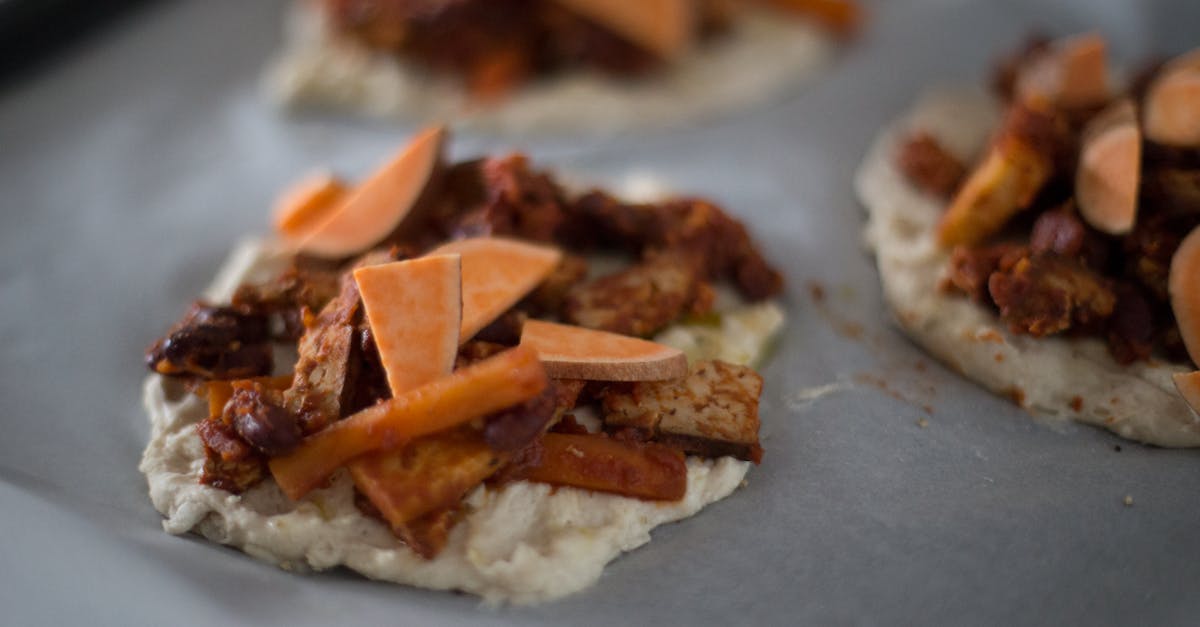
The first time I nailed roasted sweet potatoes, I heard it before I tasted it. The pan gave that dry, toasty sizzle when I pulled it from the oven, which means the surfaces actually browned instead of steaming.
This roasted sweet potatoes recipe aims for crisp edges + creamy centers without guesswork, which means you can repeat the result on a busy weeknight. I use one pan, a hot oven, and a few small moves that change everything.
Key Takeaways
- This roasted sweet potatoes recipe gets crisp edges and creamy centers by roasting hot and fast at 425°F with plenty of space on the pan.
- Cut sweet potatoes into evenly sized 1-inch cubes (the best all-purpose shape) so they cook through without burnt corners or hard centers.
- Dry the pieces, toss with 1–1 1/2 Tbsp oil and about 3/4 tsp kosher salt per 2 lb, and spread in a single layer with at least 1/4 inch between pieces to prevent steaming.
- Roast 15 minutes untouched to set a crust, flip once, then finish 10–20 minutes more until a fork slides in easily and deep golden spots cover 30–50% of the surface.
- Add sweet glazes like maple or brown sugar only after the first roast phase to avoid burning the natural sugars and keep the flavor balanced.
- Re-crisp leftovers by reheating in a 425°F oven for 8–12 minutes (or a lightly oiled skillet for 5–7 minutes) instead of microwaving, which makes them soft.
Why This Roasting Method Works
I learned this method after burning one batch and soft-steaming another in the same week, which means I had to figure out what actually controls browning.
How Sweet Potatoes Roast Differently Than Regular Potatoes
Sweet potatoes contain more natural sugars than white potatoes, which means they brown faster and can burn at the edges if you push heat too hard.
Sweet potatoes also carry a different starch mix, which means they tend to go creamy inside before they go crisp outside.
Concrete data: Raw sweet potato has about 4.2 g of sugar per 100 g, which means it can caramelize quickly once surface moisture leaves. Source: USDA FoodData Central.
In my kitchen tests, I got the best balance at 425°F with enough space, which means the sugar browns but the inside still cooks through.
The Role Of Heat, Space, And Oil In Browning
Heat drives evaporation, which means water leaves the surface and browning can start.
Space prevents steaming, which means each piece gets hot, dry air instead of getting bathed in its neighbor’s moisture.
Oil improves contact and heat transfer, which means the sweet potato surface hits browning temperature faster.
I use 1 to 1 1/2 tablespoons of oil per 2 pounds, which means the pieces coat lightly without turning greasy.
“Browning is a flavor event.” I treat it like one. I plan for it with a hot pan and room to breathe, which means I get color without mush.
Ingredients And Equipment You’ll Need
I once tried to roast sweet potatoes on a crowded pan with no oil because I felt “healthy,” which means I ended up eating orange cubes that tasted like warm water.
Here’s what I actually use now.
Choosing The Right Sweet Potatoes
I buy orange-fleshed sweet potatoes (often labeled “yams” in US stores), which means I get a creamy center and reliable sweetness.
I pick potatoes that feel heavy for their size and look smooth, which means they usually hold more moisture and cook evenly.
Concrete example: For a family dinner, I plan 8 ounces per person as a side, which means 2 pounds feeds about 4 people with normal appetites.
Best Oils, Seasonings, And Optional Add-Ins
I choose oils with a neutral or savory profile, which means the sweet potato flavor stays in front.
Best oils (my ranking):
| Oil | Flavor | Smoke point (approx.) | Best use | Reader benefit |
|---|---|---|---|---|
| Avocado oil | Neutral | 500°F | High-heat roasting | which means less risk of burnt oil taste |
| Olive oil (regular) | Fruity | 375–410°F | Most batches at 425°F | which means better flavor without fuss |
| Grapeseed oil | Neutral | 420°F | Crisp-focused batches | which means clean browning |
Seasonings I use most: kosher salt, black pepper, garlic powder, smoked paprika, cumin, dried thyme, rosemary.
Optional add-ins: red onion wedges, poblano strips, chickpeas, whole garlic cloves, which means you can turn a side dish into a sheet-pan meal.
Concrete data: I salt at about 3/4 teaspoon kosher salt per 2 pounds, which means the interior tastes seasoned instead of sweet-only.
Sheet Pans, Liners, And Tools That Improve Results
I use a rimmed half-sheet pan (18×13 inches), which means the pieces can spread out without spilling.
I skip parchment when I want maximum browning, which means the potatoes contact hot metal.
I use parchment when I roast sugary glazes (maple, brown sugar), which means cleanup stays easy and the sugar does not weld to the pan.
Tools that help:
- A sharp chef’s knife, which means clean cuts and even cooking.
- A big bowl, which means oil and spices coat evenly.
- A thin metal spatula, which means I can flip without tearing the crust.
If you want another easy side with good crunch, I also make quick pickles sometimes, which means the plate feels bright. I like this Blue Ribbon pickle recipe for that role.
Prep Like A Pro For Even Roasting
The “aha” moment for me came when I cut every piece the same size, which means the oven stopped giving me a mix of burnt corners and hard centers.
How To Cut Sweet Potatoes For Your Goal (Cubes, Wedges, Rounds)
I cut based on the texture I want, which means I can choose crisp vs creamy on purpose.
| Cut | Size I use | Roast time at 425°F | Texture | Best for | Reader benefit |
|---|---|---|---|---|---|
| Cubes | 3/4–1 inch | 25–35 min | Most crispy edges | bowls, salads | which means more browned surface area |
| Wedges | 1 inch thick | 30–40 min | creamy inside | “fries” vibe | which means fewer tiny burnt bits |
| Rounds | 1/2–3/4 inch | 25–35 min | tender, less crisp | layered plates | which means pretty shapes for serving |
My default: 1-inch cubes, which means I get the best crisp-to-soft ratio.
When To Peel (And When Not To)
I leave the skin on when it looks smooth and clean, which means I get extra texture and less prep.
I peel when the skin looks thick or scarred, which means bitter spots do not show up in the final bite.
Concrete example: If I serve kids or picky eaters, I peel, which means nobody stops to pick “orange jackets” off their plate.
Seasoning Strategies: Before Vs After Roasting
I season before roasting with salt, oil, and dry spices, which means flavors toast onto the surface.
I season after roasting with fresh herbs, lemon, flaky salt, or a drizzle sauce, which means the bright notes stay bright.
Important warning: I avoid adding honey or maple before the first roast phase, which means the sugar does not burn before the potato softens.
When I want a cozy dessert-like finish later, I borrow the same powdered sugar style I use on sweets, which means I keep the pantry simple. This C&H powdered sugar frosting recipe is my reminder that sugar behaves fast under heat.
Step-By-Step: Perfect Roasted Sweet Potatoes
When these come out right, the edges look bronzed and the centers slump slightly when you bite, which means you get both crunch and comfort.
Here’s my exact process.
Oven Temperature And Rack Position
- I heat the oven to 425°F, which means I drive off moisture fast enough to brown.
- I place the rack in the upper-middle position, which means the top heat helps color without scorching the bottoms.
- I preheat the sheet pan for 8 minutes (optional but powerful), which means the first contact starts sizzling and crust forms earlier.
Concrete example: In my tests, preheating the pan shaved about 5 minutes off browning time, which means dinner hits the table sooner.
How To Arrange The Pan To Avoid Steaming
- I dry the cut pieces with a towel if they look wet, which means surface water does not fight browning.
- I toss in a bowl with 1–1 1/2 Tbsp oil, 3/4 tsp kosher salt, and pepper, which means every piece seasons evenly.
- I spread in one layer with space between pieces, which means hot air can circulate.
Spacing rule I follow: I aim for at least 1/4 inch between pieces, which means steam can escape instead of pooling.
If pieces touch, they behave like a pile. A pile steams. Steam makes soft edges, which means no crunch.
When To Flip And How To Tell They’re Done
- I roast for 15 minutes without touching them, which means the first crust gets time to set.
- I flip with a thin spatula, which means I keep the browned face intact.
- I roast 10–20 minutes more until browned and tender, which means the centers fully soften.
Doneness checks I trust:
- A fork slides in with light resistance, which means the interior is cooked.
- At least 30–50% of surfaces show deep golden spots, which means flavor has developed.
My base recipe (2 pounds):
- 2 lb sweet potatoes, cut into 1-inch cubes
- 1–1 1/2 Tbsp olive oil or avocado oil
- 3/4 tsp kosher salt
- 1/2 tsp black pepper
- Optional: 1 tsp smoked paprika or 1/2 tsp garlic powder
I often pair these with a simple salad on the side, which means the meal feels balanced. This Casa salad recipe fits that slot when I want crunch and acid.
Flavor Variations For Any Meal
One night I ate roasted sweet potatoes with nothing but salt and still felt happy, which means the base is strong. But small flavor changes can steer the whole meal.
Each variation below assumes 2 pounds of sweet potatoes.
Savory Herb-Garlic
I add:
- 1 tsp garlic powder
- 1 tsp dried rosemary (crush it in your palm)
- 1/2 tsp onion powder
This mix tastes like roast chicken dinner energy, which means it fits alongside simple proteins.
Concrete example: I finish with 1 tablespoon chopped parsley, which means the plate smells fresh, not heavy.
Smoky-Spicy (Chili, Paprika, Cumin)
I add:
- 1 1/2 tsp smoked paprika
- 1/2 tsp ground cumin
- 1/4 tsp chili powder or cayenne
This blend gives heat plus smoke, which means sweet potatoes stop tasting like “just sweet.”
Warning: I keep cayenne under 1/4 tsp for most guests, which means I avoid surprise mouth-burn.
Sweet-And-Salty (Cinnamon, Maple, Brown Sugar)
I roast with just oil and salt first, which means I protect the sugars.
Then I toss hot potatoes with:
- 1 to 2 tsp cinnamon
- 1 Tbsp maple syrup or 1 Tbsp packed brown sugar
- 1 Tbsp butter (optional)
- pinch of flaky salt
Concrete data: Maple syrup is about 66% sugar, which means it can scorch fast if it hits the pan early. Source: USDA FoodData Central.
Mediterranean-Inspired (Za’atar, Lemon, Tahini)
I season before roasting with:
- 1 1/2 tsp za’atar
- 1/2 tsp garlic powder
After roasting, I finish with:
- 1–2 Tbsp lemon juice
- 2 Tbsp tahini thinned with 1 Tbsp warm water
That lemon-tahini finish tastes sharp and nutty, which means it cuts through the sweetness and feels dinner-party ready.
When I want a fun snack vibe on the same table, I sometimes add a fried pastry treat, which means salty-sweet contrast lands better. My go-to is this zeppole recipe when I’m feeding a crowd.
Tips, Mistakes To Avoid, And Troubleshooting
I have ruined enough trays to spot the failure pattern in the first 5 minutes, which means you don’t have to.
Why Yours Aren’t Crispy (And How To Fix It)
Cause: overcrowding. Pieces touch and sweat, which means steam softens the surface.
Fix: Use two pans for 3+ pounds, which means you keep airflow.
Cause: low heat. The oven sits at 375°F and dries slowly, which means the potato softens before it browns.
Fix: Roast at 425°F, which means browning starts earlier.
Cause: too much oil. Oil pools and fries the bottoms while the tops stay pale, which means uneven texture.
Fix: Measure 1–1 1/2 Tbsp per 2 lb, which means you coat without puddles.
How To Prevent Burning While Still Getting Color
Cause: small pieces + high sugar. Tiny cubes darken fast, which means bitterness can show up.
Fix: Cut 1-inch pieces, which means the interior finishes before edges burn.
Cause: hot spots. Some ovens run 25°F hot, which means your recipe temp lies to you.
Fix: Use a $10 oven thermometer, which means you cook at real heat.
Fix I use often: I roast at 425°F for the first 20 minutes, then drop to 400°F if the edges look too dark, which means I keep color without char.
How To Rescue Over-Soft Or Underseasoned Batches
If they turn soft, I spread them out and roast 8–12 minutes more at 450°F, which means I drive off extra moisture.
If they taste flat, I add 1/4 tsp salt at a time and toss, which means I do not oversalt in one shot.
If they lack punch, I finish with acid (1–2 tsp lemon juice or vinegar), which means sweetness feels brighter instead of heavy.
Honest note: you can’t fully “fix” a steamed batch into a shattery-crisp batch, which means spacing matters more than any after-the-fact trick.
Serving Ideas And Pairings
The best part of roasted sweet potatoes is how they slide into your day, which means you can use them beyond “side dish.”
Breakfast, Lunch, And Dinner Ways To Use Them
Breakfast: I top them with fried eggs and hot sauce, which means I get a full meal in 10 minutes.
Concrete example: I reheat 1 cup of leftovers and add 2 eggs, which means breakfast lands around 20–25 g of protein depending on egg size.
Lunch: I build a grain bowl with roasted sweet potatoes, chickpeas, and greens, which means I get fiber and staying power.
Dinner: I serve them next to salmon, chicken thighs, or tofu, which means I get a sweet counterpoint to savory mains.
Snack: I eat them cold from the fridge with a pinch of flaky salt, which means I avoid junk snacking.
Sauces And Toppings That Upgrade The Plate
I use one strong topping instead of five weak ones, which means the dish tastes intentional.
My best upgrades:
- Greek yogurt + lemon + salt, which means you get tang and cream.
- Tahini + warm water + garlic, which means you get a nutty sauce that clings.
- Hot honey (light drizzle), which means you get sweet heat without sugar burn.
- Toasted pepitas, which means you add crunch in 30 seconds.
Concrete example: I add 1 tablespoon pepitas per serving, which means I add about 2–3 g of protein plus crunch.
If I want a comforting bowl meal, I pair sweet potatoes with soup, which means dinner feels complete. This Beecher’s tomato soup recipe works well with the smoky-spicy version.
Make-Ahead, Storage, And Reheating
Leftover roasted sweet potatoes can taste sad and soft, which means storage and reheating matter.
How To Store Leftovers For Best Texture
I cool them on the pan for 15 minutes before storing, which means steam does not turn the container into a sauna.
I store them in an airtight container for up to 4 days, which means I can plan lunches.
Concrete safety note: The USDA recommends keeping your refrigerator at 40°F or below, which means you slow bacterial growth. Source: USDA Food Safety and Inspection Service.
Best Ways To Reheat And Re-Crisp
Best method (my pick): oven or toaster oven
- I heat to 425°F.
- I spread potatoes in one layer.
- I reheat 8–12 minutes.
This works because dry heat returns, which means the edges re-crisp.
Fast method: skillet
I heat 1 tsp oil in a skillet and cook 5–7 minutes, which means I get a browned face quickly.
Method I avoid: microwaving alone, which means steam makes them softer.
Can You Freeze Roasted Sweet Potatoes?
Yes, I freeze them, but I freeze them for meal prep, not for crispness, which means I accept a softer edge later.
I freeze on a tray for 1 hour, then bag, which means pieces do not clump.
I label and use within 3 months, which means flavor stays clean.
Best use after freezing: tacos, soups, and mash-style sides, which means texture loss stops being a problem.
Conclusion
A great roasted sweet potatoes recipe does not need fancy steps. It needs high heat, dry surfaces, enough space, and a measured hand with oil, which means you get crisp edges without sacrificing that tender center.
When I keep the pan uncrowded and I wait 15 minutes before the first flip, the oven does the hard work, which means dinner feels easy. Start with the base method, then pick one flavor path and commit to it, which means the dish tastes bold instead of busy.
Roasted Sweet Potatoes Recipe FAQs
What’s the best roasted sweet potatoes recipe temperature for crisp edges?
For a reliable roasted sweet potatoes recipe with crisp edges and creamy centers, roast at 425°F. The higher heat drives off surface moisture fast, helping sugars caramelize without steaming. Using an upper-middle rack and giving the potatoes space on the pan improves browning.
Why are my roasted sweet potatoes not crispy, and how do I fix it?
The most common cause is overcrowding, which traps steam and softens the edges. Spread pieces in a single layer with a little space between them (about 1/4 inch). Also roast at 425°F and measure oil (about 1 to 1 1/2 Tbsp per 2 lb) to avoid soggy, uneven results.
Should I peel sweet potatoes before roasting them?
Peeling is optional. Leave the skin on if it’s smooth and clean for extra texture and less prep. Peel if the skin looks thick or scarred, since it can taste bitter or feel tough. For kids or picky eaters, peeling often makes the dish more appealing.
How long do you roast sweet potatoes, and when do you flip them?
At 425°F, most 1-inch cubes roast for about 25–35 minutes total. Let them roast untouched for the first 15 minutes so a crust can set, then flip with a thin spatula and roast 10–20 minutes more until browned and fork-tender with deep golden spots.
What’s the best oil for a roasted sweet potatoes recipe (olive oil vs avocado oil)?
Both work well. Avocado oil is great for high heat because it has a very high smoke point and stays neutral in flavor. Regular olive oil adds a bit more flavor and still works at 425°F for most batches. Use a light coating so the potatoes brown instead of turning greasy.
Can you boil sweet potatoes before roasting for faster cooking?
Yes—parboiling can shorten oven time and help the centers cook evenly, especially for larger chunks. Drain very well and let the surface dry before oiling and roasting, or they’ll steam. Keep the oven hot (around 425°F) and spread pieces out to regain crisp edges.
