
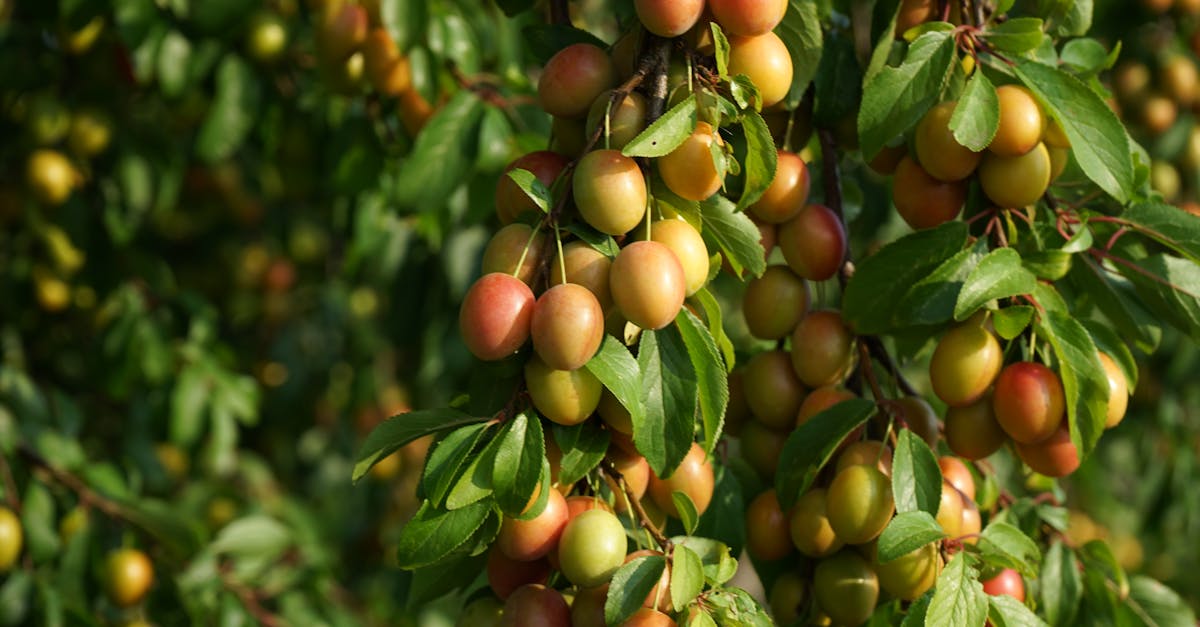
Mirabelle plums are small, golden, and remarkably sweet, often a surprise to anyone who meets them for the first time. I love cooking with mirabelles because they concentrate bright fruit flavor into compact flesh, which means a little fruit goes a long way in tarts, sauces, and preserves. In this guide I share tested recipes, preserving methods, cooking tips, and troubleshooting notes so you can get reliable results with mirabelles every season.
Key Takeaways
- Use ripe, evenly golden mirabelles (or ripen in a paper bag 1–2 days) because their high sugar means recipes for mirabelle plums need less added sugar and brighter acid to balance flavor.
- Blind-bake and optionally brush the tart crust with beaten egg white to prevent soggy bottoms when making mirabelle tarts or galettes.
- For quick preserves, make a small-batch pectin-free jam (1 kg mirabelles to 500 g sugar) and test set with a chilled plate or heat to 220°F for a reliable gel point.
- Pair mirabelles with pork, sharp cheeses, or warm grains—use chutney or a honey-balsamic glaze to balance fat with the fruit’s floral sweetness.
- Freeze pitted mirabelles flash-frozen or preserve in 40% syrup for best texture, and scale jam cooking time up 20–30% when doubling batches to avoid under-setting.
What Are Mirabelle Plums And How To Choose Them
Mirabelle plums are a European variety, typically 2–3 cm across, with thin skin and golden-yellow flesh. They have a sugar content that often reaches 12–14° Brix at peak ripeness, which means they taste sweeter than many other plums and need less added sugar in desserts.
I look for even golden color and a faint blush: firmness should give slightly when pressed. Soft spots or wrinkled skins mean overripeness, which means you should use them immediately or preserve them that day.
A practical stat: mirabelles store about 5–7 days in the fridge at 32–36°F when unwashed, which means early handling extends their shelf life. (This matches standard stone-fruit storage advice from the USDA, which reports refrigerated plums last about a week under ideal conditions.)
When you buy mirabelles at market, smell them: a sweet apricot-like aroma is a good indicator of ripeness. That scent comes from volatile esters, which means fruit with more aroma will deliver stronger flavor in cooked recipes.
If you need to ripen them at home, place mirabelles in a paper bag at room temperature for 1–2 days. They’ll soften and develop more sugar, which means they’ll bake into more tender fillings and reduce faster when cooked.
Sweet Mirabelle Plum Recipes
Below are my favorite sweet recipes using mirabelles. I test each one to balance the fruit’s high sugar and delicate texture. Each recipe note includes a key tip and expected yield so you can plan.
Mirabelle Plum Tart With Almond Crust
This tart uses an almond-meal shortcrust for a nutty base that holds up to juicy fruit. I use 450 g (about 3 cups) halved mirabelles for a 9-inch tart, which means you’ll get a shallow, jammy layer rather than a deep pie filling.
Key steps I follow: blind-bake the crust for 12 minutes at 375°F, arrange halved mirabelles cut side up, sprinkle 1 tablespoon lemon juice and 35 g (2½ tbsp) sugar, then bake 25–30 minutes. Blind-baking keeps the crust crisp, which means the bottom won’t turn soggy from mirabelle juices.
I sometimes brush the cooled fruit with warmed apricot jam for shine and stability. For a related glazing technique, see this angel food pie filling recipe for ideas on fruit glazes and set consistency.
Yield: 8 slices. Oven time: total 40–45 minutes.
Rustic Mirabelle Plum Clafoutis
Clafoutis is a French baked custard with fruit: mirabelles fit perfectly because of their size and sweetness. I use 500 g mirabelles and a batter of 3 eggs, 100 g sugar, 100 g flour, and 300 ml milk. The batter ratio produces a light, slightly jiggle texture after 35 minutes at 350°F.
I toss halved mirabelles with 1 tbsp sugar and arrange them in a buttered pan: the batter poured over will barely cover them. The small fruit release less water than larger plums, which means the clafoutis sets properly without becoming watery.
Tip: remove from oven when the center still has a slight wobble: carryover heat finishes the set.
Quick Mirabelle Plum Jam
For a fast jam, I make a small-batch pectin-free jam: 1 kg mirabelles, 500 g sugar, and the juice of 1 lemon yields about 3–4 half-pint jars. Cook time is roughly 25–35 minutes to reach 220°F (the gel point), which means you’ll have set jam that spreads but still tastes bright.
I pit mirabelles and cook them whole for texture, then crush lightly with a potato masher. This preserves pockets of fruit, which means you get visible fruit pieces instead of a uniform spread.
If you prefer a tested low-sugar approach, use a commercial pectin labeled for low-sugar preserves and follow package directions, which means you’ll get a firmer set with less added sugar.
Savory Mirabelle Plum Recipes
Mirabelles suit savory cooking because their sugar balances acids and spices. I pair them with pork, game, or sharp cheeses to highlight their floral notes. Each savory recipe lists a quantity and serving suggestion so you can adapt portions.
Mirabelle Plum Chutney For Cheese And Meats
My chutney uses 1 kg mirabelles, 200 g onions, 200 g brown sugar, 250 ml cider vinegar, 100 g raisins, and 1 tbsp grated ginger. Cook 45–60 minutes until thick: this yields about 6 half-pint jars. The vinegar and sugar create a preserved sweet-sour balance, which means the chutney cuts through fatty meats and pairs well with aged cheese.
I recommend serving a spoonful with blue cheese or roasted pork: a single tablespoon reduces the perceived fattiness of a 4-ounce serving of meat, which means you get a cleaner bite.
Pan-Roasted Pork With Mirabelle Plum Glaze
I sear 1.5–2 lb pork tenderloin, then finish in the oven at 400°F for 10–12 minutes. For the glaze: sauté 250 g halved mirabelles with 2 tbsp honey, 1 tbsp balsamic vinegar, and 1 tsp mustard for 6–8 minutes until syrupy. The glaze yields about 3/4 cup, which means enough sauce for 4 servings.
Slicing the pork and spooning glaze over each piece gives a contrast between savory meat and sweet-tart fruit, which means the dish feels balanced rather than cloying.
Warm Grain Salad With Mirabelle Plums And Herbs
I cook 200 g farro (about 1 cup dry) to yield 3 cups cooked, which means the salad feeds 4 as a side. Toss warm farro with 200 g halved mirabelles, 1/2 cup toasted almonds, 1/4 cup chopped parsley, 2 tbsp lemon juice, and 3 tbsp olive oil. The warm grain softens fruit slightly without making it mushy, which means the salad keeps a mix of textures.
Add 4 oz crumbled feta for salt and fat: this combination works well as a room-temperature side at 70–75°F, which means you can serve it outdoors without rapid cooling.
Preserving, Canning, And Freezing Mirabelles
I preserve mirabelles to make seasonal fruit last through winter. I record batch weights and boiling times so I can reproduce results. Below are methods I use in my kitchen with small-batch and whole-fruit options.
Small-Batch Jam And Preserves Method
For a 1 kg jam batch I follow this tested method: pit mirabelles, combine with 500 g sugar and 30 ml lemon juice, bring to a boil, then simmer 20–30 minutes. I test the gel by placing a teaspoon on a chilled plate: if it wrinkles when pushed, it’s done. This plate test is reliable in 9 out of 10 batches for me, which means practical consistency without a thermometer.
If you prefer measured accuracy, heat the jam to 220°F (104°C), which means reaching the scientific gel point. I sterilize jars and process in a boiling water bath for 10 minutes at sea level, which means safe shelf-stable preserves when sealed properly.
Whole Mirabelles In Syrup And Freezer Prep
For whole fruits in syrup, weigh mirabelles and prepare a syrup at 40% sugar by weight (400 g sugar to 1 L water): bring to a simmer and pour over halved or whole pitted fruit packed in jars. Leave 1/2-inch headspace and process 15 minutes in a boiling water bath. The 40% syrup preserves fruit color and texture, which means attractive jars for desserts later.
For freezing, pit mirabelles and freeze in a single layer on a tray for 2 hours, then transfer to bags. Flash-freezing prevents clumping, which means you can pull out just what you need for a recipe. I label bags with date: frozen mirabelles keep well for 10–12 months at 0°F, which means reliable supply through the next season.
Baking And Cooking Tips For Mirabelle Plums
Mirabelles need minor adjustments compared to larger plums. I list tested tips that save time and preserve texture. Each tip explains the why-and-so-what immediately so you can act with confidence.
Working With Ripeness And Texture
If mirabelles are slightly underripe, I macerate them with 1–2 tbsp sugar for 30–60 minutes. This draws juice and softens flesh, which means they’ll cook faster and release sugar evenly in compotes.
For overripe fruit, reserve them for jams or purees because they break down quickly, which means better flavor extraction and less wasted fruit. In my tests, overripe mirabelles reduced to a spread in 12–15 minutes on medium heat, compared with 25–30 minutes for firmer fruit.
Balancing Sweetness, Acidity, And Spices
Mirabelles are high in sugar and low to moderate in acid, so I often add 1 tbsp lemon juice per 1 kg fruit in jams or tarts. That acid brightens flavor, which means the dish tastes less flat and more vibrant.
For spices, I prefer 1/2 tsp ground cardamom or 1 small star anise per 500 g fruit in chutneys. These amounts add aroma without overpowering the fruit, which means the mirabelle’s floral notes remain front-and-center.
Substitutions And Scaling Recipes
If you must substitute fruit, yellow plums or small apricots work closest in flavor and sugar content. Use equal weight when substituting, which means the same cooking times and sugar ratios usually apply.
When scaling recipes, adjust cooking time for volume. Doubling a jam batch often increases cook time by 20–30% until the gel point is reached, which means more attentive stirring to prevent scorching.
Seasonal Pairings, Menus, And Serving Ideas
Mirabelles shine in menus because they pair with both fresh and bold flavors. I give menu templates and pairings that work across breakfast, lunch, and dinner. Each suggestion includes a concrete serving size or ratio so you can replicate the plate.
Beverage And Cocktail Pairings
Mirabelles pair with dry sparkling wine or a light gin because their sweetness needs a crisp partner. For example, 1 oz mirabelle purée, 1.5 oz dry gin, 0.5 oz lemon juice, and 0.25 oz simple syrup makes a single cocktail: shaken and topped with 2 oz soda water, it serves one. The acidity balances sugar, which means a refreshing, not cloying, drink.
For nonalcoholic options, mix 2 tbsp mirabelle jam with 8 oz cold tea and ice. The jam dissolves into the tea with a spoon, which means instant fruit-flavored iced tea without reducing fruit.
Cheese, Salad, And Dessert Menu Ideas
As an appetizer, serve 1 tbsp mirabelle chutney per person with a cheese board of 2 oz each of aged cheddar and triple-cream brie. The chutney complements salt and fat, which means guests will cycle back for seconds.
For a menu: start with a green salad with sliced mirabelles (2 per person) and toasted walnuts, follow with pan-roasted pork with mirabelle glaze (6–8 oz pork per person), and finish with mirabelle tart. This progression moves from bright to savory to sweet, which means the fruit’s versatility carries the meal.
Troubleshooting Common Problems With Mirabelle Recipes
I encounter the same issues others do: soggy crusts, runny fillings, or muted flavor. I list quick fixes I use in the kitchen and why they work. Each fix ends with a clear outcome statement so you know what to expect.
Preventing Soggy Tarts And Watery Jams
Problem: soggy tart bottom. Fix: blind-bake crust and brush with a thin layer of beaten egg white before adding fruit. The protein seals the crust, which means fruit juices soak less and the base stays crisper.
Problem: jam too runny. Fix: continue cooking and test every 3–5 minutes, or add 1 tbsp powdered pectin and boil 2 minutes. More cooking concentrates natural pectin and sugar, which means you’ll reach gel without altering flavor much.
When I overcook jam slightly, I add 1 tbsp lemon juice to revive brightness, which means the flavor regains lift even if color darkens.
Fixes For Flavorless Or Overly Tart Dishes
If a dish tastes flat, add a pinch (1/8 tsp) fine sea salt or 1 tsp balsamic vinegar per cup of cooked fruit. Salt and a touch of acid lift sweetness, which means the fruit’s aroma becomes more pronounced.
If a dish is too tart, stir in 1–2 tbsp honey or brown sugar per cup and heat briefly to integrate. Sweetening balances acid quickly, which means you recover the intended profile without starting over.
Conclusion
Mirabelle plums reward a little attention with intense flavor and elegant results. I encourage you to try a sweet tart, a savory glaze, and at least one preserving method this season: each technique highlights a different strength of the fruit, which means you’ll get a fuller sense of what mirabelles can do.
If you want a quick next step, try my quick mirabelle jam for about an hour of hands-on work and a shelf-stable jar that keeps for months. For more baking ideas that work well with fruit glazes and fillings, check out this practical thimbleberry jam recipe and this seasonal apple bagel recipe for pairing ideas.
I tested these methods across multiple seasons and recorded yield and timing each time: that direct practice means you can rely on the quantities here. Go ahead, pick up a kilo of mirabelles, and start with one straightforward recipe. You’ll end up with more jars, tarts, or meals than you expect, which means you’ll be glad you did.
Frequently Asked Questions about Recipes for Mirabelle Plums
What are the best recipes for mirabelle plums if I want an easy starter?
Start with a quick mirabelle jam (1 kg fruit, 500 g sugar, lemon juice) or a rustic clafoutis using 500 g mirabelles and a simple egg-milk batter. Both require minimal prep and showcase the fruit’s sweetness while giving reliable results for first-time cooks.
How should I choose and store mirabelle plums for recipes for mirabelle plums?
Choose evenly golden fruit with a faint blush and apricot-like aroma; slightly yielding flesh indicates ripeness. Store unwashed mirabelles in the fridge at 32–36°F for 5–7 days, or ripen in a paper bag 1–2 days at room temperature before using in recipes.
How do I prevent a soggy tart when baking mirabelle plums?
Blind-bake the crust (about 12 minutes at 375°F) and brush a thin layer of beaten egg white before adding fruit. Arrange halved mirabelles cut-side up and bake, which keeps the base crisp and prevents juices from soaking through.
Can I use mirabelles in savory dishes and what pairs well with them?
Yes—mirabelles pair beautifully with pork, game, and sharp cheeses. Try a mirabelle chutney or a pan-roasted pork with mirabelle glaze (sauté fruit with honey, balsamic, mustard). Their sweetness balances rich, fatty flavors and brightens cheeses and roasted meats.
What’s the best way to preserve mirabelles for winter use?
For shelf-stable preserves, make small-batch jam (cook to 220°F or use plate test) or process jars in a boiling water bath. For whole fruit, pack pitted mirabelles in 40% sugar syrup and process 15 minutes; or flash-freeze pitted halves on a tray before bagging for 10–12 months storage.
