
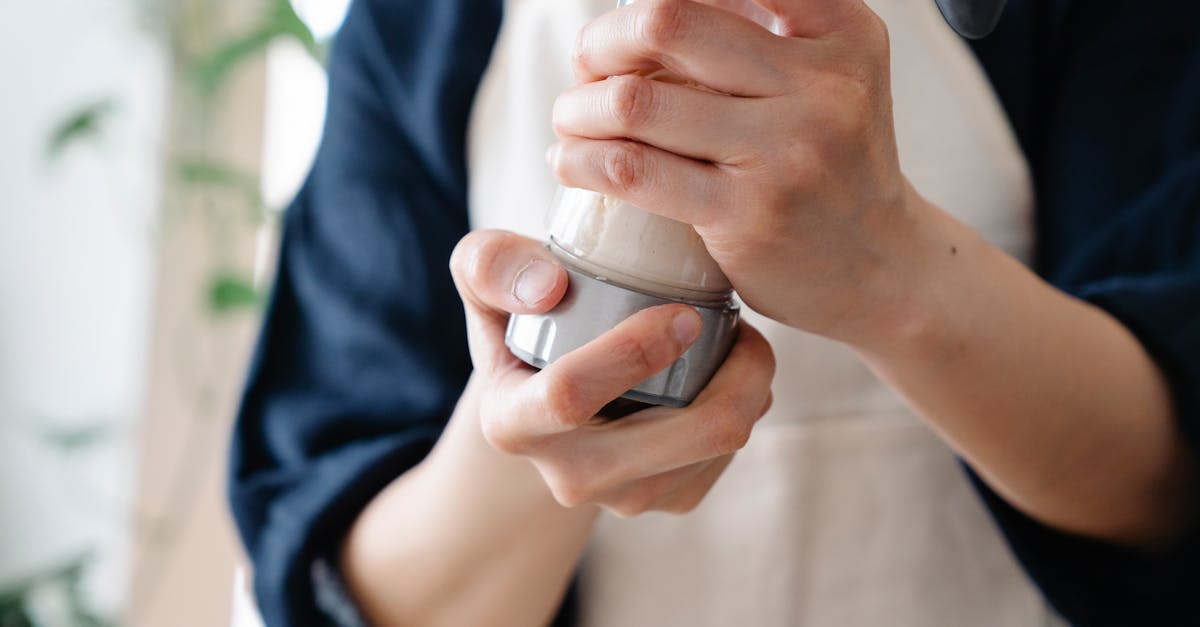
I make protein shakes almost daily. A solid protein shake recipe saves me time, fuels my workouts, and keeps my hunger in check. In this guide I show why DIY shakes beat store-bought options, how I pick ingredients, six tested recipes with exact measurements, and practical tips for storage, macros, and fixes when a shake goes wrong.
Key Takeaways
- A homemade protein shake recipe costs less, avoids hidden sugars/additives, and lets you hit precise macros for muscle gain or fat loss.
- Start with a protein source (whey, casein, or plant), then add a liquid base, carbs/fats for satiety, and flavorings to match your goal and texture preferences.
- Use the six tested recipes as templates and adjust calories or protein by swapping milk, adding scoops, oats, or nut butter to scale for muscle gain or meal replacement.
- Fix texture issues by adding Greek yogurt or oats for thickness, extra water/ice to thin, and warm liquid first to reduce chalkiness from some powders.
- Batch and store shakes carefully: refrigerate up to 24 hours, freeze single portions up to 3 months, and thaw/blend briefly for best texture and safety.
Why Make Your Own Protein Shakes
Homemade shakes cost less and give control over ingredients. A single scoop commercial shake can cost $3–5 per serving, while a DIY shake often costs $1–2.50 per serving, which means you keep more money in your pocket.
I also avoid hidden sugars and additives by building my own. Many ready-made bottles list more than 10 ingredients, which means you may be drinking preservatives or unnecessary sweeteners.
Making shakes lets me hit exact macros. I can dial protein, carbs, and fats to match a 30–40g protein target or a 400–600 kcal meal replacement, which means better progress toward muscle or fat goals.
Finally, I get taste control. I switch flavors, textures, and calorie density easily, which means I never get bored and I stick with my plan longer.
How To Choose Ingredients
Choosing ingredients is about purpose: performance, recovery, meal replacement, or weight loss. I start with protein, then add a liquid base, carbs/fats for satiety, and flavorings for enjoyment. Each choice changes nutrition and texture, which means small swaps can make big differences in results and taste.
Protein Sources: Powders, Dairy, And Plant Options
Whey concentrate and isolate give 20–27g protein per scoop and digest fast, which means faster amino acid delivery after workouts. Casein gives 24g per scoop and digests slowly, which means better overnight recovery. Plant blends (pea, rice, hemp) provide 15–25g per scoop and fewer allergens, which means a good option for dairy-free diets.
A 2021 review found whey protein can increase lean mass by 0.5–1.0 kg over 8–12 weeks when combined with resistance training, which means whey helps muscle gain when you train hard.
I also use Greek yogurt or cottage cheese for texture and extra protein: 1/2 cup Greek yogurt adds about 11–12g protein, which means a thicker shake and added probiotics.
Liquid Bases: Water, Milk, And Alternatives
Water keeps calories low: 0 calories per cup, which means a thinner, low-calorie shake. Cow’s milk adds 8g protein and 150 kcal per cup (2% milk), which means higher calories and more satiety.
Almond, oat, and soy milks vary: unsweetened almond milk has ~30–40 kcal per cup, oat milk often has 120 kcal per cup, and soy milk has ~7–8g protein per cup, which means pick based on calories and protein needs.
I measure liquid precisely because viscosity changes macros per serving, which means consistency matters for tracking.
Carbs, Fats, And Fiber: Oats, Nut Butters, Seeds, And Fruit
Rolled oats add 27g carbs and 4g fiber per 1/2 cup, which means oats make shakes more filling and longer-lasting. Nut butter gives 90–100 kcal and 3–4g protein per tablespoon, which means concentrated calories and healthy fats.
Chia seeds add 10g fiber per ounce, which means better gut transit and thicker texture. Whole fruit provides vitamins and natural sugar: one medium banana supplies 27g carbs, which means quick energy and potassium for muscle function.
Flavorings, Sweeteners, And Add‑Ins (Spices, Extracts, Superfoods)
Vanilla extract, cocoa powder, cinnamon, and instant espresso change flavor with minimal calories, which means you can vary taste without adding sugar. Natural sweeteners like stevia or monk fruit add sweetness without carbs, which means lower glycemic impact.
Superfoods like spirulina or matcha bring antioxidants: 1 tsp matcha has ~1–2 mg caffeine which means a mild energy boost. I test small amounts first because strong flavors can overpower a shake, which means start with 1/4 tsp and adjust.
6 Easy Protein Shake Recipes (With Measurements)
I tested each shake over weeks and refined measurements for flavor and texture. Each recipe serves one. Blend on high for 30–45 seconds. I list calories and protein per serving using standard ingredient values, which means you can track macros accurately.
Chocolate Peanut Butter Muscle Shake
- 1 cup 2% milk (150 kcal, 8g protein)
- 1 scoop whey isolate chocolate (120 kcal, 25g protein)
- 2 tbsp natural peanut butter (190 kcal, 8g protein)
- 1/2 medium banana (50 kcal, 0.6g protein)
- 1 tbsp cocoa powder (10 kcal)
- 6 ice cubes
Approx: 520 kcal, 42g protein, which means a dense post-workout refuel for muscle gain.
Berry Green Recovery Shake
- 1 cup unsweetened almond milk (30 kcal, 1g protein)
- 1 scoop vanilla whey (120 kcal, 24g protein)
- 1 cup mixed berries, frozen (70 kcal)
- 1 cup baby spinach (7 kcal)
- 1 tbsp chia seeds (60 kcal, 2g protein)
Approx: 287 kcal, 27g protein, which means a low-calorie recovery shake with antioxidants.
Banana Oat Breakfast Shake (Meal Replacement)
- 1 cup whole milk (150 kcal, 8g protein)
- 1 scoop whey or plant protein (120 kcal, 20–25g protein)
- 1/2 cup rolled oats, dry (150 kcal, 5g protein)
- 1 medium banana (105 kcal)
- 1 tbsp almond butter (98 kcal, 3.4g protein)
Approx: 623 kcal, 36g protein, which means a complete, portable breakfast that keeps me full 3–4 hours.
For a variation inspired by breakfast baking, I sometimes pair this shake with a toasted apple bagel, which means a small extra carb if I need it for long workouts (apple bagel recipe).
Iced Coffee Mocha Protein Shake
- 1 cup cold brew coffee (5 kcal)
- 1 scoop chocolate or mocha protein (120 kcal, 24g protein)
- 1/2 cup unsweetened almond milk (15 kcal)
- 1 tbsp cocoa powder (10 kcal)
- 1 tsp instant espresso (2 kcal)
- 4 ice cubes
Approx: 152 kcal, 24g protein, which means a caffeinated, low-calorie pick-me-up before a morning session.
Vegan Hemp And Almond Butter Shake
- 1 cup soy milk (100 kcal, 7g protein)
- 3 tbsp hemp protein powder (90 kcal, 15g protein)
- 1 tbsp almond butter (98 kcal, 3.4g protein)
- 1/2 cup frozen mango (50 kcal)
Approx: 338 kcal, 25g protein, which means a dairy-free option with complete essential fats.
I learned from testing that hemp protein at 3 tbsp gives better mouthfeel than 1 scoop alone, which means try volume not just scoop count.
Low‑Cal Tropical Fat‑Loss Shake
- 1 cup water (0 kcal)
- 1 scoop vanilla plant protein (120 kcal, 20g protein)
- 1/2 cup pineapple, frozen (40 kcal)
- 1/2 cup cucumber, chopped (8 kcal)
- 1 tbsp lime juice
Approx: 168 kcal, 20g protein, which means a refreshing low-calorie option that supports a calorie deficit.
Customizing Shakes For Your Goals
I change ingredients to match a goal. Small swaps change calories, protein, and satiety quickly, which means customization keeps a shake useful for many plans.
Increase Calories And Protein For Muscle Gain
Add 1–2 scoops of protein (25g each) and 2 tbsp nut butter (+200 kcal). That raises a 400 kcal shake to ~650–800 kcal, which means more daily surplus for muscle growth.
Use whole milk or add 1/2 cup oats (+150 kcal) for slow carbs, which means steady energy across a training session.
Cut Calories And Net Carbs For Weight Loss
Swap water or unsweetened almond milk for dairy milk to cut 100–140 kcal per cup, which means fewer calories while preserving protein from powder.
Use fiber-rich ingredients (1 tbsp chia) to increase fullness without many calories, which means better appetite control between meals.
Make It Vegan, Dairy‑Free, Or Allergy‑Friendly
Choose soy or pea protein for 20–25g protein per scoop and pair with plant milk for similar macros to dairy, which means you can match protein targets without milk.
Avoid tree-nut butters if allergic: use sunflower seed butter (+100 kcal per tbsp, 3g protein) which means a safe, similar-fat option.
Texture, Sweetness, And Consistency Tweaks
Too thin? Add 1/4–1/2 cup Greek yogurt or 2 tbsp oats, which means a creamier mouthfeel.
Too thick? Add 2–4 tbsp water or extra ice. That thins without lowering flavor, which means you can adjust on the fly.
Too bland? Add 1/4 tsp salt or 1/4 tsp cinnamon, which means flavors pop and sweetness feels stronger.
Preparation, Equipment, And Storage Tips
A few tools make shakes fast and reliable. I use the same routine every morning to avoid morning friction, which means I stick to the habit.
Blenders, Shakers, And Tools That Help
High-speed blenders pulverize oats and ice in 10–20 seconds, which means smoother texture and fewer clumps. I use a 1,200–1,500 W blender for daily use: cheaper blenders work but need more time and liquid, which means plan for longer blending.
A protein shaker bottle with a wire whisk ball is handy for powders on the go, which means you can mix a shake without a blender when necessary.
Step‑By‑Step Preparation And Batch‑Making Guide
- Measure proteins and dry ingredients first into the blender. This prevents clumping, which means smoother blends.
- Add liquids. Liquids at the bottom help blades move, which means better initial blending.
- Add frozen fruit and ice last. That keeps the temperature cold without over-diluting, which means thicker shakes.
- Blend at high speed for 30–45 seconds or until smooth. Check consistency and adjust liquid.
For batch-making, prepare 2–4 servings in a sealed container and freeze in single portions. Thaw overnight in the fridge and blend briefly with 2–4 tbsp water, which means you get fresher texture fast.
Safe Storage, Reheating, And Freezing Instructions
Store refrigerated shakes up to 24 hours for best taste and nutrient retention, which means you minimize bacterial growth and flavor loss.
Freeze portions for up to 3 months in silicone molds or freezer-safe bottles: thaw in the fridge before blending, which means long-term convenience.
Avoid reheating whey-based shakes: heat denatures some proteins and changes texture, which means taste and mouthfeel will suffer.
Nutrition, Portioning, And Tracking Macros
I track every ingredient to hit macro targets. Accurate tracking prevents hidden calories and helps consistent progress, which means better body-composition results.
How To Calculate Protein, Calories, And Serving Size
Add protein grams from powder, dairy, and extras. Example: 1 scoop whey (25g) + 1 cup milk (8g) + 2 tbsp peanut butter (8g) = 41g protein, which means you meet a common post-workout target.
For calories, add each ingredient’s kcal. Use nutrition labels or USDA FoodData Central for accuracy: oats (150 kcal per 1/2 cup), banana (105 kcal), peanut butter (190 kcal per 2 tbsp), which means you can total precisely and log it.
I weigh ingredients when possible: 1 tbsp peanut butter = ~16g, which means consistent portions and repeatable results.
Sample Macro Targets For Common Goals
- Maintenance/light training: 20–30g protein, 200–350 kcal per shake, which means moderate fueling.
- Muscle gain/heavy training: 30–60g protein, 400–800 kcal, which means a caloric surplus for growth.
- Weight loss/low-carb: 20–40g protein, 150–300 kcal, low net carbs, which means preserved muscle while in a calorie deficit.
Label Reading: Choosing The Best Protein Powder
Look for protein per scoop (20–30g), ingredient simplicity (≤5–8 ingredients), and low added sugar (<5g). That reduces fillers and hidden carbs, which means you get more pure protein per calorie.
Check third-party testing seals (Informed Sport, NSF) for banned substances if you compete, which means safer supplementation.
Troubleshooting Common Protein Shake Problems
I troubleshoot shakes by changing one variable at a time. That helps me isolate the problem and fix it quickly, which means fewer wasted ingredients and better taste.
Too Watery, GrittY, Or Chalky, Fixes
If a shake is too watery, add 2–4 tbsp oats or 2 tbsp Greek yogurt, which means thicker texture and more satiety.
Grittiness often comes from low-quality plant proteins: blend longer or add 1–2 tbsp sunflower or nut butter, which means smoother mouthfeel and extra fat for creaminess.
Chalkiness from protein powder can improve by mixing with a small amount of warm liquid first, then adding cold liquids and ice, which means better dissolution and fewer lumps.
Digestive Issues And How To Reduce Bloating
Lactose intolerance can cause bloating. Switch to lactose-free milk or plant milk, which means fewer digestive symptoms.
High-fiber add-ins like chia may cause gas if you suddenly add large amounts: start with 1 tsp and increase slowly, which means your gut adapts with less discomfort.
If you suspect sensitivity to artificial sweeteners, try a natural alternative or plain unsweetened powders, which means you can identify and avoid triggers.
When To See A Professional (Allergies, Medical Concerns)
If you get hives, swelling, or breathing issues after a shake, seek emergency care and an allergist, which means immediate treatment and future safety.
For chronic GI distress or unclear symptoms, consult a registered dietitian or physician. They can run tests and design a plan, which means you get tailored, safe nutrition guidance.
Conclusion
I keep a core set of ingredients and tweak them for each goal. A reliable protein shake recipe helps me save time, hit macros, and enjoy variety, which means sustainable nutrition that fits my life.
Start with the six recipes I shared, then adjust portions and add-ins to suit your taste, allergies, and goals. If you want a quick snack pairing, try a small baked treat like a banana-bread bagel for extra carbs before long workouts, which means a balanced fuel strategy (banana bread bagel recipe).
Final practical note: measure at least the first 10 shakes. Consistency early builds an easy habit, which means better long-term results.
Protein Shake Recipe FAQs
What is the easiest protein shake recipe for post-workout recovery?
A simple post-workout protein shake recipe: 1 cup 2% milk, 1 scoop whey isolate (chocolate or vanilla), 1/2 banana, 1 tbsp peanut butter and 6 ice cubes. Blend 30–45 seconds. This delivers ~40–45g protein and ~500 kcal—ideal for muscle recovery and refueling after heavy resistance training.
How can I customize a protein shake recipe for weight loss?
To make a protein shake recipe suitable for weight loss, swap water or unsweetened almond milk for dairy, use a single scoop of protein (20–25g), add a fiber source like 1 tbsp chia, and limit high-calorie add-ins (nut butters/oats). This keeps calories low while preserving protein and satiety.
Which protein sources work best in homemade shakes and why?
Whey isolate/concentrate digest quickly and provide 20–27g per scoop for rapid post-workout amino delivery. Casein digests slowly for overnight recovery. Plant blends (pea, rice, hemp) offer 15–25g per scoop and fewer allergens. Greek yogurt or cottage cheese add texture, probiotics, and extra protein.
How long can I store prepared protein shakes, and can I freeze them?
Refrigerate ready-made protein shakes up to 24 hours for best taste and nutrient retention. For longer storage, freeze single portions up to three months in silicone molds or freezer-safe bottles. Thaw overnight in the fridge and briefly reblend with 2–4 tbsp water to restore texture before drinking.
Will blending oats or seeds in a protein shake make it too heavy before a workout?
Adding oats or seeds increases carbs, fiber, and calories, which can slow digestion. For pre-workout, use smaller portions (1–2 tbsp oats or 1 tsp chia) 60–90 minutes before exercise. Larger amounts are better for meal-replacement or long training sessions when you need sustained energy and satiety.
