
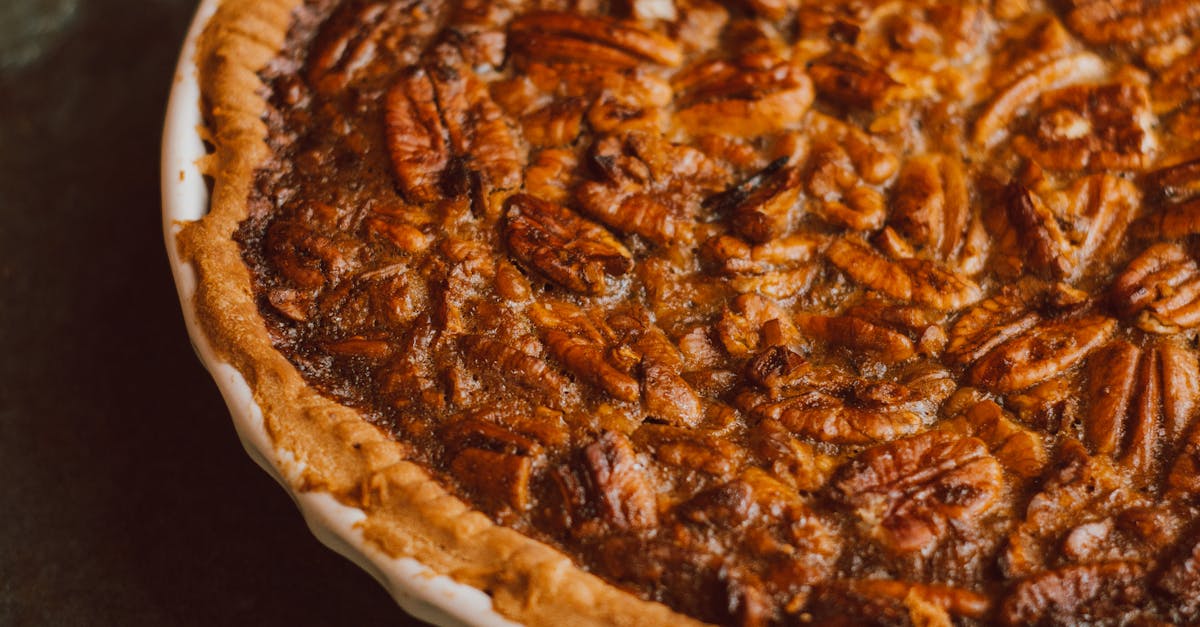
I remember the first time I swapped the heavy corn-syrup filling of a classic pecan pie for a silky egg custard. The kitchen smelled like toasted nuts and vanilla within 25 minutes, and the first slice held its shape while the custard still trembled slightly, precise, rich, and lighter than you expect. In this recipe I show you every ingredient, tool, and technique I use to get a glossy top, a fully set custard, and pecans that stay crisp for days. You’ll get step-by-step instructions, troubleshooting tips, a nutrition snapshot, and ways to adapt the pie to your diet or mood.
Key Takeaways
- A pecan custard pie recipe swaps corn-syrup goo for an egg-and-cream custard to deliver a smoother, less cloying filling with crisp toasted pecans on top.
- Bake until the custard reaches 175–185°F (internal) so the eggs set while the filling stays tender—use an instant-read thermometer as your primary doneness test.
- Toast pecans and blind-bake the crust to keep nuts crisp and prevent a soggy bottom, following the step-by-step prep and equipment checklist.
- Follow the author’s troubleshooting tips (temperature window, ingredient roles, and one-at-a-time variations) to get a glossy top and consistently set custard.
- Adapt the basic pecan custard pie recipe by swapping a small ingredient—like adding bourbon or maple syrup—to change flavor without breaking texture or bake time.
What Is Pecan Custard Pie? How It Differs From Classic Pecan Pie
Pecan custard pie replaces the dense, syrup-forward filling of classic pecan pie with an egg-and-cream custard base that holds chopped or halved pecans on the surface. Classic pecan pie often uses corn syrup and a sugar-heavy sauce, which means the texture is gooey and very sweet. Pecan custard pie uses whole eggs, milk or cream, and a modest amount of sugar, which means the texture is smooth, custardy, and less cloying.
A clear way to see the difference: a traditional pecan pie filling can reach about 240–245°F during baking, which means the sugars actively caramelize and set into a chewy matrix. Custard pies aim for an internal temperature around 175–185°F, which means the egg proteins have just set and the filling remains tender. I use that temperature window as my primary doneness test.
Quick fact: a standard 9-inch pecan custard pie yields 8 slices and serves about 6–8 people, which means it suits small gatherings or a family dessert when you want something rich but not overpowering. For me, this pie hits the sweet spot: it keeps the toasted pecan flavor you love while giving a cleaner, creamier bite.
Ingredients You’ll Need
I list the ingredients in groups so you can shop quickly and prep with confidence. Each ingredient note includes the reason I use it and what it does in the pie, which means you’ll understand how a swap changes the result.
Equipment, Time And Prep Checklist
I plan a recipe around tools and time. Below I list essentials and prep tasks so you start with confidence.
Step‑By‑Step Recipe Instructions
I break the process into clear stages so you can follow along and know what to expect at each moment.
Tips For A Perfect Pecan Custard Pie
I share the tricks I use every time I make this pie. These are the fixes that saved my early attempts and that I now rely on.
Variations, Flavors And Serving Suggestions
I like to vary one element at a time so I know which change matters most. Below are flavors I tested and the results I got.
Nutrition, Allergen Info And Portioning
I give an estimated nutrition snapshot and clear allergen guidance so you can plan for guests and dietary needs.
Conclusion
I make this pecan custard pie when I want the nutty comfort of pecans without the heavy syrup of a classic pecan pie. The method I showed gives you a glossy, tender custard and pecans that stay crisp. Try the basic version once, then experiment with a splash of bourbon or a maple swap: small changes produce clear outcomes, which means you can adapt the pie to your taste and occasion.
If you enjoy other classic pies, you might like my tests comparing pie techniques: I often return to straightforward crust rules from my pumpkin tests, which means you can apply the same blind-bake and temperature checks across recipes. For a fruit pie companion, see a reliable apple pie method I admire in the Paula Deen apple pie guide, which means you can plan a varied dessert table. For a fall menu, my pumpkin pie notes show similar crust control and baking timing, which means you can reuse these steps when making multiple pies for a holiday.
Links for more recipes and techniques I use: Paula Deen apple pie recipe, Baker’s Corner pumpkin pie recipe, and a note on pie-friendly breads that pair well with dessert coffee like apple cider donut bread. Enjoy the baking: the first warm slice will remind you why small technique choices matter, which means the effort pays off in every bite.
Frequently Asked Questions about Pecan Custard Pie Recipe
What is a pecan custard pie and how does it differ from classic pecan pie?
A pecan custard pie uses an egg-and-cream custard base with pecans on the surface, giving a smoother, less syrupy texture. Unlike classic pecan pie (corn syrup and very sweet, chewy filling), custard pies set at a lower temperature and taste creamier and less cloying.
How do I know when a pecan custard pie recipe is done?
Aim for an internal temperature of about 175–185°F; the center should tremble slightly but not be liquid. This temp means egg proteins have set without overcooking. Let the pie rest and cool to finish setting — it will firm up while retaining a tender texture.
What tools and prep steps are essential for a successful pecan custard pie recipe?
Essential tools: a 9-inch pie pan, instant‑read thermometer, mixing bowls, whisk, and a baking rack. Prep includes blind‑baking or chilling the crust, toasting pecans, and tempering eggs into warm dairy. These steps ensure a glossy top, even bake, and pecans that stay crisp for days.
Can I make pecan custard pie ahead and how should I store it?
Yes — you can bake the pie a day ahead. Cool it to room temperature, then refrigerate covered for up to 3 days. Serve chilled or gently brought to room temp. For longer storage, wrap tightly and freeze up to one month; thaw overnight in the fridge before serving.
How can I adapt the recipe for a gluten‑free or alternative crust?
Use a gluten‑free all‑purpose flour blend with xanthan gum or a nut‑based crust (ground pecans and butter) to maintain texture. Blind‑bake carefully and monitor browning. These swaps preserve the custard’s creaminess while keeping pecans crisp; adjust bake time slightly for different crust thicknesses.
