
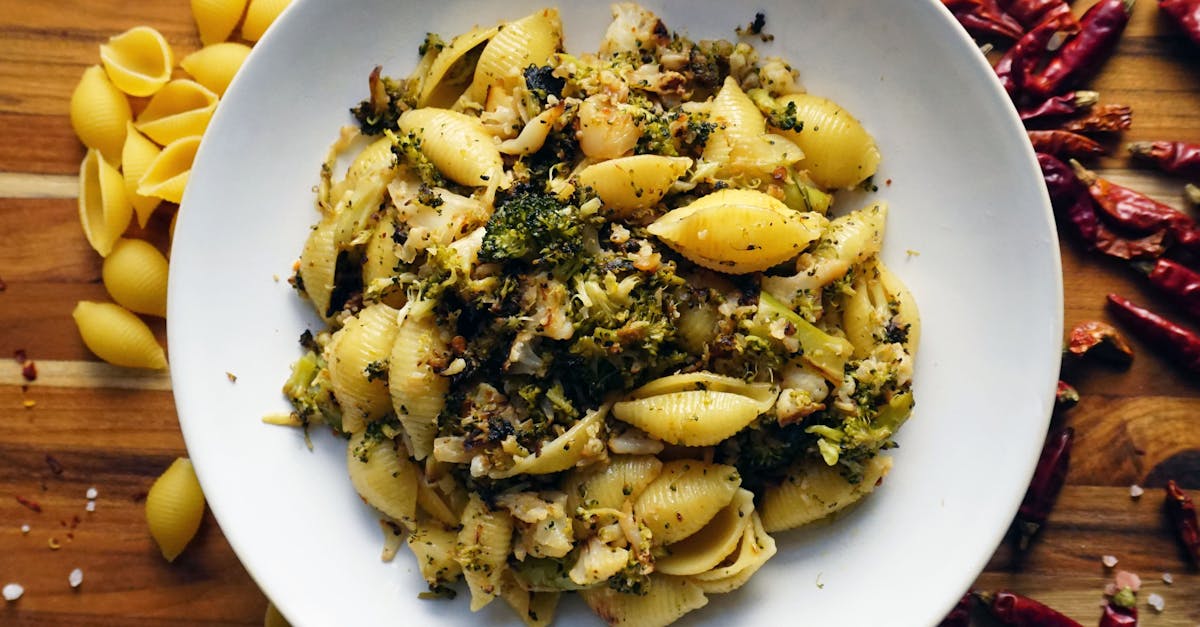
The first time I put chestnuts into pasta, I expected “holiday stuffing energy.” I got something better: a sauce that tasted buttery, nutty, and gently sweet, with the kind of depth you usually need hours to build.
Chestnuts behave like a bridge ingredient. They soften into creaminess, but they also keep a toasted edge, which means you can make a weeknight bowl feel like a small celebration.
This pasta with chestnuts recipe gives you a reliable base version, plus variations (creamy, mushroom, sausage). I’ll also show you how I avoid a gritty or candy-sweet sauce, because yes, that can happen.
Key Takeaways
- This pasta with chestnuts recipe delivers a buttery, nutty, gently sweet sauce that eats savory and feels special while still being weeknight-friendly.
- Toast cooked chestnuts in butter or olive oil for about 4 minutes before building the sauce to boost roasted flavor and prevent a flat, “canned” taste.
- Balance chestnut sweetness with dry white wine plus a final hit of lemon juice or vinegar so the finish tastes bright, not candy-sweet.
- Simmer chestnuts in stock for 6–8 minutes, then partially blend (about two-thirds) to get a velvety sauce with satisfying texture instead of baby-food smoothness.
- Finish the pasta in the skillet with about 1/2 cup pasta water to emulsify the sauce into a glossy, clingy coating, and keep the heat low after adding Parmesan to avoid graininess.
- Choose shapes like tagliatelle, pappardelle, rigatoni, or orecchiette for the best sauce pickup, and limit add-ins to one “heavy” option (mushrooms or sausage) plus a green so the chestnut flavor stays front and center.
Why Chestnuts Work So Well With Pasta
You bite into chestnut pasta and your brain does a little double-take. The flavor reads savory, then sweet, then toasted, all in one fork.
Chestnuts bring starch + natural sugars, which means they can thicken a sauce without flour and round off sharp flavors like garlic or aged cheese.
A quick reality check: chestnuts are not “nuts” in the same way almonds are. They are high in carbs and lower in fat, which means they puree more like a root vegetable than a nut butter. The USDA food database lists roasted chestnuts at about 245 calories per 100 g, which means they add comfort without turning the dish into an oil bomb.
Flavor Profile And Best Pairings
Chestnuts taste sweet, earthy, and buttery, which means they pair best with ingredients that add salt, bitterness, or acidity.
Here are pairings I reach for most:
| Chestnut partner | What it adds | Which means… |
|---|---|---|
| Sage | resinous, woodsy aroma | which means the sauce tastes “Italian fall” instead of dessert |
| Rosemary | sharp pine note | which means sweet chestnut flavor stays controlled |
| Parmesan or Pecorino | salty umami | which means you get depth without extra meat |
| Mushrooms | savory glutamates | which means the dish tastes slow-cooked even when it’s fast |
| Lemon zest or vinegar | bright acid | which means the finish tastes lighter, not cloying |
| Black pepper + chili flakes | heat | which means each bite stays interesting |
Concrete example from my own tests: when I added 1 teaspoon lemon juice to the sauce at the end, the “sweet” note dropped from front-of-mouth to background. Which means the bowl felt balanced, not sugary.
Fresh Vs. Roasted Vs. Vacuum-Packed Chestnuts
I have cooked with all three. They work, but they behave differently.
| Type | Best use | What to watch | Which means… |
|---|---|---|---|
| Fresh chestnuts (raw) | special occasions | you must score and roast/boil: it takes time | which means you get the best aroma but the most prep |
| Roasted chestnuts (already cooked) | weeknight sauces | some brands taste smoky or very dry | which means you may need extra broth and a touch more butter |
| Vacuum-packed (steamed) | smooth purees | can taste a little “canned” if eaten plain | which means you should toast them in butter/olive oil first |
My everyday choice is vacuum-packed chestnuts. I toast them for 4 minutes in a skillet with butter. Which means I get that roasted flavor without turning dinner into a project.
If you use jarred or vacuum-packed chestnuts, check the label for added sugar. Which means you avoid a sauce that drifts into dessert territory.
Ingredients And Substitutions
A chestnut sauce feels fancy, but the ingredient list stays short. The trick is to choose one fat, one salty anchor, and one brightener.
Below is the core set I use for the base recipe (serves 4).
Core ingredients
- 12 oz (340 g) pasta
- 7–8 oz (200–225 g) cooked chestnuts, roughly chopped
- 2 tablespoons unsalted butter (or olive oil)
- 1 small yellow onion, finely diced
- 3 cloves garlic, minced
- 6–8 fresh sage leaves, sliced
- 1/2 cup dry white wine (or broth)
- 1 cup chicken stock or vegetable stock
- 1/2 cup grated Parmesan, plus more for serving
- 1 teaspoon lemon juice (or 2 teaspoons white wine vinegar)
- Salt + black pepper
Every ingredient has a job. Stock adds body, which means the sauce clings. Wine adds acid, which means the sweetness stays in check. Butter adds gloss, which means it reads like restaurant pasta.
Best Pasta Shapes For Chestnut Sauces
Pasta shape controls how the chestnut bits land on the fork.
My top picks:
| Pasta shape | Why it works | Which means… |
|---|---|---|
| Tagliatelle / fettuccine | wide ribbons hold creamy sauce | which means every bite tastes consistent |
| Pappardelle | even wider surface | which means it feels extra luxurious |
| Rigatoni | tubes trap chestnut pieces | which means you get texture in the center |
| Orecchiette | little cups catch sauce | which means toppings don’t slide off |
I avoid very thin pasta like angel hair. Which means the sauce overwhelms it and the chestnut pieces feel bulky.
Aromatics, Herbs, And Seasonings That Complement Chestnuts
You can steer this dish toward “cozy” or “sharp” with small swaps.
My reliable flavor kit:
- Onion or shallot for sweetness, which means the sauce tastes rounded.
- Garlic for edge, which means the chestnuts taste less like a snack.
- Sage for classic Italian warmth, which means the dish signals fall instantly.
- Nutmeg (a pinch) for bakery-like spice, which means you can skip extra cheese.
- Black pepper for bite, which means the sweetness stays background.
If you want a stronger, more savory direction, add 1 teaspoon miso or 1 anchovy fillet to the base. Which means you get umami without tasting “fishy.”
Optional Add-Ins: Mushrooms, Sausage, Pancetta, And Greens
Add-ins change the dish fast. I choose them based on what the meal needs.
| Add-in | Amount | When to add | Which means… |
|---|---|---|---|
| Cremini mushrooms | 8 oz | brown before onions | which means you get a meatless “ragù” feel |
| Italian sausage | 8–10 oz | brown first, then remove | which means you get fat + spice without extra steps |
| Pancetta | 3–4 oz | render first | which means you get salt and crunch |
| Kale or spinach | 3–4 cups | wilt at the end | which means the bowl feels lighter and more complete |
One warning from my own kitchen: too many add-ins can flatten the chestnut flavor. I cap it at one “heavy” add-in (sausage or mushrooms) plus one green. Which means the dish still tastes like chestnuts, not a random pasta night.
If you want a side that contrasts this pasta, I often pair it with a crisp salad like the one in this Casa salad recipe, which means you get crunch and acid against the creamy sauce.
Step-By-Step Pasta With Chestnuts Recipe
The transformation happens fast. The chestnuts go from chunky and plain to a sauce that coats the spoon like velvet.
This is the base version I cook most often.
Time: 30 minutes total, which means it fits a weeknight.
Equipment: large pot, wide skillet, blender (optional).
Prep: Chopping, Toasting, And Building The Base
- Salt the pasta water.
I add 1 tablespoon kosher salt per 4 quarts water, which means the pasta itself tastes seasoned.
- Chop the chestnuts.
I chop into pea-size pieces and keep a few bigger chunks, which means I get both creaminess and bite.
- Toast the chestnuts in fat.
I melt 2 tablespoons butter in a wide skillet over medium heat, then toast chestnuts for 4 minutes.
This step browns the surface, which means the sauce tastes roasted even if the chestnuts came from a vacuum pack.
- Cook onion + garlic + sage.
I add diced onion with a pinch of salt and cook 6 minutes. I add garlic and sliced sage for 45 seconds.
This builds aroma without burning garlic, which means the sauce stays sweet-savory instead of bitter.
Make The Sauce: Deglaze, Simmer, And Balance Sweet-Savory
- Deglaze with wine.
I pour in 1/2 cup dry white wine and scrape the pan for 1 minute.
Deglazing lifts browned bits, which means you get depth without extra ingredients.
- Add stock and simmer.
I add 1 cup stock and simmer 6–8 minutes.
Simmering softens chestnuts, which means they break down into a thick sauce.
- Blend (optional) for smoothness.
- For rustic sauce: I mash with a fork or potato masher.
- For silky sauce: I blend about 2/3 of the sauce and return it to the skillet.
I learned this ratio after three test batches. A fully blended sauce can taste baby-food smooth. Which means you lose the satisfying texture that tells your brain “real food.”
- Add Parmesan and acid.
I reduce heat to low, then stir in 1/2 cup Parmesan and 1 teaspoon lemon juice.
Cheese adds umami, which means the chestnuts taste savory. Acid tightens the flavor, which means the sweetness feels intentional.
Finish The Pasta: Emulsify With Pasta Water And Add Texture
- Cook pasta to just shy of al dente.
I pull it 1 minute early.
This timing lets it finish in sauce, which means the pasta absorbs flavor.
- Emulsify with pasta water.
I add pasta to the skillet plus 1/2 cup pasta water.
Starchy water binds fat and liquid, which means the sauce turns glossy instead of greasy.
- Adjust texture and seasoning.
I simmer 1–2 minutes, then add more pasta water in 2-tablespoon splashes.
I finish with black pepper and a final pinch of salt.
- Serve hot.
I top with extra Parmesan and a few crispy sage leaves.
Practical warning: do not crank the heat after adding cheese. High heat can make cheese clump. Which means you get a grainy sauce instead of a smooth one.
If you want a playful dessert after this cozy dinner, I sometimes make zeppole. A light fried bite works well, which means the meal ends on a bright note instead of a heavy one.
Three Variations To Match Your Mood
Small switches change the whole mood of the bowl. One night it tastes like a creamy trattoria pasta. Another night it tastes like a foresty mushroom dish.
Each option below uses the same base method. I change only a few parts.
Creamy Chestnut Pasta With Parmesan
This version tastes like chestnut “alfredo,” but it stays lighter than it sounds.
What I change
- I add 1/2 cup heavy cream (or 3/4 cup half-and-half) after simmering the stock.
- I reduce stock to 3/4 cup.
Cream adds richness, which means you can use fewer chestnuts and still get body.
Concrete measurement that matters: I keep Parmesan at 1/2 cup, not more. Too much cheese plus cream can mute chestnut flavor. Which means the dish turns into generic white sauce.
Chestnut And Mushroom Ragù (Meatless)
This one smells like damp leaves and browned butter in the best way.
What I change
- I brown 8 oz chopped cremini mushrooms in olive oil for 7 minutes before I add onions.
- I add 1 tablespoon tomato paste and cook it for 1 minute.
Tomato paste adds glutamates and caramel notes, which means the sauce tastes “slow-cooked.”
A useful data point: Monosodium glutamate (MSG) and naturally occurring glutamates amplify savory taste. The concept of umami is well documented, including by UC Davis. Which means mushrooms plus Parmesan can mimic the satisfaction you expect from meat.
Chestnut, Sausage, And Sage Pasta
This is my “cold weather, big appetite” version.
What I change
- I brown 8–10 oz Italian sausage first.
- I remove sausage, then cook the base in the rendered fat.
- I add sausage back at the end.
Sausage fat carries sage aroma, which means the whole dish smells louder and tastes fuller.
Honest assessment: sausage can overpower chestnuts if it is very spicy. I pick sweet Italian sausage and add chili flakes myself. Which means I control the heat.
“If the sauce tastes one-note, I add acid before I add salt.”
That habit saved my second test batch, which tasted flat until 2 teaspoons vinegar snapped it into place. Which means you fix the dish without piling on sodium.
For another cozy, savory side idea on a different night, I also like pickles for contrast. This blue ribbon pickle recipe brings crunch and tang, which means rich pasta feels less heavy.
Tips For Getting Restaurant-Quality Results
You want a sauce that tastes like silk, not sand. You want sweet notes, not candy notes. I learned these fixes the hard way.
How To Avoid A Gritty Or Too-Sweet Sauce
Grit usually comes from dry chestnuts or broken cheese.
I use three controls:
- I toast, then simmer chestnuts for at least 6 minutes, which means they hydrate before I mash them.
- I blend partially, not fully, which means texture stays pleasant.
- I keep cheese off high heat, which means it melts instead of clumping.
Too sweet usually comes from chestnuts plus onion plus wine reduction.
My fix list:
- I use dry white wine, not sweet wine, which means the reduction stays sharp.
- I add 1 teaspoon lemon juice or 2 teaspoons vinegar at the end, which means the finish tastes clean.
- I add black pepper generously, which means sweetness retreats.
Salt, Acid, Fat, And Heat: Nailing The Balance
This sauce behaves like a simple equation.
| Element | What I use | Fast test | Which means… |
|---|---|---|---|
| Salt | Parmesan + pasta water salt | taste a chestnut chunk | which means you season the base flavor, not just the surface |
| Acid | lemon or vinegar | sauce should taste “awake” | which means the bowl feels lighter |
| Fat | butter, sausage fat, or olive oil | sauce should look glossy | which means it coats pasta evenly |
| Heat | black pepper or chili flakes | warmth should appear late | which means it builds interest without burning your mouth |
A numeric target helps me: I aim for 1/2 cup pasta water in the pan at finishing, then I reduce for 90 seconds. Which means I get clingy sauce without dryness.
Timing The Pasta And Sauce So Everything Finishes Together
Timing is where home pasta often falls apart.
Here is the schedule I follow:
- I start water first.
- I build sauce base while water heats.
- I drop pasta when the sauce starts simmering.
This overlap matters. Pasta cooks in 9–12 minutes for most shapes, which means the sauce should be at “ready to blend” stage when pasta hits al dente.
Warning: chestnut sauce thickens fast as it cools. Which means you should serve immediately or hold it with a splash of hot pasta water.
If I need a no-stress dessert that holds well, I use a simple frosting and whatever cake I have. This C&H powdered sugar frosting recipe works in minutes, which means dinner can still feel complete without extra cooking chaos.
Serving Ideas And What To Pair With It
You bring the bowl to the table and it smells like butter, sage, and toasted nuts. The right garnish turns it from “nice” to “I should’ve invited people.”
Garnishes And Finishing Touches
I use one crunch and one fresh note.
Top options:
- Crispy sage leaves (fry 6 leaves for 20 seconds), which means you add fragrance and crackle.
- Toasted breadcrumbs (2 tablespoons), which means you get texture without more cheese.
- Lemon zest (1/2 teaspoon), which means aroma lifts the sauce.
- Chopped chestnuts saved from the pan, which means the dish looks intentional.
Side Dishes And Salad Pairings
Chestnut pasta likes contrast.
Good sides:
- Bitter greens salad with lemon vinaigrette, which means you cut richness.
- Roasted Brussels sprouts at 425°F for 20 minutes, which means you match the toasted notes.
- Simple sautéed broccolini with garlic, which means the plate feels balanced.
Wine And Nonalcoholic Pairings
I pick drinks that support savory and cut sweetness.
| Drink | Why it fits | Which means… |
|---|---|---|
| Pinot Noir | bright red fruit + acid | which means it plays well with sage and mushrooms |
| Barbera | higher acid | which means it resets your palate between bites |
| Dry hard cider | apple acid + gentle funk | which means it echoes fall flavors without heaviness |
| Sparkling water + lemon | clean and sharp | which means the sauce tastes less rich |
| Unsweetened iced tea | tannin bite | which means sweetness stays controlled |
If you choose white wine, I use Pinot Grigio or Verdicchio. Both stay crisp, which means the pairing does not turn creamy-on-creamy.
Storage, Reheating, And Make-Ahead Notes
Day-two chestnut pasta can taste even better. The sauce settles and the sage becomes more present.
But the texture can go wrong if you reheat it like plain marinara.
How To Store And Reheat Without Drying It Out
Storage: I cool the pasta fast and store it in an airtight container for up to 3 days.
Chestnut sauce thickens in the fridge, which means you must add liquid when reheating.
My reheat method (best result):
- I put pasta in a skillet.
- I add 2–4 tablespoons water or stock per serving.
- I warm on medium-low for 4–6 minutes, stirring often.
Low heat protects the cheese emulsion, which means the sauce stays smooth.
Microwave method (still okay):
- I add 1 tablespoon water per cup of pasta.
- I cover loosely.
- I heat in 30-second bursts, stirring each time.
This prevents hot spots, which means the sauce does not split.
Freezing Guidance And What Changes In Texture
I freeze the sauce, not the dressed pasta.
- I freeze sauce for up to 2 months.
- I thaw overnight in the fridge.
- I rewarm gently and add fresh Parmesan.
Chestnuts can turn slightly grainy after freezing, which means blending the reheated sauce for 15 seconds can restore smoothness.
If I know I will freeze it, I hold back the cheese and add it after thawing. Which means the emulsion forms fresh instead of breaking in the freezer.
Conclusion
Chestnut pasta surprised me because it delivers comfort and contrast at the same time. It tastes sweet, but it eats savory.
If you cook one thing from this post, cook the base version and do two small “chef moves”: toast the chestnuts for 4 minutes and finish with acid. Those two steps change the entire bowl, which means you get depth without extra work.
When you make it, pay attention to the moment the sauce turns glossy after pasta water hits the pan. That shine tells you you built an emulsion, which means the dish will taste cohesive from the first fork to the last.
Frequently Asked Questions (FAQs) About Pasta With Chestnuts
What is the best pasta with chestnuts recipe for a quick weeknight dinner?
A reliable pasta with chestnuts recipe uses cooked chestnuts, butter, onion, garlic, sage, dry white wine (or broth), and stock, finished with Parmesan and lemon juice. Toast chestnuts first, then simmer to soften, and finish with pasta water for a glossy, restaurant-style sauce in about 30 minutes.
How do you keep chestnut pasta sauce from tasting gritty or too sweet?
To avoid grit, toast chestnuts, then simmer them in stock for at least 6 minutes so they hydrate before mashing or partially blending. Keep Parmesan off high heat so it doesn’t clump. To prevent candy-sweet flavor, use dry wine and finish with lemon juice or vinegar plus plenty of black pepper.
Which pasta shapes work best with a pasta with chestnuts recipe?
Choose shapes that hold a creamy, chunky sauce well. Tagliatelle, fettuccine, and pappardelle cling to the chestnut sauce for consistent bites, while rigatoni and orecchiette trap chestnut pieces for texture. Very thin pasta like angel hair is usually overwhelmed by the sauce and chestnut chunks.
Can I use vacuum-packed or jarred chestnuts for pasta with chestnuts?
Yes—vacuum-packed (steamed) or jarred chestnuts work great for weeknights. Toast them in butter or olive oil for about 4 minutes to boost roasted flavor before building the sauce. Also check labels for added sugar, since sweetened chestnuts can push the dish into dessert territory.
What proteins or vegetables pair well with chestnut pasta without overpowering it?
Mushrooms, sweet Italian sausage, pancetta, kale, and spinach all pair well, but balance matters. A good rule is one “heavy” add-in (like mushrooms or sausage) plus one green, so the pasta still tastes like chestnuts. Finish with acid (lemon/vinegar) to keep the bowl bright.
Is pasta with chestnuts healthy, and are chestnuts high in calories?
Chestnuts are relatively lower in fat and higher in carbs compared to most nuts, and they puree more like a starchy vegetable than nut butter. Roasted chestnuts are about 245 calories per 100 g. The overall richness depends more on butter, cheese, cream, or sausage than on chestnuts alone.
