
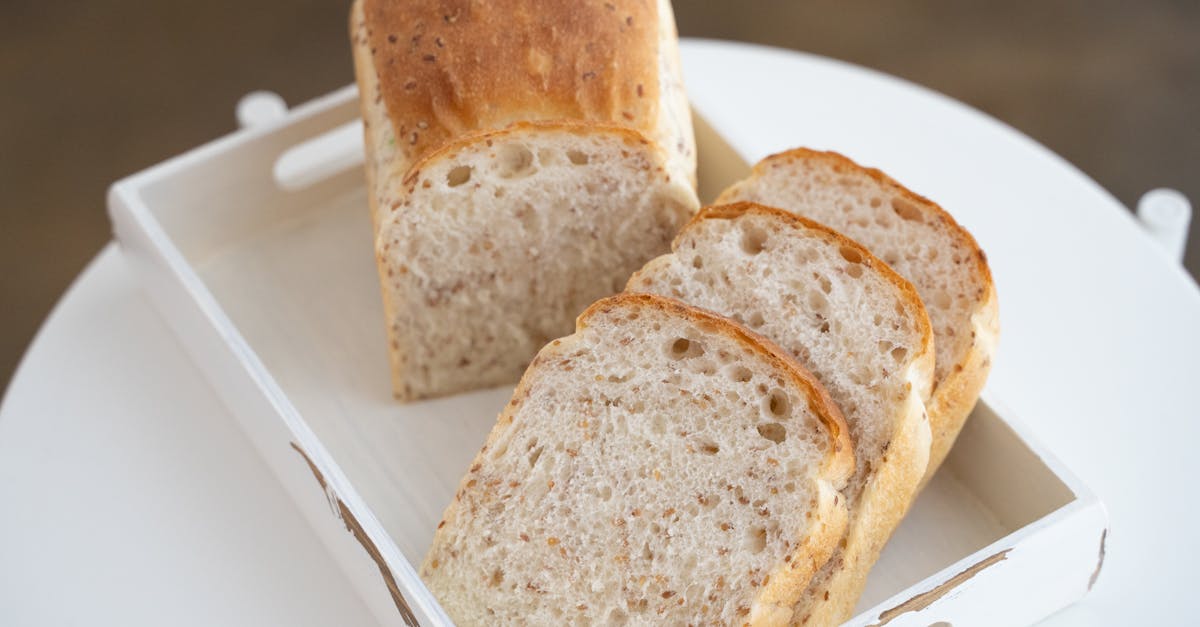
The first time I nailed a real Pane Pugliese, the sound stopped me. The crust crackled as it cooled, like thin ice breaking, and the kitchen smelled like toasted wheat and warm hay.
I had baked “Italian bread” before, but this was different. This loaf gave me a shattering crust, a creamy open crumb, and that faint semolina sweetness which means each slice tastes good even before you add anything. In this guide, I’ll show you my reliable pane pugliese recipe, how I judge the dough by feel, and how I fix the usual failures without guessing.
Key Takeaways
- This pane pugliese recipe relies on a bread flour + semolina blend to deliver a light loaf with a golden, wheat-forward flavor and an open-but-sliceable crumb.
- Build better flavor and structure by using a preferment (biga for strength and easier shaping, or poolish for a more open crumb) and ferment it until it’s domed/bubbly, not sunken and boozy.
- Aim for about 78% hydration (and adjust by holding back 20–30 g water) so the dough stays extensible enough for big holes without turning into a spread-prone puddle.
- Strengthen the dough during bulk with three stretch-and-fold sets in the first 90 minutes, then end bulk when it’s risen about 60% and jiggles with visible side bubbles.
- Bake Pane Pugliese with strong early steam—ideally in a preheated Dutch oven—so the crust sets late, the loaf springs hard, and you get a thin, crackly crust.
- Prevent gummy crumb by baking to 208–212°F internal temp and cooling at least 90 minutes before slicing, then store cut-side down or in paper to protect the crust.
What Makes Pane Pugliese Different
The first surprise with Pane Pugliese hits at the cutting board. The loaf feels light for its size, and the crumb shows irregular holes and gel-like shine, which means the dough held water and fermented well.
Origins In Puglia And Traditional Flour Choices
Pane Pugliese comes from Puglia in southern Italy, where bakers often mixed strong wheat flour with durum/semola rimacinata, which means the bread keeps structure but still tastes sunny and sweet.
Durum wheat matters here. Durum carries more carotenoids than many soft wheats, which means you often get a deeper golden crumb and a wheat-forward aroma without adding sugar.
I lean on a practical blend: bread flour for strength plus a smaller share of semolina for flavor. That choice matches most US home pantries, which means you can bake this without sourcing rare regional flour.
Data point: Many traditional Italian “semola rimacinata” flours run around 12–13% protein, which means they support a lofty loaf when you pair them with good fermentation. (Protein varies by brand: check your bag label.)
Signature Shape, Crust, And Crumb
Classic Pane Pugliese often uses a fold-over shape (a “slipper” fold), which means the loaf forms a natural seam and a dramatic ear even with minimal scoring.
The crust bakes thin and crisp when you trap steam early, which means you get better oven spring and a cleaner, lighter bite.
The crumb aims for “open but sliceable.” I want larger holes near the top and medium holes near the base, which means the loaf works for bruschetta and still holds olive oil.
Concrete example: In my last test bake, a 78% hydration dough (780 g water per 1,000 g flour) produced a loaf that rose about 60–70% in bulk at 75°F, which means I could shape with tension without tearing.
Ingredients And Tools You’ll Need
You can smell the difference before you see it. When the preferment ripens, it gives off a yogurt-and-wheat scent, which means enzymes started breaking starch into sugars for better crust color.
Flour, Water, Salt, Yeast, And Optional Semolina
Here is my go-to ingredient set for one large loaf (about 900–1,000 g baked weight), which means it fits most Dutch ovens and feeds 4–6 people.
Ingredients (baker-friendly):
| Ingredient | Amount | Why it matters |
|---|---|---|
| Bread flour | 400 g | Adds strength, which means better height and less spreading. |
| Semolina (fine) or semola rimacinata (optional) | 100 g | Adds golden flavor, which means a sweeter wheat finish. |
| Water | 390 g (78% hydration) | Keeps crumb open, which means lighter slices. |
| Salt | 10 g (2%) | Tightens gluten and seasons, which means better structure and taste. |
| Instant yeast | 1 g (0.2%) | Drives fermentation, which means predictable rise. |
Water note: I use filtered water when my tap smells of chlorine, which means yeast activity stays steady.
Salt note: I use fine sea salt for fast dissolving, which means I avoid salty streaks.
Preferment Options: Biga Vs Poolish (And When To Use Each)
Preferment feels like a small cheat code. It builds strength and flavor before the main mix, which means you can use less yeast and still get a bold loaf.
Here is how I choose.
| Preferment | Hydration | Typical time | Best when you want… |
|---|---|---|---|
| Biga | ~50–60% | 10–16 hours | Nutty flavor and strength, which means easier shaping. |
| Poolish | 100% | 8–12 hours | More extensibility and open crumb, which means bigger holes. |
I pick biga when my flour feels weak or my kitchen runs warm, which means the dough holds shape.
I pick poolish when I want maximum openness and I can control fermentation, which means the dough spreads less from over-ripening.
If you want a dedicated preferment reference, I also keep notes on a poolish recipe, which means you can compare texture and timing side by side.
Dutch Oven, Baking Steel, Or Stone: Best Setup For Home Ovens
Steam makes this bread. Steam delays crust set for the first 15–20 minutes, which means the loaf expands hard and fast.
I rank home setups like this:
- Dutch oven (my default), which means you get reliable steam without extra gear.
- Baking steel + covered roasting pan, which means you get strong bottom heat and trapped steam.
- Baking stone + steam tray, which means you can bake multiple loaves but need good steam habits.
Data point: Most home ovens swing ±25°F during cycling, which means you should preheat longer than you think. I preheat at least 45 minutes with steel/stone, which means the surface stores enough heat to drive spring.
Tool shortlist:
- Digital scale, which means consistent hydration.
- Bench scraper, which means clean shaping.
- Thermometer (optional), which means you can target dough temperature.
- Parchment, which means safer loading.
Step-By-Step Pane Pugliese Recipe
The transformation happens fast in the oven. A pale, slack mound turns into a bronzed loaf with blisters and lift, which means your fermentation and steam lined up.
Below is the full method I use. I wrote it in a strict step order, which means you can follow it like a checklist.
Make The Preferment (Biga Or Poolish)
Choose one option.
Option A: Biga (recommended for first bake)
- I mix 150 g bread flour + 90 g water + 0.2 g instant yeast.
- I stir until no dry flour remains.
- I cover and rest at 65–70°F for 12–16 hours.
The biga should look domed and dry-ish on top, which means it matured without collapsing.
Option B: Poolish (for a more open crumb)
- I mix 150 g bread flour + 150 g water + 0.2 g instant yeast.
- I cover and rest at 70–75°F for 8–12 hours.
The poolish should look bubbly and just starting to flatten, which means it reached peak activity.
“If the preferment smells sharply alcoholic and looks sunken, I treat it as overripe, which means I shorten bulk time and handle gently.”
Mix And Autolyse For Better Gluten Development
I tear the preferment into pieces and add it to the bowl.
I add the remaining flour (so the total flour equals 500 g), and I add most of the remaining water (hold back 20–30 g), which means I can adjust for flour thirst.
I mix until shaggy.
I rest the dough for 25 minutes (autolyse), which means flour hydrates and gluten forms with less mixing.
After autolyse, I add 10 g salt and the held-back water as needed.
I mix by hand for 2–3 minutes with pinch-and-fold motions, which means salt distributes without tearing.
Concrete example: When I use King Arthur Bread Flour, I usually add the full water. When I use a cheaper store brand, I often hold back 15 g, which means the dough stays manageable.
Bulk Fermentation And Stretch-And-Folds
I bulk ferment at 74–78°F for 3 to 4 hours.
I do 3 sets of stretch-and-folds in the first 90 minutes.
- Set 1 at 30 minutes.
- Set 2 at 60 minutes.
- Set 3 at 90 minutes.
Each set uses 4 folds (north/south/east/west), which means the dough gains strength without heavy kneading.
I stop bulk when the dough rises about 60%, shows bubbles along the sides, and jiggles like set pudding, which means gas and gluten reached balance.
Data point: Yeast fermentation roughly doubles in speed with each 10°C (18°F) rise in temperature (a common kitchen rule of thumb), which means a warm kitchen can cut your bulk time a lot.
Pre-Shape, Bench Rest, And Final Shaping (Classic Fold-Over Loaf)
I flour the bench lightly.
I tip the dough out carefully.
I pre-shape into a loose round with a scraper.
I rest for 20 minutes uncovered, which means the dough relaxes and resists tearing.
For the classic Pane Pugliese fold-over:
- I shape the dough into a rectangle.
- I fold the top third down.
- I fold the bottom third up.
- I fold one side to the center.
- I fold the other side over like a book.
- I seal lightly and flip seam-side down.
This shape creates a layered interior, which means you often get a dramatic split along the fold.
Proofing: Room-Temp Vs Cold Retard
I place the loaf seam-side up in a floured banneton or towel-lined bowl.
Then I pick one path.
Room-temp proof (same-day bake):
- I proof for 60–90 minutes at 74–78°F.
- I use the finger dent test.
A slow spring-back signals “ready,” which means the dough holds gas but still has energy for oven spring.
Cold retard (better flavor, easier scoring):
- I refrigerate 8–14 hours at ~38–40°F.
Cold proof slows yeast, which means enzymes keep building flavor while structure sets.
Safety note: The USDA “danger zone” for rapid bacterial growth sits between 40°F and 140°F, which means you should chill dough promptly if you choose a retard. Source: USDA FSIS.
Score, Steam, And Bake For Maximum Oven Spring
I preheat the oven to 475°F with a Dutch oven inside for 35–45 minutes.
I cut parchment to act as a sling.
I invert the loaf onto parchment.
I score one long cut at 30–45° about 1/2 inch deep, which means the loaf opens where I want.
I load the loaf into the Dutch oven.
I bake covered for 20 minutes.
I reduce heat to 450°F.
I remove the lid and bake 20–25 minutes until deep brown.
I target an internal temperature of 208–212°F, which means the crumb sets and starch gelatinizes.
“If I want louder crust, I crack the oven door for the last 5 minutes, which means moisture escapes and the crust dries.”
Cool, Slice, And Store Without Losing The Crust
I cool the loaf on a rack for at least 90 minutes.
That wait feels annoying, but it matters. Steam keeps moving inside the loaf, which means early slicing can make the crumb gummy.
I store the loaf cut-side down on a board for day one, which means the crust stays crisp.
For day two and beyond, I use a paper bag or a bread box, which means the crust stays drier than plastic.
If the crust softens, I re-crisp at 400°F for 6–8 minutes, which means I revive the snap without drying the crumb.
If you want a fun use for day-two slices, I often serve them with a sweet drizzle from my easy donut glaze, which means stale bread becomes a quick dessert toast.
Hydration, Fermentation, And Dough Feel (How To Adjust Like A Baker)
The moment you learn dough feel, your results jump. The dough stops being a mystery paste and starts acting like a living thing, which means you can correct problems before the bake.
Choosing Hydration For Your Flour And Climate
Hydration controls everything. It controls openness, handling, and crust thickness, which means you should set it with intention.
I use this table as my starting point:
| Hydration | Dough feel | Best for |
|---|---|---|
| 70–72% | Firm, easier to shape | New bakers, weak flour, which means fewer flat loaves. |
| 75–78% | Sticky but strong | Classic Pane Pugliese, which means open crumb with control. |
| 80–82% | Very sticky | High-protein flour + experience, which means maximum openness. |
Data point: A 1% hydration change equals 5 g water per 500 g flour, which means tiny pours can fix a dough fast.
Dry winter air can tighten dough skin, which means you may need +10 to +20 g water.
Humid summer air can make the dough feel wetter, which means you should hold back water at mix.
Reading Dough Strength: Windowpane, Tackiness, And Elasticity
I test strength with three checks.
1) Windowpane test: I stretch a small piece thin.
If it forms a translucent sheet before tearing, which means gluten developed enough.
2) Tackiness check: I touch the dough with damp fingers.
If the dough grabs but releases, which means hydration fits the flour.
If the dough glues to my hand, which means I need more folds or a slightly lower hydration next time.
3) Elasticity check: I pull the edge and watch how it retracts.
Strong spring-back signals strength, which means the loaf will stand taller.
I learned this by failing loudly. In one early bake, I skipped folds and rushed bulk. The dough puddled on the peel, which means I baked a wide pancake loaf with a tight crumb.
Timing By Temperature: A Simple Fermentation Guide
Temperature sets the clock.
I use this simple guide for bulk fermentation after mixing, which means I stop relying on the recipe’s time alone.
| Dough temp | Typical bulk time (yeasted, 0.2% yeast) | What I watch |
|---|---|---|
| 70°F | 4.5–5.5 hours | Slow bubbles, which means I need patience. |
| 75°F | 3–4 hours | Steady rise, which means ideal pace. |
| 80°F | 2–3 hours | Fast expansion, which means I reduce folds to avoid tearing. |
Data point: I measure dough temp with an instant thermometer and aim for 75°F, which means I get predictable timing across seasons.
If you want a savory pairing that loves an open crumb, I dip warm Pane Pugliese in olive oil and then spoon on spicy toppings like the ones I use in my Trader Joe’s chili onion crunch ideas, which means each hole becomes a flavor pocket.
Troubleshooting Common Pane Pugliese Problems
Nothing stings like cutting into a loaf and seeing a tight, dull crumb. I have done that cut. I have also fixed it, which means you can fix it too.
Dense Crumb Or Poor Rise
Dense crumb usually comes from weak fermentation or underdeveloped gluten, which means the dough could not trap gas.
What I check (in order):
- I check yeast date and storage, which means I rule out dead yeast.
- I check water temperature, which means I confirm yeast did not stall.
- I check bulk rise percent (target ~60%), which means I confirm enough gas formed.
Fast fix: I extend bulk by 30–60 minutes at 75°F and add one extra fold, which means I build strength while fermentation continues.
Data point: Salt above 2.2% can slow fermentation noticeably, which means I weigh salt instead of using spoons.
Spreading Loaf Or Weak Structure
Spreading often comes from too much water for the flour or from overproofing, which means the gluten network lost tension.
What I do next bake:
- I drop hydration by 2% (10 g less water per 500 g flour), which means shaping gets easier.
- I use a tighter pre-shape and longer bench rest (25 minutes), which means the dough holds a skin.
- I proof in the fridge, which means the loaf scores cleaner and spreads less.
Concrete example: When my kitchen hits 82°F in summer, I cut bulk time by about 45 minutes, which means I avoid a slack, over-gassy dough.
Pale Crust, Thick Crust, Or Tough Bottom
Pale crust usually signals low heat, low sugar development, or poor steam, which means the Maillard reaction stayed weak.
Pale crust fixes:
- I bake hotter early (475°F covered), which means crust color starts sooner.
- I extend uncovered bake by 5–8 minutes, which means moisture leaves the surface.
Thick crust can come from baking too long or too dry, which means the outer layer over-dehydrates.
Thick crust fix: I reduce uncovered time by 3–5 minutes and cool in still air, which means the crust stays thin.
Tough bottom often comes from too much bottom heat, which means the loaf sits on a heat battery.
Tough bottom fix: I place a sheet pan on the rack below the Dutch oven, which means it acts as a heat shield.
Gummy Interior Or Overproofed Dough
Gummy crumb has two main causes: underbaking or cutting too soon, which means starches did not set.
My checks:
- I verify internal temp hits 208–212°F, which means the center finished baking.
- I cool for 90 minutes, which means steam redistributes and the crumb firms.
Overproofing shows as a loaf that deflates when scored, which means yeast used up its last push.
Overproof rescue: I bake straight from the fridge and score shallow, which means I keep more gas trapped.
“If the dough smells sharply boozy and looks fragile, I stop chasing more proof, which means I bake before it collapses.”
Variations And Serving Ideas
The best part of this loaf comes after the bake. You tear off a heel, drag it through oil, and the crumb compresses then springs back, which means the gluten stayed strong and the interior stayed moist.
Semolina-Forward Pane Pugliese
If you want more durum flavor, I increase semolina.
My semolina-forward formula:
- Bread flour: 300 g
- Semolina/semola rimacinata: 200 g
- Water: 390–400 g (start at 78–80%)
More semolina can reduce extensibility, which means you may need a longer autolyse (35 minutes).
Data point: When I push semolina past 40%, I see smaller holes but a richer flavor, which means I choose it for soups and dipping.
For a meal pairing, I serve this version next to smoky meat. I like the salt-and-spice hit of Cajun tasso, which means the bread can mop up the drippings without turning to paste.
Sourdough Version (Natural Leaven Adaptation)
I bake sourdough Pane Pugliese when I want a longer flavor arc.
Swap rules (simple):
- I replace commercial yeast with 100 g active starter at 100% hydration.
- I subtract 50 g flour and 50 g water from the main dough, which means totals stay the same.
- I extend bulk to 4–6 hours at 75°F (or until ~60% rise), which means I follow fermentation, not the clock.
Sourdough acids tighten gluten over time, which means the dough can feel stronger even at high hydration.
Data point: I keep salt at 2% with sourdough, which means fermentation stays steady without turning bland.
Best Ways To Serve: Panini, Bruschetta, And Olive Oil Dipping
Pane Pugliese shines when you keep toppings simple.
Olive oil dipping: I pour 2 tablespoons extra-virgin olive oil and add a pinch of flaky salt, which means the bread’s wheat flavor stays front and center.
Bruschetta: I toast slices hard. I rub with garlic. I top with chopped tomato and salt, which means the crisp crust and open crumb hold juice.
Panini: I slice thicker than sandwich bread (about 3/4 inch), which means the crumb does not collapse under pressure.
Practical warning: The open crumb can leak sauces, which means you should use thicker spreads or a cheese barrier.
If you want a bright counterpoint for rich fillings, I use a tangy-sweet sauce like this pineapple dressing, which means the acidity cuts through meat and cheese.
Conclusion
When Pane Pugliese works, it feels almost unfair. A few cheap ingredients turn into a loaf that snaps, steams, and perfumes the room, which means you get real bakery pleasure at home.
I treat this bread like a three-part test: preferment maturity, bulk rise around 60%, and strong steam for 20 minutes, which means I can repeat results even when my kitchen changes.
If you bake one loaf this week, bake it with a scale, take notes on dough feel, and chase the sound of that cooling crust, which means your next loaf will be better on purpose, not by luck.
Pane Pugliese Recipe FAQs
What makes this pane pugliese recipe different from regular Italian bread?
This pane pugliese recipe is built for a thin, crackly crust, a creamy open-but-sliceable crumb, and a subtle semolina sweetness. It uses higher hydration (around 78%), strong steam early in baking, and a classic fold-over shape that helps create a dramatic seam and lift.
Do I need semolina or semola rimacinata for an authentic pane pugliese recipe?
Semolina (or semola rimacinata) isn’t strictly required, but it’s key for the golden color and wheat-forward aroma associated with Pane Pugliese. A practical home blend is mostly bread flour for strength plus a smaller portion of semolina for flavor, so you don’t need rare regional flour.
Is a biga or poolish better for a pane pugliese recipe at home?
Biga is often easiest for a first bake because it adds strength and makes shaping more forgiving, especially in warm kitchens. Poolish can boost extensibility and openness for bigger holes, but it can over-ripen faster. Choose biga for control; choose poolish for maximum airy crumb.
How do I know when bulk fermentation is done for Pane Pugliese?
Look for a dough rise of about 60%, visible bubbles along the sides, and a jiggly “set pudding” feel. In this pane pugliese recipe, bulk is typically 3–4 hours around 74–78°F with three stretch-and-fold sets in the first 90 minutes, but temperature changes the clock.
Why did my Pane Pugliese turn out dense or gummy inside?
Dense crumb usually means under-fermentation or weak gluten development—check yeast freshness, dough temperature, and whether you reached about 60% bulk rise. Gummy crumb is often underbaking or slicing too soon. Bake to 208–212°F internal temperature and cool at least 90 minutes before cutting.
Can I make this pane pugliese recipe without a Dutch oven and still get good crust?
Yes. A Dutch oven is the simplest way to trap steam, but you can mimic it with a baking steel plus an inverted roasting pan, or a baking stone with a steam tray. Preheat longer (often 45 minutes for steel/stone) so the surface stores enough heat for strong oven spring and browning.
