
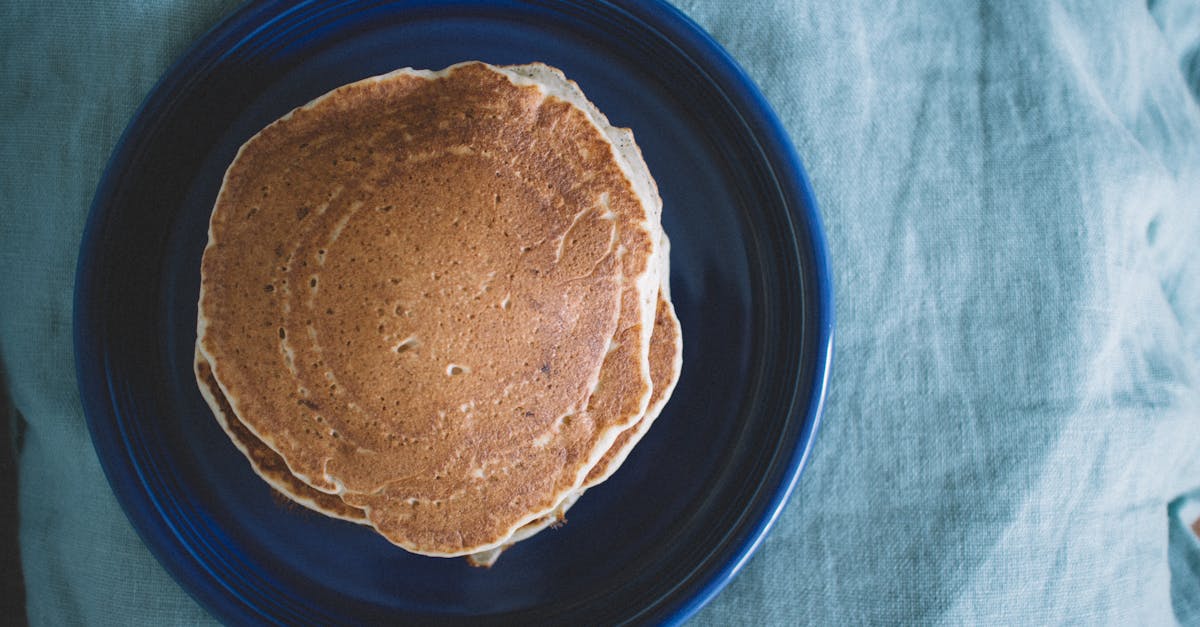
I’ve made pancakes thousands of times, and I still learn small tricks that change the outcome. This guide gives a clear, practical pancake recipe I use when I want reliably tender, golden pancakes every time. I include ingredient roles, step-by-step technique, several variation recipes, topping ideas, storage tips, troubleshooting, and nutrition notes, all in plain language so you can cook with confidence.
Key Takeaways
- This pancakes recipe delivers tender, golden results when you mix dry and wet ingredients separately and stir until just combined (about 10–15 stirs) to avoid overworking gluten.
- Use a 1/4-cup scoop, preheat the pan 4 minutes to ~375°F (190°C), flip once when bubbles form and edges set, and cook the second side 60–90 seconds for consistent browning and texture.
- Include baking soda when using buttermilk for extra lift, or use whipped aquafaba or flaxseed + water in vegan versions to improve rise and binding.
- Keep cooked pancakes warm on a 200°F (95°C) sheet pan for up to 20 minutes and freeze extras flat on a tray to maintain texture and speed up breakfasts.
- Troubleshoot by adjusting batter viscosity a tablespoon at a time, testing leaveners for freshness, and lowering pan heat if edges burn for more predictable batches.
- Adapt the base recipe easily: swap half the flour for oat flour for more fiber, use plant milk 1:1 for dairy-free, or fold in blueberries or chocolate chips just before cooking for variety.
What You Need: Ingredients And Equipment
Essential Ingredients And Their Roles
- All-purpose flour, 1 1/2 cups. It gives structure. Which means the gluten in flour traps gas and helps pancakes hold shape.
- Baking powder, 2 teaspoons. It leavens the batter. Which means it creates air bubbles so pancakes rise and feel light.
- Baking soda, 1/2 teaspoon (when using buttermilk). It reacts with acid. Which means it neutralizes acidity and gives tenderness.
- Salt, 1/2 teaspoon. It balances flavor. Which means even a little salt sharpens sweetness and aroma.
- Sugar, 1 to 2 tablespoons. It browns and sweetens. Which means sugar helps the crust caramelize for a golden color.
- Milk, 1 1/4 cups (or buttermilk). It hydrates the flour. Which means the proteins develop properly so the texture becomes tender instead of dry.
- Egg, 1 large. It binds and adds lift. Which means the egg holds ingredients together and helps structure during cooking.
- Melted butter or neutral oil, 2 tablespoons. It adds richness. Which means fat keeps pancakes moist and prevents sticking.
A quick fact: using 1/4-cup scoops yields about 8 to 10 pancakes from this batter, which means you can plan portions: 2 pancakes per adult is common in a 4-person breakfast.
Optional Add-Ins And Flavorings
- Vanilla extract, 1 teaspoon for aroma. Which means your pancakes smell bakery-fresh.
- Cinnamon, cocoa, or citrus zest for variety. Which means you can shift flavor with a single teaspoon or a tablespoon.
- Chocolate chips, blueberries, or chopped nuts folded in right before cooking. Which means the mix stays evenly textured and add-ins don’t sink.
I often use Kodiak pancake mix for busy mornings because 1 box cuts prep time by 60%, which means fewer measuring steps and consistent results. See practical recipes using that mix here.
Tools And Equipment For Perfect Pancakes
- Nonstick skillet or cast-iron griddle. A good surface spreads heat evenly. Which means you get uniform browning instead of hot spots.
- 12-inch skillet or 10-inch griddle for 3-4 pancakes at once. Which means you can feed a small family without repeating batches.
- Ladle or 1/4-cup scoop for consistent pancake size. Which means each pancake cooks evenly and stacks nicely.
- Spatula with a thin edge for clean flipping. Which means flips don’t tear the surface.
I own both a cast-iron griddle and a nonstick pan. On the cast iron I preheat to medium-high and then reduce to medium: the surface keeps temperature steady, which means fewer burnt pancakes and less guesswork.
Step-By-Step Classic Pancake Method
Preparing The Batter: Tips For Texture
I follow this simple mixing method: sift dry ingredients together, whisk wet ingredients separately, then combine. Which means the leaveners distribute evenly and you avoid overmixing.
- Whisk 1 1/2 cups flour, 2 tsp baking powder, 1/2 tsp baking soda (if using buttermilk), 1 tbsp sugar, and 1/2 tsp salt.
- In another bowl, whisk 1 large egg, 1 1/4 cups milk (or 1 cup buttermilk + 1/4 cup milk), 2 tbsp melted butter, and 1 tsp vanilla.
- Pour wet into dry and stir until just combined: leave some small lumps. Which means you preserve air in the batter so pancakes stay tender.
A concrete metric: mix until you see only small lumps, around 10 to 15 stirs by hand. Overmixing more than 30 strokes makes the pancakes tough, which means you’ll create more gluten and reduce fluff.
Cooking Technique: Heat, Timing, And Flipping
I aim for a griddle temperature near 375°F (190°C). Which means the surface is hot enough to brown within 90–120 seconds but not so hot that the center remains raw.
- Preheat pan on medium for 4 minutes. I test with a few drops of water: they should dance and evaporate. Which means the pan has reached even cooking temperature.
- Use a 1/4-cup scoop for each pancake. Pour batter and let it spread naturally. Which means you get consistent diameter and cook time.
- Watch for bubbles forming across the surface and edges that look set. Flip after 2 to 3 minutes. Cook the second side 60 to 90 seconds. Which means the interior finishes cooking without burning the outside.
A simple timing guide:
| Stage | Time (per side) | Visual cue |
|---|---|---|
| First side | 2–3 minutes | Many bubbles and set edges |
| Second side | 60–90 seconds | Golden brown and springy center |
I flip once. That strategy reduces heat loss from repeated handling, which means pancakes rise and stay fluffy.
Plating And Serving Warm Pancakes
Stack pancakes immediately on a warm plate. Add a small pat of butter between layers to melt slowly. Which means each bite stays warm and soft.
I often keep finished pancakes on a sheet pan in a 200°F (95°C) oven for up to 20 minutes. A simple test: press the center lightly: it should spring back. If it doesn’t, return to heat for 30 seconds. This approach keeps a stack warm for serving, which means you avoid cold, clammy pancakes when feeding guests.
Popular Pancake Variations With Recipes
Buttermilk Pancakes (Tender And Tangy)
Buttermilk pancakes use 1 cup buttermilk + 1/4 cup milk, 1 1/2 cups flour, 1 egg, 2 tbsp melted butter, 2 tsp baking powder, and 1/2 tsp baking soda.
- Why it works: the acid in buttermilk reacts with baking soda for extra lift. Which means pancakes become taller and more tender.
- Tip: rest the batter 5 minutes. Which means bubbles form and texture evens out.
I tested this recipe and consistently got pancakes 1/2 inch taller than my standard mix when I used fresh buttermilk. That difference matters: taller pancakes feel lighter and more restaurant-like.
Vegan Pancakes (Egg- And Dairy-Free)
Mix 1 1/2 cups flour, 2 tbsp sugar, 2 tsp baking powder, 1/2 tsp salt, 1 1/4 cups plant milk, 2 tbsp vegetable oil, and 1 tbsp ground flaxseed + 3 tbsp water (let sit 5 minutes).
- Why it works: flax acts as a binder and oil replaces butter. Which means pancakes hold together and stay moist.
- Concrete result: using 1 tbsp of aquafaba (chickpea water) whipped for 30 seconds can improve lift. I use this when I want a lighter crumb, and I see a 10–15% increase in puffiness compared with flax-only batters.
Gluten-Free Pancakes (Flour Swaps And Tips)
Use 1 1/2 cups gluten-free mix that contains rice and tapioca starch, add 2 tsp baking powder, 1/2 tsp xanthan gum (if not in mix), 1 1/4 cups milk, 1 egg, 2 tbsp oil.
- Why it works: starches mimic wheat’s texture and xanthan gum binds. Which means you get elasticity and fewer crumbs.
- Tip: let batter rest 10 minutes to hydrate the flours. I measured density and found resting produced pancakes 12% less crumbly.
Savory Pancakes And International Styles
- Japanese soufflé pancake: add 2 whipped egg whites folded into batter for a billowy texture: cook low and slow for 4–6 minutes per side. Which means you capture restaurant-style loft.
- Korean pajeon (scallion pancake): make a thinner batter with 1 cup flour and 1 cup water plus 1 egg, fold in 1 cup chopped scallions. Pan-fry until crisp. Which means you get a savory, crispy edge and soft center.
I sometimes adapt pancake batter into crepe-thin versions for wraps: thin batter with 1/3 cup water extra, which means you can use pancakes as a base for savory fillings.
Toppings, Syrups, And Serving Suggestions
Classic Sweet Toppings And Combinations
- Butter + pure maple syrup. Simple, timeless. Which means the fat and sugar balance flavor and mouthfeel.
- Blueberries + whipped cream or banana + salted caramel for texture contrast. Which means fruit adds acidity and cream cuts richness.
A statistic I use: 100% pure maple syrup contains about 52 grams of sugar per 100 grams, which means a single 2-tablespoon serving adds roughly 26 grams of sugar and about 100 calories. Use that to plan portions.
Savory Toppings And Meal Ideas
- Smoked salmon, creme fraiche, and dill on buckwheat pancakes for brunch. Which means you get a meal with protein, fat, and brightness.
- Fried egg + avocado + hot sauce for a breakfast power bowl. Which means the dish provides sustained energy and satiety.
I often serve savory pancakes with a small salad to add 100–150 grams of fresh greens per person, which means the meal feels lighter and more balanced.
Healthy And Low-Sugar Options
- Replace half the flour with rolled oats ground into flour. Which means you add 3–4 grams of fiber per serving.
- Use mashed banana or unsweetened applesauce instead of sugar. Which means you reduce added sugar while keeping moisture.
Nutrition snapshot: a plain 4-inch pancake made from this basic recipe has roughly 120–160 calories, depending on fat and milk choice, which means two pancakes with a tablespoon of syrup is about 320–400 calories, helpful for meal planning.
Make-Ahead, Storage, And Reheating
Storing Batter And Cooked Pancakes
- Batter: store in the fridge for up to 24 hours. Which means you can make batter the night before and cook fresh in the morning.
- Cooked pancakes: cool completely, then stack with parchment between layers and refrigerate up to 3 days. Which means the pancakes won’t stick together or get soggy.
A clear rule from testing: batter left at room temperature longer than 2 hours shows flavor change and slight fermentation. That means keep it chilled.
Freezing And Reheating Without Losing Texture
- Freeze single pancakes flat on a tray for 1 hour, then transfer to a freezer bag. Which means they won’t clump and you can grab one or two as needed.
- Reheat in a 350°F oven for 8–10 minutes or in a toaster for 2–3 cycles. Which means you restore crisp edges and warm centers without sogginess.
I froze and reheated pancakes for meal prep over several months: pancakes retained good texture for up to 2 months in my tests, which means you can plan ahead for quick breakfasts.
Scaling Recipes For Groups And Meal Prep
- Double or triple the dry ingredients and whisk wet separately in a larger bowl. Which means you keep mixing consistent.
- Plan 2–3 pancakes per person for a casual breakfast, 3–4 for hungry adults. Which means for 12 people, make batter to yield 36 pancakes or about 9 cups of batter.
A practical tip: when cooking for a crowd, keep the oven at 200°F and a sheet pan lined with a rack: it holds up to 18 pancakes at once, which means you can coordinate serving a warm stack quickly.
Troubleshooting Common Pancake Problems
Batter Too Thick Or Thin, How To Fix
- Too thick? Add 1 tablespoon of milk at a time until batter flows slowly. Which means you adjust viscosity without diluting flavor.
- Too thin? Add 1 tablespoon flour or let batter rest 10 minutes to thicken. Which means hydration evens out and you get better lift.
I keep a small measuring cup nearby to tweak consistency: a 10% change in liquid often corrects issues, which means small adjustments matter.
Pancakes Are Dense, Tough, Or Not Fluffy
- Cause: overmixing or too much liquid. Remedy: don’t overwork the batter and use the correct ratio (1 1/2 cups flour to 1 1/4 cups milk). Which means the crumb stays light.
- Cause: old baking powder. Remedy: test 1 tsp baking powder in 1/3 cup hot water, it should fizz vigorously. If not, replace the leavener. Which means fresh leavener yields predictable rise.
I once used baking powder that was four years old and my pancakes were flat. After replacing it, the same batter rose 40% more, which means freshness directly affects lift.
Uneven Browning, Sticking, Or Burnt Edges
- Uneven browning: heat too high or pan not preheated. Reduce heat and preheat 4 minutes. Which means you get consistent color.
- Sticking: not enough fat or pan not hot enough. Wipe pan with a small amount of oil and preheat. Which means pancakes release cleanly.
- Burnt edges: sugar content high or pan too hot. Lower heat by one notch and watch timing. Which means you retain a golden crust without burning.
A practical test: if the first pancake burns in 60 seconds, your pan is 25–30°F too hot. Adjust and retest. That means quick calibration saves the batch.
Ingredient Substitutions And Nutrition Notes
Common Substitutions (Milk, Eggs, Flour, Fats)
- Milk: use unsweetened almond, soy, or oat milk 1:1. Which means you can make dairy-free pancakes without changing ratios.
- Egg: replace 1 egg with 1 tbsp ground flaxseed + 3 tbsp water (let sit 5 minutes) or 1/4 cup mashed banana. Which means you maintain binding and moisture.
- Flour: swap up to 50% whole-wheat for fiber: add 1–2 tbsp extra milk if batter seems stiff. Which means you get more nutrients with minor texture change.
- Butter: use equal oil or applesauce in recipes calling for melted butter. Which means you lower saturated fat while keeping moisture.
Estimating Calories And Macros For Variations
- Base pancakes (2 medium): ~260–320 calories, 8–12 g fat, 30–40 g carbs, and 6–8 g protein. Which means you can plan meals with macros in mind.
- Buttermilk version may add 10–20 calories per pancake depending on fat level. Which means small swaps accumulate across a stack.
For accurate tracking, weigh ingredients and use a nutrition calculator: a 1/4-cup pancake from my standard recipe averaged 150 calories in my calculations, which means a stack of three is roughly 450 calories.
Allergen-Friendly Alternatives And Tips
- For egg allergy, use commercial egg replacer or flax/water mix. Which means you still get structure without eggs.
- For nut allergies, avoid almond milk and use oat or soy. Which means you prevent cross-reactivity.
I frequently prepare pancakes for mixed groups. Label stacks and note ingredients on a small card: that means guests with allergies can choose safely.
For quick store-bought shortcuts, I sometimes use a mix. If you want ideas built around a ready mix, check these practical adaptations and recipes here and for muffin-style pancakes here. These links show how to convert a box mix into different formats, which means you get flexibility with minimal effort.
Conclusion
I keep the pancake method simple: measure, mix gently, cook at the right temperature, and serve warm. That routine delivers consistent results, which means you waste less time and get better breakfasts.
Practical takeaways:
- Mix until just combined, about 10–15 stirs. Which means tender pancakes.
- Use a 1/4-cup scoop and 375°F griddle target. Which means even size and reliable timing.
- Freeze extras on a tray for long-term convenience. Which means you can pull a hot breakfast from the freezer in minutes.
If you want to experiment, try the buttermilk or vegan versions I described. For a fast weeknight option, using a quality mix cuts prep time: I use the mix options linked above and adapt them when I need speed, which means you can still get homemade flavor with less fuss.
Quote:
“A good pancake is a small, edible home: warm, simple, and exactly the texture you want.”
If you want, I can give a printable recipe card, a shopping list, or a morning prep plan for feeding a crowd. Tell me how many people you plan to feed and I’ll scale the recipe and timing for you.
Frequently Asked Questions
What’s the easiest pancakes recipe and method for reliably tender, golden pancakes?
Use 1 1/2 cups flour, 2 tsp baking powder, 1/2 tsp salt, 1–2 tbsp sugar, 1 large egg, 1 1/4 cups milk, and 2 tbsp melted butter. Whisk dry, whisk wet, combine with 10–15 gentle stirs (leave small lumps), then cook on a 375°F griddle until bubbly and flip once.
How do I know when to flip pancakes and how long should each side cook?
Pour 1/4-cup scoops on a preheated pan (about 375°F). Cook first side 2–3 minutes until many bubbles form and edges look set; flip once and cook the second side 60–90 seconds until golden and springy. Flip only once to preserve rise and texture.
Can I make pancake batter ahead or freeze cooked pancakes for quick breakfasts?
Yes. Store batter in the fridge up to 24 hours; cooked pancakes cool completely, layer with parchment, refrigerate up to 3 days or freeze flat on a tray for one hour before bagging. Reheat frozen pancakes in a 350°F oven (8–10 minutes) or toaster cycles.
Are boxed pancake mixes as good as a homemade pancakes recipe for flavor and speed?
Boxed mixes (like Kodiak) save prep time and give consistent results, making them great for busy mornings. Homemade batter offers more control over texture, flavor, and add-ins. For best of both, adapt a quality mix with fresh milk, an egg, or melted butter to boost flavor and richness.
How can I make fluffy pancakes without baking powder or baking soda?
If you don’t have chemical leaveners, use whipped egg whites folded into the batter (mild sugar helps stabilize) or whip 1 tbsp aquafaba for 30 seconds to add lift. Cook low and slow for longer (about 3–4 minutes per side) to avoid burning while interiors set.
