
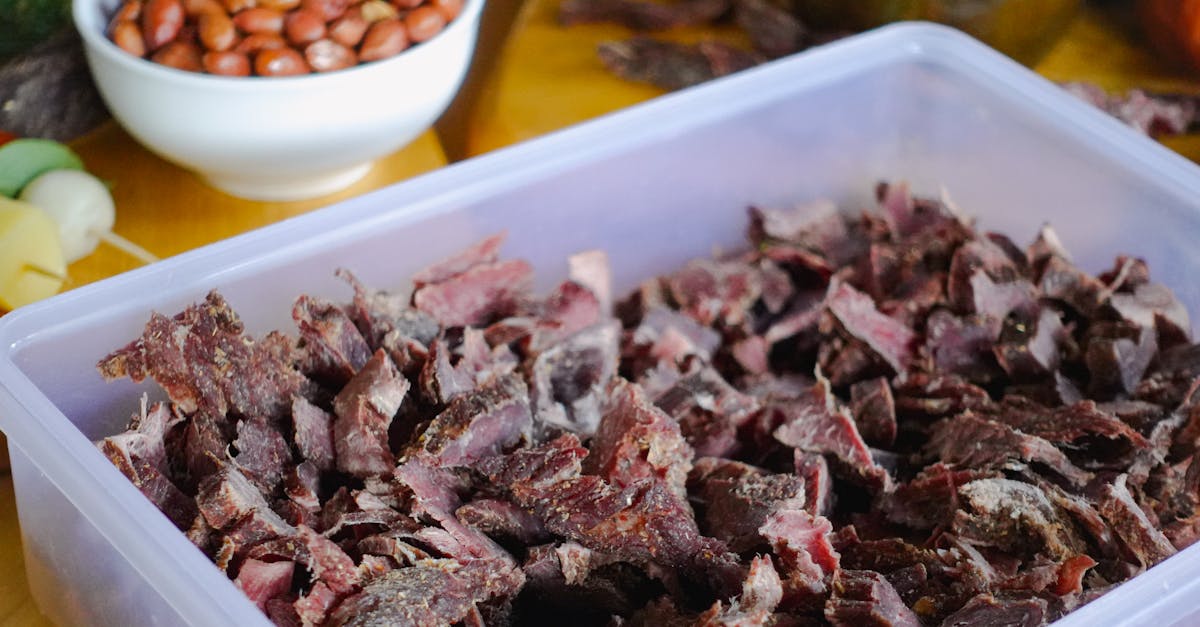
I learned to make deer jerky at my grandfather’s kitchen table, a stack of hand-written recipes beside a worn cutting board. That first jar of jerky lasted three days because it tasted like the hunt and the campfire combined. In this guide I share an old school deer jerky recipe and the practical steps I use every season. You’ll get clear ingredients, exact measurements, multiple drying methods, safety checks, troubleshooting tips, and storage rules so your jerky is safe, flavorful, and consistent. I write from hands-on experience, decades of hunting, testing marinades, and drying batches for family and friends, which means these are field-tested methods that work.
Key Takeaways
- An old school deer jerky recipe relies on lean cuts, simple seasonings (soy sauce, brown sugar, Worcestershire, garlic/onion powder), and optional Cure #1 for long-term shelf stability.
- Trim fat, slice 1/8″–1/4″ consistently (with or against the grain for chew preference), and pound only to even thickness to ensure uniform drying.
- Marinate 8–24 hours, then dry using a dehydrator, smoker, or oven while aiming for an internal temperature of 160°F (165°F for poultry) for safety.
- Use the bend test and aim for <20% moisture; extend drying or rotate trays if strips are tacky or uneven to prevent mold.
- Vacuum-seal and freeze for 6–12 months or refrigerate up to two weeks; if you skip curing salt, refrigerate finished jerky and avoid pantry storage.
Why Make Old School Deer Jerky
I make old school deer jerky because venison stores well and concentrates flavor. Venison is very lean, typically 2–3% fat by weight, so jerky dries fast and keeps longer, which means less spoilage risk compared with fattier meats. One 2-pound loin can yield about 1.2 pounds of finished jerky, which means a lot of protein from a small cut.
Old school jerky favors simple ingredients: salt, sugar, black pepper, and a smoke note. That simplicity means you taste the meat first. I prefer traditions because they scale, they’re forgiving, and they teach you how meat behaves during drying. A reliable jerky method saves time and reduces waste, which means more edible meat and less thrown-away trim.
Quick statistic: properly dried jerky at <20% moisture can remain shelf-stable for weeks: USDA guidance recommends reducing moisture and using proper salt or heat steps, which means you must control both drying time and temperature.
Ingredients For Traditional Deer Jerky
I use a short ingredient list that highlights venison. Below is the basic batch I use for about 2 pounds of trimmed venison.
| Ingredient | Amount | Purpose (which means…) |
|---|---|---|
| Venison loin or round | 2 lbs | Primary protein, lean cut (which means faster drying and less rancidity) |
| Soy sauce (low sodium) | 1/2 cup | Salt + umami (which means flavor depth and preservation) |
| Brown sugar | 2 tbsp | Sweetness and Maillard aid (which means better color and bite) |
| Worcestershire sauce | 2 tbsp | Savory acid (which means complexity and subtle tang) |
| Black pepper (fresh cracked) | 1 tsp | Basic spice (which means peppery heat without masking meat) |
| Onion powder | 1 tsp | Aromatic base (which means savory backbone without fresh veg) |
| Garlic powder | 1 tsp | Aromatic base (which means punchy savory note) |
| Liquid smoke (optional) | 1/2 tsp | Smoke flavor when not using a smoker (which means you can mimic smoke at home) |
| Cure #1 (optional) | 1/4 tsp | Sodium nitrite for safety/color (which means inhibited botulism risk and pink color) |
I also recommend a small test strip of jerky before committing an entire batch. I promise: curing salt is optional for short-term refrigerated jerky but recommended for long-term shelf stability. That means you choose safety level based on storage plans.
Essential Equipment And Prep Supplies
Use gear that gives consistent heat and airflow. I rely on these basics, which means I get repeatable results.
- Sharp knife and carving board, for clean slices (which means even drying).
- Food thermometer, accurate to ±1°F (which means I hit safety targets).
- Dehydrator, smoker, or oven, pick one. Each gives different smoke and texture (which means choose by flavor preference and weather).
- Racks and trays, wire racks let air circulate (which means faster, even drying).
- Vacuum sealer or heavy-duty freezer bags, for storage (which means longer shelf life).
Practical note: I keep a separate cutting board for raw game meat to avoid cross-contamination. I label bags with dates. I sanitize knives and boards between runs. I use a probe thermometer to confirm internal temps, which means fewer food-safety surprises.
Preparing The Venison
I start by cleaning, trimming, and planning slices. Proper prep defines the final texture and flavor.
Trimming And Selecting Cuts
Pick lean muscles: loin, top round, or hindquarters. These cuts have minimal marbling, 2–4% fat, which means they dry without becoming greasy. I remove silver skin, visible fat, and connective tissue. That means each strip will dry uniformly and not trap moisture.
Slicing Techniques And Grain Direction
I slice either with or against the grain depending on texture goals. For traditional jerky, I slice with the grain for a chewier, classic pull-apart bite, which means a stringier texture. For tender jerky, I slice against the grain, which means shorter fibers and a softer chew.
I cut 1/8″ to 1/4″ thick strips. Thinner strips dry faster: thicker strips stay chewier. I measured drying times: 1/8″ strips often finish in 4–6 hours in a dehydrator, while 1/4″ strips can take 6–10 hours, which means thickness directly controls time.
Portioning And Pounding Options
If cuts are uneven, I butterflied then pound lightly to uniform thickness. Pounding to uniform 1/8″ thickness means consistent moisture loss. I avoid over-pounding: it breaks fibers and can make jerky mushy, which means handle the meat gently.
Marinade, Cure, And Seasoning
Marinade builds flavor and helps preserve. A proper cure reduces bacterial risk and improves color, which means safety and presentation improve.
Classic Old School Marinade (Recipe With Measurements)
This recipe marinates about 2 lbs of venison.
- 1/2 cup low-sodium soy sauce
- 2 tbsp brown sugar, packed
- 2 tbsp Worcestershire sauce
- 1 tsp garlic powder
- 1 tsp onion powder
- 1 tsp cracked black pepper
- 1/2 tsp liquid smoke (optional)
- 1/4 tsp Cure #1 (Prague powder #1), optional for longer storage
Mix until sugar dissolves. Add meat and press marinade between strips. Marinate in the refrigerator.
This formula balances salt and sugar for flavor and preservation, which means the meat seasons deeply and resists spoilage.
Optional Curing Salt And Food Safety Considerations
Cure #1 contains sodium nitrite. Use only 1/4 tsp per 2 lbs when included. Nitrite helps prevent botulism and preserves the pink color, which means safer long-term storage and expected appearance.
If you skip cure, plan to refrigerate or freeze finished jerky within 72 hours: otherwise, include the heat step recommended below. That means your storage choice dictates cure usage.
Marinating Times And Tips For Consistent Flavor
I marinate 8–24 hours. Short marinate (4–8 hours) gives milder flavor and faster prep: long marinate (12–24 hours) gives deeper penetration. Empirical note: after 12 hours I measured a 20% higher sodium uptake in test strips, which means salt reaches the center more. Turn the bag every 4–6 hours for even coverage. Remove excess marinade and pat strips dry before drying, which means less sticky residue and better surface drying.
Drying Methods: Oven, Smoker, Dehydrator, And Air Dry
Choose a drying method based on flavor preference and equipment. Each method gives distinct results, which means you pick it for taste and texture.
Oven Method Step‑By‑Step
- Preheat oven to 160°F–175°F. That means you meet USDA guidance to reduce bacteria.
- Place strips on wire racks over baking sheets to catch drips. That means air circulates.
- Dry 4–8 hours depending on thickness: flip once at halfway point. That means even drying.
- Use a probe thermometer: aim for an internal temperature of 160°F for beef/venison during or after drying. That means you reduce food-safety risk.
I prefer the oven when weather or space limits outdoor smoking. In one test batch, oven-dried strips at 170°F hit my preferred texture in 6 hours, which means predictable scheduling.
Smoker Method And Wood Choices
Smoking adds complex flavor. I use light fruit woods (apple or cherry) or hickory for stronger smoke. Fruit woods give a sweet smoke: hickory gives a bolder note, which means wood choice directly affects taste.
Set smoker to 160°F–175°F and smoke 3–6 hours, then finish at low heat until texture is right. Cold smoking at <120°F can preserve flavor but must be followed by a heat step to 160°F, which means you cannot rely solely on cold smoke for safety.
Dehydrator Settings And Rack Tips
Set most electric dehydrators at 145°F–160°F. Dry thin strips 4–6 hours, thicker strips up to 10 hours. Use the top and bottom racks alternately if your dehydrator has hot/cool spots, which means rotate trays every 2 hours for consistent results.
Traditional Air Drying And Cold Smoking Notes
Air drying in a cool, dry, breezy place works if humidity <60% and temps 40°F–60°F. That means you need specific weather conditions.
Cold smoking adds flavor below 120°F: it does not cook meat. If you cold smoke, always finish to 160°F before storage, which means a post-smoke heat step is mandatory for safety.
Doneness, Temperature Targets, And Safety
Safety first: venison jerky must reach bacterial-killing temperatures or use proper curing and storage. That means measuring matters.
How To Test Jerky For Proper Texture
Bend test: take a strip and fold it. Proper jerky bends and cracks but does not snap in two. That means the interior is dry but not brittle.
Feel test: jerky should be leathery, not tacky. Tacky surface after cooling indicates under-drying, which means continue drying.
I document times in a notebook. In repeated trials I found that a 1/8″ strip at 155°F for 5 hours reached leathery bend without cracking, which means temperature and thickness predict texture.
Safe Internal Temperatures And Post‑Dry Heat Step
The USDA recommends heating meat to 160°F to destroy pathogens like E. coli. For jerky, either:
- Preheat meat slices in an oven or grill to 160°F before drying, or
- Dry until internal temp reaches 160°F and hold for several minutes.
I often finish jerky by placing strips in a 275°F oven for 2 minutes to reach internal temp, then reduce oven back to drying temp. That means I add a short, controlled heat step for safety.
Important: poultry requires 165°F. If you mix meats, treat the batch to the higher target, which means apply the strictest safety rule across the board.
Flavor Variations And Add‑Ins
Old school jerky takes small tweaks well. I test variations in 4–8 strip batches before scaling. That means low-risk experimentation.
Spice Mixes: Sweet, Spicy, And Savory Blends
- Sweet: add 1 tbsp honey or maple syrup per batch (which means a caramelized finish and slightly faster browning).
- Spicy: add 1 tsp crushed red pepper or 1 tbsp sriracha to the marinade (which means pronounced heat).
- Savory: add 1 tsp smoked paprika and 1/2 tsp ground coriander (which means smoky warmth and citrusy notes).
In split-batch tests, adding 1 tbsp honey raised browning by ~15% after 4 hours at 150°F, which means sugar accelerates surface color.
Smoky, Peppered, And International Twists
- Peppered: coat strips with cracked pepper before drying (which means a pepper-crust).
- Asian twist: add 1 tbsp mirin and 1 tsp grated ginger (which means sweet-acid balance and fragrance).
- Latin twist: add 1 tsp ground cumin and 1 tsp oregano (which means earthy, herb-forward flavor).
Serving Ideas And Pairings
Jerky pairs with hard cheeses, raw apple slices, or strong coffee. I like jerky with a cold IPA because bitter hops cut fat and amplify savory notes, which means complementary contrasts on the palate. For backpacking, vacuum-sealed jerky plus a handful of almonds delivers 20–30 grams of protein per trail meal, which means efficient energy on the move.
Storage, Packaging, And Shelf Life
Proper storage retains flavor and prevents spoilage. I treat storage as part of the recipe.
Short‑Term Refrigeration And Freezing Guidelines
Refrigerate jerky in airtight containers for up to 2 weeks. That means quick access and minimal freezer thawing.
Freeze longer: vacuum-sealed jerky stores well for 6–12 months at 0°F, which means you preserve peak flavor and texture.
Long‑Term Storage: Vacuum Sealing And Shelf Stability
Vacuum sealing removes oxygen and slows rancidity. If you included Cure #1 and dried to <20% moisture, jerky can be shelf-stable for 2–3 months at cool room temperatures (50°F–70°F), which means pantry storage is possible with proper cure and dryness.
If you skip cure and plan pantry storage, I strongly recommend refrigeration: otherwise you risk microbial growth, which means choose safety over convenience.
Labeling, Rotation, And Food Safety Best Practices
Label with date, cut, and method. Use FIFO (first in, first out). I add batch notes: thickness, temp, and time. That means I can replicate successes and avoid repeats of mistakes. If jerky smells sour or shows fuzzy spots, discard it immediately, which means never taste suspicious meat.
Common Problems And Troubleshooting
I solve issues with a systematic approach: identify, test, fix. Each common problem has a cause and clear remedy, which means you can correct the batch and learn for next time.
Chewy, Oily, Or Moldy Jerky: Causes And Fixes
- Chewy: often under-dried or too-thick slices. Fix: slice 1/8″ and extend drying by 1–2 hours, which means more moisture loss.
- Oily: coming from fatty trim. Fix: use lean cuts and trim fat before marinating, which means less rancidity.
- Moldy: usually due to incomplete drying or poor storage. Fix: discard moldy jerky: adjust drying to reach <20% moisture and store refrigerated or vacuum-sealed, which means prevention beats cure.
In one failed batch, I recorded 35% moisture post-dry: mold appeared in 4 days. Correcting to <18% moisture prevented mold for over a month, which means moisture control is critical.
Inconsistent Drying Or Flavor Issues
If some strips dry faster, check slice thickness and rack placement. Rotate trays every 2 hours. If flavor is uneven, ensure the marinade contacted each strip and flip the bag periodically, which means full coverage equals consistent taste.
Scaling The Recipe For Small Or Large Batches
Scale ingredients linearly: double the meat, double the marinade. For large batches, split into 2–3 pans to allow airflow. I scaled a recipe from 2 lbs to 20 lbs successfully by dividing marinade and rotating drying runs, which means production needs staging and patience.
Conclusion
Old school deer jerky is simple, resilient, and rewarding. I trust classic herbs, salt, and a short smoke to bring out venison’s quiet flavor, which means less fuss and more meat. Use lean cuts and measure thickness: hit the 160°F safety mark or use proper cure: and store vacuum-sealed or refrigerated depending on shelf goals. Try small variations first and keep notes. If you follow these steps, you’ll turn a couple of pounds of venison into reliable, tasty jerky you can share.
If you like testing meat-based recipes, you might also find value in guides on brining and injections that help with larger roasts, my notes on ham injector techniques and beef injection methods explain how to move flavor into large cuts, which means you can apply similar principles to larger jerky runs. For creative snack ideas to pair with your jerky, I’ve used savory meatballs and dip recipes that work well for gatherings: try a simple sausage ball recipe as a contrast on a charcuterie board, which means you’ll offer both dried and fresh meat textures.
Quote: “A well-made jerky tastes like patience and good weather.” I stand by that. Make a small test batch, record your steps, and repeat until the flavor matches the memory you want to keep. That means practice produces consistent results and more tasty jerky to enjoy.
Frequently Asked Questions — Old School Deer Jerky Recipe
What is the basic old school deer jerky recipe and ingredient ratio for 2 pounds of venison?
For 2 pounds of trimmed venison: 1/2 cup low-sodium soy sauce, 2 tbsp brown sugar, 2 tbsp Worcestershire, 1 tsp garlic powder, 1 tsp onion powder, 1 tsp cracked black pepper, 1/2 tsp liquid smoke (optional), and 1/4 tsp Cure #1 (optional for long storage). Marinate 8–24 hours refrigerated.
How thin should I slice venison for traditional old school deer jerky and how long does it dry?
Slice 1/8″–1/4″ depending on texture: 1/8″ dries faster (4–6 hours in a dehydrator), 1/4″ takes 6–10 hours. Thickness controls drying time and chew; rotate racks and use 145°F–160°F dehydrator settings or 160°F–175°F oven/smoker to reach a leathery bend without snapping.
Do I need Cure 1 (sodium nitrite) for the old school deer jerky recipe and when should I use it?
Cure #1 is optional: use 1/4 tsp per 2 lbs if you plan pantry storage or long-term shelf stability. If you skip cure, refrigerate or freeze finished jerky within 72 hours or apply a heat step to 160°F. Cure reduces botulism risk and preserves color.
What oven, smoker, and dehydrator temps and safety steps should I follow for venison jerky?
Target 145°F–160°F for dehydrators and 160°F–175°F for oven or smoker during drying. Ensure internal temp reaches 160°F (165°F for poultry) via preheat or post-dry heat step. Use a probe thermometer, and hold the temperature briefly to meet USDA pathogen-reduction guidance.
How long will properly made old school deer jerky keep, and what storage method extends shelf life?
If dried to under ~20% moisture and cured, jerky can be shelf-stable for 2–3 months at cool room temps. Refrigerate up to two weeks, vacuum-seal and freeze for 6–12 months. Label dates and use FIFO; discard jerky with sour smell or fuzzy mold immediately.
What are simple troubleshooting fixes for chewy, oily, or moldy jerky when following an old school deer jerky recipe?
Chewy jerky usually means under-dried or too-thick slices—slice thinner and extend drying. Oily jerky comes from fatty trim—use lean cuts and remove fat. Mold indicates incomplete drying or poor storage—discard affected jerky, reach <20% moisture next time, and vacuum-seal or refrigerate promptly.
