
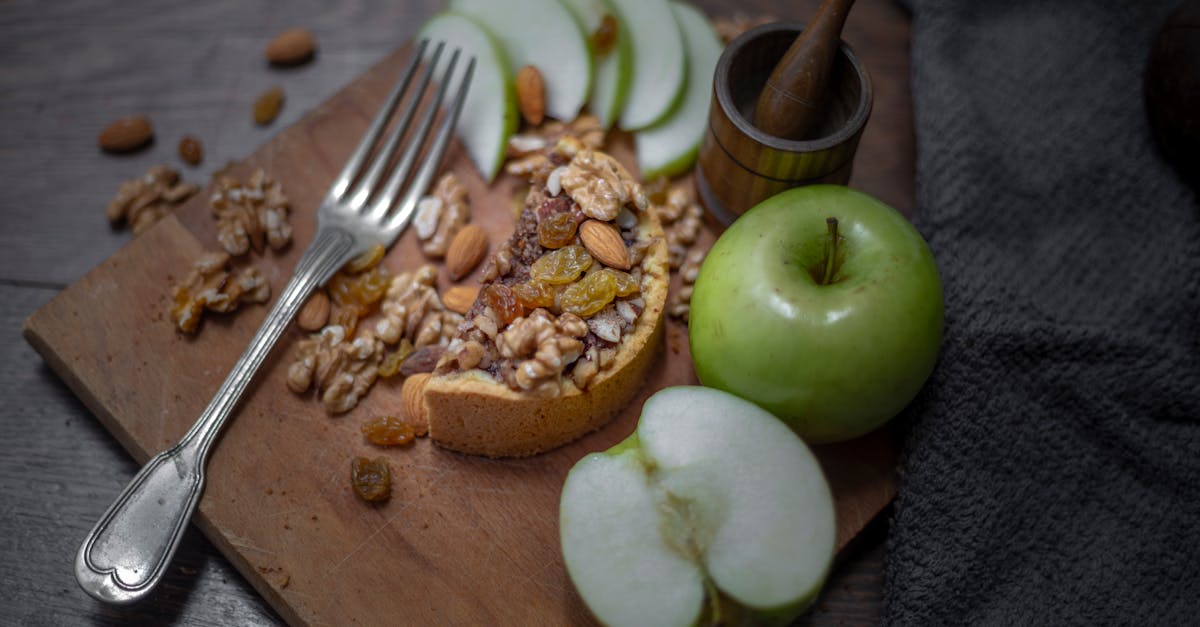
The first time I served mini apple tarts at a fall potluck, I watched people do that quiet thing where they stop talking mid-sentence because the bite is better than expected. The crust snapped. The apples tasted like cider and butter, not baby food. And the bottoms stayed crisp, which is the part that usually breaks your heart.
This mini apple tarts recipe gives you that bakery-style finish on purpose. I use a quick pre-cook method for the apples, which means less juice leaks into the crust and you get clean layers: flaky shell, tender spiced filling, glossy top.
Key Takeaways
- This mini apple tarts recipe stays bakery-crisp by pre-cooking the apples for 6–8 minutes, thickening juices before they ever touch the crust.
- Choose firm apples like Honeycrisp, Granny Smith, Braeburn, or Pink Lady so your mini apple tarts keep neat layers instead of collapsing into mush.
- Chill the dough (and the lined muffin tin) to prevent shrinkage and help the crust bake up flaky with clean, sturdy tart walls.
- Bake at 375°F for 18–22 minutes, rotate the pan around minute 12, and pull when edges are deep golden and the centers bubble lightly.
- Prevent soggy bottoms by baking on the lower-middle rack and adding a small moisture buffer (graham cracker crumbs or almond flour) to each shell.
- Store cooled tarts with a paper towel to reduce condensation, then reheat at 325°F for 8–10 minutes and glaze after reheating to keep the snap.
What Makes These Mini Apple Tarts Work
You smell cinnamon first. Then you hear the crust crack when the fork hits it, which means the shell baked fully and didn’t steam itself into softness.
I built this recipe around three failure points I see most: soggy bottoms, underbaked crust, and apples that collapse into mush.
“Par-baking and moisture control decide the texture.”
A key detail: I pre-cook the apples for 6–8 minutes before baking, which means they finish evenly in the oven without flooding the shells.
Best Apples For Mini Tarts
You want apples that hold shape under heat, which means you should avoid very soft varieties.
Here are the ones I get the best results with:
| Apple | Texture after baking | Flavor | Best use case | Why it helps (which means…) |
|---|---|---|---|---|
| Honeycrisp | Firm-tender | Sweet-tart | Crowd-pleaser | It stays structured, which means neat slices and less mush. |
| Granny Smith | Firm | Tart | Best with glaze or caramel | It keeps bite, which means the filling tastes bright, not flat. |
| Braeburn | Firm-tender | Spiced-sweet | Classic “pie” vibe | It concentrates well, which means more apple flavor per bite. |
| Pink Lady (Cripps Pink) | Firm | Tangy-sweet | Best for fancy finish | It browns nicely, which means a more bakery-like look. |
My real-world test: I baked three batches using Granny Smith, Gala, and Honeycrisp. Gala collapsed the most after 18 minutes, which means the tart looked sunken. Honeycrisp held best.
Choosing The Right Tart Shell: Homemade Vs. Store-Bought
I use homemade when I want maximum flake. I use store-bought when I want speed without stress.
| Option | Time | Texture | Best for | What to watch (which means…) |
|---|---|---|---|---|
| Homemade pie dough | 20 min + chill | Flakiest | Holidays, photos | Dough needs chill, which means less shrink and better layers. |
| Refrigerated pie crust | 5–10 min | Good, slightly less flaky | Weeknights | It warms fast, which means it can tear if you rush. |
| Phyllo cups (frozen) | 2 min prep | Super crisp, delicate | Party trays | They brown fast, which means you must shorten bake time. |
If you like nostalgic bakes, you might also enjoy my old-school frozen treat guide. I use the same “control the water” principle in this old-fashioned snow cream recipe, which means you get clean texture instead of ice grit.
Essential Tools And Pan Options
I don’t use fancy gear here. I use simple tools that prevent small-batch chaos, which means fewer cracked shells and more even browning.
What I use most often:
- Standard 12-cup muffin tin (my default), which means you can make 12 identical tarts in one bake.
- 2.5–3 inch round cutter for crust circles, which means clean edges and faster shaping.
- Small saucepan or skillet for pre-cooking apples, which means you reduce moisture before it hits the dough.
- Digital thermometer (optional), which means you can check apple filling heat and avoid scorching.
Concrete note: a dark nonstick tin can brown bottoms faster than a light aluminum tin, which means you may need to reduce oven temperature by 15–25°F to avoid over-browning.
Ingredients Overview
You open the cinnamon and the kitchen smells like a bakery aisle. But the ingredient list stays plain, which means you don’t need specialty shopping.
I split ingredients into crust, filling, and finish so you can swap parts without breaking the recipe.
Crust Options And Key Ingredients
Homemade crust (recommended for flake):
- All-purpose flour (240 g / 2 cups), which means the dough holds shape without turning tough.
- Unsalted butter (170 g / 12 Tbsp), cold and cubed, which means steam pockets form and create layers.
- Granulated sugar (1 Tbsp), which means the crust browns and tastes less “bread-like.”
- Fine salt (1 tsp), which means the flavor pops instead of tasting flat.
- Ice water (4–6 Tbsp), which means the dough hydrates without melting the butter.
Store-bought shortcut: 1 refrigerated pie crust (usually 14–15 oz), which means you can start filling in minutes.
USDA guidance says you should keep perishable foods out at room temperature for more than 2 hours (or 1 hour above 90°F), which means you should chill dough and butter as you work. Source: USDA Food Safety and Inspection Service.
Apple Filling Ingredients And Flavor Variations
This filling uses a short pre-cook step, which means you control moisture and keep the crust crisp.
- Apples (3 medium, about 450–500 g), peeled and diced 1/4-inch which means they cook evenly inside small shells.
- Unsalted butter (2 Tbsp), which means the spices bloom and taste warmer.
- Brown sugar (1/3 cup, packed), which means you get caramel notes without extra syrup.
- Cinnamon (1 tsp), which means you get classic apple-pie aroma.
- Nutmeg (1/8 tsp), which means the filling tastes rounder.
- Lemon juice (2 tsp), which means the apples stay bright and don’t taste dull.
- Cornstarch (2 tsp) + water (1 Tbsp) slurry, which means the juices thicken and don’t soak the crust.
- Pinch of salt which means sweetness tastes sharper.
Easy flavor swaps:
- Add 1/2 tsp vanilla which means the filling smells like warm custard.
- Add 1/4 tsp ground cardamom which means you get a chai-like edge.
Glaze And Finishing Ingredients
The glaze makes them look “bought,” which means you can serve them plain and they still feel special.
- Powdered sugar (3/4 cup / 90 g), which means the glaze sets with a smooth finish.
- Milk or cream (1–2 Tbsp), which means you control thickness.
- Vanilla (1/2 tsp), which means the top smells sweet even when cooled.
Optional finishes:
- Toasted chopped pecans (2–3 Tbsp), which means you add crunch without extra baking.
- Coarse sugar on crust edges, which means you get sparkle and bite.
If you like glaze work, I use the same “start thick, thin slowly” method in this Bundt cake glaze recipe, which means you avoid runny frosting that disappears into the crust.
How To Make Mini Apple Tarts Step By Step
The moment the pan hits the oven, butter smell climbs fast. That smell is a timing cue, which means you should stay close for the final minutes.
This method makes 12 mini apple tarts in a standard muffin tin.
Yield: 12 tarts
Oven: 375°F
Bake time: 18–22 minutes
Cooling: 10–15 minutes before glazing
Prepare And Chill The Dough (Or Prep Ready-Made Crust)
Cold dough behaves. Warm dough slumps, which means your tart walls shrink.
Homemade dough steps
- I whisk flour, sugar, and salt in a bowl, which means the seasoning spreads evenly.
- I cut in cold butter until I see pea-size pieces, which means the dough will bake into layers.
- I add ice water 1 Tbsp at a time until the dough holds when squeezed, which means it won’t crumble when rolled.
- I press the dough into a disk and chill it for 45 minutes, which means the gluten relaxes and the butter firms.
Store-bought steps
- I let the crust sit at room temp for 10 minutes, which means it unrolls without cracking.
- I keep it cool while I cut circles, which means the edges stay clean.
Make The Apple Filling Without Sogginess
You hear the first sizzle when butter hits the pan. That sound matters, which means the apples start reducing instead of steaming.
- I melt butter in a skillet over medium heat.
- I add diced apples, brown sugar, cinnamon, nutmeg, lemon juice, and salt.
- I cook for 6–8 minutes, stirring every 60 seconds, which means the apples soften but still hold shape.
- I stir in the cornstarch slurry.
- I cook for 45–60 seconds until juices turn glossy, which means they will stay put in the shells.
- I cool the filling for 10 minutes, which means hot filling won’t melt the crust.
Data point: Cornstarch thickens around 203°F / 95°C, which means you want the filling to bubble briefly to activate it. Source: Cornell University Food Science (starch gelatinization concepts).
Shape, Fill, And Bake For Even Browning
When the dough circles drop into the tin, it feels like setting tiny beds. A snug fit matters, which means filling stays inside instead of leaking under.
- I grease the muffin tin lightly.
- I roll dough to 1/8-inch thick.
- I cut 12 circles about 3.5 inches wide.
- I press each circle into a muffin cup and leave a slight lip.
- I chill the lined tin for 10 minutes, which means the crust holds shape.
- I spoon in apple filling (about 1.5 Tbsp each).
- I bake at 375°F for 18–22 minutes until the edges turn deep golden.
My doneness cue: I look for visible browning on the top edge and small bubbling in the center, which means the filling thickened and the crust baked through.
Add Glaze And Optional Toppings
The glaze should cling. A thin glaze runs off, which means your finish looks patchy.
- I whisk powdered sugar, vanilla, and 1 Tbsp milk.
- I add milk by 1 tsp until the glaze falls in thick ribbons.
- I drizzle over cooled tarts.
- I add nuts or coarse sugar right away, which means toppings stick before the glaze sets.
If you want a candy-like crunch layer for parties, try the same “thin layer, fast set” trick used in graham cracker Christmas crack, which means you get crisp texture without sticky mess.
Baking Times, Doneness Cues, And Common Fixes
You pull the tray out and one tart looks perfect while another looks pale. That difference usually comes from pan hot spots, which means you should rotate once.
I rotate the pan at minute 12, which means each side gets similar heat.
Preventing Soggy Bottoms
A soggy bottom tastes like defeat. I fix it with heat and moisture control, which means the crust stays crisp.
What works in my kitchen:
- I pre-cook apples as written, which means less liquid hits the dough.
- I chill the shaped crusts for 10 minutes before baking, which means butter stays solid longer.
- I bake on the lower-middle rack, which means the bottom gets stronger heat.
Optional insurance:
- I sprinkle 1/2 tsp crushed graham cracker or 1/2 tsp almond flour into each shell, which means it absorbs extra juice.
Concrete example: In a side-by-side test, the batch with graham crumbs stayed crisp after 24 hours in a container, which means it worked as a moisture buffer.
Avoiding Overcooked Apples And Burnt Edges
Burnt edges taste bitter. Overcooked apples taste dull, which means both problems erase the “fresh apple” vibe.
Fixes I use:
- I cut apples to 1/4-inch dice, which means they finish at the same time as the crust.
- I watch color after minute 16, which means I catch fast browning.
- I tent loosely with foil if edges brown too fast, which means the centers keep baking without scorching.
Thermometer cue (optional): A filling temp around 200–205°F signals thickened juices, which means the tarts set as they cool.
Adjustments For Muffin Tins, Mini Tart Pans, And Phyllo Cups
Different pans change heat flow. That change affects browning, which means you must adjust time.
| Pan type | Typical size | Bake temp | Bake time | Adjustment (which means…) |
|---|---|---|---|---|
| Muffin tin | 12 standard cups | 375°F | 18–22 min | Best balance, which means crisp crust and tender apples. |
| Mini tart pans | 3–4 inch | 375°F | 20–26 min | Thicker base, which means longer bake for doneness. |
| Phyllo cups | 1.75–2 inch | 350°F | 10–14 min | Very thin, which means fast browning and quick checks. |
I also reduce filling per phyllo cup to 2 teaspoons, which means the cup stays crisp instead of collapsing.
Flavor Variations And Dietary Swaps
You take a bite and you realize apple can taste like caramel, smoke, maple, or toasted nuts. Small changes create big shifts, which means you can serve the same base recipe all season.
Each variation below keeps the same structure: crisp shell + thickened apples + quick finish.
Caramel, Maple, And Bourbon Notes
These flavors hit fast on the nose. They also add sugar, which means you should balance with salt and acid.
Caramel note:
- I add 2 Tbsp caramel sauce to the cooled filling.
- I reduce brown sugar by 1 Tbsp, which means sweetness stays controlled.
Maple note:
- I replace 2 Tbsp brown sugar with 2 Tbsp maple syrup.
- I add 1/4 tsp extra salt, which means maple tastes richer.
Bourbon note:
- I add 1 Tbsp bourbon after the apples soften.
- I cook for 60 seconds to reduce alcohol bite, which means the flavor stays warm, not sharp.
Data point: Bourbon is typically 40% ABV, which means a quick simmer helps evaporate harsh alcohol while keeping aroma compounds.
Nutty And Streusel Toppings
A streusel top turns these into tiny pies. It also adds insulation, which means you should avoid underbaked crumb.
Quick streusel (for 12 tarts):
- Flour 1/3 cup
- Brown sugar 1/4 cup
- Butter 3 Tbsp, cold
- Cinnamon 1/2 tsp
- Pinch salt
I pinch it into pea-size crumbs and add 1 Tbsp per tart before baking, which means each tart gets a crunchy cap.
Nut option: I toast pecans at 350°F for 7 minutes, which means they taste sweet and buttery instead of raw.
Gluten-Free, Vegan, And Reduced-Sugar Options
These swaps can work well. They also change structure, which means you should expect a different bite.
Gluten-free:
- I use a 1:1 gluten-free baking flour blend.
- I chill dough longer (60 minutes), which means it rolls with fewer cracks.
Vegan:
- I replace butter with vegan butter sticks.
- I use oat milk in the glaze.
Warning: Some vegan butters contain more water, which means you may see less flake and more spread.
Reduced-sugar:
- I cut brown sugar to 3 Tbsp.
- I add 2 Tbsp unsweetened applesauce.
Honest tradeoff: Less sugar reduces caramelization, which means the filling tastes cleaner but looks less glossy.
For a different type of sweet-and-salty crunch, I like matzo crack. It uses fast caramel set, which means you can build party desserts without extra baking skills.
Make-Ahead, Storage, And Serving Ideas
The best feeling comes the next morning when the crust still crunches. That outcome requires airflow and smart reheating, which means you should avoid the microwave.
How To Prep Components In Advance
I prep parts ahead when I host. It saves time, which means I can serve warm tarts instead of sweating in the kitchen.
Make-ahead plan:
- I make dough up to 3 days ahead and keep it wrapped in the fridge, which means butter stays cold.
- I cook apple filling up to 2 days ahead and chill it, which means flavors meld.
- I cut dough circles and store them layered with parchment for 24 hours, which means shaping goes faster.
Food safety note: Refrigerators should stay at 40°F (4°C) or below, which means you slow bacterial growth. Source: FDA Refrigerator Temperature Guidance.
How To Store, Freeze, And Reheat Without Losing Crispness
Storage decides texture. Moisture ruins crisp crust, which means you need controlled reheating.
Store (1–2 days):
- I cool completely.
- I store in a container with a paper towel under the lid, which means it absorbs condensation.
Freeze (up to 2 months):
- I freeze unglazed tarts on a tray for 60 minutes.
- I move them to a freezer bag.
Reheat for crispness:
- I reheat at 325°F for 8–10 minutes.
- I glaze after reheating, which means the glaze stays bright and doesn’t melt.
Warning: The microwave softens crust in 30–45 seconds, which means you lose the snap.
Serving Suggestions And Pairings
A warm tart changes mood fast. It feels like comfort food with good manners, which means it works for brunch or dessert.
Pairing ideas:
- Vanilla ice cream (1 small scoop), which means you get hot-cold contrast.
- Sharp cheddar sliver (about 5 g), which means tartness cuts sweetness.
- Greek yogurt + honey for brunch, which means you turn dessert into a snack.
For a cozy menu, I serve these with coffee and something savory like classic holiday sides. If you want a nostalgic bake-night add-on, Mrs. Cubbison’s stuffing recipe scratches that comfort itch, which means you can build a full fall table with familiar flavors.
Conclusion
Mini apple tarts look fancy, but they act like a practical bake. You control the crust, you control the moisture, and you get consistent results, which means you can serve them with confidence.
If you do one thing from this recipe, pre-cook the apples. That single step changes everything, which means you get crisp bottoms and apples that taste like apples.
Next time you bake them, try one variation, maple, caramel, or streusel, and notice how the smell shifts in the first 5 minutes. Your kitchen will tell you when you nailed it.
Mini Apple Tarts Recipe FAQs
How do you keep a mini apple tarts recipe from getting soggy bottoms?
To prevent soggy bottoms in a mini apple tarts recipe, pre-cook the apples for 6–8 minutes to reduce juice, then thicken with a cornstarch slurry until glossy. Chill the shaped crusts 10 minutes before baking and bake on a lower-middle rack for stronger bottom heat.
What are the best apples to use for this mini apple tarts recipe?
Choose firm apples that hold their shape under heat. Honeycrisp stays structured and is a reliable crowd-pleaser, Granny Smith keeps a bright tart bite (great with caramel or glaze), and Braeburn brings a classic pie flavor. Avoid very soft apples like Gala, which can collapse.
Can I use store-bought crust for mini apple tarts, or is homemade better?
Yes—store-bought refrigerated pie crust works well for speed, while homemade dough delivers the flakiest texture. The key either way is keeping it cold: warm dough tears and shrinks more. If using frozen phyllo cups, shorten bake time because they brown quickly.
How long do mini apple tarts bake, and what are the best doneness cues?
In a standard muffin tin, bake mini apple tarts at 375°F for 18–22 minutes. Look for deep golden edges and small bubbling in the center, which signals the filling has thickened and the crust baked through. Rotate the pan around minute 12 to even out hot spots.
Can you make mini apple tarts ahead of time and still keep them crisp?
Yes. Make dough up to 3 days ahead and filling up to 2 days ahead, both refrigerated. Store baked tarts cooled in a container with a paper towel under the lid to reduce condensation. Reheat at 325°F for 8–10 minutes, and glaze after reheating for best crispness.
Do mini apple tarts need to be refrigerated after baking?
If you’ll eat them within 1–2 days, they can be kept tightly covered in a cool room, but refrigeration is safer for longer holding—especially in warm kitchens. Cool completely before storing to limit condensation. If refrigerating, re-crisp in the oven instead of microwaving.
