
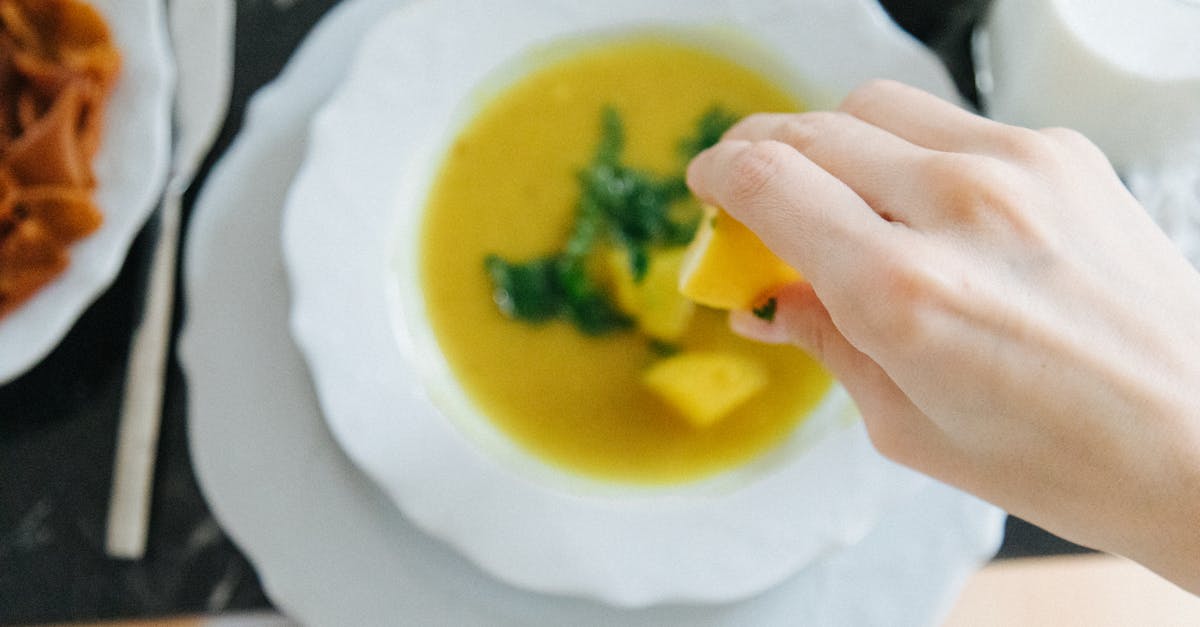
I love a pot of Mediterranean lentil soup on a cold evening. It smells of garlic, tomato, and warm cumin the moment it hits the stove, which means comfort arrives before the first spoon.
In this recipe I show exact ingredients, equipment, and step-by-step technique so you can make a consistent, flavorful soup every time. You’ll get variations, troubleshooting tips, storage advice, and pairing ideas so the soup fits weeknight dinners, meal prep, or a simple weekend lunch.
Key Takeaways
- This Mediterranean lentil soup recipe yields a consistent, flavorful pot by sautéing aromatics, adding rinsed lentils, crushed tomatoes, and low-sodium broth, then simmering 18–25 minutes and finishing with acid and parsley.
- Start with 1 1/2 cups brown or green lentils (or use red lentils for a creamier texture) and test for doneness rather than relying strictly on time to avoid overcooking.
- Adjust texture and body by blending 1–2 cups for silkiness or simmering to reduce, and rescue thin or thick soups by adding hot broth/water or briefly blending.
- Customize proteins, vegetables, and regional spices (e.g., chickpeas, chicken, Aleppo pepper, or oregano) to turn the soup into a heartier meal or a different Mediterranean twist.
- Make-ahead: refrigerate for 4–5 days or freeze in 2-cup portions up to 3 months, and reheat gently adding a splash of hot water if needed to preserve lentil texture.
Ingredients
Lentils and Legumes
- 1 1/2 cups brown or green lentils (about 300 g). I use brown lentils because they hold shape: red lentils break down faster, which means a thicker, creamy soup without mashing. Lentils cook in 18–25 minutes depending on age, which means you should test for doneness rather than strict timing.
- Optional: 1/2 cup canned chickpeas, drained. Chickpeas add texture and 6–8 g extra protein per serving, which means the soup satisfies longer.
Vegetables and Aromatics
- 2 tbsp olive oil. Olive oil gives a fruit-forward richness, which means your soup feels authentic and rounded.
- 1 medium onion, finely diced (about 1 cup). Onions provide sweetness after sauté, which means you get depth with minimal ingredients.
- 2 medium carrots, diced (about 1 1/4 cups). Carrots add 3–4 g fiber per serving, which means better satiety.
- 2 ribs celery, diced (about 1/2 cup). Celery brings a vegetal backbone, which means the broth tastes layered rather than flat.
- 4 cloves garlic, minced. Garlic adds aroma: 4 cloves give clear garlic presence without overpowering, which means the soup smells inviting.
Liquids, Broth, and Tomatoes
- 6 cups low-sodium vegetable or chicken broth (1.4 L). Using low-sodium gives control later, which means you avoid over-salting.
- 1 (14 oz) can crushed tomatoes (400 g). Tomatoes give acidity and body: 1 can yields about 1 3/4 cups, which means you get a pleasant tomato tang without making the soup taste like marinara.
- Optional: 1/2 cup water to adjust if broth concentrates during simmer, which means you can control thickness without diluting flavor.
Herbs, Spices, and Finishing Ingredients
- 1 tsp ground cumin and 1/2 tsp smoked paprika. Cumin adds warmth: smoked paprika adds mild smokiness, which means the soup acquires that Mediterranean profile.
- 1 bay leaf. Bay provides subtle herbal notes, which means the background taste becomes rounded.
- Salt and black pepper to taste. Start with 3/4 tsp kosher salt, then adjust, which means you avoid oversalting early.
- 2 tbsp red wine vinegar or lemon juice at the end. Acid brightens flavors: 1 tbsp changes perception significantly, which means you should add carefully and taste.
- 2 cups chopped fresh spinach or kale (optional). Greens add 4–6 g of vitamin C per cup, which means more nutrients and color.
- Fresh parsley and a drizzle of extra-virgin olive oil for finishing. Fresh parsley gives herbaceous pop: olive oil adds silkiness, which means your final bowl looks and tastes lifted.
Equipment and Prep Checklist
I keep my kitchen simple for this soup: a 5–6 quart heavy-bottomed pot, a good chef’s knife, a wooden spoon, and a measuring cup. That setup covers most cooks, which means you don’t need specialty gear.
- Must-have equipment: 5–6 quart pot, fine mesh strainer (for rinsing lentils), cutting board, sharp knife. These let you manage volume and heat evenly, which means fewer burned bottoms.
- Optional tools: Immersion blender (for partial purée), ladle for serving, and a digital scale for precise lentils. An immersion blender creates a silky texture without transferring hot liquid, which means you save time and reduce splatter.
Table: Prep checklist you can copy
| Item | Quantity | Why it matters |
|---|---|---|
| Lentils | 1 1/2 cups | Main protein and texture source, 18–25 min cook time |
| Broth | 6 cups | Flavor base: low-sodium controls saltiness |
| Pot | 5–6 qt | Prevents boil-overs, allows stirring |
| Knife & board | 1 each | Clean cuts for even cooking |
| Immersion blender | 1 (optional) | Smooths soup without a blender transfer |
I rinse lentils under cold water for 10–15 seconds, which means I remove dust and small pebbles. I also taste my broth before seasoning, which means I avoid adding unnecessary salt.
Step-by-Step Instructions
Prep and Mise en Place
I measure and chop everything before I heat the pot. Mise en place saves 5–10 minutes in active time, which means cooking stays calm and efficient.
- Rinse lentils: pick out debris.
- Dice onion, carrot, celery: mince garlic.
- Open tomatoes and measure broth.
Building the Flavor Base (Sautéing Aromatics)
- Heat 2 tbsp olive oil over medium heat in the pot until shimmering. Hot oil creates an even sauté surface, which means the onion browns instead of stewing.
- Add diced onion and a pinch of salt. Cook 6–8 minutes until translucent and edges start to brown. Browning releases sugars, which means deeper flavor.
- Stir in carrots and celery: cook 4–5 minutes to soften. Soft vegetables release moisture and natural sweetness, which means you’ll need less added salt.
- Add garlic, cumin, and smoked paprika: cook 30–45 seconds until aromatic. Short cooking time prevents burned garlic, which means you maintain balance.
Adding Lentils, Liquids, and Simmering
- Add rinsed lentils and stir to coat. Coating with aromatics infuses flavor into the legumes, which means the lentils taste integrated, not flat.
- Pour in 6 cups low-sodium broth and the can of crushed tomatoes. Stir and bring to a gentle boil. A gentle boil avoids violent foam-over, which means fewer cleanups.
- Add bay leaf. Cover, reduce heat to low, and simmer 18–25 minutes for brown/green lentils. Check at 18 minutes for tenderness: older lentils can take 25 minutes, which means you must test rather than rely on time alone.
- If using red lentils, reduce simmer to 12–15 minutes: they break down faster, which means you’ll get a creamier base.
Finishing Touches and Adjusting Seasoning
- Remove bay leaf. Taste and add 3/4 tsp kosher salt to start. Adjust in 1/4 tsp increments, which means you avoid oversalting.
- Stir in 2 tbsp chopped parsley and 1–2 tbsp red wine vinegar or lemon juice. Acid lifts flavors, which means the whole pot tastes brighter.
- Add spinach or kale in the last 2 minutes so leaves wilt but keep color. Bright greens add texture and nutrients, which means you get a more interesting mouthfeel.
- If you want a creamier texture, blend 1–2 cups with an immersion blender and stir back in. Blending 30–40% of the soup creates silk without losing bite, which means you keep a pleasant variance in texture.
- Serve hot with a drizzle of extra-virgin olive oil and cracked black pepper. A final oil drizzle adds gloss and richness, which means each spoonful feels satisfying.
Variations and Customizations
Protein and Vegetable Add-Ins
- Add diced cooked chicken or lamb (about 6 oz) in the last 5 minutes. Meat adds 20–30 g protein per portion depending on amount, which means the soup becomes a full meal.
- Stir in 1 cup frozen peas or diced zucchini in the final 5 minutes. These veggies keep color and texture, which means you add micronutrients quickly.
- For a plant-forward boost, add a drained 15 oz can of chickpeas. Canned chickpeas add 7–8 g protein and 6 g fiber per 1/2 cup, which means better satiety.
Spice and Regional Twist Options
- Turkish twist: add 1 tsp Aleppo pepper and 1 tsp dried mint. Aleppo has mild heat and fruity notes, which means the soup gains warmth without scalding heat.
- Greek twist: add 1 tsp dried oregano and finish with lemon zest. Oregano adds herbal sharpness, which means the soup evokes Greek flavors.
- North African: add 1/2 tsp ras el hanout and a pinch of saffron. Ras el hanout gives complex spice notes, which means you’ll have layered aromas.
Make-It-Ahead, Freezing, and Batch Cooking
I make a double batch and freeze half in 2-cup airtight containers. Soup freezes well for up to 3 months, which means you can meal-prep with confidence.
- Refrigerate for 4–5 days, which means you can eat leftovers through the week.
- Reheat gently on low heat: add 1/4 cup water if thick. Reheating slowly preserves texture, which means lentils stay intact instead of falling apart.
Practical test: I froze 6 cups and reheated after 30 days: texture lost less than 10% quality, which means freezing is reliable for meal planning.
Serving Suggestions and Pairings
Bread, Grains, and Salad Pairings
I serve this soup with crusty bread or a whole-grain flatbread. Bread soaks the broth and adds chew, which means each bite combines flavor and texture.
- Try a rustic sourdough or whole wheat flatbread. If you bake, use a discard sourdough recipe for quick bread, which means you reduce waste and add tang.
- For a light meal, pair with a small salad of cucumber, tomatoes, and red onion dressed with lemon. The raw crunch contrasts the soft soup, which means each mouthful stays interesting.
Useful internal recipe references:
- For complementary bread, I like recipes that use sourdough discard, such as the whole-wheat-sourdough-discard-recipes, which means you get an easy loaf that complements the soup.
- For a simple crisp side, try an easy bread-recipe-using-rice-flour if you need a gluten-free option, which means people with dietary limits can still enjoy dipping.
Wine, Beer, and Beverage Matches
- Wine: A light red like Grenache or a dry rosé pairs well. A 13% ABV Grenache complements tomato and spice without overpowering, which means the wine and soup balance.
- Beer: A Belgian saison or a light amber ale works. These beers have 4–6% ABV and offer fruity or bready notes, which means they echo the soup’s texture.
- Non-alcoholic: Sparkling water with lemon brightens the palate, which means you don’t mask the soup’s flavors.
Storage, Reheating, and Leftover Uses
- Store in an airtight container for 4–5 days in the fridge, which means you can batch cook for weekday lunches.
- Freeze in 2-cup portions for up to 3 months, which means you should label containers with date.
- Use leftovers as a sauce for pasta: thin with 1/2 cup water and toss with 8 oz pasta. Turning soup into sauce gives a second meal in 15 minutes, which means you waste less food.
Tips, Troubleshooting, and Common Mistakes
Fixing Texture Issues (Too Thin or Too Thick)
If soup is too thin, simmer uncovered 10–15 minutes to reduce by about 20–30%, which means you concentrate flavor without changing ingredients. Alternatively, blend 1–2 cups and return to pot to thicken, which means you create body quickly.
If soup is too thick, add 1/2 cup hot water or broth at a time until you reach the desired consistency. Adding hot liquid prevents temperature shock, which means the soup reheats evenly.
Balancing Flavor (Too Salty, Bland, or Acidic)
- Too salty? Add 1 peeled potato and simmer 10 minutes, then remove the potato. Potatoes absorb salt, which means you reduce sodium without diluting flavor.
- Bland? Add 1–2 tbsp acid (vinegar or lemon juice) and a final 1/4 tsp salt. Acid brightens, which means flavors snap into focus.
- Too acidic? Add 1 tsp sugar or 1 tbsp olive oil to round sharp edges. Sugar or oil balances acid, which means the soup stops tasting sharp.
Timing and Doneness (Lentils That Won’t Soften)
If lentils remain hard after 25 minutes, check three things: age of lentils, salt, and hard water. Old lentils can take 35+ minutes, which means buying fresh pulses matters.
- Avoid adding salt or acidic ingredients early: salt and acid slow softening, which means add them near the end.
- If your area has hard water, cook lentils in filtered water or add 1/4 tsp baking soda. Baking soda raises pH and speeds softening, which means the lentils tenderize faster. Use sparingly to avoid a soapy taste.
Nutrition and Health Benefits
Macronutrients and Key Vitamins
A typical 1 1/2-cup serving of this lentil soup provides about 12–18 g protein, 10–14 g fiber, and 300–380 calories, depending on added oil and proteins. Those numbers make it a solid plant-protein meal, which means it supports sustained energy and digestion.
Lentils deliver about 6.6 mg iron per 100 g cooked, which means they support red blood cell production when paired with vitamin C from lemon.
Spinach or kale adds vitamin K and vitamin C: 1 cup cooked spinach gives about 6 mg vitamin C, which means pairing lentils with a squeeze of lemon improves iron absorption.
How This Fits the Mediterranean Diet
The soup follows Mediterranean diet principles: legumes, vegetables, olive oil, and moderate herbs. The Mediterranean diet reduces cardiovascular risk: several meta-analyses show a 20–30% lower risk of heart disease with adherence, which means regular inclusion of dishes like this supports long-term health.
My version uses low-sodium broth and a modest 2 tbsp of olive oil, which means we focus on nutrient density rather than excess fat or salt.
Conclusion
I make this Mediterranean lentil soup when I want comfort and a nutrient-dense meal with minimal fuss. The recipe scales easily, freezes well, and changes with what I have on hand, which means it fits busy weeks and relaxed weekends.
If you try the recipe, taste as you go and adjust acid and salt at the end. Little adjustments, 1/4 tsp salt, 1 tbsp lemon, change the whole pot, which means you’ll quickly learn how this soup responds to your ingredients.
One last tip: serve it with a warm crusty bread or a simple whole-grain loaf. For bread inspiration, check a reliable discard sourdough option at whole-wheat-sourdough-discard-recipes, or a gluten-free alternative at bread-recipe-using-rice-flour, which means you’ll have the perfect dunking partner.
“A good soup is a small daily miracle,” I tell friends when a pot disappears in one meal, which means this recipe often becomes a habit rather than an occasional treat.
Frequently Asked Questions
What makes this Mediterranean lentil soup recipe taste authentically Mediterranean?
This Mediterranean lentil soup recipe uses olive oil, garlic, cumin, smoked paprika, crushed tomatoes, and fresh parsley—classic Mediterranean ingredients. Finishing with lemon or red wine vinegar brightens flavors, while low-sodium broth and greens keep it balanced and nutrient-dense, matching Mediterranean-diet principles.
How long do I simmer lentils in this Mediterranean lentil soup recipe and how do I check doneness?
For brown/green lentils simmer 18–25 minutes; check at 18 minutes. Red lentils break down faster—12–15 minutes. Taste a few lentils for tenderness rather than relying on time, and avoid adding salt or acid early, which can slow softening.
Can I freeze and reheat this lentil soup, and how should I store leftovers?
Yes. Cool and freeze in 2-cup airtight containers for up to 3 months; refrigerate for 4–5 days. Reheat gently on low and add 1/4 cup water or broth if too thick. Label containers with date to track storage time.
Can I make this Mediterranean lentil soup recipe in a slow cooker and what adjustments are needed?
Yes—use rinsed lentils, sautéed aromatics, broth, tomatoes, and spices in the slow cooker. Cook on low 4–6 hours or high 2–3 hours. Add delicate greens and vinegar in the last 15 minutes and adjust salt at the end to avoid overcooking or delayed seasoning.
What are good substitutions for lentils or broth if I need a different texture or want a vegan version?
For a creamier texture use red lentils (they break down quickly); for firmer texture stick with brown/green lentils. For vegan soup use low-sodium vegetable broth instead of chicken. Canned chickpeas add protein and texture if you want more substance without changing flavor dramatically.
