
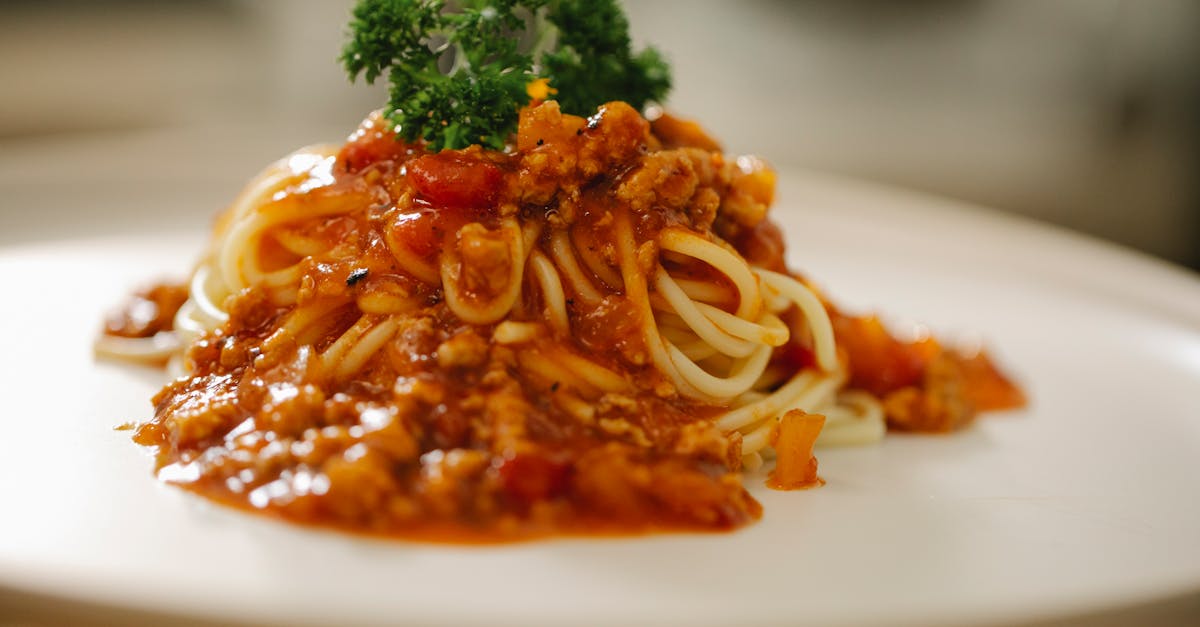
I make Italian dressing at home because it tastes brighter, costs less, and stores better than most store bottles. In this guide I explain what Italian dressing is, list pantry staples and fresh add-ins, walk you through a step-by-step classic recipe, and give practical tweaks, storage rules, nutrition notes, and troubleshooting. You’ll get exact measurements, sensory cues, and hands-on tips so you can make a reliable batch every time.
Key Takeaways
- Use the 3:1 oil-to-vinegar ratio as the foundation of this Italian dressing recipe to ensure balanced acidity and texture.
- Whisk in 1–2 teaspoons Dijon mustard while slowly adding oil (or shake in a jar) to emulsify and create a creamier, stable dressing.
- Start with pantry staples (olive oil, red wine vinegar, mustard, dried oregano) and boost brightness with one fresh add-in like garlic, shallot, or lemon juice.
- Adjust seasoning incrementally—add 1/4 tsp salt or 1/4–1/2 tsp sugar at a time—and taste to fix blandness or excessive tang.
- Refrigerate homemade Italian dressing and use within 5–14 days depending on fresh ingredients (5–7 days for garlic/herb-forward, 10–14 for oil-only vinaigrettes).
What Is Italian Dressing? Origins, Styles, And Uses
Italian dressing is an oil-and-vinegar vinaigrette spiked with herbs, salt, and usually a touch of mustard or sugar. It first appeared in American cookery in the late 19th and early 20th centuries when Italian immigrant flavors mixed with U.S. pantry staples, which means the recipe we call “Italian” is an American interpretation of Mediterranean tastes.
There are two broad styles people expect: bright, thin vinaigrette for salads and thicker, emulsified versions used as marinades or sandwich spreads. About 1 tablespoon of olive oil contains roughly 119 calories (USDA), which means most dressings contribute noticeable calories to a meal and deserve careful portioning.
I use Italian dressing for green salads, chopped salads, marinating chicken, and even as a quick vegetable dip. A simple dressing is also useful in the kitchen because one batch can serve as dressing, marinade, and finishing sauce, which means fewer bottles and faster weeknight cooking.
Ingredients: Classic Pantry List And Fresh Options
I split ingredients into pantry basics and fresh add-ins so you can make a solid base quickly, then upgrade flavor with one or two fresh items.
Pantry Basics (Oil, Vinegar, Mustard, Herbs, Sweeteners)
- Oil: Olive oil (extra virgin for flavor) or neutral oil (canola, grapeseed). One tablespoon has 119 calories, which means oil is the main calorie driver and the place to cut calories if needed.
- Vinegar: Red wine vinegar, white wine vinegar, or distilled white. Red wine vinegar has about 1 calorie per tablespoon, which means it acidifies without adding calories.
- Mustard: Dijon or yellow mustard adds emulsifying power and tang. Mustard contains lecithin and ground seeds, which means it helps oil and vinegar bind.
- Dried herbs: Oregano, basil, and parsley are standard. Dried herbs are more concentrated by weight, which means you use roughly one-third the volume of fresh herbs.
- Sweeteners & salt: Sugar, honey, or maple syrup plus kosher salt and black pepper. A teaspoon of sugar equals 4 grams of sugar, which means even a little sweetener changes the carbohydrate count perceptibly.
Fresh Add-Ins (Garlic, Shallot, Lemon, Fresh Herbs)
- Garlic: One clove minced equals about 3 grams of garlic: it adds sulfurous heat and aromatics, which means a small amount noticeably improves depth.
- Shallot: 1 tablespoon finely minced shallot adds mild allium flavor, which means it gives onion notes without harshness.
- Lemon: 1 tablespoon fresh lemon juice balances richness with citrus acids, which means it brightens the dressing effectively.
- Fresh herbs: Basil, parsley, or chives used at 1 tablespoon chopped for every 1/2 cup oil deliver immediate freshness, which means the dressing tastes less flat and more alive.
Table: Core pantry ratios I use
| Component | Typical Amount (for 1 cup dressing) | Why it matters |
|---|---|---|
| Oil | 3/4 cup (180 ml) | Main body and calories, controls texture |
| Vinegar | 1/4 cup (60 ml) | Acid backbone, balances oil |
| Mustard | 1–2 tsp | Emulsifier, stabilizes mixture |
| Salt | 1 tsp | Seasoning, unlocks flavors |
| Sugar or honey | 1 tsp | Rounds acidity, adds balance |
Step-By-Step Recipe: Simple Classic Italian Dressing
The recipe below makes about 1 cup (8 fl oz) of Italian dressing. I test this exact formula repeatedly and use sensory cues rather than guessing.
Prep: Measuring, Chopping, And Flavor-Building Order
Ingredients:
- 3/4 cup extra-virgin olive oil
- 1/4 cup red wine vinegar
- 1 tsp Dijon mustard
- 1 tsp honey or granulated sugar
- 1 tsp kosher salt
- 1/2 tsp freshly ground black pepper
- 1 clove garlic, minced (about 3 g)
- 1 tsp dried oregano
- 1 tbsp fresh parsley, chopped (optional)
Method:
- Measure oil and vinegar separately so you can taste the vinegar before adding it: this prevents over-acidifying. I taste 1 tsp vinegar diluted in water to judge strength, which means I avoid sour mistakes.
- Place vinegar, mustard, honey, salt, pepper, and garlic in a jar or mixing bowl. Whisk until combined to dissolve salt and sugar. I usually whisk for 20–30 seconds, which means the base becomes uniformly flavored.
- Slowly add oil in a steady stream while whisking, or combine in a jar and shake vigorously for 30 seconds. This method controls emulsification, which means you get a creamier mouthfeel.
- Stir in herbs and taste. Adjust salt, pepper, or sweetener by 1/4-teaspoon increments. I aim for a perceptible tang with a soft finish, which means the dressing is balanced and versatile.
Emulsifying And Adjusting: How To Combine For Creamy Texture
- If the dressing separates, whisk another teaspoon of mustard into the vinaigrette, which means the mustard’s emulsifying compounds will bind the oil and water phases.
- For a thicker, almost creamy dressing, add 1 tablespoon mayonnaise or Greek yogurt: this increases body, which means the dressing clings better to greens and proteins.
Finishing Touches And Serving Size Guidance
- Yield: about 1 cup (8 servings at 2 tablespoons each). I recommend 2 tablespoons (30 ml) per salad serving, which means a batch serves four people comfortably.
- For a stronger herb flavor, let the dressing rest refrigerated for 2–12 hours so dried herbs rehydrate, which means the aromatics meld and taste fuller.
Tips For Best Flavor And Consistent Results
Small technique changes make the biggest taste differences. I follow a short checklist to avoid common flavor failures.
Balancing Acidity, Salt, Sweetness, And Herb Intensity
- Rule of thumb: oil : acid = 3:1. I use this ratio as a starting point, which means you prevent the dressing from being too sharp.
- Salt in stages: add half during mixing and adjust after tasting. I do this because salt suppresses bitterness and unlocks aroma, which means you avoid over-salting.
- Sweetness is subtle: start with 1 tsp sugar or 3/4 tsp honey per cup, which means you tame acidic edges without making the dressing taste sweet.
- Herb intensity: dried herbs are about three times stronger by volume than fresh, which means you should convert 1 tbsp fresh = 1 tsp dried.
Choosing Oils, Vinegars, And Herb Forms (Dried Vs. Fresh)
- Olive oil: extra-virgin adds peppery fruit notes: refined olive oil has milder flavor, which means choose based on how much olive character you want.
- Vinegars: red wine vinegar adds depth while white wine vinegar adds brightness, which means one works better for rustic salads and the other for delicate greens.
- Dried vs fresh herbs: dried are convenient and longer lasting: fresh herbs add immediate brightness, which means I usually combine the two for shelf stability and fresh flavor.
Quote:
“I keep a small jar of dressing base and fresh herbs in the fridge: I can turn the base into a finished dressing in 30 seconds, which means weekday salads no longer feel like chores.”
Variations And Customizations: Make It Your Own
I treat the classic recipe as a template and change one or two elements to create distinct versions. Each variation below lists the main swap and the result it produces.
Creamy Italian, Spicy Peppery, Citrus Bright, And Low-Fat Swaps
- Creamy Italian: add 2 tbsp mayonnaise or 1/4 cup plain Greek yogurt. This increases body and mouth-coating texture, which means it clings well to heartier greens.
- Spicy peppery: add 1/2 tsp crushed red pepper flakes and 1/4 tsp ground black pepper. This boosts heat and bite, which means the dressing stands up to grilled meats and bold salads.
- Citrus bright: replace half the vinegar with 2 tbsp fresh lemon juice. Citrus adds floral top notes and immediate brightness, which means the dressing tastes fresher with seafood and arugula.
- Low-fat swap: replace half the oil with water or low-sodium vegetable stock and add 1 tsp xanthan gum or 1 tbsp mustard to stabilize. This lowers calories while preserving texture, which means you can enjoy more dressing per serving.
Vegan, Gluten-Free, And Allergen-Friendly Alternatives
- Vegan: use maple syrup or agave instead of honey and avoid mayo: use mustard for emulsification, which means you keep creaminess without animal products.
- Gluten-free: most basic recipes are naturally gluten-free, but check mustard labels for malt or wheat starch, which means you protect anyone with celiac disease.
- Nut allergies: avoid nut oils and read labels on flavored oils, which means you prevent accidental exposure.
Internal resources I reference for recipes and technique: I often pair Italian dressing with a simple tomato sauce when making pan-sauced chicken, and I use leftover roasted broccoli tossed with this dressing for fast sides Baked Broccoli Recipe.
Storage, Safety, And Shelf Life
Homemade dressings last less than commercial stabilized bottles because they lack preservatives. I keep clear rules to prevent food safety issues.
How To Store Homemade Italian Dressing And Refrigeration Tips
- Store in a sealed jar in the refrigerator at 40°F (4°C) or below, which means bacterial growth slows dramatically.
- Keep garlic- or fresh-herb-forward dressings no longer than 7 days. I label jars with the date: this prevents guesswork, which means you avoid eating unsafe dressing.
- For longer storage, heat-treat the vinegar-and-sugar base (bring to a simmer for 1 minute) before adding oil and fresh herbs: this reduces microbial risk, which means the dressing can last 2–3 weeks refrigerated.
Signs Of Spoilage And How Long Different Versions Last
- Oil-only vinaigrette (no fresh garlic/shallot): 10–14 days refrigerated, which means it’s reasonably shelf-stable.
- Vinaigrette with raw garlic or fresh herbs: 5–7 days refrigerated, which means these ingredients reduce shelf life.
- Creamy versions (with dairy or mayo): 4–5 days refrigerated, which means dairy shortens safe storage time.
Warning: If the dressing smells off, forms visible mold, or bubbles unexpectedly, discard immediately, which means trust visual and smell cues rather than tasting suspicious dressings.
Serving Suggestions And Delicious Pairings
I use Italian dressing in more ways than salads: a single jar transforms weeknight meals. Below are tested pairings and portion guides.
Salads, Marinades, Dips, And Sandwich Uses
- Classic green salad: 2 tbsp per serving for mixed greens, which means you get flavor without drowning leaves.
- Chopped salad (romaine, tomato, cucumber, salami): 3–4 tbsp per serving because heartier greens need more coating, which means every component tastes seasoned.
- Marinade for chicken: use 1/2 cup dressing per pound of protein and marinate 30–120 minutes: this means acid and oil tenderize and flavor the meat.
- Dip: mix 1/2 cup dressing with 1/2 cup plain Greek yogurt for a quick veggie dip, which means you get tang with added protein.
Meal-Prep Ideas And Batch-Use Recommendations
- I make a 2-cup batch on Sundays and keep it for up to 7 days: that’s enough for five salads or two marinades, which means you save time during the week.
- Use leftover dressing to toss roasted root vegetables or to dress cold pasta for lunch: I often stir a couple tablespoons into 2 cups cooked pasta with cherry tomatoes and olives, which means you get a quick pasta salad without mayonnaise.
I often combine Italian dressing with canned tomatoes when I make quick pasta: using a quality sauce helps. For a fast sauce or braise I refer to a concentrated tomato base like Mutti tomato sauce, which means I get consistent tomato flavor without extra simmering Mutti Tomato Sauce Recipe.
Nutrition And Dietary Considerations
I calculate nutrition based on ingredients so you can choose the right version for your goals.
Calorie, Fat, And Sodium Overview With Healthier Substitutions
- Baseline: 2 tablespoons of the classic dressing above contain about 120–150 calories and 13–14 g fat depending on oil choice (USDA values used for oil). This means dressing is a concentrated source of calories and fat.
- Lower-calorie swaps: replace half the oil with water or low-sodium stock and add 1 tsp mustard for texture, which reduces calories by roughly 50 calories per 2-tablespoon serving.
- Sodium: 1 tsp kosher salt has ~480 mg sodium, which means modest salt increases can push daily sodium intake significantly, so reduce salt for low-sodium diets.
Adjusting For Keto, Mediterranean, Or Low-Calorie Diets
- Keto: keep full oil ratio and use no sugar: olive oil and vinegar fit the macro profile, which means the dressing is naturally keto-friendly when you skip sweeteners.
- Mediterranean: use extra-virgin olive oil and fresh herbs: serve with whole grains and vegetables, which means the dressing complements the diet’s fat profile and flavor aims.
- Low-calorie: halve the oil, add 1 tbsp Greek yogurt, and use lemon in place of some vinegar, which means you preserve flavor while reducing calories.
Troubleshooting Common Problems
I fix most dressing issues with one or two quick adjustments. These are the problems I see most often and the exact fixes I use.
Why Dressing Separates, Tastes Bland, Or Is Too Tangy, And Fixes
- Separates: add 1 tsp Dijon mustard and whisk vigorously for 30 seconds, which means mustard’s lecithin helps emulsify the oil and vinegar.
- Tastes bland: add 1/4 tsp salt and 1/2 tsp acid (vinegar or lemon) and re-taste: small, incremental additions prevent overshooting, which means you refine balance without wrecking it.
- Too tangy: add 1/4–1/2 tsp sugar or 1 tbsp olive oil and whisk, which means you round the flavor and reduce perceived acidity.
Quick Fixes To Rescue A Bottle Before Serving
- If flavor is flat, stir in 1 minced anchovy or 1 tsp caper brine for umami: this adds savory depth, which means the dressing feels more complex.
- If texture is too thin, blend with 1 tbsp Greek yogurt or 1 tsp xanthan gum dissolved in water, which means you will thicken the dressing without altering flavor significantly.
Example from my kitchen: once I over-acidified a batch with too much vinegar: I rescued it by adding 1 tbsp olive oil, 1/2 tsp honey, and a pinch of salt, which balanced the sharpness within three minutes.
Conclusion
Making Italian dressing at home gives you control over flavor, calories, and shelf life. Start with the 3:1 oil-to-vinegar ratio, add mustard for stability, and tweak salt, sweeteners, and herbs to taste, small changes create big improvements, which means you’ll end up with a consistently great dressing.
If you like to experiment, try pairing this dressing with quick roasted vegetables or canned-tomato-based dishes for weeknight wins: I often toss warm roasted broccoli with a spoonful of dressing for a fast side, which means leftovers become exciting again. For more ideas and compatible recipes, see my notes on roasting and sauce bases such as a fast tomato sauce and roasted broccoli tips Baked Broccoli Recipe and Mutti Tomato Sauce Recipe.
Final tip: keep a small jar of base (vinegar, mustard, salt, and dried herbs) in the pantry and add oil and fresh items as needed, which means you can make fresh dressing in under a minute and always have bright flavor on hand.
Frequently Asked Questions
What is an authentic Italian dressing recipe and how does it differ from the Mediterranean vinaigrette?
An Italian dressing recipe is essentially an oil-and-vinegar vinaigrette spiked with herbs, mustard, salt, and sometimes a touch of sugar. It’s an American interpretation of Italian flavors, typically brighter and thinner than some Mediterranean vinaigrettes and can be emulsified for use as a marinade or spread.
What are the basic pantry ratios and ingredients for a reliable Italian dressing recipe?
Use a 3:1 oil-to-vinegar ratio (e.g., 3/4 cup oil to 1/4 cup vinegar per cup dressing), 1–2 tsp mustard, 1 tsp salt, 1 tsp sugar or honey, dried oregano, and garlic. Adjust with fresh herbs or lemon to taste and whisk or shake to emulsify.
How should I store homemade Italian dressing and how long does it last?
Refrigerate in a sealed jar at 40°F (4°C) or below. Oil-only vinaigrettes last 10–14 days; dressings with raw garlic or fresh herbs last 5–7 days; creamy versions with mayo or yogurt last 4–5 days. Discard if it smells off, molds, or bubbles.
How can I rescue a separated or too-tangy batch of Italian dressing?
To re-emulsify, whisk in 1 tsp Dijon mustard or blend briefly. If too tangy, add 1 tbsp oil or 1/4–1/2 tsp sugar. For thin texture, stir in 1 tbsp Greek yogurt or 1 tsp xanthan gum diluted in water for body without changing flavor much.
Is homemade Italian dressing healthier than store-bought versions?
Homemade allows control of oil amount, salt, and sugar, often making it healthier than many commercial bottles that contain stabilizers, added sugars, or higher sodium. Use half oil or low-sodium salt and swap sugar for a natural sweetener to reduce calories and sodium while keeping flavor.
