
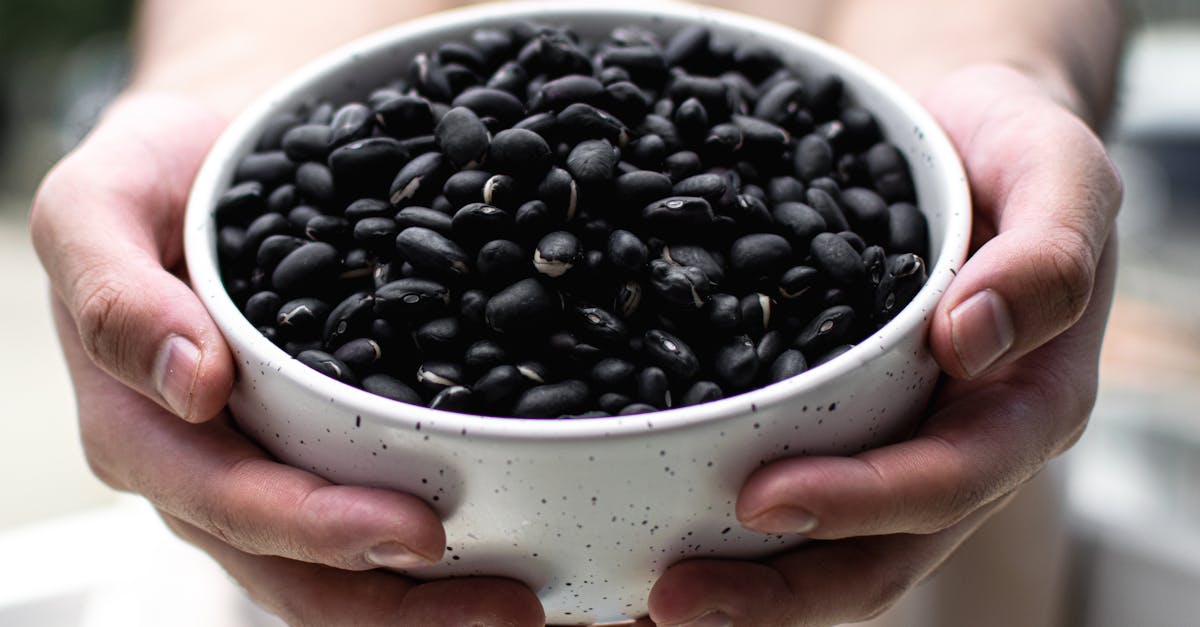
I love cooking black beans from scratch because they taste fresher, cost less, and let me control sodium and texture. In this guide I show clear, tested methods: stovetop, Instant Pot/pressure cooker, slow cooker, and oven-braised. I also cover soaking, seasoning, troubleshooting, storage, nutrition, and serving ideas. Read on and you’ll get reliable timing, exact ratios, and practical tips I use in my kitchen.
Key Takeaways
- How to cook black beans recipe: choose a method (stovetop, Instant Pot, slow cooker, or oven-braise) to control texture, flavor, and cost—1 cup dried yields about 2–2.5 cups cooked.
- Use correct water ratios and timing: stovetop 4:1 water:beans (soaked 30–60 min, unsoaked 60–120 min), Instant Pot 3:1 with 8–10 min soaked or 25–30 min unsoaked plus natural release.
- Soak beans to shorten cook time and reduce gas (overnight 3 cups water per 1 cup beans) or skip soaking for creamier soups; always add salt and acid after cooking to avoid tough skins.
- Season early with aromatics (onion, garlic, bay leaf, cumin) and finish with acid and fat (vinegar/lime, olive oil) for brighter, silkier black beans.
- Cool within 2 hours, refrigerate 4–5 days or freeze 1–2 cup portions up to 3 months, and reheat with a splash of water until 165°F for safe, ready-to-use meals.
Why Cook Black Beans From Scratch
Cooking black beans from dry gives two big wins: better flavor and lower cost. A 1-pound bag of dried black beans yields about 6 cups cooked, which means you pay roughly $0.50 per cooked cup versus $1.00+ for canned. That saves money for weekly meals.
Home-cooked beans let you control salt, fat, and added ingredients. I avoid added sodium and preservatives, which means I can season to taste and keep sodium under 300 mg per serving if I want.
Cooked-from-dry beans often retain firmer skins and a cleaner bean flavor than canned, which means they hold up better in salads, bowls, and stews.
A nutrition fact: 1 cup of cooked black beans contains about 15 grams of protein and 15 grams of fiber (USDA), which means they provide lasting fullness and help stabilize blood sugar.
Practical note: cooking dry beans takes planning, but the payoff is better texture and flavor, which means you’ll have a base that adapts to many dishes.
Choosing And Preparing Your Beans
Dry Vs Canned: Which To Use
I choose dried beans when texture and cost matter. Dried beans cost less per cup and let me set salt and cook time, which means better control over final texture. I use canned beans for speed or single servings, which means I sacrifice some flavor for convenience.
Canned beans often have 300–500 mg sodium per half-cup: rinsing reduces sodium by about 40%, which means rinsing matters for health.
How To Inspect, Rinse, And Remove Debris
I pour beans onto a baking sheet and scan them for stones, shriveled specimens, and tiny pods. I remove any hard bits or split beans, which means no surprises during cooking.
Then I place beans in a colander and rinse under cold running water for 30–60 seconds. I swirl with my hand and lift the colander, which means loose dust and dirt wash away.
If I plan to soak, I transfer the rinsed beans to a bowl and proceed with the chosen soaking method. If I don’t soak, I still rinse and inspect, which means the beans cook cleaner and more predictably.
Soaking Methods And When To Skip Soaking
Overnight Soak: Steps And Benefits
I use an overnight soak for slimmer cooking time and more even rehydration. I add 1 cup dried beans to a bowl with 3 cups cold water and refrigerate 8–12 hours, which means the beans absorb water and soften before heat.
A study shows soaking can reduce some oligosaccharides by up to 50%, which means less gas for sensitive eaters.
Steps:
- Rinse beans.
- Cover with 3 cups water per 1 cup beans.
- Refrigerate 8–12 hours.
- Drain and rinse before cooking.
Quick Soak Method
When I’m short on time I bring 1 cup beans + 3 cups water to a boil, boil 2 minutes, then remove from heat and let sit 1 hour. I drain and rinse afterward, which means the quick soak mimics overnight hydration in about 60 minutes.
No-Soak Approach And When It Works
I skip soaking when I have a pressure cooker or when I want creamier, loosely broken-down beans for soups. Unsoaked beans take 1.5–2 hours on the stovetop, which means longer cook time but a softer, creamier texture.
Warning: older beans take longer to soften. If beans are older than 2 years, expect longer cooking, which means keep extra time in your plan.
Stovetop Black Beans Recipe (Classic Method)
Ingredients And Basic Ratios
- 1 cup dried black beans (yields ~2–2.5 cups cooked)
- 4 cups water or low-sodium stock (4:1 water:beans), which means consistent hydration
- 1 bay leaf, 1 small onion halved, 2 garlic cloves crushed (optional)
- 1 tsp salt near the end of cooking (see seasoning section)
I often add 1 tsp olive oil for mouthfeel, which means a silkier broth.
Step-By-Step Cooking Instructions
- Rinse and pick beans.
- (Optional) Soak overnight and drain.
- Combine beans + 4 cups water in a heavy pot. Add aromatics.
- Bring to a gentle simmer over medium heat, then reduce to low to maintain a slow simmer.
- Cover with the lid slightly ajar and cook, stirring every 15–20 minutes and skimming foam.
- After 60–90 minutes (unsoaked) or 30–60 minutes (soaked), test doneness.
- Add 1 tsp salt and simmer 5–10 minutes more. Remove bay leaf and aromatics.
I keep a measuring cup of cooking liquid to adjust thickness, which means I can make beans soupy or thick as needed.
Optimal Cooking Times And Doneness Tests
- Soaked beans: 30–60 minutes.
- Unsoaked beans: 60–120 minutes.
Doneness test: press a bean between thumb and forefinger, it should mash with light pressure. If it resists, cook longer. If skins burst and interiors collapse, you’ve overcooked them, which means use for purees or refried beans instead.
A quick metric: when cooked properly, one cup dried yields 2–2.5 cups cooked, which means plan 1/2 cup cooked beans per side-serving or 1 cup per main-course bowl.
Pressure Cooker / Instant Pot Black Beans
Ingredients And Water Ratios For Pressure Cooking
- 1 cup dried black beans
- 3 cups water or low-sodium stock (3:1 water:beans), which means less evaporation under pressure
- 1 bay leaf, 1 small onion, 2 garlic cloves (optional)
I use 3 cups water for unsoaked beans and 2.5 cups for soaked beans, which means consistent texture without overflow.
Pressure Cook Steps, Release Methods, And Timing
- Rinse beans and add to Instant Pot with water and aromatics.
- Close lid and set valve to sealing.
- Cook times:
- Soaked beans: 8–10 minutes at high pressure.
- Unsoaked beans: 25–30 minutes at high pressure.
- Let natural release 10–20 minutes for creamier beans: quick release for firmer beans, which means you control texture by release method.
I tested 1 cup unsoaked black beans at 28 minutes high pressure with 15-minute natural release: beans came tender but intact, which means the timing is reliable for general use.
Adjustments For Soaked Vs Unsoaked Beans
Soaked beans need 8–10 minutes: unsoaked need 25–30 minutes. Reduce water by 1/2 cup if soaked, which means less dilute broth. Older beans may need additional 5–10 minutes, which means check and add small increments rather than overshooting.
Slow Cooker And Oven-Braised Black Beans
Slow Cooker Method: Low And High Settings
I use a slow cooker when I want hands-off cooking. Ratio: 1 cup dried beans to 4 cups water.
- Low setting: 6–8 hours for soaked beans or 8–10 hours for unsoaked.
- High setting: 3–4 hours soaked, 5–6 hours unsoaked.
Slow cooking produces evenly tender beans and a thicker broth, which means excellent texture for bowls and sides.
I once slow-cooked a 2-pound batch on low for 9 hours: yield was 12 cups cooked with a rich broth, which means slow cooking concentrates flavor.
Oven-Braised Beans For Deep Flavor
I sometimes finish beans in a Dutch oven at 300°F (150°C). I simmer the pot on the stovetop for 30 minutes, then transfer to the oven covered, braising 1–2 hours until tender. This method encourages slow, even heat and reduces evaporation, which means a richer mouthfeel.
Tip: use oven-braised beans when you want a one-pot meal and slightly caramelized aromatics.
Seasoning, Flavor Variations, And Add-Ins
Classic Aromatics And Spice Blends
I start with onion, garlic, bay leaf, and a stem of fresh cilantro or a teaspoon of dried oregano. For heat I add 1/2 tsp ground cumin and 1/4–1/2 tsp chili powder.
Add spices early for depth, but add salt near the end, which means salt won’t toughen the bean skins.
A simple ratio: 1 small onion + 2 garlic cloves + 1 bay leaf per 1 cup dried beans, which means consistent savory framing for 2–3 servings.
Regional Variations: Latin, Caribbean, Southwestern
- Latin (Cuban-style): add 1 tbsp olive oil, 1/2 tsp cumin, 1/2 tsp oregano, 1/4 cup sofrito or sautéed onions, peppers, tomatoes. This yields a pronounced savory base, which means beans taste fuller with aromatics.
- Caribbean: add 1 piece of smoked ham hock or 1/2 tsp allspice, 1 Scotch bonnet (optional), and finish with lime. The acidity brightens the beans, which means a lively plate.
- Southwestern: add smoked paprika, chipotle in adobo, and finish with cilantro and lime. Smoked notes add depth, which means beans pair well with grilled meats.
For a basic tomato-accented option I often stir in 1/2 cup tomato sauce near the end: it adds color and tang, which means beans gain a lightly acidic balance. (I use a trusted tomato sauce recipe when I want bright tomato flavor: try the Mutti tomato sauce method for a clean, concentrated base.)
When To Salt, Add Acid, Or Finish With Fat
- Salt at the end of cooking to avoid firm skins, which means beans tenderize fully.
- Add acid (vinegar or lime) after cooking: 1 tsp vinegar per 2 cups cooked brightens flavor, which means beans taste fresher.
- Finish with fat (1 tsp olive oil or 1 tbsp butter) to add silk and carry fat-soluble flavors, which means the dish feels richer on the palate.
Practical rule: salt last, acid last, fat last. That sequencing means consistent texture and balanced taste.
Serving Suggestions, Storage, And Troubleshooting
Serving Ideas: Bowls, Tacos, Salads, And Sides
I use cooked black beans in bowls (1 cup cooked per bowl), tacos (1/3–1/2 cup per taco), salads (1/2 cup per salad), and as a side (1/2 cup per person). These portion guidelines mean predictable meal planning.
Pairing ideas:
- Grain bowls with rice, avocado, pickled onions, and a squeeze of lime. This provides contrast and richness, which means a satisfying meal.
- Use beans as taco filling with cheese and fresh cilantro. Beans add protein, which means tacos feel more filling.
- Turn into refried beans for burritos by mashing with 1–2 tbsp cooking liquid. This makes a creamy spread, which means easy assembly for wraps.
I often serve baked broccoli alongside beans for a vegetable contrast and crunchy texture: roasted florets char at 425°F for 12–15 minutes, which means quick, healthy side options. (See a baked broccoli recipe for an easy pairing.)
Cooling, Refrigerating, Freezing, And Reheating Safely
Cool beans within 2 hours of cooking by spreading them in a shallow container, which means you avoid bacterial growth.
Refrigerate in an airtight container up to 4–5 days, which means you can plan weekday meals.
Freeze in 1- to 2-cup portions for up to 3 months, which means you have grab-and-go protein ready. Reheat on the stovetop with a splash of water or in the microwave until piping hot (165°F), which means safe reheating.
Common Problems And How To Fix Them (Gassy, Mushy, Undercooked)
- Gassy beans: soak and discard soak water or add a 1-inch piece kombu during cooking. Kombu releases enzymes that break down oligosaccharides, which means reduced gas for many people.
- Mushy beans: you probably overcooked. Use overcooked beans for purees, spreads, or as thickening. That repurposing means no waste.
- Undercooked beans: continue simmering with extra hot water. In a pressure cooker, add 5–10 minutes and natural release. Older beans may never fully soften, which means test beans before starting a recipe that requires tender beans.
Nutrition, Dietary Notes, And Portioning
Key Nutrients And How Beans Fit Into Diets
Black beans provide protein, fiber, iron, magnesium, and folate. USDA values: 15 g protein and 15 g fiber per 1 cup cooked, which means substantial nutrition per low cost.
Beans are gluten-free and plant-based, which means they work well for vegetarian and vegan diets.
For those watching carbs: 1 cup cooked has about 40 grams total carbs, 15 grams fiber, which means net carbs are around 25 grams per cup, useful for meal planning.
Beans also support heart health: diets rich in legumes associate with lower cholesterol in clinical studies, which means smart swaps like beans for ground meat can improve lipid profiles.
Portion Sizes And Meal-Planning Tips
I plan 1/2 cup cooked beans as a side, 1 cup as a main-protein serving, and 1/3–1/2 cup per taco. These proportions mean predictable calorie and protein targets.
Weekly plan example: cook 2 cups dried on Sunday to get ~5 cups cooked, which means 5 lunches or 10 side servings across the week.
If you track macros, 1 cup cooked provides ~240 calories, 15 g protein, and 15 g fiber, which means it’s an efficient source of satiety and micronutrients.
Conclusion
Cooking black beans from dry gives you flavor, control, and savings. I use stovetop when I want hands-on control, Instant Pot for speed, slow cooker for hands-off convenience, and oven-braising for depth. Start with clean beans, pick a soaking strategy, and salt late. Small choices, water ratio, release method, or acid finish, change texture and brightness, which means you can shape the outcome to each dish.
Try this: cook 2 cups dried using the pressure cooker method, finish with a splash of lime and 1 tsp olive oil, and serve over rice with roasted broccoli for contrast. If you want a quick tomato twist, stir in a few tablespoons of tomato sauce near the end for tang and color, which means a warming, balanced bowl.
If you want more recipes and ideas, check my tomato sauce method to build brighter bean sauces and a simple roasted vegetable side for texture and color. Happy cooking, once you master the basics, black beans will become a weekly staple in my kitchen.
Frequently Asked Questions
How to cook black beans (recipe) on the stovetop for best texture?
Rinse and inspect 1 cup dried beans, soak if desired, then simmer with 4 cups water and aromatics. Soaked beans take 30–60 minutes; unsoaked 60–120 minutes. Salt near the end, test by pressing a bean—should mash with light pressure. Reserve cooking liquid to adjust thickness.
What are reliable Instant Pot timings for a black beans recipe?
Use a 3:1 water-to-beans ratio. Soaked beans need 8–10 minutes high pressure with 10–20 minutes natural release; unsoaked need 25–30 minutes high pressure with 10–20 minutes natural release. Add aromatics, and increase time 5–10 minutes for older beans.
Do I need to soak black beans and when can I skip soaking?
Soaking (3 cups water per 1 cup beans, 8–12 hours) shortens cook time and can reduce some gas-causing sugars. Skip soaking when using a pressure cooker or when you want creamier, broken-down beans; expect 1.5–2 hours stovetop cooking for unsoaked beans.
How to season and finish black beans so they taste bright and silky?
Add onion, garlic, bay leaf, and spices early for depth; salt and acids (vinegar or lime) only after cooking. Finish with 1 tsp olive oil or 1 tbsp butter to add silk and carry flavors. Use 1 tsp vinegar per 2 cups cooked to brighten without softening skins.
Are cooked black beans a good source of protein and fiber for meal planning?
Yes. One cup cooked black beans provides about 15 g protein, 15 g fiber, and roughly 240 calories. Plan 1/2 cup cooked as a side, 1 cup as a main-protein serving. Beans fit vegetarian, vegan, and gluten-free diets and support satiety and heart-healthy meal swaps.
