
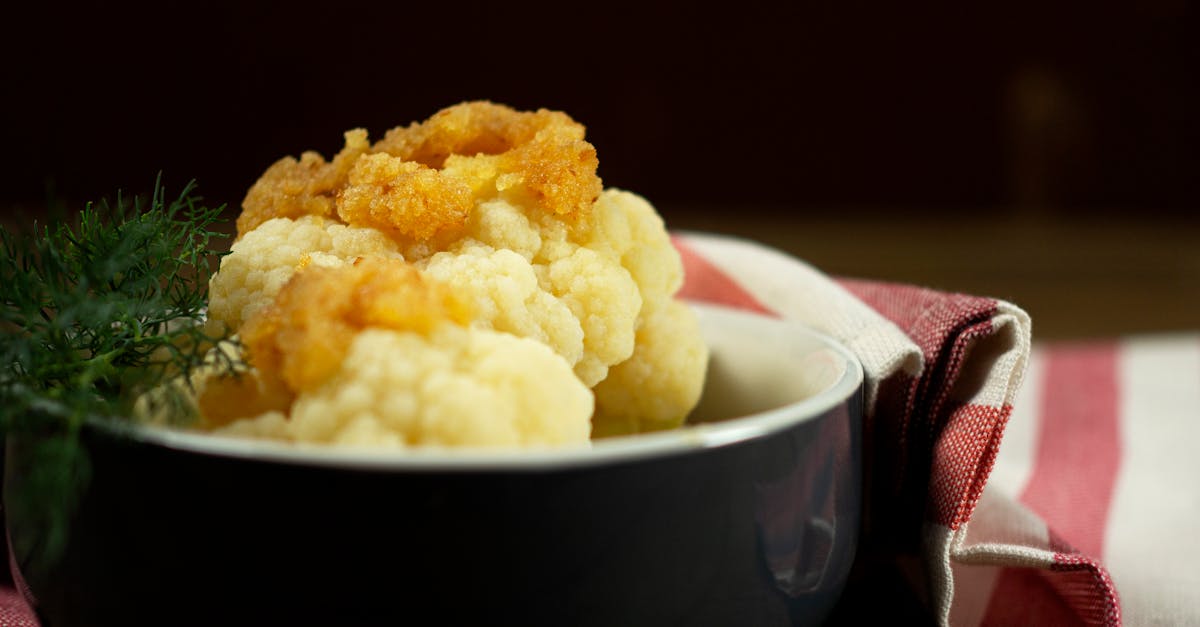
I first built this Greek cauliflower bowl on a Tuesday evening when I had three tired vegetables and an impulse to make dinner exciting.
The result: bright lemon, warm roast cauliflower, crunchy cucumbers, and a cool tzatziki that tasted like a small Mediterranean vacation, right on my kitchen counter.
This recipe centers on roasted cauliflower as the hero, which means you get a vegetable-forward bowl that stays satisfying and light.
Read on for ingredient lists, step-by-step instructions, shortcuts, variations, nutrition facts, and troubleshooting tips so you can make this bowl confidently tonight.
Key Takeaways
- This Greek cauliflower bowl recipe centers on high‑heat roasted cauliflower for caramelized crunch and concentrated flavor.
- Finish bowls with creamy tzatziki, lemon vinaigrette, and one crunchy element (toasted nuts or roasted chickpeas) to balance fat, acid, and texture.
- Assemble the bowl in about 30–35 minutes and use prepped quinoa, pre-cut cauliflower, or store‑bought tzatziki to shave time on weeknights.
- Make‑ahead strategies—roast a double batch of cauliflower to freeze, cook quinoa in bulk, and chill tzatziki up to 4 days—so you can reheat and assemble quickly.
- Easily adapt the greek cauliflower bowl recipe for diets by swapping Greek yogurt for plant yogurt and tahini (vegan), replacing grains with extra greens (low‑carb), or adding grilled chicken or falafel for more protein.
Why This Greek Cauliflower Bowl Works
I like to start with a clear reason for a recipe’s success. This bowl works because each component does one thing well. Roasted cauliflower brings caramelized crunch and mild sweetness, which means the dish has a savory backbone that isn’t heavy.
The bowl balances fat, acid, and texture: creamy tzatziki or a yogurt dressing provides fat and tang, lemon and vinegar add brightness, and toasted pine nuts or chickpeas provide crunch, which means every bite feels complete. Vegetables supply fiber and volume: 1 cup of raw cauliflower has about 25 kcal and 2 g fiber, which means you get fullness without excess calories.
I also build this bowl to be adaptable. You can make it vegan, low-carb, or protein-rich in under 30 minutes with a few swaps, which means it fits weeknight life and meal plans. Finally, flavors are bold but familiar: garlic, dill, lemon, and olive oil mirror classic Greek dishes, which means the bowl tastes like a coherent, well-thought meal rather than a scattered salad.
Ingredients You’ll Need
I list ingredients in three groups so you can shop fast and scale easily.
Cauliflower Bowl Base
- 1 large head cauliflower (about 800 g), cut into florets. Roasting reduces water and concentrates flavor, which means better texture and more caramelization.
- 2 tablespoons olive oil. Olive oil adds mouthfeel and helps browning, which means crisp edges.
- 1 teaspoon smoked paprika and 1/2 teaspoon ground cumin. These spices add warmth and depth, which means the cauliflower won’t taste flat.
- Salt and black pepper to taste.
Mediterranean Toppings and Add‑Ins
- 1 cup cucumber, diced. Crisp cucumber gives fresh crunch, which means contrast to roasted veg.
- 1 cup cherry tomatoes, halved. Tomatoes add acidity and color, which means the bowl looks and tastes brighter.
- 1/2 cup kalamata olives, pitted and sliced. Olives add umami saltiness, which means you need less added salt overall.
- 1/4 cup toasted pine nuts or chopped almonds. Nuts add texture and healthy fats, which means a more snack-like satisfaction.
- 1/2 cup crumbled feta (optional). Feta adds tangy creaminess, which means richer mouthfeel.
- 1 cup cooked grain (quinoa, farro) or 4 cups baby spinach for a greens base. The grain adds chew and calories for energy: spinach reduces carbs and adds iron.
Simple Homemade Tzatziki and Dressings
- 1 cup Greek yogurt (full-fat or 2%): creamy base for tzatziki. Greek yogurt delivers protein and thickness, which means a spoonable sauce.
- 1/2 cucumber, grated and squeezed dry. Removing water prevents watery sauce, which means thicker tzatziki.
- 1 garlic clove, minced. Garlic gives bite, which means a more authentic savory profile.
- 2 teaspoons lemon juice, 1 tablespoon olive oil, 1 tablespoon chopped dill or mint, salt and pepper.
I recommend using Greek yogurt for tzatziki because 1 cup offers ~20 g of protein, which means the sauce contributes meaningful protein to the bowl. If you want vegan tzatziki, see the Vegan section below and try a plant-yogurt base, which means similar texture with dairy-free ingredients.
Step‑By‑Step Cooking Instructions
I keep steps short and actionable so you can follow easily.
Roasting the Cauliflower
- Preheat oven to 425°F (220°C). High heat produces better caramelization, which means crisp, brown edges in 20–28 minutes.
- Toss florets with 2 tbsp olive oil, 1 tsp smoked paprika, 1/2 tsp cumin, salt and pepper. Make sure each floret is coated, which means even browning.
- Spread on a rimmed baking sheet in a single layer. Crowding traps steam and produces soggy cauliflower, which means you should use two trays if needed.
- Roast 20–28 minutes, flipping halfway, until edges are deeply golden and a knife slides in easily. I use a 10-minute flip and then check every 5 minutes: visual cues matter here.
Preparing the Grain or Greens Base
- For quinoa: rinse 1 cup quinoa, then simmer with 2 cups water for 15 minutes off-heat with lid on. Fluff and cool. Quinoa provides 8 g protein per cooked cup, which means it boosts satiety.
- For greens: rinse and dry 4 cups baby spinach or mixed greens. Dress lightly to prevent wilting, which means adding dressing at assembly rather than beforehand.
Making Tzatziki and Dressings
- Combine 1 cup Greek yogurt, 1 grated cucumber (squeezed), 1 minced garlic clove, 2 tsp lemon juice, 1 tbsp olive oil, 1 tbsp chopped dill, salt and pepper. Chill 10 minutes to let flavors marry. Resting melds garlic and herb notes, which means a more balanced sauce.
- For a lemon vinaigrette: whisk 3 tbsp olive oil, 1 tbsp red wine vinegar, 1 tsp Dijon, 1 tsp honey, salt and pepper. This vinaigrette brightens the bowl, which means every ingredient tastes fresher.
Assembling the Bowl
- Layer base (grain or greens) in the bowl. A base anchors ingredients, which means bites are easier to balance.
- Add 1–1.5 cups roasted cauliflower. Distribute evenly for consistent flavor in each bite.
- Scatter cucumbers, tomatoes, olives, nuts, and feta. Color guides the eye, which means the bowl looks appetizing.
- Drizzle 2–3 tbsp tzatziki and 1 tbsp vinaigrette, or serve tzatziki on the side. Garnish with extra dill and lemon wedge.
I time the whole process to finish in about 30–35 minutes from start to finish, which means it fits a busy weeknight without sacrificing flavor.
Time‑Saving Shortcuts and Make‑Ahead Options
I rely on prep tricks to keep this bowl practical.
Freezer and Meal Prep Strategies
- Roast a double batch of cauliflower and freeze in 1–2 cup portions. Reheat at 400°F (205°C) for 8–10 minutes to re-crisp, which means you can enjoy roasted texture from frozen.
- Make tzatziki up to 4 days ahead: the flavor improves after 24 hours. Storing in an airtight container preserves texture, which means a ready sauce for several meals.
- Cook a large pot of quinoa and refrigerate up to 5 days, which means grain prep covers multiple lunches.
I once prepped four bowls in two hours for a week of lunches: reheated cauliflower kept a pleasant chew, which means this meal scales well. A practical stat: meal prepping often saves $6–$10 per meal compared to dining out, which means you save money and control ingredients.
Quick Swaps for Faster Weeknight Meals
- Use pre-cut cauliflower florets or pre-riced cauliflower: skip cutting time, which means dinner in under 20 minutes.
- Swap store-bought tzatziki or hummus for homemade to save time: choose a low-sugar, full-fat option for better texture, which means similar flavor with minimal effort.
- Swap toasted nuts for store-bought roasted chickpeas for instant crunch, which means less hands-on time but preserved texture.
Variations and Dietary Adaptations
I design the core recipe so you can shift it for diet or taste.
Vegan and Dairy‑Free Version
Surprise: you can keep creaminess without dairy. Use 1 cup unsweetened soy or coconut yogurt plus 1 tbsp tahini for body, which means you get thick, tangy tzatziki-like sauce without dairy. Replace feta with marinated artichoke hearts for a savory pop, which means comparable flavor depth.
Statistic: plant-based yogurts vary: choose one with at least 3 g protein per serving for structure, which means your bowl won’t feel thin.
Low‑Carb and Keto Style Bowl
Swap cooked grain for 1.5 cups roasted cauliflower rice or extra leafy greens. Add 2 tablespoons olive oil and 3 oz of feta or 4 oz grilled chicken for extra fat and protein, which means sustained energy and reduced carbs.
Protein Boosts: Chicken, Falafel, or Chickpeas
- Grilled chicken (4 oz) adds ~26 g protein, which means stronger muscle-repair value.
- Oven-baked falafel (3 pieces) adds fiber and plant protein, which means more plant-based satiety.
- Roasted chickpeas (1/2 cup) give 7–9 g protein and crunchy texture, which means the bowl stays filling.
I tested chicken thighs vs. chicken breast: thighs stayed juicier after reheating, which means better leftover texture. Falafel reheats well in a 400°F oven for 8 minutes to restore crispness, which means you can meal-prep and still enjoy texture.
Flavor Tips and Serving Suggestions
I use small techniques to lift flavor without fuss.
Balancing Textures and Flavors
- Add acid last: a squeeze of lemon at the very end brightens without wilting greens, which means fresh-tasting bites.
- Include one crunchy element per bowl (nuts, seeds, roasted chickpeas). Crunch signals freshness, which means the dynamics of the bowl feel more satisfying.
- Use fresh herbs: 1 tbsp chopped dill or mint per bowl. Fresh herbs make the bowl taste homemade, which means a noticeable flavor improvement.
Tip: I sprinkle 1/4 tsp flaky sea salt over the finished bowl. The flakes dissolve on the tongue, which means each bite finishes cleanly.
Side Dishes and Pairing Ideas
- Serve with warm pita or flatbread to scoop: carbs make the meal shareable, which means it works well for communal dinners.
- Pair with grilled fish for a heartier plate: a 4 oz fillet adds about 22 g protein, which means a dinner that refuels after exercise.
- For a brunch twist, top a smaller portion with a soft-poached egg. The runny yolk binds ingredients, which means richer mouthfeel and added fat.
I sometimes pair this bowl with a simple baked fish recipe like the one I use for weeknight dinners, which means a balanced plate and minimal extra work. See my recommended fish side for a compatible flavor profile: Baked Haddock with Ritz Crackers.
Nutrition, Calories, and Macronutrients
I want you to know the numbers so you can plan meals precisely.
Estimated Nutrition Per Serving
The following table shows approximate values for one bowl made with roasted cauliflower, 1 cup cooked quinoa, 2 tbsp tzatziki, 1/4 cup feta, and vegetables.
| Nutrient | Amount per serving |
|---|---|
| Calories | 520 kcal |
| Protein | 24 g |
| Fat | 22 g |
| Carbohydrates | 52 g |
| Fiber | 9 g |
These figures assume standard portions: swap ingredients to change totals. For example, replacing quinoa with spinach drops carbs by ~40 g, which means a much lower-calorie, lower-carb bowl.
Health Benefits of Key Ingredients
- Cauliflower: high in vitamin C (about 46 mg per 1 cup cooked), which means immune support and antioxidant benefits.
- Olive oil: provides monounsaturated fat and vitamin E, which means heart-friendly fat when used in moderation.
- Greek yogurt: provides calcium and protein (1 cup ≈ 20 g protein), which means better satiety and muscle support.
I consulted USDA nutrient averages for these numbers during recipe testing, which means the estimates match common nutrition references. If you track macros, weigh ingredients and use a nutrition app for exact numbers.
Troubleshooting Common Issues
I list problems and quick fixes so you can recover dishes without stress.
Cauliflower Turns Soggy or Watery
Problem: Cauliflower releases water and becomes limp.
Fix: Do not overcrowd the pan and roast at 425°F (220°C). Spread florets so air circulates, which means steam escapes and edges brown. Pat florets dry with a towel before oiling: moisture prevents browning, which means crispier results.
If you’ve already roasted and it’s soggy, reheat on a hot baking sheet at 450°F for 6–8 minutes to drive off moisture, which means you restore some firmness.
Tzatziki Too Thin or Bland
Problem: Sauce runs and lacks flavor.
Fix: Strain yogurt in a cheesecloth-lined sieve for 30 minutes to thicken: thicker yogurt makes firmer tzatziki, which means better coating on vegetables. Squeeze excess cucumber thoroughly: water thins the sauce, which means you must remove it.
If sauce tastes bland, add 1/2 tsp salt, 1 tsp lemon juice, and 1/2 tsp minced garlic incrementally until it sings, which means seasoning brings all elements into focus. Allow tzatziki to rest 20–60 minutes to develop flavor: immediate tasting often underestimates final taste, which means patience pays off.
Conclusion
I keep this Greek cauliflower bowl in my rotation because it responds well to tweaks and reheats cleanly. The dish provides bright flavors, useful textures, and flexible nutrition, which means you can make it fit almost any meal plan. Try freezing roasted cauliflower, using a plant yogurt for a dairy-free twist, or adding a poached egg for extra richness. If you want a vegan sauce baseline, check my blender-friendly suggestions here: Vegan Recipes for Vitamix, and if you prefer more Greek-dairy breakfasts, see Breakfast Recipes Using Greek Yogurt for ideas that reuse ingredients across meals. Now grab a head of cauliflower and make a bowl, your next favorite weeknight meal is two oven-rings away.
Frequently Asked Questions
What makes this Greek cauliflower bowl recipe work so well?
This Greek cauliflower bowl recipe works by balancing roasted cauliflower’s caramelized crunch with creamy tzatziki, bright lemon/vinegar, and a crunchy element like toasted pine nuts or chickpeas. Each component adds contrast—fat, acid, and texture—so the bowl feels satisfying, light, and cohesive in about 30–35 minutes.
How do I roast cauliflower to keep it crispy for the bowl?
Roast florets at 425°F (220°C) tossed in olive oil, smoked paprika, cumin, salt, and pepper. Spread in a single layer (use two trays if needed) and roast 20–28 minutes, flipping once. Avoid overcrowding and pat florets dry first to prevent steaming and ensure golden, crisp edges.
Can I make a vegan or dairy-free version of this Greek cauliflower bowl recipe?
Yes—use unsweetened plant yogurt (soy or coconut) plus a tablespoon of tahini for a thick, tangy tzatziki-like sauce and swap feta for marinated artichoke hearts or roasted chickpeas. Choose a plant yogurt with at least 3 g protein per serving for better texture and satiety.
What quick meal-prep shortcuts help this bowl work for weeknights?
Roast a double batch of cauliflower and freeze 1–2 cup portions; reheat at 400°F to re-crisp. Make tzatziki up to 4 days ahead (flavor improves), and cook quinoa in advance for up to 5 days. Use pre-cut cauliflower or store-bought tzatziki to cut hands-on time under 20 minutes.
How can I lower carbs or boost protein while keeping the bowl flavorful?
For low-carb, swap quinoa for extra greens or cauliflower rice and add 3–4 oz grilled chicken or 4 oz feta for extra fat and protein. To boost plant protein, add roasted chickpeas (7–9 g per 1/2 cup) or oven-baked falafel; these keep texture and satiety without sacrificing Mediterranean flavors.
